Show

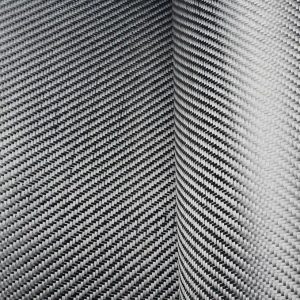
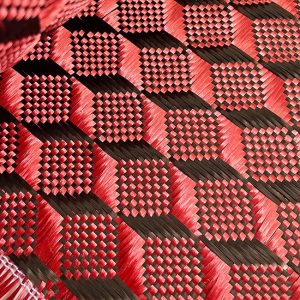
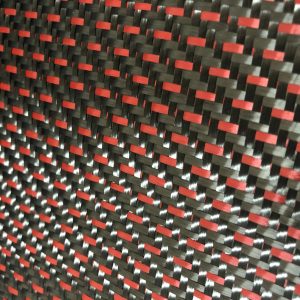
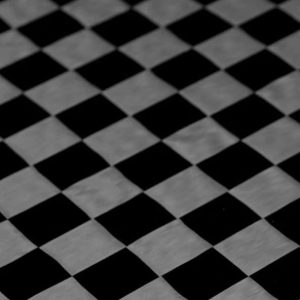
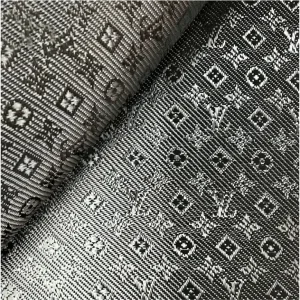


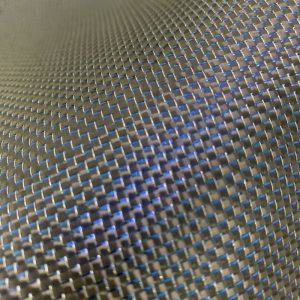
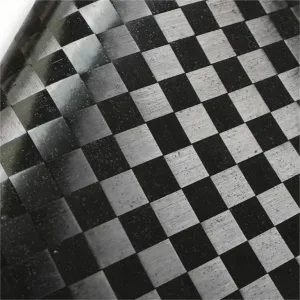
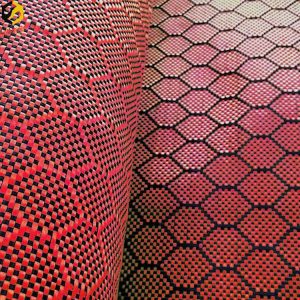
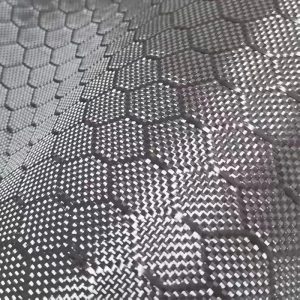

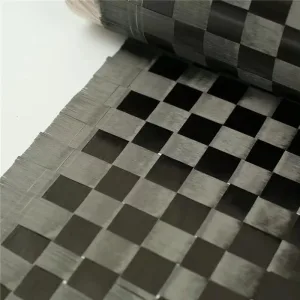
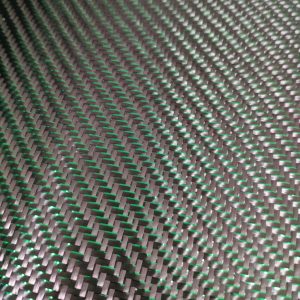
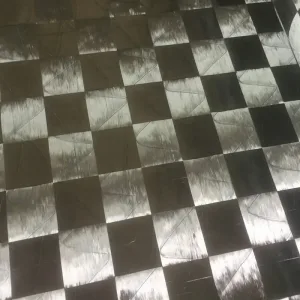

3K 210g carbon fiber colorful Kevlar blend fabric
$49.99 /SQM This product has multiple variants. The options may be chosen on the product page
3K 240g Hexagonal football black/yellow/blue/red carbon fiber cloth
$46.99 /SQM This product has multiple variants. The options may be chosen on the product page

3K 240gsm Camouflage pattern Carbon Kevlar fiber blended fabric
$64.99 /SQM This product has multiple variants. The options may be chosen on the product page


Carbon Fiber Fabrics: The Ultimate Guide to Selection and Application
Carbon fiber fabrics represent the pinnacle of modern composite materials, offering unmatched strength-to-weight ratios that revolutionize industries from aerospace to sporting goods. At Bulk Composites, we provide premium-quality carbon fiber fabrics in various weaves, weights, and styles to meet your exact project specifications. Whether you’re building high-performance components, creating lightweight structures, or developing cutting-edge products, our selection ensures you’ll find the perfect carbon fiber solution.

Understanding Carbon Fiber Fabrics
Carbon fiber fabrics consist of thin strands of carbon atoms bonded together in a crystalline formation. These fibers are woven into various patterns to create fabrics with specific performance characteristics. When combined with epoxy resins, these fabrics transform into incredibly strong, lightweight composite materials that outperform traditional construction materials in many applications.

Key Benefits of Carbon Fiber Fabrics
- Exceptional strength-to-weight ratio (stronger than steel at a fraction of the weight)
- Outstanding stiffness and rigidity
- Excellent fatigue resistance
- Superior dimensional stability
- Thermal expansion resistance
- Corrosion and chemical resistance
- Electrical conductivity
- Vibration damping properties

Carbon Fiber Weave Patterns and Their Applications
The weave pattern of carbon fiber fabric significantly impacts its performance characteristics, handling properties, and appearance. Understanding these different weaves helps you select the right fabric for your specific application.

Plain Weave
Plain weave features a simple over-under pattern where each warp fiber passes alternately over and under each weft fiber. This creates a stable, symmetrical fabric with excellent handling properties and resistance to distortion.
- Maximum stability and resistance to distortion
- Holds shape well when cut
- Symmetrical appearance
- Slightly less conformable to complex curves
- Ideal for flat or simple curved surfaces

Twill Weave
Twill weave (typically 2×2) creates the classic diagonal pattern seen in most carbon fiber products. Each warp fiber passes over two weft fibers and then under two, creating a fabric with superior draping qualities.
- Better drapability for complex contours
- Maintains more fiber strength than plain weave
- Distinctive diagonal appearance
- More pliable and easier to work with
- Perfect for complex curved surfaces

Unidirectional
Unidirectional (UD) fabric features carbon fibers running in a single direction, maximizing strength along that axis. These fabrics are held together by minimal cross-stitching or a light backing material.
- Maximum strength in the fiber direction
- No crimp in fibers for optimal performance
- Ideal for targeted reinforcement
- Perfect for applications with known load paths
- Can be layered in multiple orientations for custom strength profiles

Carbon Fiber Weights and Fiber Types
Carbon fiber fabrics are categorized by their fiber count (K value) and weight (GSM – grams per square meter). Understanding these specifications is crucial for selecting the right material for your application.
Fiber Count (K Value)
| Fiber Count | Description | Typical Applications | Visual Characteristics |
| 1K | 1,000 filaments per tow, ultra-fine weave | Aerospace, ultra-lightweight components, thin laminates | Very fine weave pattern, smooth surface |
| 3K | 3,000 filaments per tow, most common | Automotive, sporting goods, general composites | Standard weave pattern, balanced appearance |
| 6K | 6,000 filaments per tow, medium weight | Marine, industrial components, thicker laminates | Larger weave pattern, more pronounced texture |
| 12K | 12,000 filaments per tow, heavy weight | Structural components, high-load applications | Coarse weave pattern, visible texture |

Fabric Weight (GSM)
Fabric weight, measured in grams per square meter (GSM), determines the thickness and performance characteristics of the final composite. At Bulk Composites, we offer a range of weights to suit various applications:
- Lightweight (100-150 GSM): Ideal for cosmetic layers and applications where minimal weight is critical
- Medium (200-300 GSM): Our most popular range, offering an excellent balance of handling and performance
- Heavy (400+ GSM): Perfect for structural applications requiring maximum strength and stiffness
Selecting the right combination of weave pattern and fabric weight is essential for achieving optimal performance in your composite project. Our technical team is available to help you make the best selection for your specific requirements.

Our Carbon Fiber Fabric Collection
At Bulk Composites, we offer a comprehensive range of carbon fiber fabrics to meet the needs of any project. Our products are sourced from leading manufacturers and undergo rigorous quality control to ensure consistent performance.

3K, 2×2 Twill Weave
Our most popular carbon fiber fabric, featuring the classic diagonal pattern that’s become synonymous with high-performance composites. This versatile fabric offers excellent drapability and a beautiful finished appearance.
- Weight: 200 GSM (5.9 oz/yd²)
- Width: 50 inches
- Thickness: 0.012 inches per layer
- Finish: Available in standard or stabilized versions

3K, Plain Weave
Our plain weave carbon fiber offers maximum stability and resistance to distortion. Perfect for flat or simple curved surfaces where maintaining precise fiber orientation is critical.
- Weight: 200 GSM (5.9 oz/yd²)
- Width: 50 inches
- Thickness: 0.012 inches per layer
- Finish: Available in standard or stabilized versions

Unidirectional Carbon
Our unidirectional carbon fiber fabrics deliver maximum strength in a single direction. Ideal for applications with known load paths or for creating custom layup schedules with precisely oriented reinforcement.
- Weight options: 150 GSM (4.4 oz) or 300 GSM (8.8 oz)
- Width: 50 inches
- Fiber types: Standard modulus or intermediate modulus
- Minimal cross-stitching for maximum performance

Carbon Fiber Veil
Ultra-thin non-woven carbon fiber mat ideal for surface finishing, electrical conductivity, and EMI shielding applications. Creates an excellent base layer for cosmetic finishes.
- Weight: 10 GSM (0.3 oz/yd²)
- Width: 39 inches
- Thickness: 0.002 inches
- Structure: Random fiber orientation

12K, Heavy Fabric
Our heavyweight carbon fiber fabrics are designed for structural applications requiring maximum strength and stiffness. Build thickness quickly with fewer layers for efficient construction of robust components.
- Weight: 650 GSM (19.2 oz/yd²)
- Width: 50 inches
- Available in twill or plain weave
- Ideal for high-load applications

Carbon Fiber Sample Pack
Not sure which carbon fiber fabric is right for your project? Our sample pack includes swatches of our most popular fabrics, allowing you to evaluate texture, drapability, and appearance before committing to a full purchase.
- Includes 3K twill, 3K plain, unidirectional, and veil samples
- 4″ x 4″ swatches of each fabric type
- Perfect for material testing and evaluation
- Comprehensive guide included
Industry Applications for Carbon Fiber Fabrics

Aerospace & Defense
- Aircraft structural components
- UAV/drone frames and components
- Satellite structures
- Radomes and antenna covers
- Interior components

Automotive & Transportation
- Body panels and aerodynamic components
- Chassis reinforcement
- Interior trim and accessories
- Racing components
- EV battery enclosures

Sports & Recreation
- Bicycle frames and components
- Fishing rods and equipment
- Golf club shafts
- Hockey sticks and sporting equipment
- Kayaks and paddles

Marine
- Hull reinforcement
- Deck components
- Masts and spars
- Interior components
- Propellers and drive shafts

Industrial & Energy
- Wind turbine blades
- Pressure vessels
- Robotic components
- Machine parts
- Oil and gas equipment

Medical & Prosthetics
- Prosthetic limbs
- Orthotic devices
- Surgical instruments
- Imaging equipment components
- Medical device housings

Carbon Fiber Fabric Selection Guide
| Project Requirement | Recommended Fabric Type | Key Considerations |
| Maximum strength in one direction | Unidirectional | Layer in multiple orientations for multi-directional strength |
| Complex curved surfaces | 2×2 Twill Weave | Better drapability and conformability to contours |
| Flat or simple curves | Plain Weave | Maximum stability and resistance to distortion |
| Cosmetic appearance | 2×2 Twill Weave | Classic diagonal pattern, fewer visible weave distortions |
| Rapid build-up of thickness | 12K Heavy Fabric | Fewer layers required, more economical for thick sections |
| Ultra-lightweight components | 1K Plain Weave | Thinner layers, finer weave, higher cost per square yard |
Not Sure Which Carbon Fiber Fabric Is Right for Your Project?
Our technical team is available to help you select the perfect material for your specific application. Contact us for expert advice or order our sample pack to evaluate our materials firsthand.
Handling and Storage Recommendations
Proper handling and storage of carbon fiber fabrics are essential to maintain their performance characteristics and ensure optimal results in your composite projects:
Storage Guidelines
- Store in a clean, dry environment away from direct sunlight
- Maintain temperature between 60-75°F (15-24°C)
- Keep relative humidity below 60%
- Store flat or on rolls to prevent creasing
- Avoid contact with solvents, oils, or other contaminants
Handling Best Practices
- Wear clean gloves when handling to prevent contamination
- Cut with sharp scissors or a rotary cutter to minimize fraying
- Use pattern weights rather than pins when cutting
- Handle carefully to avoid distorting the weave
- Consider using fabric stabilizer for complex cuts

Safety Note: Carbon fiber dust can be irritating to skin, eyes, and respiratory system. Always wear appropriate PPE including gloves, eye protection, and dust mask when cutting or machining carbon fiber materials. Work in a well-ventilated area and clean up dust with a HEPA vacuum.
Why Choose Bulk Composites for Your Carbon Fiber Needs
At Bulk Composites, we’re committed to providing the highest quality carbon fiber fabrics at competitive prices. Our extensive inventory, technical expertise, and customer-focused approach make us the preferred supplier for professionals and enthusiasts alike.
- Premium materials from leading manufacturers
- Extensive selection of weaves, weights, and sizes
- Technical support from experienced composites professionals
- Bulk discounts for larger orders
- Fast shipping and reliable service
- Custom cutting and kitting services available
Whether you’re building a prototype, manufacturing production parts, or working on a personal project, we have the carbon fiber fabrics you need to achieve exceptional results. Browse our collection today and experience the Bulk Composites difference.

Ready to Start Your Carbon Fiber Project?
Explore our complete selection of premium carbon fiber fabrics and find the perfect material for your application.