Carbon KEVLAR Hybrid Fabric: The Ultimate Composite Material
In the world of advanced composites, Carbon KEVLAR Hybrid Fabric represents a remarkable engineering achievement. By combining the superior tensile strength of carbon fiber with the exceptional impact resistance of KEVLAR®, this hybrid material delivers performance characteristics that neither component can achieve alone. Whether you’re designing aerospace components, automotive parts, protective equipment, or high-performance sporting goods, understanding the unique properties of this versatile material can help you create products with unprecedented strength-to-weight ratios and durability.

What is Carbon KEVLAR Hybrid Fabric?
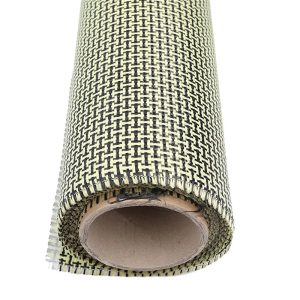
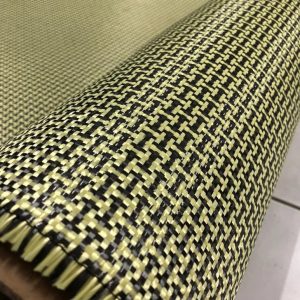
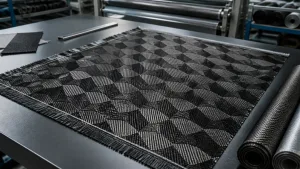
Carbon KEVLAR Hybrid Fabric is an advanced composite material that integrates carbon fiber and KEVLAR® aramid fiber in a single woven structure. Unlike pure carbon fiber or pure KEVLAR® fabrics, this hybrid combines both materials in each layer, typically with carbon fiber running in one direction (warp) and KEVLAR® in the perpendicular direction (fill). This integration creates a material with complementary properties that outperforms single-material composites in many applications.
Carbon Fiber Contribution
- Exceptional tensile strength
- High stiffness and rigidity
- Excellent fatigue resistance
- Low weight and high strength-to-weight ratio
- Dimensional stability
KEVLAR® Contribution
- Superior impact resistance
- Excellent abrasion resistance
- High tear strength
- Good vibration damping
- Heat and flame resistance
The result is a hybrid fabric that delivers high strength, stiffness, and impact resistance while maintaining a low weight profile. This combination makes it particularly valuable for applications requiring both structural integrity and damage tolerance.

Manufacturing Process and Technical Specifications
The production of Carbon KEVLAR Hybrid Fabric involves a sophisticated weaving process that carefully integrates both fiber types to achieve optimal performance characteristics. Understanding this process and the resulting technical specifications is essential for selecting the right variant for your application.
Weaving Process
Carbon KEVLAR Hybrid Fabric is typically manufactured using traditional textile weaving methods adapted for high-performance fibers. The most common approach places carbon fiber tows (bundles) in the warp direction (running the length of the fabric) while KEVLAR® fibers run in the fill direction (across the width). This configuration leverages the directional properties of both materials effectively.

Common Weave Patterns
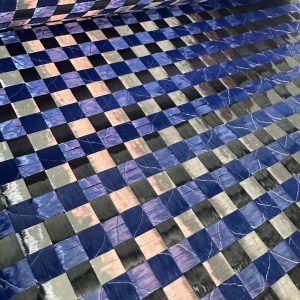
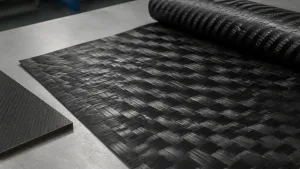
Plain Weave
The simplest pattern with fibers alternating over and under each other. Provides balanced properties in both directions but less conformability.

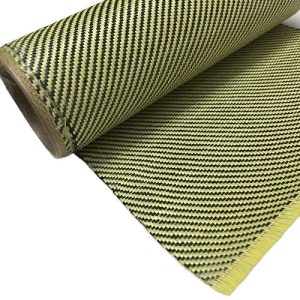
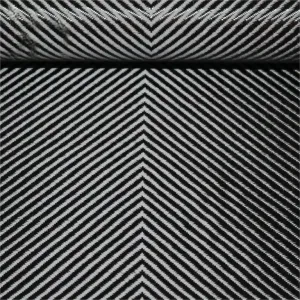
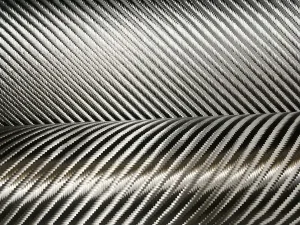
2×2 Twill
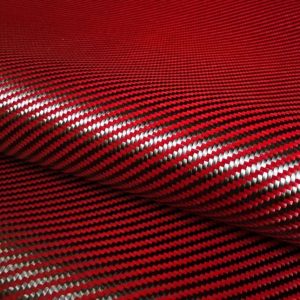
The most popular pattern where fibers go over two and under two. Offers better drapability and slightly higher strength than plain weave.

4 Harness Satin
Advanced pattern with one side appearing predominantly carbon and the other predominantly KEVLAR®. Excellent conformability for complex shapes.

Technical Specifications
| Specification | Typical Range | Notes |
| Weight | 5.0 – 7.7 oz/sq yd (170 – 260 g/m²) | Lighter fabrics offer better conformability, heavier provide more strength per layer |
| Thickness | 0.009″ – 0.013″ (0.23 – 0.33 mm) | Varies based on weave pattern and fiber size |
| Carbon Tow Size | 3K (3,000 filaments) | Standard size for most applications |
| KEVLAR® Denier | 1,100D – 1,500D | Higher denier provides more impact resistance |
| Width | 50″ (127 cm) typical | Narrower widths (2″-6″) available as tapes |
| Thread Count | 12-18 per inch | Higher count creates tighter weave |
Most Carbon KEVLAR Hybrid Fabrics are manufactured as “first quality” materials, ensuring consistent properties and handling characteristics across production batches. This quality control is essential for applications requiring predictable performance.
Key Properties and Advantages
Carbon KEVLAR Hybrid Fabric offers a unique combination of properties that make it exceptionally valuable for demanding applications. Understanding these characteristics helps engineers and designers leverage its full potential.
Overall Performance Rating
4.7
Exceptional
Strength-to-Weight Ratio
4.8/5
Core Advantages
Advantages
- Exceptional strength-to-weight ratio exceeding many metals
- Superior impact resistance compared to pure carbon fiber
- Excellent vibration damping properties
- High fatigue resistance for long service life
- Good thermal stability across wide temperature ranges
- Enhanced damage tolerance and crack propagation resistance
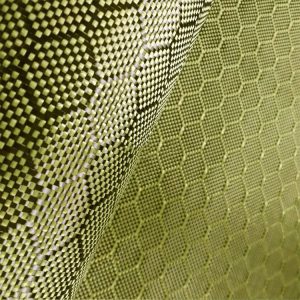
- Attractive aesthetic appearance with distinctive yellow/black pattern
Limitations
- Higher cost than single-material fabrics
- KEVLAR® component susceptible to UV degradation
- Special cutting tools required (KEVLAR® is difficult to cut)
- More complex resin compatibility considerations
- Less stiff than pure carbon fiber composites

Material Performance Comparison
| Property | Carbon Fiber | KEVLAR® | Carbon KEVLAR Hybrid | Fiberglass |
| Tensile Strength | Excellent | Very Good | Excellent | Good |
| Impact Resistance | Poor | Excellent | Very Good | Good |
| Weight | Very Light | Light | Light | Heavy |
| Stiffness | Excellent | Good | Very Good | Good |
| UV Resistance | Excellent | Poor | Good | Very Good |
| Cost | High | High | Very High | Low |
Applications Across Industries
The unique combination of properties offered by Carbon KEVLAR Hybrid Fabric makes it valuable across numerous industries. Its versatility allows it to excel in applications requiring both structural strength and impact resistance.
Aerospace

- Aircraft interior panels
- Helicopter rotor blades
- Radomes and antenna covers
- Ballistic protection panels
- Satellite components
Automotive

- Racing car body panels
- Impact protection structures
- Underbody protection
- Transmission tunnels
- Interior trim components
Sports Equipment

- Hockey sticks
- Tennis rackets
- Bicycle frames
- Kayak paddles
- Protective gear
Marine

- Hull reinforcement
- Mast construction
- High-impact areas
- Racing boat components
- Propeller protection
Military & Defense

- Ballistic panels
- Helmet reinforcement
- Vehicle armor components
- Drone structures
- Equipment cases
Industrial

- Robotic components
- Safety guards
- High-speed machinery parts
- Pressure vessels
- Vibration damping elements
Find the Perfect Carbon KEVLAR Hybrid Fabric for Your Application
Browse our selection of premium Carbon KEVLAR Hybrid Fabrics in various weaves, weights, and colors. Available in standard widths or custom cuts to meet your specific project requirements.
Explore Fabric Options
Cost Considerations and Market Availability
Carbon KEVLAR Hybrid Fabric typically commands a premium price compared to single-material composites due to its specialized manufacturing process and enhanced performance characteristics. Understanding the cost factors and market availability can help you make informed purchasing decisions.
Price Factors
What Affects Cost
- Fabric weight and thickness
- Weave pattern complexity
- Width and length requirements
- Fiber quality (aerospace vs. commercial grade)
- Color options (dyed KEVLAR®)
- Quantity purchased
Typical Price Ranges
- Standard 50″ width: $30-40 per yard
- Bulk discounts: 10-20% for 10+ yards
- Full roll (100 yards): 20-30% discount
- Narrow tapes (2″-6″): $6-10 per yard
- Custom colors: 5-15% premium
- Aerospace certified: 20-40% premium

Market Availability
Carbon KEVLAR Hybrid Fabric is readily available through specialized composite material suppliers, industrial fabric distributors, and some online marketplaces. Most suppliers offer the following options:
Standard Products
- 50″ width rolls
- 2×2 twill weave (most common)
- 5.0-5.8 oz/sq yd weight
- Yellow/black color combination
- Cut yardage options
Specialty Variants
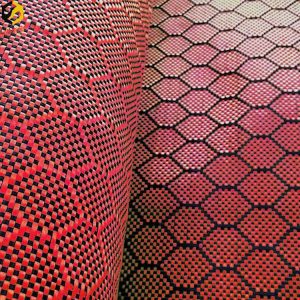
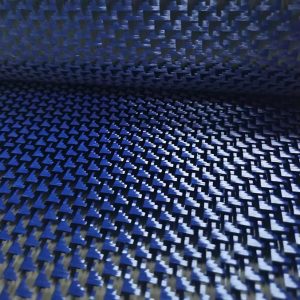
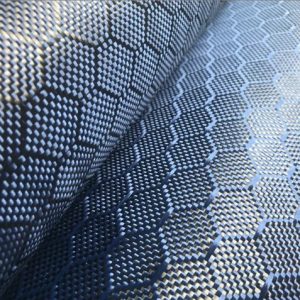
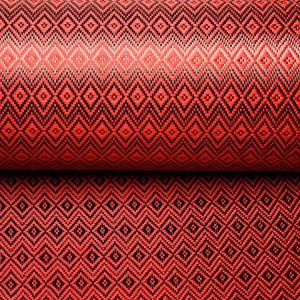
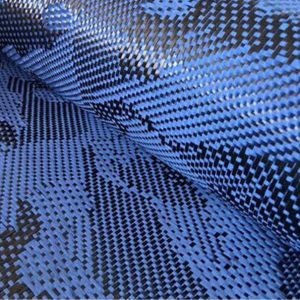
- Blue, red, orange, or green KEVLAR®
- Plain weave options
- 4 harness satin weave
- Heavier weights (7.0+ oz/sq yd)
- Narrow width tapes (2″, 4″, 6″)
Purchase Channels
- Composite material suppliers
- Industrial fabric distributors
- Marine supply stores
- Racing/motorsport suppliers
- Online marketplaces
When comparing prices, always consider the quality grade of the fabric. First quality materials ensure consistent properties and handling characteristics across production batches, which is essential for critical applications.
— Composite Materials Engineering Association
Future Developments and Trends
The field of hybrid composite materials continues to evolve, with ongoing research and development aimed at enhancing performance, reducing costs, and expanding applications. Several emerging trends are shaping the future of Carbon KEVLAR Hybrid Fabric technology.

Emerging Innovations
Advanced Weaving Techniques
New 3D weaving methods are being developed to create hybrid fabrics with enhanced through-thickness properties, reducing delamination risks and improving impact performance without adding weight.
Nano-Enhanced Fibers
Integration of carbon nanotubes and graphene into hybrid fabrics is showing promise for dramatically improved mechanical properties, electrical conductivity, and thermal management capabilities.
Sustainable Alternatives
Research into bio-based carbon fibers and environmentally friendly aramid alternatives aims to reduce the environmental footprint of hybrid composites while maintaining performance.
Industry Adoption Trends
Several key industries are driving increased adoption of Carbon KEVLAR Hybrid Fabric:
Urban Air Mobility
The emerging electric vertical takeoff and landing (eVTOL) aircraft sector is embracing hybrid composites for their exceptional strength-to-weight ratio and impact resistance, critical for urban air mobility applications.

Renewable Energy
Wind turbine manufacturers are increasingly utilizing hybrid fabrics for blade construction, leveraging their fatigue resistance and vibration damping properties to create longer-lasting, more efficient blades.

Expert Insight
“The next generation of Carbon KEVLAR Hybrid Fabrics will likely incorporate smart functionalities such as embedded sensors for real-time structural health monitoring, adaptive properties that respond to environmental conditions, and enhanced repairability features.”
— Dr. Elena Rodriguez, Advanced Composites Research Institute
Maintenance and Care Recommendations
Products manufactured with Carbon KEVLAR Hybrid Fabric require specific maintenance and care to ensure optimal performance and longevity. Following these recommendations will help preserve the material’s properties throughout its service life.
Storage of Raw Fabric
- Store unused fabric in a cool, dry environment away from direct sunlight
- Protect KEVLAR® component from UV exposure, which can cause degradation
- Store flat or on rolls with proper support to prevent creasing
- Maintain moderate humidity levels (40-60%) to prevent fiber damage
- Keep away from chemicals, oils, and solvents that may contaminate the fabric

Caring for Finished Products
Cleaning
- Gently remove surface dust with a soft brush or vacuum
- Clean with mild soap and water, avoiding harsh chemicals
- Never use bleach or chlorine-based cleaners
- Rinse thoroughly to remove all soap residue
- Allow to air dry completely before storage
Protection
- Apply UV protective coatings to exposed KEVLAR® surfaces
- Use appropriate clear coats compatible with epoxy resins
- Inspect regularly for signs of damage or wear
- Store finished items away from direct sunlight when not in use
- Avoid prolonged exposure to extreme temperatures
How do I cut Carbon KEVLAR Hybrid Fabric?
Cutting this material requires specialized tools due to the KEVLAR® component. Use serrated or KEVLAR®-specific scissors for small projects. For larger production, consider ultrasonic cutters or water jet cutting. Avoid standard scissors as they will quickly dull and produce poor-quality cuts.
Can I repair damaged Carbon KEVLAR Hybrid Fabric components?
Minor damage can be repaired using compatible epoxy resins and patch techniques. For structural repairs, consult with a composite repair specialist. The hybrid nature of the material requires specific repair protocols that differ from pure carbon fiber or KEVLAR® repairs.
What resin systems work best with Carbon KEVLAR Hybrid Fabric?
Epoxy resin systems generally provide the best performance with Carbon KEVLAR Hybrid Fabric, maximizing the strength properties of both fiber types. While polyester and vinyl ester resins are compatible, they may not fully optimize the material’s potential. Always verify resin compatibility with your specific fabric variant.
Important Safety Note
When working with Carbon KEVLAR Hybrid Fabric, always wear appropriate personal protective equipment including gloves, eye protection, and dust masks. Carbon and KEVLAR® fibers can cause skin irritation and respiratory issues if proper precautions are not taken during handling and fabrication.
Conclusion: The Future of Composite Materials
Carbon KEVLAR Hybrid Fabric represents a significant advancement in composite material technology, offering a unique combination of properties that neither carbon fiber nor KEVLAR® can provide independently. By integrating the exceptional tensile strength and stiffness of carbon fiber with the superior impact resistance and durability of KEVLAR®, this hybrid material enables engineers and designers to create products with unprecedented performance characteristics.
As manufacturing techniques continue to evolve and new applications emerge, Carbon KEVLAR Hybrid Fabric will likely play an increasingly important role in industries ranging from aerospace and automotive to sports equipment and renewable energy. Its ability to deliver lightweight strength, impact resistance, and vibration damping makes it an ideal choice for applications where performance cannot be compromised.
Whether you’re designing high-performance components, seeking to enhance product durability, or looking to reduce weight without sacrificing strength, Carbon KEVLAR Hybrid Fabric offers a versatile solution that continues to push the boundaries of what’s possible in material science.
Need Expert Guidance for Your Project?
Our composite materials specialists can help you select the optimal Carbon KEVLAR Hybrid Fabric configuration for your specific application requirements.
Request Consultation