Show

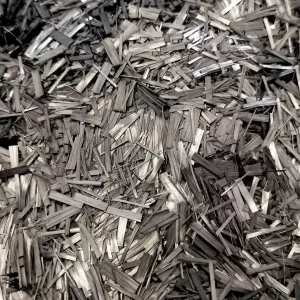
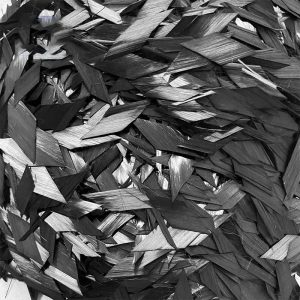
Chopped Carbon Fiber: Advanced Reinforcement for Composite Manufacturing
Chopped carbon fiber represents a critical advancement in composite material technology, offering exceptional strength-to-weight ratios and versatility across manufacturing applications. These precision-cut carbon fiber segments deliver multidirectional reinforcement capabilities while maintaining the superior mechanical properties that make carbon fiber a preferred choice in high-performance industries. This comprehensive guide explores the technical specifications, manufacturing processes, and practical applications of chopped carbon fiber to help engineers and manufacturers select the optimal material for their composite projects.

Key Properties and Technical Specifications
Chopped carbon fiber delivers exceptional performance characteristics that make it ideal for demanding composite applications. Understanding these technical specifications is essential for selecting the appropriate material for your manufacturing requirements.

| Property | Typical Value | Significance |
| Tensile Strength | 600-711 ksi | Exceptional load-bearing capacity in composite structures |
| Tensile Modulus | 33-33.4 Msi | Superior stiffness with minimal deformation under load |
| Bulk Density | 22 lb/ft³ | Lightweight reinforcement for weight-critical applications |
| Standard Lengths | 1/8″, 1/4″, 1/2″, 1″, 2″ | Versatility for different manufacturing processes and applications |
| Electrical Conductivity | High | Enables EMI shielding and static dissipation properties |
| Thermal Conductivity | Medium to High | Effective heat distribution in thermal management applications |
Find Your Ideal Chopped Carbon Fiber Specifications
Browse our complete range of chopped carbon fiber products with precise technical specifications to match your manufacturing requirements.
Manufacturing Process Overview
The production of chopped carbon fiber involves precise cutting of continuous carbon fiber tow into specific lengths. This process maintains the exceptional mechanical properties of the carbon fiber while creating versatile reinforcement material that can be incorporated into various matrix systems.

Production Steps
- Selection of high-quality carbon fiber tow with specific tensile properties
- Precision cutting to exact length specifications (1/8″ to 2″)
- Quality control inspection for consistent fiber length and integrity
- Application of sizing agents for matrix compatibility
- Packaging in controlled environments to prevent contamination
Quality Control Measures
- Tensile strength verification through regular testing
- Modulus consistency checks across production batches
- Length precision monitoring with statistical process control
- Contamination prevention through clean room processing
- Matrix compatibility testing with common resin systems

Primary Applications Across Industries
Chopped carbon fiber finds application across numerous industries where high strength-to-weight ratio, stiffness, and durability are critical performance factors. The versatility of this material makes it suitable for both specialized and mass production applications.

Automotive
- Structural components requiring high strength
- Lightweight body panels and interior parts
- Vibration dampening components
- Performance-enhancing reinforcements
Aerospace
- Non-critical structural components
- Interior panels and furnishings
- Tooling and manufacturing equipment
- Thermal protection systems
Consumer Products
- Sporting goods (rackets, bicycles, golf clubs)
- High-end electronics housings
- Luggage and protective cases
- Decorative applications
Industrial
- Robotic components and automation equipment
- Chemical processing equipment
- Electrical insulation components
- Tooling and fixtures
Marine
- Hull reinforcements and structural elements
- Corrosion-resistant components
- Lightweight interior furnishings
- High-performance marine accessories
Medical
- Prosthetics and orthotics
- Imaging equipment components
- Surgical instruments and tools
- Medical device housings

Comparison with Alternative Reinforcement Materials
When selecting reinforcement materials for composite manufacturing, it’s essential to understand how chopped carbon fiber compares to alternative options. This comparison highlights the specific advantages and considerations for each material type.

Chopped Carbon Fiber
- Superior strength-to-weight ratio (600-711 ksi)
- Excellent tensile modulus (33-33.4 Msi)
- High electrical and thermal conductivity
- Premium appearance with visible carbon texture
- Higher cost compared to alternatives
- Compatible with most thermoset and thermoplastic matrices
Chopped Glass Fiber
- Good strength properties (280-500 ksi)
- Moderate tensile modulus (10-12 Msi)
- Electrical insulation properties
- Cost-effective reinforcement option
- Higher density than carbon fiber
- Wide compatibility with resin systems
Chopped Aramid Fiber
- High impact resistance and toughness
- Good tensile strength (400-500 ksi)
- Excellent vibration dampening
- Superior abrasion resistance
- Moisture sensitivity concerns
- Challenging to machine and finish
Need Help Selecting the Right Reinforcement Material?
Our technical team can help you determine the optimal fiber reinforcement for your specific application requirements.
Processing Methods and Best Practices
Successful incorporation of chopped carbon fiber into composite materials requires appropriate processing techniques. The following methods represent industry best practices for achieving optimal mechanical properties in the final composite.

Resin Compatibility
Chopped carbon fiber demonstrates excellent compatibility with a wide range of matrix systems. The sizing applied during manufacturing ensures proper adhesion between the fiber and resin, creating a strong interfacial bond essential for load transfer.
| Resin Type | Compatibility | Notes |
| Epoxy | Excellent | Preferred for high-performance applications |
| Vinyl Ester | Very Good | Good balance of performance and cost |
| Polyester | Good | Economical option for non-critical applications |
| Phenolic | Good | Excellent for fire-resistant applications |
| Thermoplastics | Varies | Requires specific sizing for proper adhesion |
Processing Techniques
- Spray-Up: Chopped fiber is combined with resin and sprayed onto a mold surface
- BMC (Bulk Molding Compound): Fiber is mixed with resin to create a moldable compound
- SMC (Sheet Molding Compound): Fiber is incorporated into sheet form with resin for compression molding
- Hand Lay-Up: Manual application of fiber and resin for custom applications
- Injection Molding: Fiber-reinforced compounds are injected into molds for complex parts
Fiber Loading Recommendations
The optimal fiber content depends on the specific application requirements and processing method. Generally, higher fiber content yields improved mechanical properties but may increase processing difficulty.
- Spray-Up: 15-30% fiber by weight
- BMC: 20-40% fiber by weight
- SMC: 25-45% fiber by weight
- Hand Lay-Up: 20-35% fiber by weight
- Injection Molding: 15-30% fiber by weight

Benefits and Advantages of Chopped Carbon Fiber
Incorporating chopped carbon fiber into composite manufacturing processes offers numerous advantages over traditional materials and alternative reinforcement options. These benefits translate directly to improved performance, efficiency, and value in the final product.

Advantages
- Multidirectional Reinforcement: Provides strength in all directions unlike unidirectional fibers
- Processing Flexibility: Compatible with various manufacturing methods
- Weight Reduction: Significantly lighter than metal alternatives
- Corrosion Resistance: Impervious to rust and chemical degradation
- Thermal Stability: Maintains properties across a wide temperature range
- Fatigue Resistance: Superior long-term performance under cyclic loading
- Design Freedom: Enables complex geometries and integrated features
- Vibration Dampening: Excellent absorption of vibration energy
Considerations
- Cost: Higher material cost compared to glass fiber alternatives
- Surface Finish: May require additional processing for Class A surfaces
- UV Sensitivity: Requires protection for prolonged outdoor exposure
- Electrical Conductivity: May require insulation in electrical applications
- Processing Equipment: May require specialized handling equipment
- Health Considerations: Requires appropriate dust control measures
Ready to Experience the Benefits of Chopped Carbon Fiber?
Browse our complete range of chopped carbon fiber products in various lengths and quantities to meet your specific manufacturing requirements.
Technical Considerations for Selection and Usage
Selecting the appropriate chopped carbon fiber specifications for your application requires careful consideration of several technical factors. These considerations ensure optimal performance and cost-effectiveness in your composite manufacturing process.

Fiber Length Selection
The length of chopped carbon fiber significantly impacts the mechanical properties and processing characteristics of the composite. Selecting the appropriate length involves balancing performance requirements with processing constraints.
| Fiber Length | Typical Applications | Processing Considerations |
| 1/8″ (3mm) | Injection molding, detailed parts | Excellent flow, lower mechanical properties |
| 1/4″ (6mm) | BMC, general purpose | Good balance of flow and properties |
| 1/2″ (12mm) | SMC, structural components | Enhanced mechanical properties, moderate flow |
| 1″ (25mm) | Hand lay-up, high-performance parts | Superior mechanical properties, limited flow |
| 2″ (50mm) | Specialized structural applications | Maximum mechanical properties, challenging flow |
Fiber Orientation Considerations
While chopped carbon fiber provides multidirectional reinforcement, the manufacturing process can influence fiber orientation and consequently affect mechanical properties in different directions.
- Random Orientation: Provides isotropic properties but lower absolute strength
- Flow-Induced Orientation: Can create preferential strength in flow direction
- Compression Effects: May align fibers perpendicular to compression force
- Vibration Effects: Can cause fiber settling and orientation changes
- Wall Effects: Fibers may align parallel to mold walls
Quantity Determination
Calculating the required amount of chopped carbon fiber involves considering the part volume, desired fiber content, and processing losses.
Calculation Formula:
Required Fiber Weight (kg) = Part Volume (m³) × Composite Density (kg/m³) × Fiber Content (%) × (1 + Process Loss Factor)
Example: For a 0.01 m³ part with 30% fiber content, composite density of 1500 kg/m³, and 5% process loss:
Required Fiber = 0.01 × 1500 × 0.30 × 1.05 = 4.73 kg
Future Trends in Chopped Carbon Fiber Technology
The field of chopped carbon fiber technology continues to evolve, with several emerging trends poised to expand applications and enhance performance in composite manufacturing.

- Recycled Carbon Fiber: Development of chopped products from reclaimed carbon fiber to reduce costs and environmental impact
- Hybrid Fiber Systems: Combination of carbon with other fiber types to optimize cost/performance balance
- Functionalized Fibers: Surface treatments to enhance specific properties like adhesion or electrical conductivity
- Nano-Enhanced Fibers: Integration of nanomaterials to improve interfacial properties and mechanical performance
- Automated Processing: Advanced robotics and process control for more consistent fiber distribution
- Simulation Tools: Improved modeling capabilities for predicting fiber orientation and mechanical properties
- Thermoplastic Compatibility: Enhanced sizing systems for better integration with high-performance thermoplastics

Conclusion: Optimizing Your Composite Manufacturing with Chopped Carbon Fiber
Chopped carbon fiber represents a versatile and high-performance reinforcement option for advanced composite manufacturing. With its exceptional strength-to-weight ratio, multidirectional reinforcement capabilities, and compatibility with various processing methods, this material enables engineers and manufacturers to create lightweight, durable components across numerous industries.
By understanding the technical specifications, processing considerations, and application-specific requirements, you can effectively leverage chopped carbon fiber to achieve optimal performance in your composite products. Whether you’re developing automotive components, aerospace structures, sporting goods, or industrial equipment, the right chopped carbon fiber specification can provide the mechanical properties and manufacturing efficiency your application demands.
Ready to Enhance Your Composite Manufacturing?
Explore our comprehensive range of chopped carbon fiber products or contact our technical team for personalized assistance with your specific application requirements.