Show


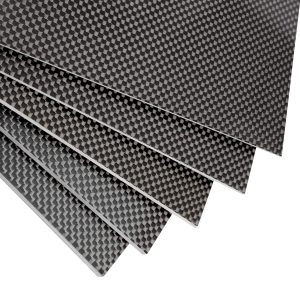
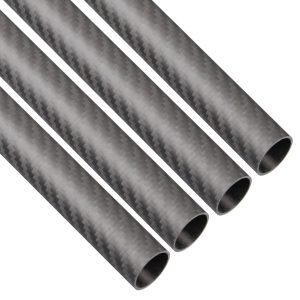
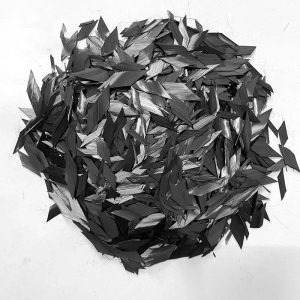
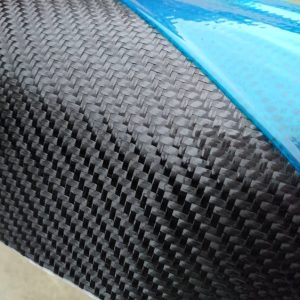
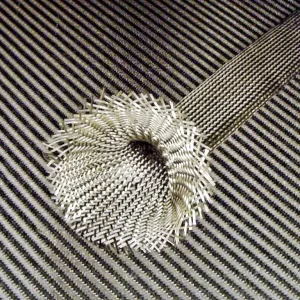
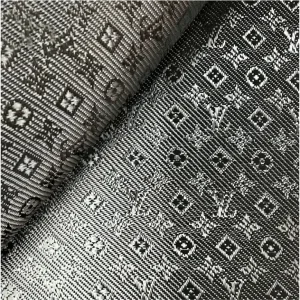


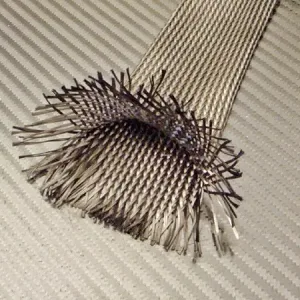
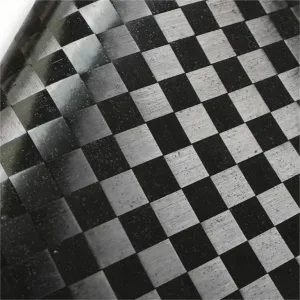
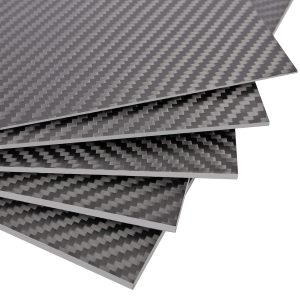
3K Carbon Fiber Sheet Plate
Price range: $15.98 through $92.98 This product has multiple variants. The options may be chosen on the product page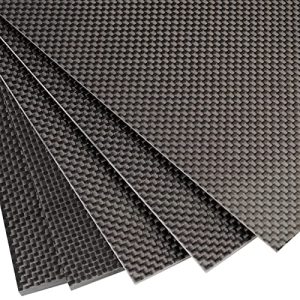
3K Carbon Fiber Laminate Plate Plain Weave Panel Sheet (Glossy Surface)
Price range: $48.98 through $199.98 This product has multiple variants. The options may be chosen on the product page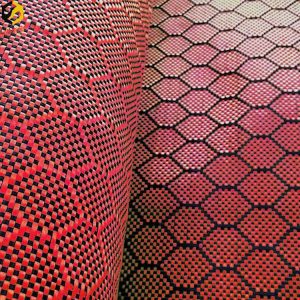

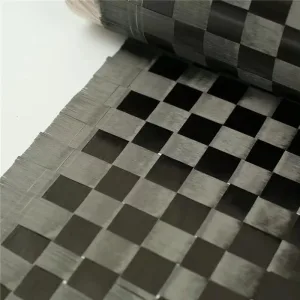
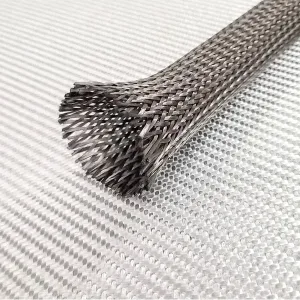
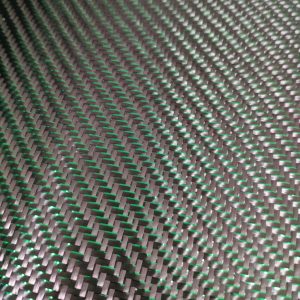
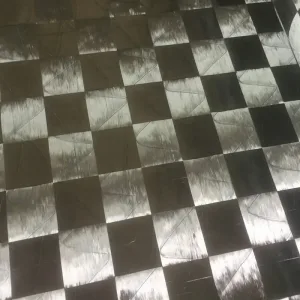

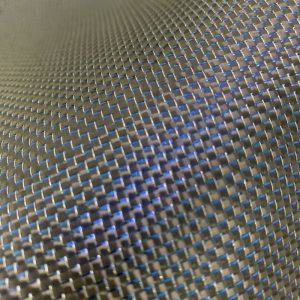
3K 210g carbon fiber colorful Kevlar blend fabric
$49.99 /SQM This product has multiple variants. The options may be chosen on the product page
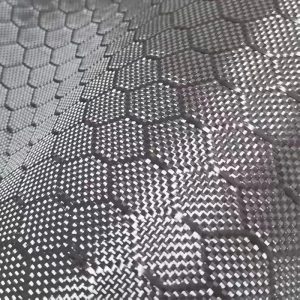
3K 240g Hexagonal football black/yellow/blue/red carbon fiber cloth
$46.99 /SQM This product has multiple variants. The options may be chosen on the product pageCarbon Fiber: The Revolutionary Material Transforming Industries
Carbon fiber represents one of the most significant advancements in materials science of the past century. This remarkable material combines extraordinary strength with minimal weight, making it a game-changer across industries from aerospace to sporting goods. In this comprehensive guide, we’ll explore what carbon fiber is, how it’s made, its remarkable properties, and the diverse applications that have made it indispensable in modern engineering and design.
What Is Carbon Fiber?

Close-up of carbon fiber’s distinctive woven pattern
Carbon fiber is a material consisting of extremely thin filaments of carbon atoms bonded together in a crystalline formation. These filaments, typically 5-10 micrometers in diameter (smaller than a human hair), are bundled together to form a tow, which can be woven into fabric or used as is for various applications.
The key to carbon fiber’s exceptional performance lies in its molecular structure. Carbon atoms are arranged in a crystal alignment parallel to the fiber’s long axis, creating a material with incredible strength-to-weight ratio. This crystalline alignment gives carbon fiber its characteristic high tensile strength and stiffness.
While often referred to simply as “carbon fiber,” the material we typically encounter is actually carbon fiber reinforced polymer (CFRP), a composite material where carbon fibers provide reinforcement within a polymer matrix, usually epoxy resin.
Deepen Your Carbon Fiber Knowledge
Download our free illustrated guide to carbon fiber types and their specific applications across industries.
Remarkable Properties of Carbon Fiber
Carbon fiber has earned its reputation as a premium material due to its exceptional combination of physical and mechanical properties:
Mechanical Properties
- High Tensile Strength: Carbon fiber can achieve tensile strengths of 3,500-7,000 MPa, significantly higher than steel’s typical 400-2,000 MPa.
- Exceptional Stiffness: With a Young’s modulus (measure of stiffness) between 230-930 GPa, carbon fiber provides superior rigidity for its weight.
- Low Weight: Carbon fiber has a density of approximately 1.6-2.0 g/cm³, compared to steel at 7.85 g/cm³, making it roughly 4-5 times lighter.
- Fatigue Resistance: Unlike many metals, carbon fiber composites show excellent resistance to fatigue, maintaining their properties under repeated loading.
Physical Properties
- Temperature Tolerance: Carbon fiber maintains its structural integrity at high temperatures, with some specialized formulations performing well above 2000°C.
- Low Thermal Expansion: Carbon fiber exhibits minimal expansion or contraction with temperature changes, making it ideal for precision applications.
- Electrical Conductivity: Carbon fiber conducts electricity, allowing for applications in electromagnetic shielding and heating elements.
- Chemical Resistance: The material shows excellent resistance to many chemicals, acids, and solvents.

Strength-to-weight ratio comparison between carbon fiber and traditional materials
| Property | Carbon Fiber | Steel | Aluminum |
| Density (g/cm³) | 1.6-2.0 | 7.85 | 2.7 |
| Tensile Strength (MPa) | 3,500-7,000 | 400-2,000 | 200-600 |
| Young’s Modulus (GPa) | 230-930 | 200 | 70 |
| Specific Strength (kN·m/kg) | 2,000-3,500 | 50-250 | 70-220 |
Carbon Fiber Manufacturing Process
The production of carbon fiber involves a complex multi-stage process that transforms organic polymers into high-performance carbon filaments:

The carbon fiber manufacturing process from precursor to finished product
- Precursor Preparation: The process begins with a precursor material, most commonly polyacrylonitrile (PAN), though pitch and rayon are also used. PAN-based carbon fibers account for about 90% of commercial production due to their superior properties.
- Oxidation: The precursor fibers are stretched and heated in air at 200-300°C. This critical step stabilizes the fibers by changing their linear atomic bonding to a more thermally stable ladder structure.
- Carbonization: The oxidized fibers are heated to 1,000-3,000°C in an inert atmosphere (typically nitrogen). This drives off non-carbon atoms, leaving behind mostly carbon in a tightly bonded crystal structure.
- Surface Treatment: The carbon fibers undergo surface treatment to improve their bonding capability with resins and other matrix materials.
- Sizing: A protective coating is applied to prevent damage during winding and weaving processes.
The specific parameters of each manufacturing stage significantly impact the final properties of the carbon fiber. Higher heat treatment temperatures generally produce fibers with higher modulus (stiffness) but potentially lower tensile strength.
Types of Carbon Fiber Based on Precursor
PAN-Based Carbon Fiber
The most common type, offering excellent balance of strength and modulus. Used in aerospace, automotive, and sporting goods.
Pitch-Based Carbon Fiber
Features higher modulus and thermal conductivity. Often used in specialized applications requiring extreme stiffness or thermal management.
Rayon-Based Carbon Fiber
Less common today, but historically important. Still used in some ablative applications like heat shields.
Carbon Fiber Technical Specifications
Access our comprehensive technical data sheet comparing different carbon fiber types, their mechanical properties, and ideal applications.
Carbon Fiber Applications Across Industries
Carbon fiber’s exceptional properties have made it invaluable across numerous industries, revolutionizing design and engineering possibilities:

Carbon fiber components used in modern aircraft construction
Aerospace and Aviation
The aerospace industry was among the first to adopt carbon fiber on a large scale, and remains one of its largest consumers:
- Aircraft Structures: Modern aircraft like the Boeing 787 Dreamliner and Airbus A350 XWB use carbon fiber composites for up to 50% of their structure, reducing weight by 20% compared to aluminum designs.
- Spacecraft Components: Carbon fiber is used in satellite structures, payload fairings, and other space applications where weight reduction is critical.
- Helicopter Rotor Blades: Carbon fiber’s fatigue resistance makes it ideal for helicopter components subject to cyclic loading.

Carbon fiber automotive components showing weight reduction potential
Automotive Industry
From Formula 1 racing to production vehicles, carbon fiber has transformed automotive design:
- Racing Applications: Formula 1 cars feature carbon fiber monocoques, body panels, and crash structures to maximize performance and safety.
- Luxury and Performance Vehicles: High-end manufacturers like McLaren, Ferrari, and Lamborghini use carbon fiber extensively for body panels, chassis components, and interior elements.
- Electric Vehicles: Carbon fiber’s lightweight properties help extend the range of electric vehicles by offsetting battery weight.

Carbon fiber has revolutionized sporting equipment across multiple disciplines
Sports and Recreation
Carbon fiber has transformed sporting equipment, offering performance advantages across numerous disciplines:
- Cycling: Carbon fiber bicycle frames, wheels, and components offer the ideal combination of stiffness, strength, and weight reduction.
- Tennis and Racquet Sports: Modern racquets utilize carbon fiber to optimize power and control while reducing weight.
- Golf: Carbon fiber shafts in golf clubs provide improved energy transfer and feel.
- Winter Sports: Skis and snowboards benefit from carbon fiber’s vibration damping properties and lightweight construction.
- Water Sports: From kayak paddles to surfboards, carbon fiber offers durability in marine environments with minimal weight.
Medical Applications
Carbon fiber’s biocompatibility and radiolucency (transparency to X-rays) make it valuable in medical applications:
- Prosthetics: Lightweight, strong carbon fiber prosthetic limbs offer improved mobility and comfort.
- Surgical Instruments: Carbon fiber components in surgical tools provide strength while remaining radiolucent.
- Imaging Tables: MRI and CT scan tables utilize carbon fiber’s radiolucent properties.

Carbon fiber reinforcement being used in modern construction applications
Construction and Infrastructure
The construction industry increasingly utilizes carbon fiber for retrofitting and new builds:
- Structural Reinforcement: Carbon fiber sheets and strips strengthen existing concrete structures without adding significant weight.
- Earthquake Resistance: Buildings and bridges can be retrofitted with carbon fiber to improve seismic performance.
- Cable Structures: Carbon fiber cables offer alternatives to steel in bridge and architectural applications.
Consumer Products
Beyond industrial applications, carbon fiber has entered consumer products for its aesthetic appeal and performance:
- Electronics: Laptops, smartphones, and camera bodies use carbon fiber for lightweight durability.
- Furniture: High-end furniture incorporates carbon fiber for unique designs with minimal material.
- Fashion: Watches, jewelry, and accessories utilize carbon fiber for its distinctive appearance and lightweight properties.
Advantages and Limitations of Carbon Fiber
Advantages
- Exceptional Strength-to-Weight Ratio: Carbon fiber offers strength comparable to or exceeding steel at a fraction of the weight.
- Design Flexibility: Can be molded into complex shapes impossible with traditional materials.
- Fatigue Resistance: Excellent performance under repeated loading conditions.
- Corrosion Resistance: Unlike metals, carbon fiber doesn’t rust or corrode in most environments.
- Dimensional Stability: Minimal thermal expansion ensures consistent performance across temperature ranges.
- Vibration Damping: Natural vibration absorption properties improve comfort and performance.
Limitations
- Cost: Significantly more expensive than traditional materials like steel or aluminum.
- Brittle Failure Mode: Carbon fiber tends to fail catastrophically without warning, unlike metals that deform before breaking.
- Repair Challenges: Damage is difficult to detect and repair compared to metal structures.
- UV Sensitivity: Requires protection from prolonged UV exposure to prevent degradation.
- Electrical Conductivity: Can cause galvanic corrosion when in contact with certain metals.
- Manufacturing Complexity: Requires specialized equipment and expertise to produce.

Comparison of repair processes for carbon fiber versus traditional materials
Future Developments in Carbon Fiber Technology
The carbon fiber industry continues to evolve, with several promising developments on the horizon:

Next-generation automated carbon fiber manufacturing processes
Cost Reduction
Researchers are developing more efficient manufacturing processes and alternative precursors to reduce the cost of carbon fiber production. Lignin-based and textile PAN precursors show particular promise for lowering raw material costs.
Recycling Advancements
New technologies are emerging to recycle carbon fiber composites, recovering valuable fibers while addressing end-of-life environmental concerns. Pyrolysis and solvolysis processes can recover up to 95% of fiber properties.
Hybrid Materials
Combining carbon fiber with other materials like graphene, carbon nanotubes, or natural fibers creates hybrid composites with enhanced properties tailored to specific applications.
Emerging Applications
Carbon fiber is finding new applications in emerging fields:
- Energy Storage: Carbon fiber is being explored as an electrode material for next-generation batteries and supercapacitors.
- Hydrogen Storage: Carbon fiber pressure vessels offer safe, lightweight storage solutions for hydrogen fuel.
- Urban Air Mobility: Electric vertical takeoff and landing (eVTOL) aircraft rely heavily on carbon fiber to achieve necessary weight targets.
- Wearable Technology: Flexible carbon fiber composites are enabling new possibilities in smart textiles and wearable devices.

Concept visualization of carbon fiber applications in future transportation and energy systems
Stay Updated on Carbon Fiber Innovations
Subscribe to our newsletter for the latest developments in carbon fiber technology, applications, and industry trends.
Carbon Fiber and Sustainability
As environmental concerns grow, the carbon fiber industry is addressing sustainability challenges:

Carbon fiber recycling facility processing end-of-life composite materials
Life Cycle Assessment
While carbon fiber production is energy-intensive, the environmental impact is often offset by benefits during the use phase:
- Transportation Efficiency: Lightweight carbon fiber components in vehicles reduce fuel consumption and emissions over the product lifetime.
- Durability: The exceptional longevity of carbon fiber products extends replacement cycles, reducing overall resource consumption.
- Manufacturing Improvements: Innovations in production are reducing the energy requirements and emissions associated with carbon fiber manufacturing.
Recycling Challenges and Solutions
End-of-life management for carbon fiber composites presents unique challenges:
- Separation Difficulties: The thermoset resins typically used with carbon fiber are difficult to separate for recycling.
- Emerging Technologies: Pyrolysis, solvolysis, and mechanical recycling methods are being refined to recover carbon fibers while preserving their properties.
- Closed-Loop Systems: Some manufacturers are implementing take-back programs to ensure proper recycling of carbon fiber products.
Bio-Based Alternatives
Research into sustainable precursors is advancing:
- Lignin-Based Carbon Fiber: Derived from wood pulp waste, lignin offers a renewable alternative to petroleum-based precursors.
- Bio-PAN: Biologically-derived polyacrylonitrile reduces dependence on fossil fuels in carbon fiber production.
- Natural Fiber Hybrids: Combining carbon fiber with natural fibers like flax or hemp creates composites with reduced environmental impact.
Conclusion: The Continuing Evolution of Carbon Fiber
Carbon fiber has transformed from a specialized material used primarily in aerospace and defense to a versatile solution found across industries. Its unmatched combination of strength, lightweight properties, and design flexibility continues to enable innovations that were previously impossible with traditional materials.
While challenges remain—particularly around cost and end-of-life management—ongoing research and development are addressing these limitations. As manufacturing processes become more efficient and sustainable, carbon fiber is likely to become increasingly accessible for a wider range of applications.
Whether in next-generation aircraft, zero-emission vehicles, renewable energy infrastructure, or consumer products, carbon fiber will continue to play a crucial role in building a lighter, stronger, and more efficient future.
Explore Carbon Fiber Applications for Your Industry
Download our comprehensive industry guide to discover how carbon fiber can solve specific challenges in your field.