Show

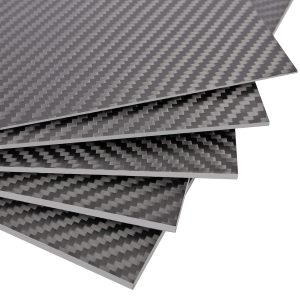
3K Carbon Fiber Sheet Plate
Price range: $15.98 through $92.98 This product has multiple variants. The options may be chosen on the product page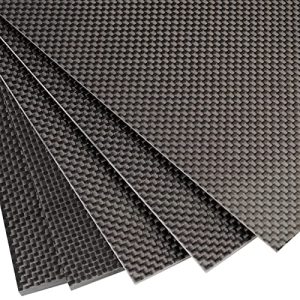
3K Carbon Fiber Laminate Plate Plain Weave Panel Sheet (Glossy Surface)
Price range: $48.98 through $199.98 This product has multiple variants. The options may be chosen on the product page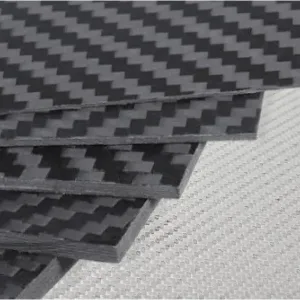
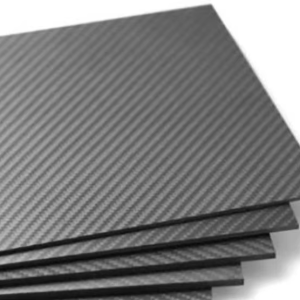
Carbon Fiber Economy Plate/Tooling Board 2×2 Twill .25″/6.35mm – Toughened
Price range: $128.23 through $1,226.83 This product has multiple variants. The options may be chosen on the product page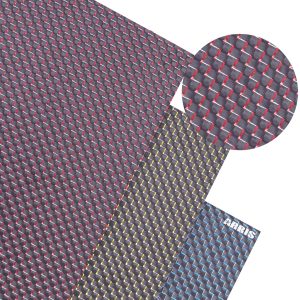
3K 3mm Thickness Colours Metallic Carbon Fibre Sheets
$42.98 This product has multiple variants. The options may be chosen on the product page
3K 2mm Thickness Colours Metallic Carbon Fibre Sheets
$32.98 This product has multiple variants. The options may be chosen on the product page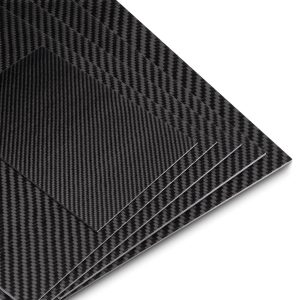
3K Twill Matte Carbon Fiber Sheets Plate
Price range: $7.99 through $148.99 This product has multiple variants. The options may be chosen on the product page
3K 1mm Thickness Colours Metallic Carbon Fibre Sheets
$22.98 This product has multiple variants. The options may be chosen on the product pageCarbon Fiber Sheets: Advanced Materials for Modern Engineering
Carbon fiber sheets represent one of the most significant advancements in modern materials science. These remarkable composite materials combine exceptional strength with incredibly light weight, making them increasingly essential across industries where performance is critical. From aerospace and automotive applications to sporting goods and medical devices, carbon fiber sheets are revolutionizing how we approach design and engineering challenges.

Key Properties and Advantages of Carbon Fiber Sheets
Carbon fiber sheets offer an impressive combination of properties that make them superior to traditional materials in many applications. Understanding these characteristics is essential for engineers and designers looking to leverage their full potential.
Exceptional Strength-to-Weight Ratio
Perhaps the most remarkable property of carbon fiber sheets is their incredible strength relative to their weight. Carbon fiber composites can be up to 5 times stronger than steel while weighing about 70% less. This exceptional strength-to-weight ratio makes them ideal for applications where minimizing weight while maintaining structural integrity is crucial.

Superior Stiffness and Rigidity
Carbon fiber sheets exhibit exceptional stiffness, maintaining their shape under stress. This high modulus of elasticity makes them ideal for applications requiring dimensional stability and resistance to deformation. The rigidity of carbon fiber can be tailored through different fiber orientations and weave patterns to meet specific performance requirements.

Corrosion and Chemical Resistance
Unlike many metals, carbon fiber sheets are inherently resistant to corrosion and many chemicals. This property extends their service life in harsh environments and reduces maintenance requirements. The inert nature of carbon fiber makes it suitable for applications in marine environments, chemical processing, and other challenging conditions.

Thermal Properties
Carbon fiber sheets offer excellent thermal stability with minimal expansion or contraction during temperature changes. This dimensional stability makes them ideal for precision applications. Additionally, certain carbon fiber composites can withstand temperatures exceeding 2000°F (1093°C), making them suitable for high-temperature environments.

Find the Perfect Carbon Fiber Sheet for Your Application
At Bulk Composites, we offer a comprehensive range of carbon fiber sheets with varying thicknesses, weave patterns, and modulus ratings to meet your specific requirements.
Explore Our SelectionCommon Applications Across Industries
The exceptional properties of carbon fiber sheets have led to their adoption across numerous industries. Their versatility allows engineers to solve complex design challenges and create innovative products with superior performance characteristics.
Aerospace

In aerospace applications, weight reduction is paramount. Carbon fiber sheets are used extensively in aircraft structures, including wings, fuselages, and interior components. Their high strength-to-weight ratio contributes to fuel efficiency, while their fatigue resistance ensures long-term reliability under the cyclic loading conditions typical in aviation.
Automotive

The automotive industry leverages carbon fiber sheets for body panels, chassis components, and interior elements in high-performance and luxury vehicles. The material’s lightweight properties improve acceleration, handling, and fuel economy, while its strength enhances safety and structural integrity. Carbon fiber’s aesthetic appeal also makes it popular for visible components.
Marine

Marine applications benefit from carbon fiber’s corrosion resistance and strength. The material is used in hull construction, decking, masts, and structural components for boats and ships. The weight reduction improves speed and fuel efficiency, while the material’s durability withstands the harsh marine environment.
Sports Equipment

Carbon fiber has revolutionized sports equipment design. From bicycle frames and tennis rackets to golf clubs and hockey sticks, the material’s lightweight strength improves performance while reducing athlete fatigue. The ability to engineer specific flex patterns allows for customized performance characteristics in different sporting applications.
Medical Devices

The medical field utilizes carbon fiber sheets in prosthetics, orthotics, and imaging equipment. The material’s radiolucency (transparency to X-rays) makes it ideal for tables and components in imaging systems. In prosthetics, the combination of strength, lightweight, and customizability improves patient mobility and comfort.
Industrial Applications

Industrial applications leverage carbon fiber’s properties for robotic components, machine parts, and structural elements. The material’s dimensional stability under varying temperatures and its vibration damping characteristics make it valuable in precision machinery and high-speed applications where traditional materials would fail.
Need Carbon Fiber Sheets for a Specific Application?
Our engineering team can help you select the optimal carbon fiber sheet specifications for your unique application requirements.
Contact Our ExpertsManufacturing Processes and Quality Standards
The performance of carbon fiber sheets depends significantly on their manufacturing process and adherence to quality standards. Understanding these aspects helps engineers and designers select products that meet their specific requirements.
Carbon Fiber Production Process

Carbon fiber sheets begin with the production of carbon fibers themselves, typically derived from polyacrylonitrile (PAN), rayon, or pitch precursors. These materials undergo a complex process of heating and oxidation to create high-strength carbon filaments. The resulting fibers are then woven into specific patterns or aligned unidirectionally to create the base material for carbon fiber sheets.
Common Weave Patterns
- Plain Weave: Balanced in both directions, offering good stability
- Twill Weave: More flexible with distinctive diagonal pattern
- Satin Weave: Smoother surface with excellent draping properties
- Unidirectional: All fibers aligned in one direction for maximum strength in that orientation
The choice of weave pattern significantly impacts the mechanical properties and appearance of the final carbon fiber sheet. At Bulk Composites, we offer a variety of weave patterns to suit different application requirements.
Composite Formation
Carbon fiber sheets are composite materials, combining carbon fibers with a matrix material (typically epoxy resin) that binds the fibers together and transfers loads between them. The manufacturing process involves several critical steps:
1. Prepreg Formation

Many high-performance carbon fiber sheets begin as “prepreg” (pre-impregnated) material, where the carbon fiber fabric is precisely impregnated with a carefully controlled amount of resin system.
2. Layup and Orientation

Multiple layers of carbon fiber material are arranged in specific orientations to achieve the desired mechanical properties. This “layup” determines the strength characteristics in different directions.
3. Curing Process

The layup is then cured under controlled temperature and pressure conditions, often in an autoclave, to create a solid, unified composite structure with optimal mechanical properties.
Quality Standards and Testing
High-quality carbon fiber sheets must meet rigorous standards and undergo extensive testing to ensure consistent performance. Key quality parameters include:
| Quality Parameter | Testing Method | Significance |
| Fiber Volume Content | ASTM D3171 | Determines strength and stiffness properties |
| Void Content | ASTM D2734 | Affects interlaminar shear strength and durability |
| Tensile Strength | ASTM D3039 | Measures maximum load-bearing capability |
| Flexural Properties | ASTM D790 | Indicates bending resistance |
| Interlaminar Shear Strength | ASTM D2344 | Evaluates bonding between layers |
At Bulk Composites, all our carbon fiber sheets undergo rigorous quality control testing to ensure they meet or exceed industry standards. This commitment to quality ensures consistent performance and reliability in your applications.
Premium Quality Carbon Fiber Sheets
Our carbon fiber sheets are manufactured to the highest quality standards, ensuring optimal performance for your critical applications.
Shop Quality Carbon FiberCarbon Fiber Sheets vs. Alternative Materials
When selecting materials for engineering applications, it’s essential to understand how carbon fiber sheets compare to traditional alternatives. This comparison helps engineers make informed decisions based on performance requirements, budget constraints, and application-specific needs.
| Property | Carbon Fiber | Aluminum | Steel | Fiberglass |
| Density (g/cm³) | 1.5 – 1.6 | 2.7 | 7.8 | 1.5 – 2.1 |
| Tensile Strength (MPa) | 3,500 – 7,000 | 310 – 580 | 400 – 2,000 | 1,200 – 1,800 |
| Elastic Modulus (GPa) | 230 – 830 | 69 | 200 | 30 – 45 |
| Corrosion Resistance | Excellent | Good | Poor to Moderate | Excellent |
| Thermal Expansion | Very Low | High | Moderate | Moderate |
| Electrical Conductivity | Conductive | Highly Conductive | Highly Conductive | Non-conductive |
| Relative Cost | High | Low | Very Low | Moderate |
Key Advantages Over Traditional Materials
Carbon Fiber vs. Aluminum

While aluminum is lightweight compared to steel, carbon fiber sheets offer approximately 2x the strength at 40% less weight than aluminum. This superior strength-to-weight ratio makes carbon fiber the preferred choice for applications where weight reduction is critical. Additionally, carbon fiber doesn’t suffer from metal fatigue and has superior vibration damping properties.
Carbon Fiber vs. Steel

Carbon fiber sheets offer up to 5x the strength of steel while weighing approximately 75% less. This dramatic weight reduction without sacrificing strength makes carbon fiber ideal for applications where steel’s weight would be prohibitive. Carbon fiber also offers superior corrosion resistance, eliminating the need for protective coatings or treatments.
Carbon Fiber vs. Fiberglass

While both are composite materials, carbon fiber offers significantly higher strength and stiffness than fiberglass. Carbon fiber sheets typically provide 2-3x the strength and up to 6x the stiffness of comparable fiberglass sheets. This makes carbon fiber superior for applications requiring maximum rigidity and strength, though fiberglass remains a cost-effective alternative for less demanding applications.
Cost-Benefit Analysis

While carbon fiber sheets typically have a higher initial cost than traditional materials, the total lifecycle cost often favors carbon fiber when considering factors such as weight savings (fuel efficiency in transportation applications), longer service life, reduced maintenance, and enhanced performance. For many high-performance applications, the premium price of carbon fiber is justified by its superior properties.
Not Sure Which Material Is Right for Your Project?
Our materials experts can help you compare options and select the optimal solution based on your specific requirements and budget constraints.
Request Expert ConsultationSelection Guide: Choosing the Right Carbon Fiber Sheet
Selecting the appropriate carbon fiber sheet for your application requires consideration of several key factors. This guide will help you navigate the options to find the optimal solution for your specific needs.
Fiber Type and Modulus

Carbon fibers are categorized by their tensile modulus (stiffness):
- Standard Modulus (230-240 GPa): General-purpose applications, good balance of properties and cost
- Intermediate Modulus (290-300 GPa): Higher performance with moderate cost increase
- High Modulus (350-450 GPa): Aerospace and specialized applications requiring maximum stiffness
- Ultra-High Modulus (>450 GPa): Extremely specialized applications where dimensional stability is critical
Weave Pattern and Orientation

The arrangement of carbon fibers significantly impacts performance:
- Plain Weave: Balanced properties in both directions, good stability
- Twill Weave: Better draping ability, slightly reduced crimp, distinctive appearance
- Satin Weave: Excellent draping, reduced crimp, smoother surface
- Unidirectional: Maximum strength in fiber direction, minimal transverse strength
- Quasi-isotropic Layup: Multiple layers in different orientations for balanced properties
Thickness and Dimensions

Available thicknesses typically range from 0.5mm to 10mm, with custom options available for specific requirements. Consider:
- Thin Sheets (0.5-1mm): Ideal for veneers, cosmetic applications, and lightweight components
- Medium Sheets (1-3mm): Balanced strength and weight for many structural applications
- Thick Sheets (3mm+): Maximum rigidity and strength for high-load applications
- Sheet Dimensions: Standard sizes vs. custom cuts for your specific project
Application-Specific Considerations
Structural Applications
- High modulus for maximum stiffness
- Quasi-isotropic layup for balanced loads
- Thicker sheets for load-bearing capacity
- Fatigue resistance for cyclic loading
- Consider thermal expansion compatibility
Aesthetic Applications
- Twill or plain weave for visual appeal
- Surface finish (matte or glossy)
- UV resistance for outdoor applications
- Thinner sheets for weight reduction
- Consider clear coating options
Specialized Environments
- Chemical resistance requirements
- Temperature exposure limits
- Electrical conductivity considerations
- Moisture absorption properties
- Regulatory compliance needs
Performance Requirements Analysis
| Performance Need | Recommended Carbon Fiber Type | Typical Applications |
| Maximum Strength | High-strength, intermediate modulus with optimized fiber orientation | Aerospace structures, high-performance automotive, load-bearing components |
| Maximum Stiffness | High or ultra-high modulus carbon fiber | Precision equipment, optical platforms, dimensional stability applications |
| Impact Resistance | Hybrid carbon/aramid or toughened resin systems | Protective equipment, ballistic panels, impact-prone structures |
| Vibration Damping | Specialized layups with damping layers | Audio equipment, precision machinery, sporting goods |
| Thermal Stability | High-temperature resin systems (bismaleimide, polyimide) | Engine components, high-temperature tooling, aerospace thermal protection |
Find the Perfect Carbon Fiber Sheet for Your Project
Browse our extensive selection of carbon fiber sheets with detailed specifications to match your exact requirements.
Shop Carbon Fiber SheetsInstallation and Maintenance Considerations
Proper handling, installation, and maintenance of carbon fiber sheets are essential to maximize their performance and longevity. Following these guidelines will help ensure successful implementation in your projects.
Handling and Cutting

Carbon fiber sheets require special handling and cutting techniques to maintain their integrity and prevent health hazards:
- Safety Precautions: Always wear appropriate PPE including respiratory protection, as carbon fiber dust can be hazardous
- Cutting Methods: Use specialized carbon fiber cutting tools with diamond or carbide edges
- Dust Control: Implement proper dust collection systems to capture airborne particles
- Edge Finishing: Seal cut edges to prevent delamination and fiber exposure
Bonding and Fastening

Joining carbon fiber sheets requires consideration of their unique properties:
- Adhesive Selection: Use epoxy-based adhesives specifically formulated for carbon fiber
- Surface Preparation: Properly prepare surfaces through light abrasion and cleaning
- Mechanical Fastening: Use appropriate bushings to prevent crushing and galvanic corrosion
- Load Distribution: Design joints to distribute loads evenly and avoid stress concentrations
Maintenance and Care
While carbon fiber sheets are highly durable, proper maintenance will extend their service life and maintain their appearance:
Cleaning and Protection
- Clean with mild soap and water; avoid harsh chemicals that may damage the resin matrix
- For aesthetic applications, apply UV-protective clear coat to prevent yellowing
- Inspect regularly for signs of damage, particularly around edges and fastening points
- Store flat to prevent warping, away from extreme temperatures and direct sunlight
Damage Assessment and Repair
- Minor surface scratches can be polished out with specialized carbon fiber polish
- Deeper damage may require professional repair with compatible resin systems
- Structural damage should be evaluated by a composite materials specialist
- Consider the critical nature of the application when determining repair vs. replacement
“Proper installation and maintenance of carbon fiber components is essential to realize their full performance potential and longevity. While carbon fiber is exceptionally durable, attention to detail during installation and regular maintenance will ensure optimal results.”
Need Technical Support for Your Carbon Fiber Project?
Our technical team can provide guidance on cutting, installation, and maintenance of carbon fiber sheets for your specific application.
Get Technical SupportFuture Trends in Carbon Fiber Technology
The carbon fiber industry continues to evolve rapidly, with ongoing innovations addressing current limitations and opening new possibilities. Understanding these trends helps forward-thinking engineers and designers anticipate future capabilities.
Cost Reduction Initiatives

The high cost of carbon fiber has historically limited its adoption in mass-market applications. Several promising developments are addressing this challenge:
- Alternative precursor materials reducing raw material costs
- Streamlined manufacturing processes with reduced energy consumption
- Automated production techniques minimizing labor costs
- Recycling technologies creating more sustainable and affordable options
Advanced Composite Systems

Beyond traditional carbon fiber sheets, new composite systems are expanding capabilities:
- Hybrid composites combining carbon fiber with other materials for optimized properties
- Thermoplastic carbon fiber composites offering improved impact resistance and recyclability
- Nano-enhanced carbon fiber with carbon nanotubes for superior mechanical properties
- Multifunctional composites with integrated sensing, heating, or energy storage capabilities
Sustainability Improvements

Environmental considerations are driving significant innovations in carbon fiber technology:
- Bio-based precursors reducing petroleum dependence
- Recycling technologies recovering carbon fiber from end-of-life products
- Reduced energy manufacturing processes lowering carbon footprint
- Design for disassembly enabling better material recovery
Emerging Applications
As carbon fiber technology advances and costs decrease, new applications are becoming economically viable:
Infrastructure and Construction

Carbon fiber is increasingly being used for infrastructure reinforcement and repair. Its corrosion resistance and high strength make it ideal for extending the life of bridges, buildings, and other structures. New construction techniques are incorporating carbon fiber elements for lightweight, durable structures with longer service lives and reduced maintenance requirements.
Energy Sector

The renewable energy sector is leveraging carbon fiber’s properties for larger wind turbine blades, pressure vessels for hydrogen storage, and lightweight components for solar installations. These applications benefit from carbon fiber’s exceptional strength-to-weight ratio, fatigue resistance, and dimensional stability under varying environmental conditions.
Industry Forecast: The global carbon fiber market is projected to grow at a CAGR of 10-12% over the next decade, driven by increasing adoption in automotive, aerospace, and renewable energy applications. Cost reduction initiatives and sustainability improvements are expected to accelerate this growth by expanding carbon fiber use in mass-market applications.
Stay at the Forefront of Carbon Fiber Technology
Partner with Bulk Composites for access to the latest advancements in carbon fiber materials and applications.
Contact Us TodayConclusion: Harnessing the Power of Carbon Fiber Sheets
Carbon fiber sheets represent a remarkable engineering material that continues to transform industries through their exceptional combination of lightweight strength, durability, and versatility. As we’ve explored throughout this article, these advanced composites offer significant advantages over traditional materials in numerous applications, from aerospace and automotive to sporting goods and medical devices.
While the initial cost of carbon fiber sheets may be higher than conventional materials, the performance benefits and long-term value often justify the investment for applications where weight reduction, strength, and durability are critical factors. As manufacturing technologies advance and economies of scale improve, carbon fiber is becoming increasingly accessible for a wider range of applications.
At Bulk Composites, we offer a comprehensive selection of high-quality carbon fiber sheets in various thicknesses, weave patterns, and modulus ratings to meet your specific project requirements. Our team of composite materials experts is available to provide guidance on material selection, technical specifications, and application considerations to ensure your project’s success.
Ready to Elevate Your Next Project with Carbon Fiber?
Explore our extensive selection of premium carbon fiber sheets or contact our team for personalized assistance with your specific requirements.