
Fiberglass Fabric: Must-Have Benefits for Modern Industries
Fiberglass fabric has become an essential material across various modern industries, thanks to its unique properties and versatility. This innovative fabric is renowned for its strength, durability, and lightweight characteristics, making it an ideal choice for applications ranging from aerospace to construction.
Understanding the outstanding benefits of fiberglass fabric is crucial for industries looking to enhance their products and processes. In this article, we will explore the advantages of fiberglass composites and how they have transformed manufacturing and construction practices. We will also highlight various applications of fiberglass fabric and discuss the reasons why it continues to be a preferred choice in multiple sectors.

What is Fiberglass Fabric?
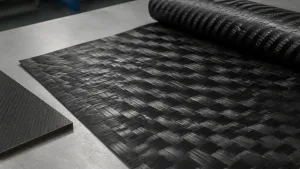
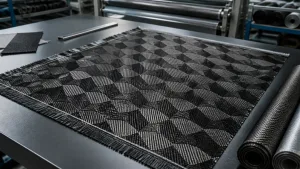
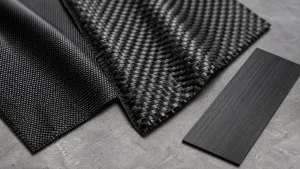
Fiberglass fabric consists of woven strands of glass fiber, which are made from molten glass that is drawn into thin fibers. Once woven, these strands create a fabric-like material that can be used alone or combined with resin to form fiberglass composites. The result is a robust, lightweight material characterized by excellent mechanical properties—ideal for high-performance applications.
The Composition of Fiberglass Fabric
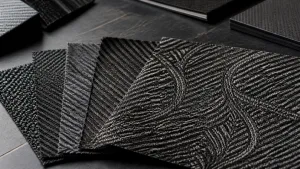
The primary constituent of fiberglass fabric is silica, a readily available natural material. Fiberglass can be produced in varying thicknesses and weaves, allowing for customization based on the specific application. Common types include plain weave, satin weave, and twill weave, each offering unique performance attributes.

Benefits of Fiberglass Fabric
1. Exceptional Strength-to-Weight Ratio
One of the most significant advantages of fiberglass fabric is its impressive strength-to-weight ratio. This characteristic is particularly beneficial in industries that require materials that can withstand heavy loads without adding excess weight, such as aerospace and automotive manufacturing. When used in composites, fiberglass provides superior structural integrity compared to traditional materials like aluminum and steel.
2. Corrosion Resistance
Fiberglass fabric exhibits excellent corrosion resistance, making it an ideal choice for applications in harsh environments or where exposure to chemicals is likely. This resistance contributes to the longevity and durability of fiberglass composites in environments such as marine applications, chemical storage, and wastewater treatment facilities.

3. Excellent Fabric Performance
The performance of fiberglass fabric extends beyond just strength and durability. It has excellent thermal and electrical insulation properties, making it useful for applications such as electrical enclosures and thermal blankets. Moreover, fiberglass does not absorb moisture, preventing degradation and enhancing the longevity of products manufactured with this material.
4. Cost-Effectiveness
While the initial investment in fiberglass composites may be higher than some traditional materials, the long-term savings can be substantial. The durability and reduced maintenance requirements associated with fiberglass fabric result in lower overall lifecycle costs. Additionally, the lightweight nature of fiberglass can lead to lower transportation costs, ultimately benefiting manufacturing budgets.
5. Customizability
Fiberglass fabric can be tailored to meet specific requirements through various weaving techniques, fiber types, and resin formulations. This customization ability allows manufacturers to experiment and innovate, creating tailored solutions that meet the unique needs of specific industries and applications.
Applications of Fiberglass Fabric
1. Aerospace Industry
The aerospace sector has seen a significant increase in the use of fiberglass composites due to their strength-to-weight ratio and resistance to environmental conditions. Aircraft components such as wing structures, fuselage panels, and interior parts benefit immensely from incorporating fiberglass fabric, resulting in improved fuel efficiency and performance.
2. Automotive Manufacturing
In automotive design and manufacturing, fiberglass fabric is an essential component of composite materials used in the production of body panels, hoods, and underbody shields. The lightweight nature of fiberglass composites plays a pivotal role in enhancing vehicle performance while also contributing to greater fuel efficiency.
3. Construction and Architecture
In the construction industry, fiberglass fabric is frequently used for roofing materials, architectural elements, and insulation. Its resistance to corrosion and moisture makes it an ideal choice for structures exposed to such elements. Additionally, the ease of handling and installation make fiberglass fabric popular among contractors.
4. Marine Applications
The marine industry utilizes fiberglass fabric extensively to construct boats, yachts, and other watercraft. Fiberglass composites provide excellent resistance to the corrosive effects of saltwater, making them a reliable choice for boat hulls and decks. Their lightweight nature enhances boat performance and fuel efficiency, crucial for competitive sailing and recreational boating.
5. Sports and Recreation
Fiberglass fabric’s unique properties make it ideal for manufacturing sports equipment, including surfboards, bicycles, and ski gear. The strength and lightweight characteristics of fiberglass allow for improved performance and maneuverability in various sporting activities, providing enthusiasts with equipment that enhances their experience.
Understanding Fiberglass Strength
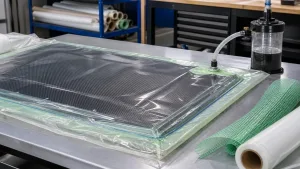
The impressive strength of fiberglass is attributed to the unique composition and manufacturing processes involved. While fiberglass fabric alone is strong, combining it with additives like epoxy or polyester resin significantly enhances its properties, resulting in a fiberglass composite with exceptional tensile strength and flexural rigidity.
How Strength is Measured
Fiberglass strength is measured using various testing methods, including tensile strength tests, flexural strength tests, and impact resistance tests. These metrics help manufacturers determine the viability of fiberglass fabric for specific applications and ensure that the final product meets the required safety and performance standards.
Future Trends in Fiberglass Fabric Use
As industries continue to emphasize sustainability and performance enhancement, the demand for fiberglass fabric is expected to grow. Innovations in production techniques, eco-friendly resins, and recycling processes for fiberglass composites are areas of active research and development.
Sustainable Practices in Fiberglass Production
Environmental considerations are increasingly influencing the choice of materials across various industries. Manufacturers are exploring ways to produce fiberglass fabric using environmentally friendly practices, including reducing waste during the production process and utilizing bio-based resins. The push for sustainability will drive innovation, making fiberglass even more appealing in the future.
Conclusion
Fiberglass fabric offers numerous benefits that make it indispensable in modern industries. Its exceptional strength-to-weight ratio, corrosion resistance, and customizability make fiberglass composites a preferred choice for manufacturers seeking superior performance in their products. As industries evolve and demand more innovative solutions, the continued development and application of fiberglass fabric will play a pivotal role in shaping the materials landscape. The combination of enhanced performance and sustainable practices positions fiberglass fabric as a must-have material for the future, reinforcing its significance across various sectors.


Add comment