
Introduction: The B2B Dilemma in Composite Selection
In the competitive landscape of composite manufacturing, selecting the right raw material is a strategic decision that impacts both structural integrity and the bottom line. For B2B buyers—ranging from automotive component manufacturers to aerospace startups—the choice between 3K, 12K, and T700 grade materials is often a trade-off between aesthetic requirements, production speed, and mechanical performance.
At BulkComposites, we specialize in bridge-to-factory supply, ensuring that your wholesale procurement is backed by technical precision. This guide breaks down the critical differences to help you optimize your next bulk order.
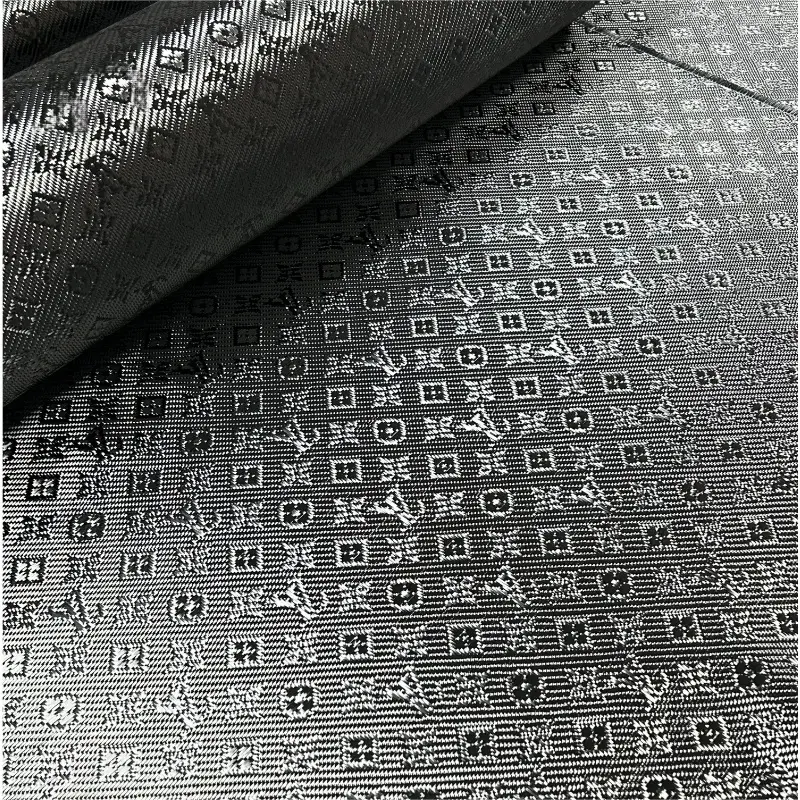
1. 3K Carbon Fiber: The “Gold Standard” for Versatility
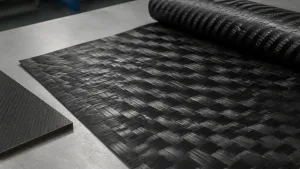
3K carbon fiber, featuring 3,000 filaments per tow, is the most widely used specification in the world. It is the “workhorse” for automotive tuning, high-end sporting goods, and aesthetic parts.
Key Advantages for Manufacturers:
- Exceptional Drapability: 3K fabrics conform easily to complex molds (like mirror caps or helmets) without wrinkling.
- Classic Aesthetic: It provides the signature “carbon look” that consumers demand in the high-end market.
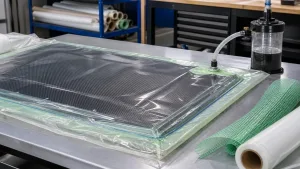
- Processing Ease: Compatible with hand lay-up and vacuum infusion alike.
2. 12K Carbon Fiber: Efficiency and Structural Bulk
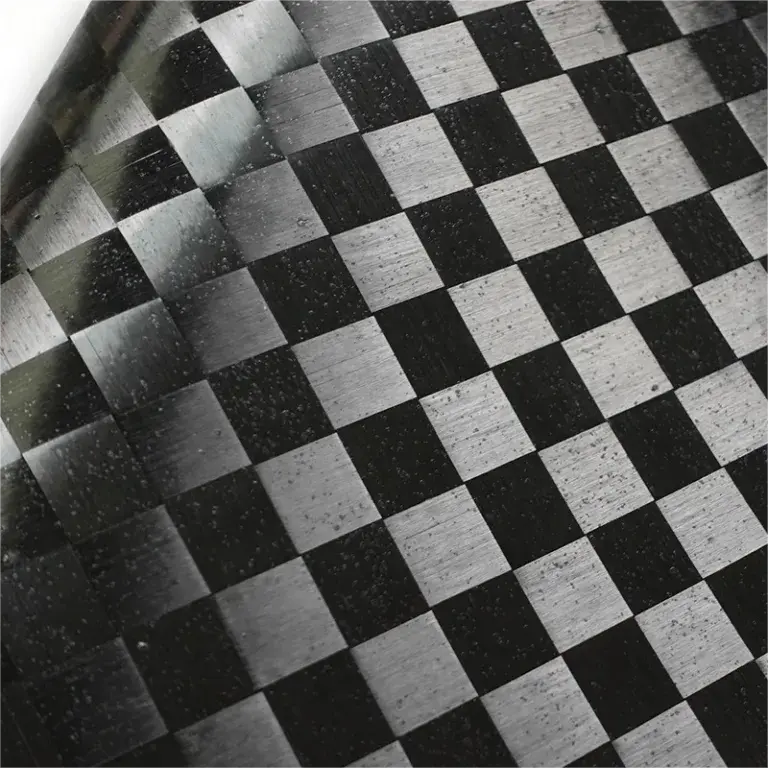
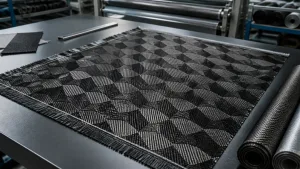
When the project scale increases—such as marine hulls or large industrial reinforcements—12K carbon fiber (12,000 filaments per tow) becomes the more efficient choice.
Why B2B Buyers Choose 12K:
- Rapid Thickness Buildup: Because the tows are larger, you can achieve the required laminate thickness with fewer layers, significantly reducing labor hours.
- Cost-Efficiency: On a per-gram basis, 12K fibers are generally more affordable than 1K or 3K, making them ideal for structural layers that aren’t visible.
- Resin Flow: The larger tow structure often facilitates faster resin travel during vacuum infusion.
3. T700 Grade: The Performance Upgrade
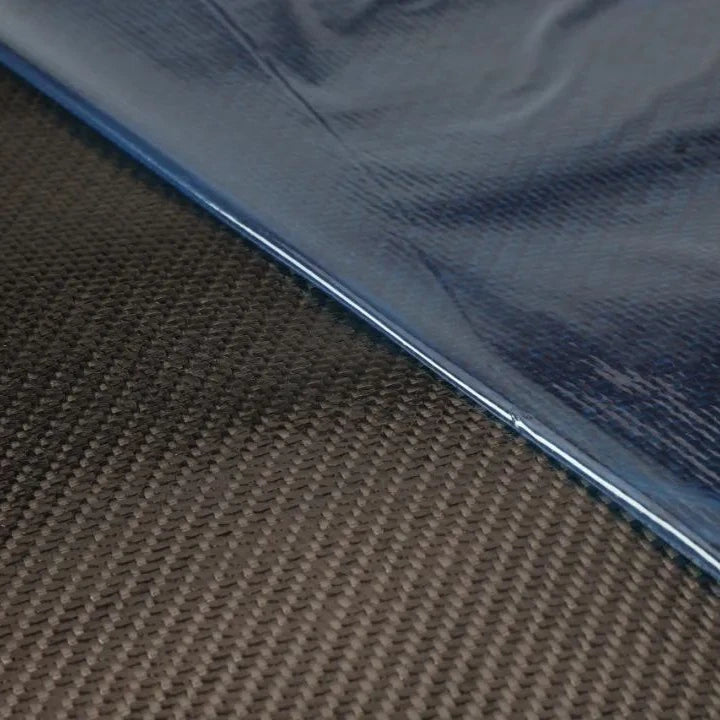
While 3K and 12K refer to the quantity of fibers, T700 refers to the quality and strength of the fiber itself. Produced primarily by industry leaders like Toray, T700 is a “High Strength” standard modulus fiber.
T700 vs. T300: The B2B Impact
- Strength: T700 offers a tensile strength of ~4,900 MPa, compared to ~3,530 MPa for the standard T300.
- Weight Saving: Because T700 is stronger, you can often use thinner laminates to achieve the same structural safety factor, reducing the final part weight by 10-15%.
- Prepreg Excellence: Most aerospace-grade prepregs use T700 or higher to ensure mission-critical reliability.
4. B2B Selection Matrix: Which One Should You Buy in Bulk?
| Project Type | Recommended Spec | Primary Reason |
|---|---|---|
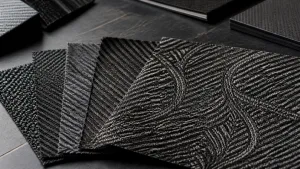
| Automotive Aesthetic Parts | 3K 2×2 Twill | Superior drapability and visual finish. |
| Large Industrial Structures | 12K Spread Tow | Fast layup and cost per square meter. |
| Critical Aerospace/Racing | T700 Prepreg | Maximum tensile strength and weight control. |
| DIY / Consumer Retail | 3K Plain/Twill | Versatility across various resin systems. |
Technical FAQ for Wholesale Buyers
Q: Can I mix 3K and 12K in the same laminate?
A: Yes. Many manufacturers use 12K for the internal “bulk” layers to save time and cost, while using a 3K surface layer for the final aesthetic finish.
Q: Does T700 require special resins?
A: While T700 is compatible with standard epoxies, we recommend high-performance resin systems for vacuum infusion or prepreg to fully utilize its 4,900 MPa tensile strength.
Q: What are the MOQ requirements for bulk pricing?
A: At BulkComposites, we offer tiered pricing starting at 5m, with significant wholesale discounts for orders exceeding 50m.
Conclusion: Optimizing Your Supply Chain
Choosing between 3K, 12K, and T700 is a balancing act between visuals, labor efficiency, and mechanical limits.
Ready to get a custom quote? Contact our technical sales team at service@bulkcomposites.com or WhatsApp us at +86 181 4876 2750 for batch-tested materials delivered globally.

Add comment