
- Understanding Carbon Fiber Sheets
- Why Choose Carbon Fiber Sheets?
- Applications of Carbon Fiber Sheets
- Aerospace Industry
- Automotive Engineering
- Sports Equipment
- Industrial Applications
- Types of Carbon Fiber Sheets
- Prepreg Carbon Fiber Sheets
- Standard Laminated Sheets
- Solid Carbon Fiber Sheets
- Hollow Carbon Fiber Sheets
- Buying Carbon Fiber Sheets: What to Consider
- Thickness
- Weave Patterns
- Surface Finish
- Quality and Source
- Working with Carbon Fiber Sheets
- Safety Precautions
- Cutting Carbon Fiber
- Adhesives and Bonding
- Finishing Edges
- Conclusion
Carbon Fiber Sheets: Must-Have Options for Ultimate Strength
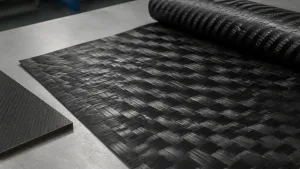
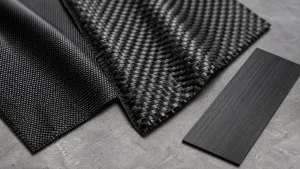
Carbon fiber sheets have garnered immense popularity in various industries due to their unparalleled strength and versatility. These sheets are made from thin strands of carbon fiber, woven together to create a lightweight yet incredibly tough material. From aerospace to automotive applications, the benefits offered by carbon fiber sheets make them a must-have choice for both professionals and DIY enthusiasts.
Understanding Carbon Fiber Sheets
Carbon fiber sheets are composed of long, thin strands of carbon atoms that are bonded together in a crystalline structure. This unique arrangement gives carbon fiber its impressive properties, including high tensile strength, low weight, and excellent resistance to temperature and fatigue. Unlike traditional materials like steel and aluminum, carbon fiber provides a higher strength-to-weight ratio, making it ideal for applications where reducing weight is critical without compromising performance.
Why Choose Carbon Fiber Sheets?
1. Superior Strength-to-Weight Ratio
One of the most compelling reasons to use carbon fiber sheets is their impressive strength-to-weight ratio. This means that carbon fiber is exceptionally strong while being significantly lighter than metals such as aluminum or steel. This property is particularly beneficial in industries like aerospace and motorsports, where every ounce counts.
2. Resistance to Corrosion and Chemical Damage
Carbon fiber sheets are inherently resistant to corrosion and chemical damage. This makes them an excellent choice for marine applications and environments that expose materials to harsh chemicals.
3. Thermal Stability
Another noteworthy advantage of carbon fiber sheets is their ability to withstand extreme temperatures. They maintain structural integrity and performance in high-temperature conditions, making them ideal for applications in aerospace and automotive sectors.
4. Aesthetic Appeal
Beyond performance, carbon fiber sheets offer a visually striking appearance. The characteristic weave pattern of carbon fiber can be an attractive feature in consumer products such as sports equipment and luxury vehicles.
Applications of Carbon Fiber Sheets
Carbon fiber sheets have a diverse array of applications across different sectors. Below are some key areas where these sheets shine.
Aerospace Industry
In the aerospace sector, reducing weight while maintaining strength is paramount. Carbon fiber sheets are extensively used in the manufacturing of fuselages, wings, and other structural components. The aerospace industry relies on carbon fiber for superior performance, especially in aircraft where fuel efficiency and performance are critical.
Automotive Engineering
The automotive industry has embraced carbon fiber sheets in recent years, particularly in high-performance vehicles. With the push towards electric vehicles (EVs), manufacturers are focusing on lightweight materials to extend battery range and enhance overall performance. Carbon fiber components can be found in everything from supercars to race cars, contributing to improved aerodynamics and speed.
Sports Equipment
In sports equipment, carbon fiber sheets offer unmatched performance advantages. Golf clubs, bicycles, and tennis rackets made with carbon fiber benefit from lower weight and increased strength, enabling athletes to perform better. The reduced vibration and enhanced control associated with carbon fiber also appeal to many professional and amateur athletes alike.
Industrial Applications
In various industrial applications, carbon fiber sheets are used in tooling, molds, and fixtures. Their durability and lightweight properties make them perfect for creating custom tools and parts that demand high precision and strength.
Types of Carbon Fiber Sheets
When considering carbon fiber sheets, it is essential to understand that there are different types available, each suited for specific applications. Below are some common options:
Prepreg Carbon Fiber Sheets
Prepreg (pre-impregnated) carbon fiber sheets are made with resin already infused into the carbon fiber fabric. This means that they are ready to be molded and cured, providing excellent quality control. Prepreg sheets are often preferred for high-performance applications due to their superior strength and consistency.
Standard Laminated Sheets
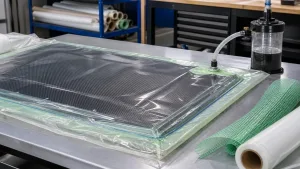
Standard laminated carbon fiber sheets are created by layering carbon fiber fabric and applying an epoxy resin before curing. These sheets can be customized in terms of thickness and finish, making them versatile for various applications. However, they may not offer the same level of performance as prepreg sheets.
Solid Carbon Fiber Sheets
Solid carbon fiber sheets are formed without the use of a fabric layer. They offer maximum strength and stiffness, making them suitable for applications requiring high-impact resistance. However, they are typically heavier and more expensive compared to laminated options.
Hollow Carbon Fiber Sheets
Hollow carbon fiber sheets are designed to be lightweight while still maintaining structural integrity. These sheets are often used in applications where weight reduction is critical, such as in drone manufacturing or lightweight vehicle parts.
Buying Carbon Fiber Sheets: What to Consider
When purchasing carbon fiber sheets, consider the following factors to ensure you make the right choice for your needs.
Thickness
The thickness of the sheet can significantly affect its properties. Thicker sheets typically offer greater strength and durability, while thinner sheets may be more flexible and easier to cut. Assessing the requirements of your specific application will help you choose the right thickness.
Weave Patterns
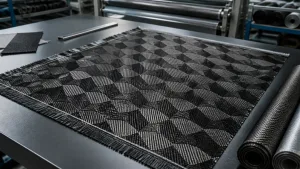
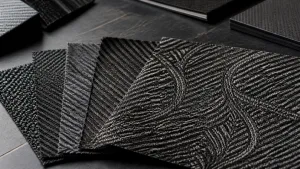
Carbon fiber sheets come in various weave patterns, such as twill and plain weave. The chosen pattern can impact both the aesthetic and performance characteristics of the sheet. Twill weaves tend to be more flexible, while plain weaves are more rigid.
Surface Finish
Surface finish can either be glossy or matte. While a glossy finish may be aesthetically pleasing, it is essential to consider how the surface finish may affect adhesion when bonding the sheets to other materials.
Quality and Source
Not all carbon fiber sheets are created equal. Look for reputable manufacturers who use high-quality materials and rigorous manufacturing processes. Checking reviews and customer testimonials can provide valuable insights into the quality of the product.
Working with Carbon Fiber Sheets
While working with carbon fiber sheets can be rewarding, it comes with its challenges. Here are some tips for working effectively with these materials:
Safety Precautions
When cutting or grinding carbon fiber sheets, it’s essential to take safety precautions. The dust created during these processes can be harmful when inhaled. Always wear a proper respirator and safety goggles, and work in a well-ventilated area.
Cutting Carbon Fiber
Using the right tools is crucial for cutting carbon fiber sheets effectively. A diamond-tipped blade or a fine-toothed saw is recommended for clean cuts. Avoid using standard tools, as they may splinter the carbon fiber or create rough edges.
Adhesives and Bonding
For applications that require bonding carbon fiber sheets to other materials, it’s essential to select an appropriate adhesive. Epoxy resin is often the preferred choice due to its strong bonding capabilities and compatibility with carbon fiber.
Finishing Edges
When working with carbon fiber sheets, consider finishing the edges after cutting. Sanding the edges can remove rough spots and improve the overall appearance of your project.
Conclusion
In conclusion, carbon fiber sheets are a remarkable material that offers numerous benefits, including superior strength, lightweight properties, and resilience to environmental factors. Their diverse applications in industries from aerospace to sports equipment underscore their versatility and importance in modern engineering.
By understanding the different types of carbon fiber sheets and considering key factors when purchasing, you can make informed decisions that cater to your specific needs. Whether you’re an industry professional or a DIY enthusiast, integrating carbon fiber sheets into your projects can significantly enhance performance and longevity. As technology advances and the manufacturing processes become more refined, the future of carbon fiber is bound to see an even broader utilization across various fields, solidifying its status as a must-have option for ultimate strength.

Add comment