
- How Strong Is Carbon Fiber Sheet? Discover Its Stunning Strength!
- What Is Carbon Fiber?
- The Strength of Carbon Fiber Sheets
- Comparing Strength to Traditional Materials
- Factors Influencing Strength
- Advantages of Carbon Fiber Sheets
- Lightweight Properties
- Corrosion and Chemical Resistance
- Customizability
- Applications of Carbon Fiber Sheets
- Aerospace Industry
- Automotive Sector
- Sporting Goods
- Construction
- Limitations of Carbon Fiber Sheets
- Cost
- Brittleness
- Processing Difficulties
- The Future of Carbon Fiber
- Advancements in Technology
- Sustainability Innovations
- Expanding Applications
- Conclusion: Embracing the Strength of Carbon Fiber
How Strong Is Carbon Fiber Sheet? Discover Its Stunning Strength!
How strong is carbon fiber sheet? This question has become increasingly prevalent in various industries, from automotive to aerospace, as carbon fiber continues to gain attention for its exceptional properties. Engineers, manufacturers, and even hobbyists are turning to this innovative material for its combination of lightweight and high tensile strength. In this article, we will delve into the composition, properties, applications, and advantages of carbon fiber sheets, shedding light on why this material has become a go-to solution for many modern engineering challenges.
What Is Carbon Fiber?
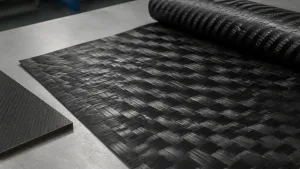
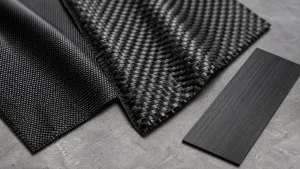
Before we explore strength specifics, it’s essential to understand what carbon fiber is. Carbon fiber is made from strands of carbon atoms that are tightly bonded together in a crystalline formation, which gives the material its remarkable properties. Filaments are typically woven into a fabric, combined with a resin, and then cured to form a composite material.
The result is a strong, lightweight substance that is not only resistant to rust and corrosion but also has an excellent strength-to-weight ratio. This property makes carbon fiber sheets ideal for applications where both weight and stability are critical.
The Strength of Carbon Fiber Sheets
Comparing Strength to Traditional Materials
When asking how strong is carbon fiber sheet, it’s helpful to compare its strength to traditional materials. For example, carbon fiber can boast a tensile strength of approximately 400,000 psi (pounds per square inch), which is significantly higher than aluminum (about 70,000 psi) and even steel (approximately 250,000 psi). This means that carbon fiber is not only strong but also lightweight, making it an attractive option for a variety of applications.
Tensile Strength: This refers to the maximum amount of tensile (pulling) stress a material can withstand without breaking. Carbon fiber demonstrates remarkable resistance to tensile forces compared to many other materials.
Compression Strength: While tensile strength is critical, compressive strength, which indicates a material’s ability to resist being pressed, is equally vital. Carbon fiber also excels in this aspect, adding to its versatility.
Factors Influencing Strength
The overall strength of a carbon fiber sheet can be influenced by several factors, including:
1. Fiber Orientation: The arrangement of the fibers within the laminate can dramatically impact strength. Carbon fibers can be laid out in various orientations to enhance performance under specific loads.
2. Resin Type: The type of resin used in conjunction with the carbon fibers can affect final properties. Epoxy resins are commonly used because of their superior bonding and mechanical properties.
3. Layer Count: The number of layers or plies in the composite can increase its strength. More layers can distribute load better and provide additional tensile strength.
Advantages of Carbon Fiber Sheets
Lightweight Properties
One of the most significant advantages of carbon fiber sheets is their lightweight characteristic. This can lead to reduced fuel consumption in transportation applications and lower production costs over time. As a result, industries like automotive and aerospace are taking a closer look at utilizing carbon fiber for components that require exceptional strength without the added weight.
Corrosion and Chemical Resistance
Unlike metals, carbon fiber sheets do not rust. They are also highly resistant to various chemicals, making them suitable for applications in harsh environments. This property extends the lifespan of components and reduces maintenance needs in industrial applications.
Customizability
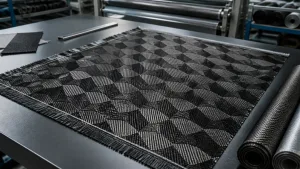
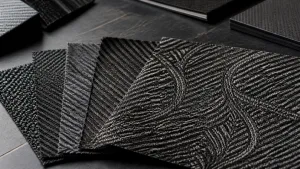
Carbon fiber can be tailored to meet specific requirements. Different weave patterns and resin types can be utilized to engineer a sheet with particular performance capabilities. The versatility of carbon fiber makes it an excellent choice for various applications, from delicate components in electronics to rigid frames in vehicles.
Applications of Carbon Fiber Sheets
Aerospace Industry
In the aerospace sector, every gram counts. Carbon fiber sheets are used to manufacture lightweight yet strong components such as wings, fuselage sections, and landing gear. These components contribute to the overall efficiency of aircraft, improving fuel economy and performance.
Automotive Sector
The automotive industry is increasingly adopting carbon fiber sheets for high-performance vehicles. Components like body panels, chassis elements, and interiors benefit from carbon fiber’s strength, leading to faster, lighter vehicles without sacrificing safety.
Sporting Goods
From bicycles to tennis rackets, carbon fiber sports equipment takes advantage of its lightweight nature and strength. Athletes gain an edge with gear that enhances performance while providing durability over time.
Construction
Carbon fiber sheets are also making a mark in the construction industry. They are used for reinforcing structures, adding strength without adding significant weight. This application is crucial in seismic zones where buildings must withstand tremendous lateral forces.
Limitations of Carbon Fiber Sheets
While carbon fiber sheets offer many advantages, there are also limitations to consider:
Cost
The manufacturing process for carbon fiber is more expensive than traditional materials like aluminum and steel. This higher cost can be a barrier for some industries, although prices have been gradually decreasing as technology advances.
Brittleness
Although carbon fiber shows high tensile strength, it can be more brittle compared to metals. This means that while it won’t bend easily, it can fracture under certain types of stress, specifically impact stress.
Processing Difficulties
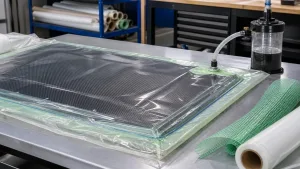
Working with carbon fiber requires specialized knowledge and equipment. The curing process and materials involved can be challenging, requiring skilled labor and quality control to ensure performance standards are met.
The Future of Carbon Fiber
Advancements in Technology
As technology continues to evolve, new methods for producing and processing carbon fiber are being developed. Innovations in automation, manufacturing techniques, and material science may lower production costs and reduce the barriers associated with its use.
Sustainability Innovations
Due to growing environmental concerns, the development of sustainable alternatives for carbon fiber production is a hot topic. Researchers are exploring bio-based resins and recycling opportunities to create a cycle that can make carbon fiber a more environmentally friendly choice.
Expanding Applications
The applications for carbon fiber sheets are expected to expand further as industries recognize its benefits. Emerging fields, such as wearable technology and advanced robotics, are exploring ways to utilize this remarkable material, potentially revolutionizing products and performance.
Conclusion: Embracing the Strength of Carbon Fiber
In conclusion, when we ask how strong carbon fiber sheet is, it becomes clear that it is a material that delivers exceptional performance across many facets. Its lightweight, corrosion resistance, and customization options make it a fantastic choice for a multitude of applications. While challenges such as cost and processing exist, ongoing advancements promise to make this material even more accessible in the future. Whether you’re an engineer, designer, or hobbyist, understanding the capabilities and potential of carbon fiber can lead to innovative solutions and improved designs that maximize performance and efficiency.

Add comment