
- Understanding Composites
- What Are Composites?
- The Advantages of Using Composites
- The Process of Bulk Sourcing Composites
- Identifying Your Needs
- Researching Suppliers
- Evaluating Supplier Capabilities
- Price Negotiation
- Key Considerations When Sourcing Composites
- Quality Control
- Sustainability Factors
- Supply Chain Logistics
- Conclusion: Maximizing the Benefits of Bulk Sourcing Composites
- Exploring Further: Case Studies and Success Stories
- Case Study: Small Manufacturer Utilizing Carbon Fiber
- Case Study: A Shift to Sustainable Composites
- Best Practices for Future Sourcing
Bulk Sourcing Composites: Must-Have for Small Manufacturers
Bulk sourcing composites is an integral component of efficient production for small manufacturers. In a competitive landscape, understanding the dynamics of composite materials can significantly enhance product offerings, reduce costs, and improve overall efficiency. Composites, which are typically made from two or more constituent materials, offer unique advantages such as strength, lightweight characteristics, and durability, making them highly desirable for various industries. This article will delve into the essentials of bulk sourcing composites, exploring their benefits, the process involved, and key considerations for small manufacturers aiming to incorporate these materials into their operations.
Understanding Composites
What Are Composites?
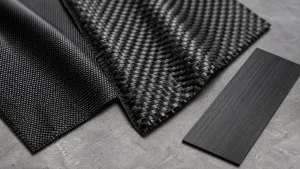
Composites are engineered materials made by combining two or more distinct substances. The resulting material has superior properties compared to the individual components. Common types of composites include:
1. Fiberglass: Made from glass fibers and resin, it’s widely used in automotive and construction applications.
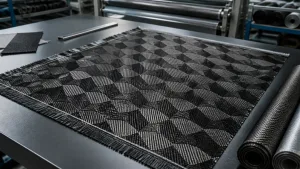
2. Carbon Fiber: Known for its high strength-to-weight ratio, used extensively in aerospace and sporting equipment.
3. Aramid Fiber (e.g., Kevlar): Renowned for its impact resistance, commonly used in protective gear and military applications.
The Advantages of Using Composites
Understanding the advantages of composites is essential for small manufacturers looking to gain a competitive edge. Some of the key benefits include:
– Lightweight: Reducing overall weight without compromising strength, which can lead to improved energy efficiency.
– Corrosion Resistance: Many composites resist environmental degradation, making them suitable for harsh conditions.
– Design Flexibility: Composites can be molded into complex shapes, allowing for innovative product designs.
– Cost-Effectiveness: Although initial materials may be more expensive, the long-term benefits often outweigh upfront costs.
The Process of Bulk Sourcing Composites
Identifying Your Needs
Before diving into bulk sourcing, small manufacturers must clearly understand their material requirements. Key factors to assess include:
– Type of Composite: Determine which composite suits your product needs based on strength, weight, and specific use cases.
– Volume Required: Estimate how much material you will need based on production goals, taking into consideration lead times and inventory levels.
– Budget Constraints: Outline a budget, factoring in not only the cost of materials but also shipping and any additional logistics.
Researching Suppliers
An important step in sourcing composites is identifying reliable suppliers. Here are key methods to explore:
1. Industry Directories: Utilize online directories that list suppliers based on product offerings and location.
2. Trade Shows: Attend relevant trade shows to connect with manufacturers and distributors face-to-face.
3. Networking: Leverage industry connections to seek recommendations on trustworthy suppliers.
Evaluating Supplier Capabilities
Once you’ve identified potential suppliers, it’s vital to evaluate their capabilities to ensure they align with your business needs. Consider the following criteria:
– Quality Certifications: Look for suppliers with recognized quality certifications (e.g., ISO, ASTM) indicating their commitment to high standards.
– Production Capacity: Ensure that potential suppliers have the capacity to meet your bulk orders promptly.
– Technical Expertise: Suppliers should provide technical support, helping you understand how best to work with their composites.
Price Negotiation
Price negotiation is a critical aspect of bulk sourcing. Here are strategies to consider:
– Bulk Discounts: Discuss potential discounts for larger orders, which can significantly impact your bottom line.
– Long-Term Contracts: Consider negotiating contracts for a longer duration in exchange for better pricing.
– Alternative Materials: If budget constraints are an issue, discuss alternative materials that fit within your financial plan while still meeting your quality needs.
Key Considerations When Sourcing Composites
Quality Control
Quality control is crucial in ensuring that the composites you use meet industry standards. Establish quality control protocols, including:
– Incoming Material Inspection: Check materials upon arrival for any signs of damage or deviation from specifications.
– Regular Testing: Conduct tests during production to monitor composite performance and durability.
Sustainability Factors
Sustainability is becoming an increasingly important consideration in manufacturing. When sourcing composites, think about:
– Recycled Materials: Investigate suppliers that offer composites made with recycled materials.
– Environmental Impact: Ask about the lifecycle impact of the composites you plan to use and the supplier’s efforts towards reducing environmental footprints.
Supply Chain Logistics
Efficient supply chain logistics can make or break your operations. Key logistics aspects to address include:
– Transportation Arrangements: Understand the transportation options available, their costs, and how they affect delivery times.
– Inventory Management: Utilize inventory management software to track material availability and forecast future needs accurately.
Conclusion: Maximizing the Benefits of Bulk Sourcing Composites
Bulk sourcing composites is a vital strategy for small manufacturers aiming to enhance their product lines and improve operational efficiency. By understanding the benefits, the sourcing process, and the key considerations involved, manufacturers can make informed decisions.
Whether you’re leveraging the lightweight properties of carbon fiber or the corrosion resistance of fiberglass, successful bulk sourcing can provide the competitive edge your business needs. In navigating the complexities of sourcing composites, it’s essential to prioritize quality, sustainability, and logistics to ultimately create superior products that meet the demands of today’s market.
—
Exploring Further: Case Studies and Success Stories
Case Study: Small Manufacturer Utilizing Carbon Fiber
Consider a small manufacturer specializing in high-performance sports equipment. By bulk sourcing carbon fiber from a reputable supplier, they were able to create a new line of lightweight bicycles. The manufacturer reported a 15% increase in sales within six months, attributing this growth to product differentiation and customer satisfaction derived from the material’s performance.
Case Study: A Shift to Sustainable Composites
A different manufacturer pivoted towards sustainable practices by sourcing eco-friendly composites. By utilizing materials containing recycled components, they not only reduced costs but also gained positive media coverage that enhanced their brand reputation. This change led to a 10% increase in new customer acquisition, showcasing how sustainable sourcing can align with business growth.
Best Practices for Future Sourcing
As the demand for composites continues to grow, small manufacturers must adopt best practices for future sourcing:
1. Stay Informed: Keep abreast of new advancements and trends in composite technology to continuously improve your product offerings.
2. Engage in Continuous Learning: Investing in workshops or courses related to composites can empower your team and enhance product quality.
3. Collaborate with Suppliers: Building strong relationships with suppliers encourages cooperative problem-solving, which can lead to better quality materials and innovations.
As small manufacturers expand their capabilities by effectively sourcing bulk composites, they will not only enhance their operational efficiency but also position themselves as leaders in innovation and sustainability within their respective industries.



Add comment