
The Great Material Debate: Beyond the Carbon Hype
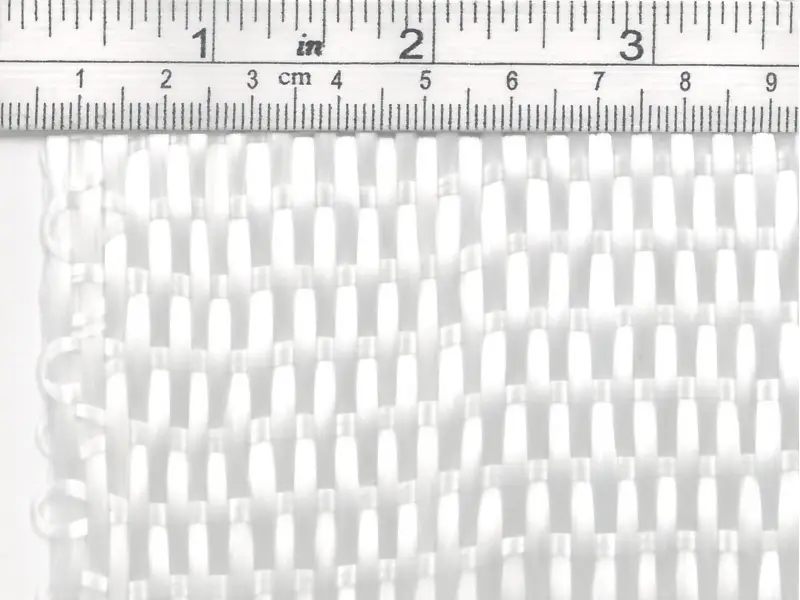
If you listen to the marketing of high-end sports cars or aerospace startups, you might think fiberglass is a relic of the past. In reality, fiberglass remains the backbone of the global composites industry, outselling carbon fiber by a massive margin. For the small to medium-scale manufacturer (B2B), the choice between carbon fiber and fiberglass isn’t about which material is “better”—it’s about which one is more “profitable” for a specific application. This guide cuts through the hype to provide a technical and economic analysis of when to stick with glass and when to upgrade to carbon.
As a workshop expert, I’ve seen companies nearly go bankrupt by over-specifying carbon fiber for parts that would have performed better, and cost 70% less, in E-glass. Conversely, I’ve seen fiberglass parts fail in the field because they couldn’t handle the fatigue cycles that carbon shrugs off. Let’s look at the raw data.
Technical Comparison: E-Glass vs. T700 Carbon
To make an informed B2B decision, we must compare the materials on a level playing field. Below is a comparison of standard E-Glass (the industry workhorse) and T700 Carbon Fiber (the industrial standard for performance).
| Property | E-Glass (Fiberglass) | T700 Carbon Fiber |
|---|---|---|
| Density (g/cm³) | 2.54 | 1.80 (30% Lighter) |
| Tensile Modulus (GPa) | 72 | 230 (3x Stiffer) |
| Fatigue Resistance | Moderate | Excellent |
| RF Transparency | Transparent | Conductive (Shields RF) |
| Approx Bulk Cost | $ (Base) | higher) |
When Fiberglass is the Correct Choice
Despite the “cool factor” of carbon, fiberglass wins in several key industrial scenarios:
1. RF Transparency (Electronics Enclosures)
Carbon fiber is electrically conductive. If you are building a housing for a GPS unit, a drone’s internal antenna, or a marine radar dome, carbon fiber will act as a Faraday cage and block your signal. Fiberglass is non-conductive and transparent to radio frequencies, making it the mandatory choice for telecommunications and radomes.
2. Corrosion and Chemical Resistance
In harsh chemical environments or marine applications where galvanic corrosion is a concern, fiberglass is often superior. Carbon fiber can actually accelerate the corrosion of aluminum parts it is in contact with (due to its conductivity). Fiberglass is an insulator and chemically inert to many industrial solvents where carbon-reinforced epoxies might struggle.
3. High Strain Tolerance
Fiberglass is more “flexible” than carbon. In applications where a part needs to deflect significantly without breaking (like a flexible bumper or a spring-loaded latch), the lower modulus of fiberglass is actually an advantage. Carbon fiber tends to be brittle; it holds its shape perfectly until it reaches its limit, at which point it fails catastrophically.
When Carbon Fiber Wins (and Why it’s Worth the Premium)
The premium price of carbon fiber is justified when “Stiffness-to-Weight” is the primary engineering constraint.
1. Weight-Critical Structures
In anything that flies or moves fast (UAVs, racing components), the 30% weight reduction of carbon fiber is massive. But it’s not just the weight; because carbon is 3x stiffer, you can often use fewer layers to achieve the same rigidity as a fiberglass part, leading to a final weight saving closer to 50% or 60%.
2. Zero Thermal Expansion
Carbon fiber has a near-zero Coefficient of Thermal Expansion (CTE). In precision optics, satellite components, or high-precision tooling, a carbon fiber part will not change its dimensions when the temperature changes. Fiberglass will expand and contract, potentially throwing a precision instrument out of alignment.

The Hybrid Approach: The Secret to B2B Profitability
The most successful manufacturers don’t choose one; they use both. A hybrid laminate uses carbon fiber where it’s needed most (stiffness) and fiberglass where it can save cost (bulk).
For example, in a large flat panel, you might use two layers of carbon fiber on the outside (the “skins”) and four layers of fiberglass in the center (the “core”). Because stiffness is largely a function of the distance of the fibers from the neutral axis, the carbon fiber skins do 90% of the work while the fiberglass core provides the thickness at a fraction of the cost. This “I-Beam” effect is how you produce “carbon fiber” parts that are actually affordable at a B2B level.
Real Cost Calculation: More than Just Material
When calculating your cost-per-part, remember that carbon fiber is harder on your tools. It wears out router bits and drill bits much faster than fiberglass. It also requires more stringent PPE and dust extraction due to the conductive nature of the dust (which can short out your workshop’s electronics). Always add a “processing premium” of 10-15% to your carbon fiber parts beyond just the material cost.
Conclusion: Choosing Your Path
If your part is going into a corrosive environment, needs to be RF-transparent, or has a strict budget where weight is a secondary concern, stick with fiberglass. If your part is structural, weight-sensitive, or requires extreme stiffness and fatigue life, carbon fiber is the only choice. For everything in between, look at a hybrid laminate to get the best of both worlds. For more on selecting the right fabric specification, see our Ultimate Guide to Carbon Fiber Fabrics.
Add comment