
Carbon Fiber Fabric: Must-Have Benefits for Modern Industry
In recent years, carbon fiber fabric has risen to prominence as a crucial material in a variety of industries, from aerospace to sports equipment. Its unique properties and advantages over traditional materials have made it a game-changer, particularly in fields where performance, strength, and weight are critical factors. Understanding the benefits of carbon fiber fabric can provide insight into why it’s become indispensable in modern manufacturing and design.

What is Carbon Fiber Fabric?
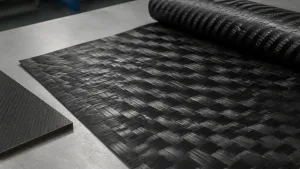
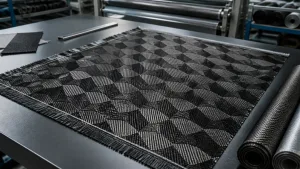
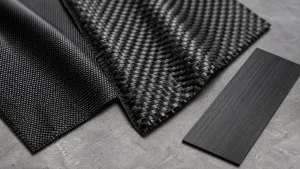
Carbon fiber fabric is made from thin strands of carbon atoms that are woven together to create a cloth-like material. The fibers are extremely strong and stiff, yet they are lightweight, making them ideal for applications that require both durability and efficiency. When combined with resins, these fibers form carbon fiber composites, which can be tailored to meet specific mechanical and performance requirements.
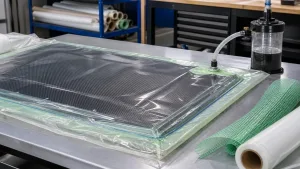
The manufacturing process involves polymerization with various resins to create a solid, durable material. This versatility enables carbon fiber to meet a wide range of demands across different sectors, from automotive components to high-performance sporting goods.
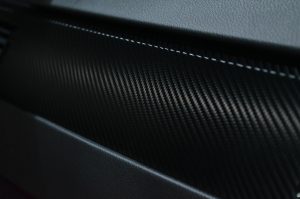
Carbon Fiber Strength: A Key Advantage
One of the standout features of carbon fiber fabric is its remarkable strength. The tensile strength of carbon fiber is significantly greater than that of steel, which allows for designs that are both robust and lightweight. This characteristic is particularly valuable in industries such as:
1. Aerospace: Aircraft components made from carbon fiber composites can handle high pressures and extreme temperatures while minimizing weight.

2. Automotive: With the push towards electric and fuel-efficient vehicles, manufacturers are increasingly using carbon fiber to create lighter cars that do not compromise on safety or performance.
3. Sporting Goods: From bicycles to surfboards, the use of carbon fiber fabric ensures that athletes not only benefit from enhanced performance but also experience less fatigue during use.
The combination of high strength-to-weight ratio means that products can be designed with more agility and creativity, contributing to modern industry innovation.
Enhanced Fabric Performance in Diverse Applications
Carbon fiber fabric stands out not just for its strength but also for its performance characteristics, which endow it with several must-have benefits:
1. Lightweight Nature
The lightweight property of carbon fiber fabric is one of the primary reasons behind its growing popularity. The reduced weight of components can lead to significant improvements in efficiency and performance. For example, in the automotive sector, reducing the vehicle’s weight can improve fuel efficiency and enhance acceleration.
2. Corrosion Resistance
Unlike metals, carbon fiber fabric is immune to rust and corrosion. This property is especially advantageous in environments where exposure to moisture and chemicals is prevalent. For example, marine applications often use carbon fiber in boat hulls, ensuring longevity and durability without the risk of degradation.
3. Thermal Stability
Carbon fiber fabric also possesses excellent thermal stability, allowing it to maintain its strength and stiffness across a range of temperatures. This quality is indispensable in high-temperature applications, such as aerospace and industrial processes, where stability is critical for safety and performance.
4. Vibration Dampening
Another notable performance characteristic is vibration dampening. When used in machinery or high-performance vehicles, carbon fiber fabric can help to reduce vibration, leading to smoother operation and a more comfortable experience for users. This property is particularly beneficial in sports equipment where excessive vibration can lead to discomfort and reduced performance.
Sustainability and Environmental Impact
In today’s world, sustainability is a pressing concern across all industries. Carbon fiber fabric can also play a significant role in promoting sustainable practices. Although its production has been criticized for high energy consumption and waste, ongoing research is focused on improving production techniques to minimize environmental impacts.
Furthermore, the longevity and durability of carbon fiber materials mean that products often have extended lifespans, reducing the need for replacements and conserving resources. Recycling initiatives are in development for carbon fiber composites, with potential methods that can reclaim raw fibers from old products for reuse in new applications.
Economic Implications for Industries
While carbon fiber fabric is more expensive than traditional materials due to the complex manufacturing processes involved, the initial investment is often recouped over time through performance gains, reduced maintenance costs, and longer product lifetimes. Industries that embrace this innovative material can achieve a competitive edge by:
1. Reducing Weight: Achieving lighter products can lead to lower transportation costs and improved fuel efficiency.
2. Improving Performance: High-performance applications benefit significantly from the enhanced strength and durability of carbon fiber composites.
3. Boosting Brand Image: Companies that adopt cutting-edge materials like carbon fiber can market their products as advanced and sustainable, appealing to an environmentally-conscious consumer base.
Challenges and Considerations
Despite the many advantages, there are challenges associated with the use of carbon fiber fabric. The cost of raw materials and production remains a barrier for smaller companies or those in price-sensitive markets. Moreover, carbon fiber can be difficult to work with during the manufacturing process, requiring specialized skills and equipment.
Additionally, while the sustainability of carbon fiber production is improving, further strides are necessary. Companies are encouraged to invest in research and development to identify more sustainable production methods and efficient recycling techniques.
Conclusion: The Future of Carbon Fiber Fabric in Industry
The benefits of carbon fiber fabric—its exceptional strength, lightweight nature, corrosion resistance, thermal stability, and overall performance—render it indispensable for modern industry applications. As technologies advance, and with ongoing improvements in sustainability, the adoption of carbon fiber composites will likely continue to expand across sectors.
For businesses aiming to innovate, staying abreast of developments in carbon fiber technology and exploring its potential applications can provide a significant advantage. By leveraging the unique benefits offered by carbon fiber fabric, industries can not only improve their products but also contribute to a more sustainable future.
Recognizing the must-have benefits of this remarkable material will ensure that companies remain at the forefront of their industries, driving progress in a highly competitive marketplace.


Add comment