
Carbon Fiber Tube: Must-Have Benefits for Enhanced Performance
When it comes to innovative materials in engineering and design, the carbon fiber tube stands out as a revolutionary choice. Renowned for its exceptional properties, this material is not only lightweight but also incredibly strong, making it a top choice for a variety of applications, from aerospace to sports equipment. The unique array of benefits offered by carbon fiber composites enhances tube performance, setting a new standard in manufacturing and engineering.
In this article, we will delve into the core benefits of carbon fiber tubes, examine their composition, and explore their applications across various industries. Let’s unlock the full potential of carbon fiber and understand why it is a must-have material in today’s high-performance world.

Understanding Carbon Fiber Composite
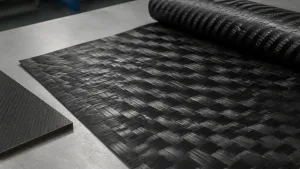
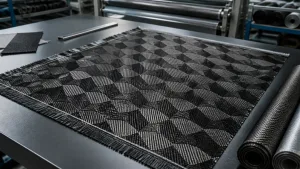
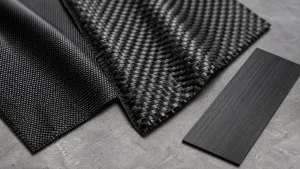
Before diving into the benefits of carbon fiber tubes, it’s essential to understand what makes up this impressive material. Carbon fiber composites consist of thin filaments of carbon that are woven together to create a structure. This structure is typically combined with a polymer resin, which binds the fibers and enhances their overall strength and durability.
The outcome is a lightweight but remarkably strong material that surpasses traditional metals and plastics in several ways. The manipulation of carbon fiber composites allows engineers to tailor their properties for specific applications, making them highly versatile.
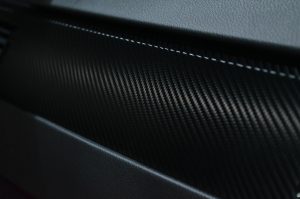
The Structure that Defines Carbon Fiber Strength
One of the main properties that sets carbon fiber tubes apart from other materials is their incredible strength-to-weight ratio. This means that while they are lightweight, they maintain exceptional tensile strength, allowing them to withstand high stress and strain without deformation.
– High tensile strength: Carbon fibers can have tensile strengths exceeding those of steel, making them ideal for applications where weight savings are crucial without sacrificing performance.
– Low thermal expansion: Carbon fiber doesn’t expand or contract significantly with changes in temperature, ensuring stability in various environments, which is a crucial factor in performance-critical applications.
– Corrosion resistance: Unlike metals, carbon fiber composites do not rust or corrode, which can prolong the life of products manufactured from this material.

These characteristics make carbon fiber tubes perfect for sectors where performance is top priority, including aerospace, automotive, and sports.
Benefits of Using Carbon Fiber Tubes
1. Weight Reduction
One of the most significant advantages of carbon fiber tubes is their lightweight nature. In industries such as aerospace and automotive, every gram counts. The reduced weight allows for improved fuel efficiency, better handling, and enhanced speed.
For example, in an aircraft, utilizing carbon fiber tubes can lead to lighter structures, enabling longer flight ranges and reduced fuel consumption. Similarly, in motorsports, lighter vehicles can accelerate faster and handle better on the track.
2. Superior Strength
As previously noted, the carbon fiber strength is a game-changer. Not only do carbon fiber tubes have tremendous tensile strength, but they also exhibit excellent compressive strength. This means that they can endure both stretching and squeezing forces without failing, making them an excellent choice for applications that face diverse stress demands.
Take high-end telescopes or sports bicycles, for instance. In these applications, structural integrity under various conditions is crucial; carbon fiber tubes deliver just that, ensuring reliable performance over time.
3. Vibration Damping
Another remarkable property of carbon fiber tubes is their ability to absorb and dampen vibration. When utilized in equipment such as musical instruments, automotive components, or precision tools, carbon fiber can significantly reduce unwanted vibrations, leading to improved performance and longevity.
For instance, carbon fiber tubes used in bicycles not only contribute to weight reduction but also enhance ride quality by reducing road vibrations. This results in a smoother, more comfortable cycling experience.
4. Customizability
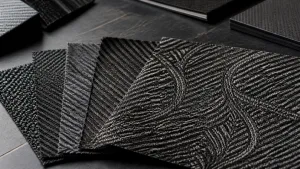
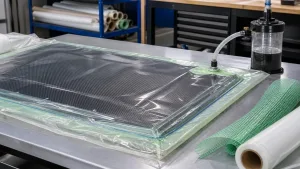
Innovations in manufacturing techniques have made it possible to customize carbon fiber tubes extensively. By varying the fiber orientations, resin types, and tube shapes during production, manufacturers can tailor the properties of carbon fiber composites to meet specific performance requirements.
Whether used in a space application necessitating lightweight structures or in a high-performance motorboat needing flexibility without compromising strength, the ability to customize these tubes represents a significant competitive advantage in various industries.
5. Environmental Benefits
As industries push for sustainability and reduced environmental impact, the use of carbon fiber tubes becomes increasingly appealing. While the production of carbon fiber can be energy-intensive, the lifecycle benefits from reduced weights and improved energy efficiency often outweigh these initial environmental costs.
Furthermore, as recycling technologies advance, carbon fiber waste can now be processed and reused in various ways, minimizing the ecological footprint associated with this material.
Key Applications of Carbon Fiber Tubes
Aerospace
In the aerospace sector, carbon fiber tubes are pivotal in manufacturing lightweight yet strong components. They are found in aircraft wings, fuselage structures, and landing gear, where reducing weight without sacrificing strength translates directly into fuel efficiency and performance enhancements.
Sports Equipment
Carbon fiber technology has revolutionized sports equipment design. From bicycles to tennis rackets and golf clubs, the introduction of carbon fiber tubes has led to products that offer better performance, durability, and reduced weight.
For instance, professional cyclists often prefer carbon fiber bikes as they provide stiffness and vibration damping, which enhances power transfer during pedaling and improves ride comfort.
Automotive
The automotive industry has increasingly embraced carbon fiber tubes to meet demands for high performance and fuel efficiency. Many high-end car manufacturers use carbon fiber structures to enhance handling, acceleration, and overall aesthetics.
As electric vehicles rise in popularity, carbon fiber will play a pivotal role due to its lightweight nature, contributing to extended driving ranges.
Medical Devices
In medical applications, carbon fiber tubes have found their niche in prosthetics and braces, thanks to their strength and customizable properties. Utilizing carbon fiber in these medical devices not only improves performance and comfort for patients but also enhances durability.
Conclusion: The Future of Carbon Fiber Tubes
As technology continues to advance, the applications for carbon fiber tubes are expanding beyond traditional realms. With ongoing research and development, we can expect to see even more innovative uses for carbon fiber composites in industries ranging from construction to consumer electronics.
In a world where performance, weight savings, and durability are paramount, the adoption of carbon fiber tubes is not just advantageous; it’s essential. For anyone looking to enhance their application’s performance, the transition to carbon fiber tubes is undoubtedly a step in the right direction.
By harnessing the power of carbon fiber strength, industries can lead the way in innovation, efficiency, and sustainability. Whether you are an engineer, designer, or enthusiast, understanding and leveraging the benefits of carbon fiber tubes can significantly elevate your performance objectives.


Add comment