
Carbon Fiber Fabric: Must-Have Benefits for Modern Industry
Carbon fiber fabric has revolutionized manufacturing and design across various sectors, offering a plethora of benefits that set it apart from traditional materials. This innovative material is distinctively recognized for its remarkable strength-to-weight ratio, exceptional durability, and versatility, making it a favored choice in industries ranging from aerospace and automotive to sports and commercial goods.
In a world where performance and efficiency are paramount, carbon fiber composite technology emerges as a game-changer, driving advancements that meet the rigorous demands of modern industry. This article delves into the advantages of carbon fiber fabric, exploring why it is a must-have in today’s competitive landscape.

What is Carbon Fiber Fabric?
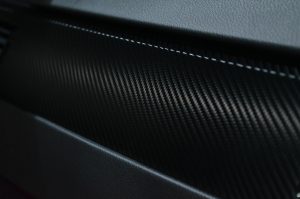
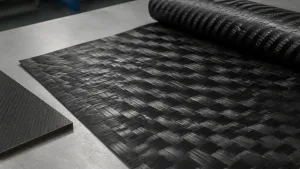
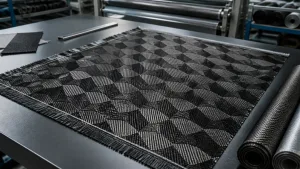
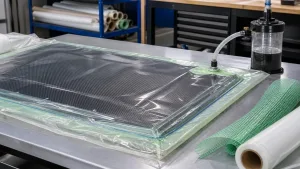
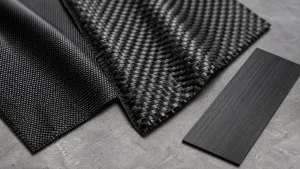
Carbon fiber fabric consists of woven strands of carbon fibers, which are renowned for their high tensile strength and low weight. These fibers are typically combined with a resin to create carbon fiber composites, enhancing their structural integrity and performance in diverse applications. The pursuit of lightweight materials that do not compromise on strength has led to heightened interest in carbon fiber fabric among manufacturers and engineers.
The Manufacturing Process
The process of creating carbon fiber involves several key steps:
1. Precursor Production: Carbon fiber typically starts from a precursor material, often polyacrylonitrile (PAN).
2. Charring: The precursor is heated in an inert atmosphere, which helps decompose the material and remove non-carbon atoms.
3. Carbonization: This is the critical phase where carbonization occurs at high temperatures. The fibers are drawn and aligned to create the desired strength.
4. Surface Treatment: To enhance adhesion with the resin or matrix materials, the fibers undergo surface treatment.
5. Sizing: Finally, the fibers may be coated with a sizing agent to facilitate handling and improve compatibility with resins.
Types of Carbon Fiber Fabrics
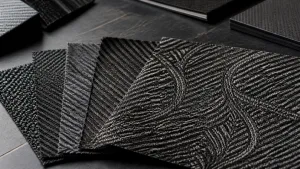
Carbon fiber fabric comes in various types, each serving specific applications:

– Woven Fabric: This flexible fabric can be engineered to meet various performance metrics, making it suitable for applications requiring intricate shapes.
– Prepreg Fabric: This is pre-impregnated with resin, simplifying the manufacturing process and ensuring consistent quality.
– Non-woven Fabric: Often used in applications where flexibility and strength are required, such as in certain clothing and insulation.
Benefits of Carbon Fiber Fabric
1. Unmatched Strength-to-Weight Ratio
One of the most compelling reasons to utilize carbon fiber fabric is its exceptional strength-to-weight ratio. Materials made from carbon fiber composites are significantly lighter than metals while offering greater strength, making them ideal for applications that require enhanced performance without added weight.
For instance, in the aerospace industry, lighter materials lead to reduced fuel consumption and improved vehicle performance. In the automotive sector, this can result in faster acceleration and better handling.
2. Superior Durability and Resistance
Another significant advantage of carbon fiber is its durability. Unlike metals and many plastics, carbon fiber fabric does not corrode and is resistant to fatigue, making it ideal for long-term applications in harsh environments.
The material’s resistance to chemical exposure is equally impressive, further extending its applicability in sectors such as chemical processing and marine environments. Whether in structural components or outer skins, carbon fiber fabric enhances longevity and lowers maintenance costs.
3. Enhanced Fabric Performance
Fabric performance is critical across various applications, and carbon fiber does not disappoint. It exhibits low thermal expansion, meaning that it maintains dimensional stability even under extreme temperatures. This property is particularly beneficial in aerospace and automotive fields, where materials face varying thermal conditions.
In addition, carbon fiber fabrics allow for flexibility in design, enabling intricate shapes and forms that would be challenging, if not impossible, with traditional materials. Designers can create lightweight, complex structures without sacrificing strength, leading to innovations in product design and functionality.
4. Environmental Impact
As industries worldwide strive to reduce their carbon footprints, carbon fiber fabric emerges as a more sustainable option compared to traditional materials. The energy balance of carbon fiber can be optimized through various recycling processes. Although initially energy-intensive to produce, the durability and life cycle of carbon fiber components can justify the investment.
Moreover, using lightweight materials contributes to better fuel efficiency in transportation, further reducing greenhouse gas emissions associated with vehicle operation.
5. Cost-Effectiveness in the Long Run
While carbon fiber fabric might have a higher upfront cost compared to traditional materials, its long-term benefits often outweigh the initial investment. Reduced weight leads to lower transportation costs, less fuel consumption in various applications, and unparalleled performance longevity reduces maintenance and replacement costs.
Investing in carbon fiber composites can improve overall project efficacy and long-term profitability, especially in high-performance industries.
Applications in Modern Industry
Aerospace
The aerospace industry is one of the most prominent beneficiaries of carbon fiber fabric. With a constant demand for weight reduction and enhanced performance, manufacturers utilize carbon fiber composites in aircraft components. From wings to fuselages, this material plays a vital role in advancing aviation technologies.
Automotive
In automotive manufacturing, carbon fiber fabric is increasingly used in high-performance vehicles. Race cars and luxury models alike benefit from weight savings and increased rigidity. Manufacturers are also exploring the use of carbon fiber in everyday vehicles to promote efficiency and sustainability.
Sports Equipment
High-end sports equipment, including bicycles, tennis rackets, and golf clubs, often utilizes carbon fiber fabric due to its lightweight and strong characteristics. These attributes enable athletes to achieve better performance while experiencing reduced risk of equipment failure.
Consumer Products
Beyond specialized applications, carbon fiber fabric is making its way into consumer products such as luggage, electronics, and even fashion. The combination of aesthetic appeal and superior performance attracts consumers looking for high-quality, durable goods.
Construction
The construction industry is beginning to recognize the benefits of carbon fiber fabric in reinforcement applications. Structures can be retrofitted or newly constructed using carbon fiber to enhance strength and stability without adding significant weight.
Challenges and Considerations
While carbon fiber fabric offers numerous advantages, it does come with challenges that industries must consider. The production process is energy-intensive, and the cost related to raw materials can be significant. Additionally, recycling carbon fiber materials poses its own set of challenges, although ongoing advancements aim to address these concerns.
Sustainability Efforts
As the demand for sustainable practices grows, manufacturers are looking at ways to minimize the environmental impact of carbon fiber production. Research is underway to develop processes that reduce carbon emissions, lower costs, and improve the recyclability of carbon fiber composites.
Conclusion
Carbon fiber fabric stands at the forefront of modern material science, offering unparalleled benefits that cater to the ever-evolving demands of various industries. Its unmatched strength-to-weight ratio, durability, flexibility, and potential sustainability make it an essential asset for manufacturers and designers looking to innovate and enhance their products.
As technological advancements continue, the integration of carbon fiber composites promises to redefine what’s possible in manufacturing. Whether it’s in the aerospace sector or consumer retail, carbon fiber is paving the way for a more efficient, sustainable, and performance-oriented future. Embracing this material today may unlock the innovations of tomorrow, positioning industries at the cutting edge of change.


Add comment