
Composite Material: Must-Have Benefits for Modern Industry
Composite material is revolutionizing modern industry with its unique properties and applications. As industries strive for innovation and efficiency, the demand for lightweight, durable, and versatile materials has surged. From aerospace to automotive, the advantages offered by composite materials are reshaping manufacturing standards, streamlining production processes, and enhancing product performance.
In this article, we’ll explore the must-have benefits of composite materials, focusing on their remarkable strength, durability, and performance characteristics. We’ll also delve into the diverse applications that showcase why these materials are essential in today’s industrial landscape.

Understanding Composite Materials
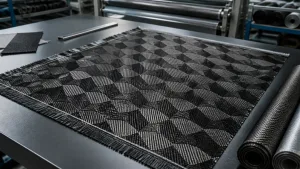
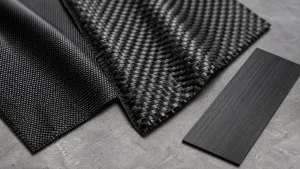
Before diving into the advantages, it’s crucial to define what we mean by composite materials. A composite material consists of two or more constituent materials—typically, a matrix and a reinforcement. The matrix binds the reinforcements, which provide unique attributes, such as strength or rigidity. Common examples of composites include fiberglass, carbon fiber, and reinforced concrete.
Types of Composite Materials
1. Fiber-Reinforced Composites: These include materials like fiberglass and carbon fiber, where fibers provide tensile strength.
2. Particle-Reinforced Composites: These are created by adding particles to a matrix to enhance various properties, such as toughness.
3. Structural Composites: These are engineered for specific applications, ensuring optimal performance under various conditions.

Understanding these categories is essential as it helps industries select the right composite material for their specific needs.
Composite Strength: An Essential Advantage
Composite strength is one of the cornerstone benefits that make these materials a game-changer in various industries. The combination of different constituent materials allows for enhanced mechanical properties that are often superior to those of traditional materials.

Lightweight Yet Strong
One of the most significant advantages of composite materials is their high strength-to-weight ratio. For example, carbon fiber composites can be twice as strong as steel while weighing significantly less. This allows manufacturers to create structures that are not only lightweight but also robust enough to withstand demanding conditions.
Tailored Material Performance
Another advantage of composite materials is their ability to be engineered for specific applications. By altering the type of fibers used, the matrix material, and the manufacturing process, engineers can tailor the mechanical properties of composites to meet precise performance criteria. This adaptability plays a vital role in industries like aerospace, where components must endure extreme conditions.
Durability and Resistance
When discussing material performance, durability cannot be overlooked. Composite materials exhibit excellent resistance to corrosion, chemicals, and environmental factors, which makes them suitable for long-term use.
Longevity in Harsh Conditions
In applications ranging from marine vessels to chemical processing plants, the durability of composite materials ensures longevity and reduces maintenance costs. Unlike metals, which can corrode over time, composites maintain their integrity even in harsh environments. This quality is particularly appealing to industries that require materials lasting for decades without compromising performance.
Impact Resistance
The impact resistance offered by composites is particularly noteworthy. Many composite materials not only absorb shocks well but also maintain their shape and structural integrity. This property is essential in applications like automotive manufacturing, where passenger safety depends on materials that can absorb energy during collisions.
Cost-Effectiveness Over Time
While the initial investment in composite materials may be higher than traditional options, the long-term savings and benefits are considerable.
Reduced Weight, Lower Fuel Consumption
In sectors such as aerospace and automotive, the lightweight nature of composite materials can lead to significant fuel savings over the lifespan of the vehicle. Lower fuel consumption directly translates to reduced operational costs, making composites a financially savvy choice.
Decreased Maintenance Costs
The durability of composite materials results in lower maintenance requirements. Components made from composites typically experience less wear and tear, leading to fewer repairs and replacements over time. Industries can allocate their resources more efficiently, focusing on growth while ensuring operational efficacy with minimal downtime.
Environmental Benefits
As industries become more aware of their environmental impact, the search for sustainable materials has taken center stage. Composite materials offer several environmental benefits that align well with modern eco-friendly initiatives.
Energy Efficiency in Manufacturing
The production processes for composite materials, especially when using natural fibers, can be more energy-efficient compared to traditional manufacturing methods. This makes them an attractive option for companies looking to lower their carbon footprint.
Recyclability
Innovative approaches are being developed to recycle composite materials, making them more sustainable. Companies are increasingly focusing on creating composites that can be repurposed at the end of their life cycle, further reducing waste and supporting sustainability goals.
Diverse Applications in Modern Industry
Composite materials have found extensive applications across a wide range of industries. Their versatile properties allow for innovative uses that continue to push boundaries.
Aerospace Industry
In aerospace, the demand for lightweight and durable materials is paramount. Airlines and manufacturers are using composite materials for everything from wing structures to body panels, leading to reduced weight and improved fuel efficiency. The result is an industry that can soar above the competition while minimizing environmental impact.
Automotive Sector
The automotive industry is rapidly adopting composite materials to enhance performance and safety. High-performance vehicles, electric cars, and even everyday models are increasingly made with composites to improve fuel efficiency and reduce emissions. By integrating composite materials, manufacturers can meet stringent regulations while delivering superior performance.
Construction and Infrastructure
In construction, composites are being utilized for structural components like beams and panels, offering excellent strength and reduced weight. These materials make it possible to design innovative structures that can withstand environmental stressors, thus increasing the longevity and safety of buildings.
Sports Equipment and Consumer Goods
Composite materials have also made their mark on consumer goods, particularly in sports equipment. From bicycles to tennis rackets, the focus on performance and durability has led to the widespread use of materials that enhance both user experience and longevity.
Conclusion
In an era where efficiency, performance, and sustainability are pivotal for progress, composite materials stand out as a vital asset for modern industry. Their unparalleled strength, lightweight properties, and resistance to damage make them indispensable across various sectors. As technological advancements continue to unlock new possibilities for composites, the landscape of manufacturing and product development will undoubtedly be transformed.
The benefits of composite materials are not just significant—they are essential for industry leaders looking to innovate and succeed in an ever-evolving market. Whether in aerospace, automotive, or construction, understanding and utilizing composite strength and material performance will continue to shape the future of how we build and create.





Add comment