
Carbon Fiber Tube: Must-Have Benefits for Strength & Performance
When we talk about materials revolutionizing industries, the carbon fiber tube stands at the forefront. Recognized for its exceptional properties, such as lightweight composition and remarkable strength, carbon fiber has become the go-to material in various applications ranging from aerospace to sporting goods.
This article explores the myriad benefits of carbon fiber tubes, particularly focusing on their strength and performance, providing insights into why they have become indispensable in modern manufacturing.

Understanding Carbon Fiber and Its Attributes
What Is Carbon Fiber?
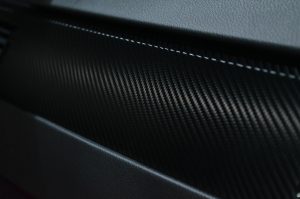
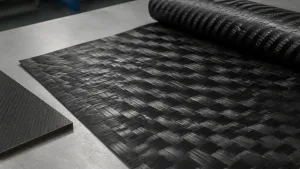
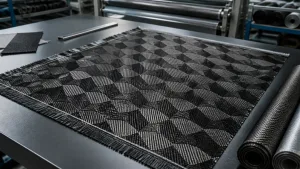
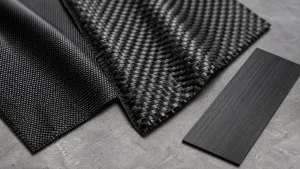
Carbon fiber is a lightweight and high-strength material made from thin strands of carbon atoms woven together. These fibers can be used in various composites, leading to the creation of a strong yet lightweight product that is popular in many applications. When these fibers are combined with a resin or polymer, they form a carbon fiber composite that exhibits enhanced properties, making it a perfect choice for products requiring strength and durability.
Properties of Carbon Fiber
1. High Strength-to-Weight Ratio: One of the standout attributes of carbon fiber is its strength-to-weight ratio. It is five times stronger than steel, yet significantly lighter, making it perfect for applications where weight is a critical factor.
2. Corrosion Resistance: Unlike metals, carbon fiber does not corrode, allowing it to maintain its integrity over time, even in harsh environments.
3. Stiffness: Carbon fiber is incredibly rigid, making it ideal for applications requiring structural support without significant flexing.

4. Thermal Stability: Carbon fibers can withstand higher temperatures without loss of strength, making them suitable for automotive and aerospace applications.
5. Vibration Damping: The material has inherent vibration-damping properties, enhancing performance and comfort in various applications.
With these properties, carbon fiber tubes showcase a combination of durability and lightweight characteristics that can benefit numerous industries.
Key Benefits of Carbon Fiber Tubes
1. Superior Strength and Performance
The carbon fiber strength is unparalleled, making it a leading choice for high-performance applications. Whether in bicycles, sports equipment, or aerospace components, the ability of carbon fiber tubes to withstand significant loads while remaining lightweight is a key reason for their growing popularity. For instance, in the automotive industry, manufacturers utilize carbon fiber tubes to produce lightweight components that enhance fuel efficiency and overall performance without compromising safety.
2. Enhanced Aerodynamics
In industries like motorsports and cycling, tube performance matters significantly. Carbon fiber tubes offer the advantage of being designed for optimal aerodynamics. The lightweight nature helps reduce drag, allowing vehicles and bikes to move faster with less energy expenditure. This has major implications in competitive sports, where milliseconds can make all the difference.
3. Customizability
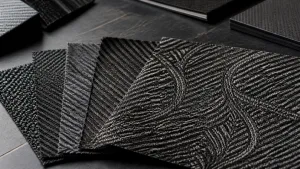
Carbon fiber tubes can be manufactured to meet specific designs and performance needs. This customizability allows engineers and designers to create components with exact dimensions and properties tailored to the demands of the application. The flexibility in design ensures that the fibers can be oriented in different directions to enhance strength in specific areas, providing targeted reinforcement where it’s most needed.
4. Low Maintenance
Another advantage of carbon fiber tubes is their low maintenance requirements. As they do not corrode, unlike metals that may require regular treatment or replacement, carbon fiber structures provide longevity and reliability, reducing overall costs in the long run. This factor is particularly beneficial in industries where frequent maintenance can lead to unwanted downtime.
5. Environmentally Friendly Options
As more industries move toward sustainable practices, carbon fiber tubes offer an avenue for reducing environmental impact. While the fibers themselves require energy-intensive processes to manufacture, their lightweight nature contributes to lower carbon emissions in transport and logistics. Additionally, advancements in recycling technologies are paving the way for carbon fiber materials to be reused without compromising their integrity.
Applications of Carbon Fiber Tubes
Aerospace
In the aerospace sector, carbon fiber tubes are integral in designing lighter aircraft that do not sacrifice strength or safety. Components like wing structures, fuselage frames, and engine mounts benefit from the significant strength-to-weight ratio, improving flight performance and fuel efficiency.
Automotive
Car manufacturers are increasingly adopting carbon fiber tubes in performance vehicles to enhance speed and handling. As mentioned, the combination of lightweight and robust properties contributes substantially to overall vehicle performance, resulting in better acceleration and fuel economy.
Sporting Goods
From tennis rackets to golf clubs and bicycles, carbon fiber tubes help athletes achieve superior performance. The reduced weight while retaining structural integrity permits athletes to exert less energy, increasing their efficacy in competitive scenarios.
Robotics and Manufacturing
The robotics field benefits from carbon fiber tubes, which provide structural support without hindering mobility and function. Their precise construction allows for building lightweight, high-strength robotic arms and structures capable of performing intricate tasks without fatigue or wear.
Challenges and Considerations
While carbon fiber tubes come with a plethora of advantages, it’s worth noting a few challenges associated with their use.
1. Cost
The production of carbon fiber tubes can be more expensive than metals or traditional polymer composites. This can be a barrier in applications where budget constraints are prominent. However, as technology progresses and becomes more widely adopted, costs are expected to decrease.
2. Difficulty in Repair
Repairing broken or damaged carbon fiber tubes can be challenging compared to traditional materials. The repair process requires specialized skills and techniques, which can add to the overall cost and complexity of maintaining structures made from carbon fiber.
3. Limited Temperature Variability
While carbon fiber demonstrates excellent thermal stability, extreme temperature conditions can affect the resin used in carbon fiber composites. Understanding the operational environment is crucial in selecting the right carbon fiber composites for specific applications.
Future Developments
As research continues, the future of carbon fiber tubes looks promising. Innovations such as improved manufacturing processes, recycling methods, and hybrid materials are paving the way for even more applications. The potential integration of smart technologies, like sensors embedded in carbon fiber structures, could further enhance their functionality and performance.
Conclusion
The carbon fiber tube is not just a luxury; it’s a necessity for achieving unparalleled strength and performance in various applications. Recognizing its high strength-to-weight ratio, improved aerodynamics, and low maintenance needs, industries are increasingly leaning toward carbon fiber composites as reliable solutions.
As we step into a future focused on efficiency and sustainability, carbon fiber tubes are poised to play a crucial role in driving innovation across multiple sectors. Making informed choices about the use and application of such materials can lead to significant advancements in performance, offering innumerable advantages for manufacturers and consumers alike.


Add comment