
Composite Material Benefits: Stunning Applications for Industry
Composite materials have revolutionized various industries by offering unmatched advantages over traditional materials. In simple terms, composites are materials made from two or more constituent elements that, when combined, yield a product with enhanced properties. This powerful combination of materials provides incredible composite strength and improves overall material performance, making them an essential technology in numerous applications.
In this article, we’ll explore the benefits of composite materials and delve into some stunning applications across different sectors.

Understanding Composite Materials
What Are Composite Materials?
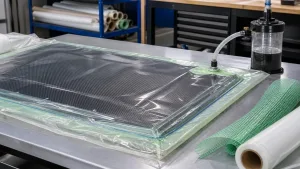
Composite materials typically consist of a matrix and a reinforcement. The matrix is the surrounding phase, which binds the reinforcements together, while the reinforcements, often fibers, provide strength and stiffness. Together, these two components create a material that can possess extraordinary properties unattainable by individual materials.
Types of Composite Materials
The two primary categories of composite materials are:

1. Fiberglass Composites: Made from glass fibers embedded in a polymer matrix, they are well-known for their lightweight and high resistance to corrosion.
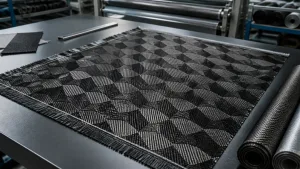
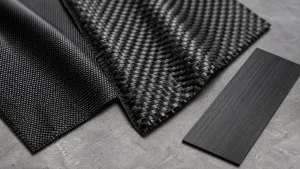
2. Carbon Fiber Composites: Utilizing carbon fibers for reinforcement, these materials are celebrated for their exceptional strength-to-weight ratio, making them ideal for aerospace and automotive applications.

3. Natural Fiber Composites: These use plant-based fibers as reinforcements, appealing to eco-conscious manufacturers and promoting sustainability.
4. Metal Matrix Composites: Combining metals with other materials, these composites offer enhanced performance in high-temperature applications, commonly used in aerospace and automotive industries.
Composite Material Benefits
1. Exceptional Strength-to-Weight Ratio
One of the standout advantages of composite materials is their impressive strength-to-weight ratio. Composite materials can withstand significant loads while remaining remarkably lightweight. This characteristic is particularly beneficial in industries like aerospace and automotive, where every ounce of weight saved can lead to improved fuel efficiency and performance.
For example, the use of carbon fiber composites in the aerospace industry allows aircraft to be lighter without sacrificing structural integrity, resulting in reduced fuel consumption and lower emissions.
2. Corrosion Resistance
Composite materials are highly resistant to corrosion, making them suitable for applications in harsh environments. Unlike metals that can rust over time, composites maintain their integrity even when exposed to moisture and chemicals.
This quality is crucial in industries such as marine, oil and gas, and construction. For instance, fiberglass composites are frequently used in chemical storage tanks and pipelines, helping to prevent leaks and costly maintenance.
3. Design Flexibility
Another significant benefit of composite materials is their design versatility. Composites can be molded into complex shapes that are difficult or impossible to achieve with traditional materials. This flexibility enables manufacturers to create innovative solutions tailored to specific applications.
In the world of automotive design, for example, the ability to produce intricate composite components allows for streamlined shapes that enhance aerodynamics, translate into better fuel efficiency, and reduce material costs.
4. Thermal and Electrical Properties
Composite materials can be engineered to exhibit specific thermal and electrical properties. For electrical insulation, polymers such as epoxy can be combined with conductive materials like carbon or metal fibers, producing composites that conduct electricity only when required.
In addition, their thermal resistance makes composites ideal for heat shields in high-temperature applications. This adaptability opens up new possibilities in electronics, automotive, and aerospace industries.
5. Impact Resistance
Composite materials are known for their ability to absorb impact energy, making them well-suited for applications that demand resilience. This feature is especially vital in the sports equipment industry. For example, composite materials are employed in creating lightweight helmets that provide superior protection while ensuring comfort.
This impact resistance is also advantageous for military applications, such as protective gear and vehicle armor, where the safety of personnel is paramount.
Stunning Applications of Composite Materials
Aerospace Industry
The aerospace sector has been one of the earliest adopters of composite materials. From the wings of commercial aircraft to components of satellites, composites have streamlined production processes while enhancing performance.
For example, the Boeing 787 Dreamliner utilizes approximately 50% composite materials in its structure, resulting in a lighter, more fuel-efficient aircraft. These advanced materials help aerospace manufacturers meet strict emissions regulations while optimizing performance.
Automotive Industry
In the automotive world, composites are transforming the design and manufacture of vehicles. Lightweight materials contribute to improved fuel efficiency and performance, which directly translates to decreased operational costs.
High-end sports cars, such as those produced by Ferrari and Lamborghini, employ carbon fiber composites to reduce weight while maintaining structural integrity and enhancing aesthetics. These innovations are progressively trickling down to everyday vehicles, where manufacturers increasingly use composites in body panels and interior components.
Sports Equipment
The performance of sporting goods has significantly benefited from the utilization of composite materials. Golf clubs, tennis rackets, and bicycles made from composite materials offer unmatched performance by maximizing strength while minimizing weight.
For instance, modern bicycles equipped with carbon fiber components provide cyclists with the speed and agility needed for competitive sports while remaining lightweight.
Construction and Infrastructure
Composite materials are gaining traction in construction and infrastructure due to their versatility and durability. They can be utilized in structural components, bridges, and building materials, enhancing the longevity and safety of these structures.
For example, glass fiber-reinforced polymer (GFRP) rebars are making waves as a corrosion-resistant alternative to traditional steel reinforcing bars in concrete, extending the lifespan of buildings and bridges.
Renewable Energy
The renewable energy sector is also reaping the benefits of composite materials, particularly in wind turbine construction. The blades of modern wind turbines are often made from advanced composite materials to optimize performance while minimizing weight.
These lightweight and robust blades allow for greater energy generation and can withstand the stresses imposed by extreme weather conditions—making renewable energy sources more viable and efficient.
The Future of Composite Materials
The future of composite materials looks promising, driven by ongoing research and advancements in material science. Innovations in bio-based composites and smart materials may pave the way for greener and more efficient applications. With heightened awareness of sustainability and safety, industries will continue to explore composite materials as the solution to their performance needs.
Challenges Ahead
While composite materials offer numerous advantages, challenges remain. Issues such as high production costs, recycling, and regulatory hurdles must be addressed to maximize their usage across industries.
Researchers are actively working on solutions, including developing more cost-effective production methods, improving recyclability through advanced technologies, and ensuring compliance with safety regulations.
In Conclusion
The benefits of composite materials are undeniable. From their exceptional strength-to-weight ratio to their resistance to corrosion, these materials offer significant advantages that can enhance performance across various industries. The stunning applications in aerospace, automotive, sports, construction, and renewable energy showcase the versatility and potential of composites.
As we venture further into a world with increasing demands for efficiency and sustainability, composite materials stand poised to play a pivotal role in shaping the future. The challenges ahead will require collaborative efforts from researchers, manufacturers, and regulatory bodies. The continuous innovation and improvement of composite materials are integral to unlocking their full potential across all industries.




Add comment