
Introduction: Exploring Carbon Fiber Fabric
Carbon fiber fabric is revolutionizing various industries, offering remarkable benefits that traditional materials simply cannot match. This innovative material is lightweight yet incredibly strong, making it a go-to choice across automotive, aerospace, sports, and construction sectors. The unique properties of carbon fiber fabric enable manufacturers to design products that enhance both performance and durability, while also contributing to efficiency and sustainability.
In this article, we will delve into the stunning benefits of carbon fiber fabric, examine its applications, and explore the emerging trends in this fascinating field to understand why it is becoming the backbone of modern industrial design.

Understanding Carbon Fiber Fabric
What is Carbon Fiber Fabric?
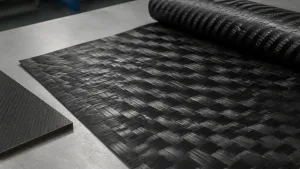
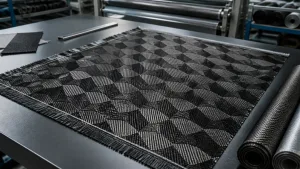
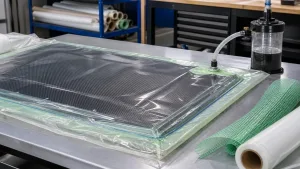
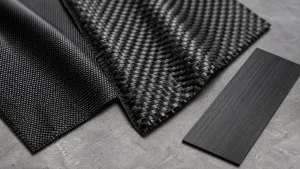
At its core, carbon fiber fabric consists of thin strands of carbon atoms that are woven together to create a textile material. The process involves spinning fibers into a yarn and then weaving or knitting them into a fabric. This resultant fabric can be further combined with resins to form a carbon fiber composite, reinforcing its mechanical properties.
Physical Properties of Carbon Fiber Fabric
One of the defining features of carbon fiber fabric is its exceptional strength-to-weight ratio. The basic unit—carbon fiber—has a tensile strength significantly greater than that of steel while being substantially lighter. Typical characteristics include:
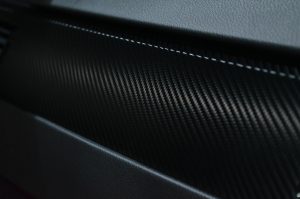
– High Strength: While carbon fiber strength varies by type and construction, it generally boasts a tensile strength around 5-6 GPa.
– Lightweight: Compared to aluminum or steel, carbon fiber is approximately 30% lighter, making it ideal for applications where weight is a critical factor.
– Corrosion Resistance: The composite’s chemical properties render it resistant to corrosion, ensuring longevity in rigorous environments.
– Thermal Stability: Carbon fiber fabrics can withstand high temperatures, making them suitable for applications in extreme conditions.
These qualities create unparalleled opportunities for innovation across numerous sectors.

The Benefits of Carbon Fiber Fabric
Exceptional Fabric Performance
When it comes to fabric performance, carbon fiber fabric excels in various applications. Its ability to maintain structural integrity while allowing for flexible designs makes it invaluable. Here are some specific performance benefits:
1. Flexibility in Design: Carbon fiber can be tailored into various shapes and sizes, providing designers with flexibility in creating unique products.
2. Fatigue Resistance: Unlike metals, carbon fiber does not suffer from fatigue as quickly, meaning products can last longer under repeated stress.
3. Damping Properties: The fabric can absorb vibrations, making it favorable in applications like automotive and aerospace.
Such performance traits ensure that products manufactured with carbon fiber fabric outshine competitiors constructed with traditional materials.
Lightweight and Efficiency
The lightweight nature of carbon fiber fabric leads to significant efficiency improvements across industries. In the automotive sector, for instance, reducing vehicle weight enhances fuel efficiency and handling. In aerospace, where every ounce counts, using carbon fiber composites can lead to lower fuel costs and increased payload capacities.
Companies are continuously investing in research to harness these efficiencies. The development of lighter, more robust vehicles and aircraft can change how we approach transportation altogether.
Enhanced Durability and Longevity
Carbon fiber fabric provides exceptional durability, outperforming many traditional materials. As industries face increasingly demanding environments, the need for robust materials becomes paramount.
– Weather Resistance: Carbon fiber fabrics are not prone to rust, rot, or weather-related degradation.
– Impact Resistance: Whether in the manufacturing of sports gear or protective equipment, the high impact resistance of carbon fiber ensures enhanced safety and performance.
This resilience translates to reduced maintenance costs and longer product life, making carbon fiber a wise choice for manufacturers seeking sustainability.
Applications Across Industries
Automotive Sector
The automotive industry has embraced carbon fiber for a variety of applications, including body panels, interiors, and high-performance components. Manufacturers have found that integrating carbon fiber fabric into their designs not only bolsters strength but also provides significant weight savings. High-end sports cars and luxury vehicles are incorporating more carbon fiber to enhance performance and aesthetic appeal.
Aerospace and Defense
In the aerospace sector, carbon fiber composites are increasingly utilized in the construction of aircraft fuselages, wings, and various internal components. The lightweight and strength of carbon fiber fabric allow for improved fuel efficiency and enhanced payload capacity, making aircraft more economically viable. Also, the rugged nature of carbon fiber contributes to increased safety in defense applications.
Sports Equipment
Carbon fiber fabric has redefined sports equipment, allowing for lightweight yet strong products that improve performance. From bicycles to tennis rackets and even golf clubs, athletes benefit from unique designs and enhanced durability that carbon fiber provides. The material’s capacity to absorb shocks also results in improved ergonomics, giving athletes a competitive edge.
Construction and Architecture
Architects and builders are leveraging carbon fiber for its innovative potential in constructing durable and lightweight structures. Carbon fiber-reinforced concrete helps in reinforcing building materials, allowing for taller structures and better seismic resistance. This application is particularly valuable in urban settings where space and durability are critical concerns.
Future Trends and Innovations
Sustainable Manufacturing Processes
As industries expand their reliance on carbon fiber fabric, sustainability becomes an imperative focus. Researchers are working towards developing carbon fibers from recycled materials and more eco-friendly production methods. Sustainable sourcing and production practices ensure that the environmental footprint of carbon fiber remains minimal.
Advanced Composites
The future of carbon fiber fabric lies in advanced composites that combine the best properties of different materials. Hybrid composites that integrate carbon fiber with other fiber types (like aramid or glass fibers) are being researched to enhance performance traits further. These composites can tailor strength, flexibility, and impact resistance, catering to specific industry needs.
Smart Materials
Incorporating technology into carbon fiber fabric is also on the horizon. Smart textiles that can self-sense or adapt to environmental changes could further revolutionize how carbon fiber is used across applications. For instance, it could lead to innovations in wearables for athletes, providing real-time feedback on performance metrics.
Conclusion: Embracing the Future with Carbon Fiber Fabric
The remarkable benefits of carbon fiber fabric set it apart from traditional materials, making it a cornerstone of modern industry. With its exceptional strength, lightweight nature, and durability, carbon fiber is paving the way for innovation in numerous sectors ranging from automotive to aerospace and beyond. As industries continue to explore the full potential of carbon fiber composites, we witness a shift toward more efficient, resilient, and sustainable practices.
In this spirit, embracing carbon fiber fabric not only elevates product performance but also aligns with the growing emphasis on sustainability, efficiency, and innovation in a rapidly changing world. As research and development continue, the opportunities presented by carbon fiber fabric are bound to expand, bringing about exciting advancements across various fields.


Add comment