
Carbon Fiber Fabric: Must-Have Benefits Transforming Industry
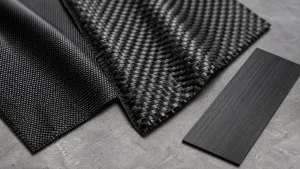
Carbon fiber fabric has emerged as a revolutionary material that is transforming various industries with its remarkable attributes and applications. This innovative fabric, made from carbon fibers woven together, boasts a unique blend of high strength, lightweight properties, and chemical resistance, making it a favorite in sectors from aerospace to sports equipment.
The prevalence of carbon fiber fabric has surged over the past few decades, and understanding its benefits can shed light on why it is considered a game-changer. Let’s explore the must-have benefits that make carbon fiber fabric an indispensable resource across multiple domains.

Exceptional Carbon Fiber Strength
One of the standout features of carbon fiber fabric is its incredible strength-to-weight ratio. Carbon fiber composites, which consist of carbon fibers bonded with a resin, offer strength levels that surpass those of many traditional materials, such as steel or aluminum.
1. High Strength-to-Weight Ratio
The high strength-to-weight ratio of carbon fiber fabric is perhaps its most compelling benefit. For example, carbon fiber has a tensile strength that can reach up to 5 times greater than steel while being significantly lighter. This makes it an ideal material for industries where weight savings are critical, such as aerospace and automotive manufacturing.
2. Enhanced Durability
Durability is another aspect where carbon fiber fabric shines. It is resistant to a variety of environmental factors, including corrosion and UV light. Unlike metals that can rust or degrade over time, carbon fiber retains its structural integrity under harsh conditions. This makes it an ideal choice for everything from high-performance vehicles to outdoor equipment.
Fabric Performance in Various Industries
The performance of carbon fiber fabric varies widely depending on its applications. In industries like automotive, aerospace, construction, sport, and medical, enhanced performance characteristics stand out, allowing for innovative design choices and products.

1. Aerospace Industry
The aerospace sector has been at the forefront of adopting carbon fiber fabric due to its weight-saving capabilities and resilience. Commercial aircraft, such as the Boeing 787 Dreamliner, utilize carbon fiber composites to reduce overall weight, enhancing fuel efficiency and performance during flight.
2. Automotive Applications
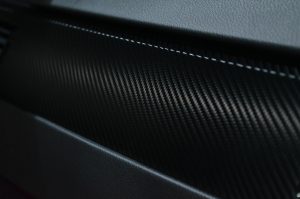
In the automotive industry, the lightweight properties of carbon fiber fabric support the production of fast cars that are equally fuel-efficient. High-end manufacturers employ this material not only to build vehicles but also for strong and attractive internal parts, contributing to improved overall performance and aesthetics.
3. Sports Equipment
In the realm of sports, carbon fiber fabric is transforming how equipment is designed and performs. From bicycles to tennis rackets, the strength and lightweight nature of the material allow athletes to maximize their performance, with gear that is both strong and lightweight.
4. Medical Devices
The medical sector benefits greatly from carbon fiber fabric. Its biomechanical properties make it a favorable choice for prosthetics, where strength and lightweight characteristics improve the quality of life for patients. Additionally, the non-magnetic properties of carbon fiber make it suitable for use in MRI machines and other medical devices.
Cost Considerations and Accessibility
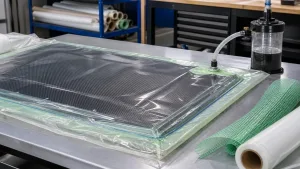
Despite the numerous advantages, the use of carbon fiber fabric does come with considerations pertaining to cost. The manufacturing process for carbon fiber is complex and often expensive. However, as technology advances and production techniques improve, costs are gradually being lowered, increasing accessibility for various industries.
1. Evolving Manufacturing Techniques
Innovations in production methods, such as automated fiber placement (AFP) and improved raw material processing, are helping drive down costs while maintaining high quality. This ongoing evolution is expected to make carbon fiber more accessible to a wider array of manufacturers, pushing its use even further into mainstream applications.
2. Long-term Investment
While the upfront costs of using carbon fiber fabric might be higher than traditional materials, the long-term benefits often justify the investment. Enhanced performance, durability, and reduced maintenance costs can lead to significant savings over time.
Sustainable Practices with Carbon Fiber Fabric
Sustainability is becoming increasingly important across all industries, and carbon fiber fabric is not exempt from this trend. While traditional carbon fiber production can be resource-intensive, advances are being made toward more sustainable practices.
1. Recyclability of Carbon Fiber Composites
Research is ongoing into methods for recycling carbon fiber materials, which could greatly reduce waste and environmental impact. As the industry moves toward a circular economy, recycling will become a crucial part of how carbon fiber fabric is integrated into new products.
2. Eco-Friendly Manufacturing Innovations
New processes are being developed to produce carbon fiber more sustainably, such as bio-derived resins and reduced energy consumption during fabrication. Companies committed to green practices are leveraging these innovations to minimize their environmental footprint.
Application Challenges
Though carbon fiber fabric has transformative potential, it is not without its challenges. Understanding these obstacles can help stakeholders effectively navigate the complexities associated with its use.
1. Difficulty in Repair and Maintenance
One of the notable challenges associated with carbon fiber composites is difficulty in repair. Unlike metals that can easily be repaired or altered, any damage to carbon fiber often requires replacement rather than repair, which can complicate maintenance.
2. Industry Standards and Regulations
As new materials like carbon fiber continue to penetrate various sectors, industry standards and regulations must adapt. The need to establish clear guidelines regarding performance, safety, and recyclability can pose a challenge for manufacturers and designers alike.
Conclusion: The Future of Carbon Fiber Fabric
The far-reaching benefits of carbon fiber fabric are undoubtedly setting the foundation for its growth across multiple industries. With exceptional strength, fabric performance, and the ability to evolve as manufacturing practices improve, the future of carbon fiber looks promising.
As the focus on sustainability increases, ongoing innovations will likely reduce costs and enhance its applicability, paving the way for a broader array of industries to adopt this transformative material. Whether it’s improving aerodynamics in aviation or enhancing user experience in sports gear, carbon fiber fabric is poised to remain at the forefront of material technology, continuously reshaping the landscape of modern manufacturing.
In conclusion, understanding the dynamics of carbon fiber fabric is essential for anyone involved in industries looking to leverage high-performance materials. The journey forward promises exciting new developments in design, performance, and sustainability—setting the stage for carbon fiber to remain an integral part of technological advancement for years to come.


Add comment