
Carbon Fiber Plate: Must-Have Benefits for Superior Strength
When it comes to enhancing structural integrity and minimizing weight in various applications, understanding the unique advantages of a carbon fiber plate is essential. Traditionally used in the aerospace and automotive industries, carbon fiber has emerged as a popular choice across a variety of fields, including construction, sports, and technology. The carbon fiber composite offers remarkable properties that significantly outperform many conventional materials.
In this article, we will explore different aspects of carbon fiber plates, their superior strength, versatility, and the numerous benefits they provide in various applications.

What is Carbon Fiber?
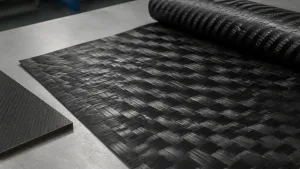
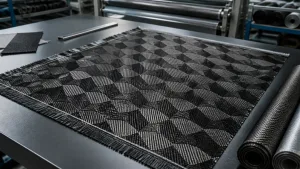
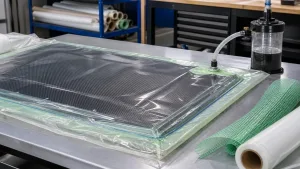
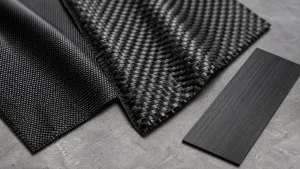
Before delving into the benefits and applications of a carbon fiber plate, it’s crucial to understand what carbon fiber actually is. Carbon fiber is a polymer resin reinforced with carbon strands, characterized by its high tensile strength and lightweight nature. These fibers are woven together to create sheets, which can then be molded into various forms, including plates.
The process of creating carbon fiber involves combining polyacrylonitrile (PAN) with heat and chemicals to produce a material that is not only strong but also flexible. The resulting carbon fiber composite can be tailored to suit different mechanical properties and applications, making it an incredibly versatile material.
Durability and Resistance
Superior Strength-to-Weight Ratio
One of the standout features of a carbon fiber plate is its impressive strength-to-weight ratio. Compared to metals like steel and aluminum, carbon fiber is significantly lighter but maintains a high level of strength. This quality allows manufacturers and engineers to reduce the overall weight of structures and products without compromising their integrity.
For instance, in aerospace applications, reducing weight is critical in improving fuel efficiency and performance. A lighter aircraft not only consumes less fuel but can also achieve greater speeds. In automotive design, lighter vehicles often translate to better acceleration and handling, making carbon fiber plates a go-to solution in high-performance vehicles.

Impact and Chemical Resistance
Another benefit of carbon fiber plates is their resistance to environmental factors. These materials are less susceptible to corrosion and chemical exposure than traditional metal components. This property is particularly valuable in marine applications, where saltwater can cause significant damage to metal parts over time.
Furthermore, carbon fiber’s ability to withstand high impacts without fracturing makes it ideal for protective gear and other applications where safety is a concern.
Versatility in Applications
Aerospace and Automotive Industries
Carbon fiber plates have transformed industries such as aerospace and automotive engineering. In aerospace, these materials are used for crafting wings, fuselages, and other critical components where weight and strength are essential. The Boeing 787 Dreamliner utilizes a considerable amount of carbon fiber composites, showcasing the material’s ability to improve fuel efficiency while maintaining structural integrity.
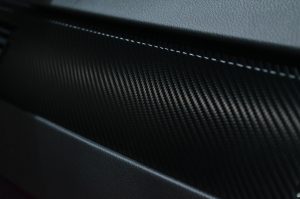
In the automotive sector, luxury and performance brands have adopted carbon fiber plates for body panels, chassis components, and even interior features. The result is not only a reduction in weight but also an enhanced aesthetic appeal, as carbon fiber offers a sleek, modern look coveted by consumers.
Sports and Recreation
The sports industry has been quick to embrace carbon fiber for its superior properties. From bicycles to tennis rackets and golf clubs, products made with carbon fiber offer athletes the competitive edge they desire. The lightweight nature of these sports equipment allows for improved performance while reducing fatigue during use.
For example, carbon fiber bikes are renowned for their stiffness and responsiveness, qualities that cyclists appreciate during high-speed rides. Similarly, tennis rackets made of carbon fiber provide players with better control and less vibration upon impact, enhancing the overall experience.
Construction and Infrastructure
In the realm of construction, carbon fiber plates are being integrated into building materials to fortify structures and improve longevity. Their application ranges from reinforcing bridges to providing additional support for concrete beams. Implementing carbon fiber composites in construction can lead to safer and more durable structures, which are essential for long-term infrastructure integrity.
Cost-Effectiveness and Sustainability
Increased Lifespan
Despite the initial investment required for carbon fiber plates being higher compared to conventional materials, their longevity and durability result in lower lifecycle costs. The longevity of these materials means fewer replacements and repairs over time, making them a wise investment for manufacturers and contractors.
Sustainability Factors
In an era where sustainability is a growing concern, the production processes for carbon fiber are becoming more efficient and eco-friendly. Many manufacturers are exploring renewable sources for raw materials, which can help reduce the overall carbon footprint associated with carbon fiber production.
Moreover, the lightweight nature of carbon fiber composites contributes to improved fuel efficiency in transport applications, resulting in fewer greenhouse gas emissions during operation. As industries continue to seek sustainable solutions, carbon fiber plates present a viable option.
Conclusion: Embracing the Future of Material Science
The numerous benefits of carbon fiber plates cannot be overstated. With their exceptional strength, light weight, and resistance to environmental factors, these materials have undoubtedly revolutionized industries from aerospace to sports and construction. Their versatility ensures that they are a must-have choice for engineers and designers aiming for optimal performance.
As technology advances and manufacturing processes become more refined, we can only expect the applications and potential of carbon fiber materials to grow. Whether you are involved in high-performance vehicles, sporting goods, or infrastructure projects, understanding the properties and advantages of a carbon fiber composite will guide you to make informed decisions for superior plate performance and remarkable structural integrity.
In today’s fast-paced world, where efficiency, durability, and sustainability are paramount, harnessing the benefits of carbon fiber plates is not just an option, but a necessity for those looking to future-proof their products and projects.


Add comment