
Stunning Fiberglass Fabric Benefits You Must Know Today
Fiberglass fabric is an extraordinary material that has gained significant popularity in various industries due to its unique properties and versatility. This composite material combines glass fibers woven into a fabric-based structure, creating a lightweight yet robust option for numerous applications ranging from automotive manufacturing to construction and even sports equipment. Understanding the benefits of fiberglass fabric can provide invaluable insights for both professional and personal projects.
In this comprehensive article, we will delve into the various advantages, applications, and the underlying science behind fiberglass, ultimately showcasing why it remains a popular choice for countless consumers and businesses.

What Is Fiberglass Fabric?
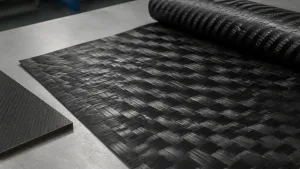
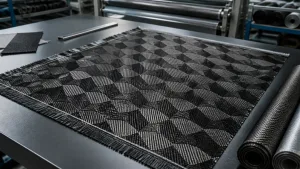
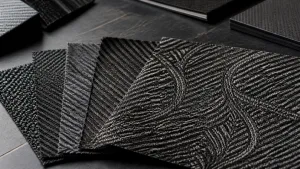
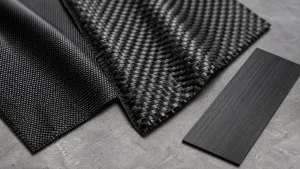
Fiberglass fabric is made from woven strands of glass fibers, known for their strength and durability. This composite structure offers a lightweight alternative to traditional materials without sacrificing performance. The fibers are often coated with a resin, enhancing their versatility and making them suitable for various applications.
The Strength of Fiberglass
One of the most notable characteristics of fiberglass fabric is its exceptional strength. When compared to traditional materials like metal or wood, fiberglass offers several advantages:

High Tensile Strength
Fiberglass possesses an incredibly high tensile strength, allowing it to withstand significant amounts of force without breaking or deforming. This feature is particularly valuable in industries where structural integrity is paramount, such as aerospace and marine applications. Fiberglass’s ability to absorb shock and vibrations makes it an ideal choice for reinforcing structures, ensuring durability and longevity.
Resistance to Chemicals
Fiberglass is not only strong but also resistant to many chemicals and corrosive substances. It can withstand exposure to acids, solvents, and other harsh chemicals that might degrade other materials. This property extends the lifespan of products made from fiberglass and minimizes maintenance costs, making it a smart choice for industries like chemical processing and pharmaceuticals.

Low Weight-to-Strength Ratio
Fiberglass offers a remarkable weight-to-strength ratio, which means you get exceptional strength without the burden of excessive weight. This characteristic is particularly beneficial in automotive and aerospace applications where reduced weight can lead to better fuel efficiency and performance. Manufacturers using fiberglass can create lighter, more aerodynamic designs without compromising structural integrity.
Fabric Performance in Various Applications
The performance of fiberglass fabric is highly regarded across multiple sectors. Its unique attributes make it suitable for a range of applications, enhancing productivity and efficiency.
Automotive Industry
In the automotive realm, fiberglass is employed to create body panels, hoods, and other components that benefit from its lightweight nature. These parts can improve fuel efficiency and accelerate performance without compromising on safety. Moreover, the ease of molding fiberglass allows automotive manufacturers to create intricate designs that resonate with modern aesthetics.
Construction and Architecture
Fiberglass fabric is increasingly utilized in construction for reinforcing structures and creating strong, lightweight architectural designs. From roofing systems to bridges, its durability can withstand the rigors of various environmental conditions. This resilience ensures safety, reducing the risk of structural failure while also promoting energy efficiency through insulation properties.
Marine Applications
The marine industry leverages the benefits of fiberglass due to its resistance to water and corrosion. Fiberglass hulls are lighter and stronger than their wooden or metal counterparts, offering significant advantages in terms of speed and overall performance. Fiberglass boats require less maintenance and endure harsh marine conditions effectively, which is essential for both commercial and recreational boating.
Additional Advantages of Fiberglass Fabric
In addition to the major advantages discussed, fiberglass fabric boasts other notable features that can significantly impact its usability and effectiveness:
Thermal Insulation
Another benefit of fiberglass is its natural thermal insulation properties. This characteristic ensures that fiberglass structures maintain consistent temperatures, making them ideal for buildings and vehicles requiring energy efficiency. The insulating properties also contribute to the comfort of the occupants while reducing heating and cooling costs.
Noise Reduction
Fiberglass fabric can help reduce sound transmission, making it an excellent choice for environments requiring acoustic insulation. In construction, fiberglass panels can minimize unwanted noise, creating a more serene space. This property is beneficial in applications ranging from residential to commercial buildings and even in automotive interiors.
Cost-Effectiveness
While the initial investment in fiberglass products might seem higher than traditional materials, the overall cost-effectiveness of fiberglass becomes apparent when considering its longevity, durability, and low maintenance needs. Over time, both consumers and businesses are likely to save on replacement and repair costs, making fiberglass an economically viable option in the long run.
Safety and Environmental Factors
As environmental consciousness grows, fiberglass fabric presents both safety and eco-friendly benefits that set it apart from other materials.
Non-Toxic Composition
The composition of fiberglass ensures that it is non-toxic and safe for various applications. In contrast to certain plastics and metals that may release harmful substances, fiberglass maintains a neutral profile that is safe for humans and the environment.
Recyclable Material
In today’s world, sustainability is more critical than ever. Fiberglass products can be recycled, offering an eco-friendly option for those looking to minimize their carbon footprint. As industries increasingly seek sustainable materials, fiberglass stands out as a viable option.
Conclusion
The stunning benefits of fiberglass fabric—from its remarkable strength and low weight to its versatility across industries—make it a relevant material in today’s technological landscape. Whether you’re an engineer, a DIY enthusiast, or someone interested in sustainable materials, understanding the advantages that fiberglass fabric offers is vital.
This remarkable material isn’t just about strength or durability; it’s about redefining what’s possible in numerous applications, promoting energy efficiency, and catering to an eco-conscious future.
In light of this information, consider how you can harness the potential of fiberglass fabric in your projects or business endeavors. Its combination of performance, resilience, and sustainability is a testament to its role as a game-changer in modern manufacturing and design. As industries evolve, fiberglass fabric is likely to remain an enduring choice, continuously proving its value through innovation and application.


Add comment