

Embarking on a DIY fiberglass project can be a daunting task, but with proper preparation, it can also be a rewarding experience. Preparation is key to ensuring that your project gets off to a successful start.
Understanding the fundamentals of fiberglass project preparation is crucial. This includes knowing how to handle materials, preparing the workspace, and being aware of safety precautions. By being informed, you can avoid common pitfalls and ensure a smooth execution of your project.
Key Takeaways
- Understand the basics of fiberglass materials and their applications.
- Prepare your workspace to ensure safety and efficiency.
- Familiarize yourself with necessary safety precautions.
- Plan your project to avoid common mistakes.
- Know how to properly handle and store fiberglass materials.
Understanding Fiberglass: What You're Getting Into
Fiberglass, a versatile and widely used material, is a great choice for DIY projects, but understanding its basics is crucial. Fiberglass composites are made from glass fibers embedded in a resin matrix, creating a strong and durable material.
The Science Behind Fiberglass Composites
Fiberglass composites derive their strength from the combination of glass fibers and resin. The glass fibers provide tensile strength, while the resin binds the fibers together, offering resistance to compression. This synergy results in a material that is both strong and lightweight.
Types of Projects Suitable for DIY Fiberglass Work
Fiberglass is suitable for a variety of DIY projects, including:
- Boat repairs and construction
- Automotive bodywork
- Creating custom parts and molds
- Home decor and furniture making
These projects benefit from fiberglass’s unique properties, such as its resistance to corrosion and ability to be molded into complex shapes.
Realistic Expectations for First-Time Users
For those new to fiberglass work, it’s essential to have realistic expectations. Working with fiberglass requires patience, as it involves multiple steps, including preparation, application, and curing. First-time users should be prepared to encounter challenges, such as achieving a smooth finish or dealing with resin mixing errors.
By understanding these aspects of fiberglass, DIY enthusiasts can better prepare themselves for successful project outcomes.
Safety Precautions: Protecting Yourself is Non-Negotiable
Before you begin your fiberglass project, make sure you’re equipped with the necessary safety gear. Working with fiberglass can be hazardous if you don’t take the right precautions. It’s not just about avoiding injuries; it’s about creating a safe working environment that allows you to focus on your project.
Essential Protective Gear for Fiberglass Work
Protective gear is your first line of defense against fiberglass-related hazards. This includes:
- Gloves: Nitrile or rubber gloves protect your skin from fiberglass particles and resin.
- Safety Glasses: Goggles or safety glasses with a wrap-around design prevent particles from getting into your eyes.
- Respirator: A respirator mask is crucial for filtering out harmful dust and fumes.
- Coveralls: Disposable coveralls can prevent fiberglass particles from getting on your clothing and skin.
Setting Up Proper Ventilation Systems
Good ventilation is key to removing airborne contaminants. Ensure your workspace has:
- Adequate Airflow: Use fans or ventilation systems to remove dust and fumes.
- Proper Exhaust: Ensure that your ventilation system exhausts to the outside, not just recirculating the air.
Emergency Procedures and First Aid for Fiberglass Exposure
Despite precautions, accidents can happen. Know what to do in case of exposure:
- Skin Contact: Wash the area with soap and water. Remove any contaminated clothing.
- Eye Contact: Flush your eyes with water for at least 15 minutes.
- Inhalation: Move to fresh air and seek medical attention if symptoms persist.
| Emergency Situation | First Aid |
|---|---|
| Skin Contact | Wash with soap and water, remove contaminated clothing |
| Eye Contact | Flush with water for 15 minutes |
| Inhalation | Move to fresh air, seek medical attention if necessary |
By prioritizing safety and being prepared, you can minimize risks associated with fiberglass work and ensure a successful project outcome.
Workspace Requirements: Creating the Ideal Environment
Before diving into your fiberglass project, it’s essential to create an ideal working environment. A well-organized workspace not only enhances productivity but also ensures safety and quality in your work.
Temperature and Humidity Controls
Maintaining the right temperature and humidity levels is crucial when working with fiberglass. Temperature affects the curing process of resin, while high humidity can lead to improper curing or the formation of bubbles. Ideally, work in a temperature-controlled environment between 65°F to 75°F (18°C to 24°C) and maintain humidity levels below 60%.
Space Requirements and Work Surface Preparation
Adequate space is necessary for laying out your project and tools. Ensure your work surface is sturdy, flat, and covered with a protective layer to prevent damage and facilitate cleanup. Consider the size of your project and have enough room to maneuver around it.
Protecting Surrounding Areas from Resin and Fiberglass Dust
Protecting your workspace from spills and dust is vital. Use drop cloths or plastic sheets to cover surrounding areas and floors. This not only makes cleanup easier but also prevents damage to other surfaces.
| Workspace Aspect | Recommendation |
|---|---|
| Temperature | 65°F – 75°F (18°C – 24°C) |
| Humidity | Below 60% |
| Work Surface | Sturdy, flat, and protected |
| Surrounding Areas | Covered with drop cloths or plastic sheets |
Tools and Materials: 7 Things You Need to Know Before Starting a Fiberglass Project
Before diving into a fiberglass project, it’s crucial to understand the tools and materials required for success. Fiberglass work can be messy and demanding, but with the right preparation, you can achieve professional-grade results.
Essential Tools for Preparation and Application
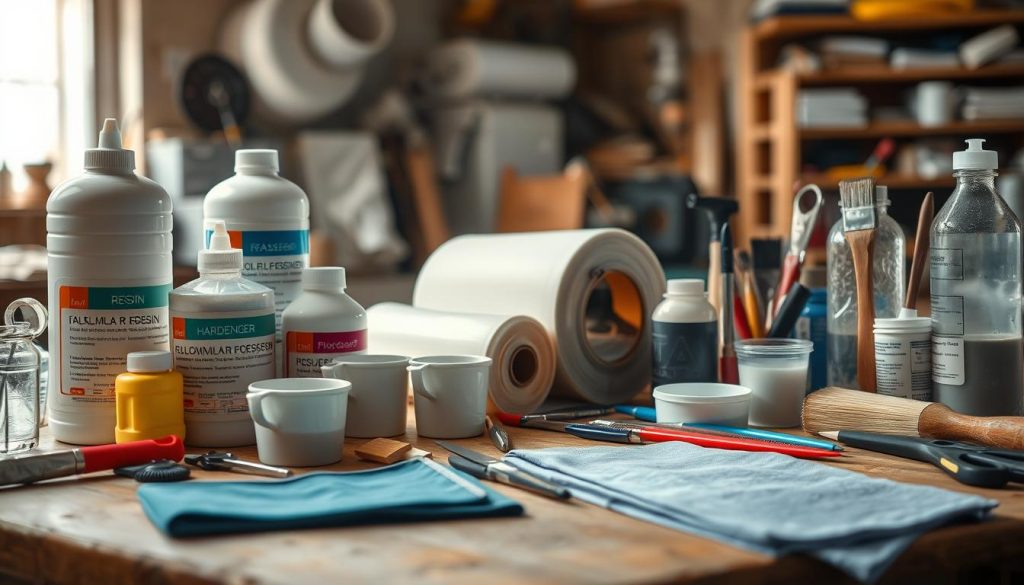
Having the right tools is fundamental to any fiberglass project. Essential tools include a resin applicator, mixing sticks, gloves, and a workspace that can be easily cleaned. A high-quality resin applicator ensures an even coat, while mixing sticks help in thorough blending of the resin and hardener.
Measuring and Mixing Equipment
Accurate measurement and mixing are critical in fiberglass work. Digital scales are indispensable for measuring resin and hardener accurately. Mixing cups and sticks are used for blending, ensuring that the mixture is consistent and free of air bubbles.
Material Quantity Calculations
Calculating the right amount of materials is vital to avoid waste and ensure project completion. To do this, measure your project’s surface area and calculate the amount of fiberglass mat or cloth needed. For resin, consider the thickness of the application and the absorbency of the material.
Quality vs. Cost Considerations
When it comes to fiberglass tools and materials, there’s often a trade-off between quality and cost. While it’s tempting to opt for cheaper materials, high-quality tools and materials can save money in the long run by reducing waste and improving durability.
The following table summarizes key considerations for tools and materials in fiberglass projects:
| Tool/Material | Quality Consideration | Cost Consideration |
|---|---|---|
| Fiberglass Mat | Density and weave affect strength | Higher quality mats are more expensive |
| Resin | Choose based on project requirements (e.g., epoxy for strength) | Epoxy resins are generally pricier than polyester |
| Mixing Equipment | Accurate digital scales improve mix quality | Digital scales are a one-time investment |
By understanding the tools and materials needed and making informed decisions about quality and cost, you can set your fiberglass project up for success.
Resin Selection: Choosing the Right Chemistry
When embarking on a fiberglass project, one of the most crucial decisions you’ll make is selecting the right type of resin, a choice that impacts the project’s outcome significantly. The resin acts as the matrix that holds the fiberglass reinforcement in place, providing the final product with its necessary strength and durability.
Polyester vs. Epoxy vs. Vinylester: Pros and Cons
The most commonly used resins in fiberglass projects are Polyester, Epoxy, and Vinylester, each with its unique characteristics. Polyester resin is often chosen for its cost-effectiveness and ease of use, making it a popular choice for beginners. However, it has lower mechanical properties compared to Epoxy. Epoxy resin, on the other hand, offers superior strength and chemical resistance but is generally more expensive and has a longer cure time. Vinylester resin strikes a balance between the two, offering better chemical resistance than Polyester and lower cost than Epoxy, though it can be more challenging to work with.
Understanding Cure Times and Working Windows
Cure time and working window are critical factors in resin selection. The working window refers to the time available to mix and apply the resin before it begins to cure. Different resins have varying working windows, ranging from a few minutes to several hours. Understanding these times is crucial for planning the project. The cure time affects the overall project timeline, with some resins curing faster than others. Choosing a resin that matches your project’s needs in terms of cure time is essential for meeting deadlines.
Additives and Modifiers for Special Applications
Depending on the specific requirements of your project, you may need to incorporate additives or modifiers into your resin. These can enhance properties such as UV resistance, fire retardancy, or color. For instance, adding UV stabilizers can protect the composite from degradation caused by sunlight exposure. It’s essential to understand how different additives interact with your chosen resin to achieve the desired outcome.
Reinforcement Materials: Beyond Basic Fiberglass Mat
Fiberglass reinforcement materials are crucial for the success of any project, offering a range of options beyond basic fiberglass mat. The choice of reinforcement can significantly impact the final product’s strength, durability, and overall performance.
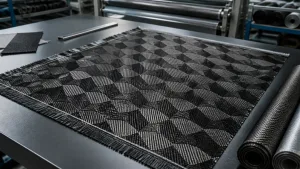
Fiberglass Cloth Types and Their Applications
Fiberglass cloth comes in various types, each designed for specific applications. The most common types include:
- Woven Roving: Ideal for hand lay-up processes, offering high strength and good drape.
- Chopped Strand Mat: Suitable for projects requiring uniform thickness and strength.
- Uni-Directional Cloth: Provides maximum strength in a single direction, perfect for applications where stress is primarily in one axis.
Choosing the right type of fiberglass cloth depends on the project’s specific requirements, including the desired mechanical properties and the manufacturing process.
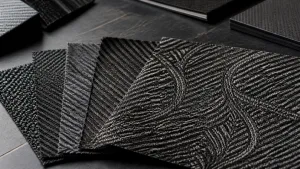
Specialized Reinforcements for Strength and Flexibility
Beyond standard fiberglass cloth, there are specialized reinforcements designed to enhance specific properties of the final product. These include:
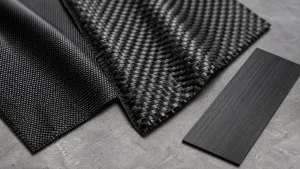
- Carbon Fiber: Offers exceptional strength-to-weight ratio, ideal for high-performance applications.
- Kevlar: Provides excellent impact resistance and is often used in applications requiring high toughness.
- Hybrid Reinforcements: Combining different materials, such as fiberglass and carbon fiber, to achieve a balance of properties.
These specialized reinforcements can be critical in achieving the desired performance characteristics in demanding applications.
Proper Cutting and Handling Techniques
Proper handling and cutting of fiberglass reinforcement materials are crucial to ensure the quality of the final product. Techniques include:
- Cutting with Sharp Tools: To prevent fraying and ensure clean cuts.
- Handling with Clean Hands: To prevent contamination and ensure good adhesion.
- Storing in Dry Conditions: To prevent moisture absorption, which can affect resin adhesion and curing.
By following these techniques, you can minimize waste and ensure that your reinforcement materials perform as expected.
In conclusion, the selection and handling of fiberglass reinforcement materials play a vital role in the success of fiberglass projects. By understanding the different types of materials available and how to properly work with them, you can achieve the desired properties in your final product.
Project Planning: Mapping Your Process
Before diving into your fiberglass project, it’s crucial to map out your process. Effective planning can make the difference between a successful project and one that’s fraught with delays and complications.
Creating a Step-by-Step Workflow
A well-structured workflow is essential for managing complex fiberglass projects. Start by breaking down your project into smaller, manageable tasks. This could include preparation, application, curing, and finishing. By creating a step-by-step guide, you can ensure that each phase is completed efficiently and effectively.
As
“The way to get started is to quit talking and begin doing.” – Walt Disney
This quote emphasizes the importance of taking action, but with a well-planned approach, you’re more likely to achieve your desired outcome.
Timing Considerations for Multi-Stage Projects
Timing is critical in multi-stage fiberglass projects. Understanding the cure times and working windows of your materials is vital. Create a timeline that accounts for these factors, as well as potential delays due to weather or material availability.
- Plan for contingencies in your timeline.
- Allow for sufficient curing time between stages.
- Be prepared to adjust your schedule as needed.
Building in Contingencies for Common Issues
No matter how well you plan, issues can still arise. Common problems include resin not curing properly or fiberglass not adhering correctly. By anticipating these potential issues, you can develop contingency plans, such as having additional materials on hand or knowing how to troubleshoot common problems.
By following these guidelines and being prepared, you can ensure a successful fiberglass project that meets your expectations.
Surface Preparation: The Foundation of Success
Surface preparation is more than just a preliminary step; it’s the foundation upon which your fiberglass project’s success is built. A well-prepared surface ensures a strong bond between the fiberglass and the substrate, leading to a durable and high-quality finish.
Cleaning and Degreasing Techniques
Before applying fiberglass, the surface must be thoroughly cleaned and degreased. Use a solvent like acetone or a dedicated degreaser to remove dirt, oil, and other contaminants. Ensure the surface is completely dry before proceeding.
“A clean surface is crucial for achieving a strong bond,” emphasizes experts in the field. Proper cleaning techniques can significantly impact the final result of your project.
Creating Proper Adhesion Surfaces
To create a surface that promotes good adhesion, you may need to roughen it slightly. This can be done using sandpaper or a sanding block. The goal is to create a surface that is not too smooth, as this can lead to poor adhesion.
- Roughen the surface using 80-grit sandpaper.
- Wipe away dust and debris.
- Apply a suitable primer if necessary.
Using Mold Release Agents Effectively
When working with molds, applying a mold release agent is crucial to prevent the fiberglass from sticking to the mold. Choose the right type of release agent for your specific application, and apply it according to the manufacturer’s instructions.
A good mold release agent can make a significant difference in the ease of removing your project from the mold, ensuring a smooth finish.
Conclusion: Setting Yourself Up for Fiberglass Success
Successfully completing a fiberglass project requires meticulous preparation, the right materials, and a well-planned approach. By understanding the basics of fiberglass, taking necessary safety precautions, and preparing your workspace, you set the stage for a successful DIY fiberglass project.
To achieve fiberglass project success, it’s crucial to select the right resin and reinforcement materials for your specific application. Proper project planning, including mapping your process and preparing your surface, ensures a smooth execution. By following these fiberglass project success tips, you’ll be well on your way to creating durable, high-quality DIY fiberglass products.
As you embark on your DIY fiberglass journey, remember that patience and attention to detail are key. With the knowledge gained from this guide, you’re now better equipped to tackle your fiberglass projects with confidence, achieving professional-grade results in your home workshop or on your job site.
FAQ
What are the most common mistakes to avoid when starting a fiberglass project?
Common mistakes include inadequate surface preparation, incorrect resin selection, and insufficient safety precautions. Ensuring proper preparation and understanding the materials and safety measures can significantly reduce the risk of errors.
How do I choose the right type of fiberglass for my project?
The choice of fiberglass depends on the project’s requirements, including the desired strength, flexibility, and durability. Consider factors such as the type of resin to be used, the project’s size, and the intended application to select the appropriate fiberglass material.
What safety gear is essential for working with fiberglass?
Essential safety gear includes gloves, safety glasses, a dust mask, and protective clothing. Ensuring proper ventilation and having emergency procedures in place are also crucial for safe fiberglass work.
How do I prepare my workspace for a fiberglass project?
Preparing your workspace involves controlling temperature and humidity, preparing work surfaces, and protecting surrounding areas from resin and fiberglass dust. A well-prepared workspace helps ensure a successful project.
What are the key considerations for selecting the right resin for my fiberglass project?
Key considerations include the project’s requirements, the type of fiberglass being used, and the desired properties of the finished product. Understanding the pros and cons of different resin types, such as polyester, epoxy, and vinylester, is essential for making an informed decision.
How do I calculate the correct amount of materials needed for my fiberglass project?
Calculating the correct amount of materials involves considering the project’s size, the type and quantity of fiberglass required, and the resin’s coverage rate. Accurate calculations help minimize waste and ensure the project’s success.
What are some common issues that can arise during a fiberglass project, and how can I troubleshoot them?
Common issues include resin that doesn’t cure properly, uneven surfaces, and air bubbles. Troubleshooting involves identifying the cause of the issue and taking corrective action, such as adjusting the resin mixture or applying additional coats.
How do I ensure proper adhesion between layers of fiberglass?
Ensuring proper adhesion involves preparing the surface correctly, applying the correct amount of resin, and allowing the previous layer to cure before adding the next. Proper adhesion is critical for achieving a strong and durable finished product.
What are some best practices for working with fiberglass reinforcement materials?
Best practices include handling the materials carefully to avoid damage, cutting them accurately to size, and applying them correctly to the project. Understanding the different types of reinforcement materials and their applications is also essential.
How can I achieve a smooth finish on my fiberglass project?
Achieving a smooth finish involves ensuring proper surface preparation, applying thin and even coats of resin, and sanding the finished surface. Attention to detail and patience are key to achieving a high-quality finish.
Add comment