

Working with fiberglass and resin can be a daunting task, especially for DIY enthusiasts. However, understanding the common pitfalls can make a significant difference in the success of your projects.
Mistakes in resin application can lead to costly errors, compromising the structural integrity of your work. By being aware of these potential issues, you can take steps to avoid them and ensure a successful outcome.
Key Takeaways
- Avoid common fiberglass mistakes by following proper safety protocols.
- Understand the importance of correct resin application techniques.
- Learn how to identify and rectify errors in your DIY fiberglass projects.
- Improve your project’s success rate by avoiding costly mistakes.
- Master the skills needed to work effectively with resin and fiberglass.
Understanding Fiberglass and Resin Basics
To harness the full potential of fiberglass and resin, it’s essential to grasp the basics of these versatile yet challenging materials. Fiberglass, a type of glass fiber, provides strength and durability, while resin acts as a binding agent, holding the fibers together and giving the composite its shape and form.
Challenges for Beginners
One of the primary challenges beginners face when working with composite materials like fiberglass and resin is understanding their unique properties and how they interact. For instance, the viscosity of the resin, the weave of the fiberglass, and the environmental conditions during application can all significantly impact the final product.
Moreover, achieving a smooth, bubble-free finish requires a good understanding of the resin chemistry and the techniques for applying it correctly. Beginners often struggle with mixing the resin and hardener in the correct ratios, which can lead to a weak or improperly cured final product.
The Chemistry Behind Successful Projects
The chemistry behind successful fiberglass and resin projects lies in the proper mixing and application of the resin. The resin and hardener must be mixed in the correct ratio to initiate the curing process. Understanding the resin chemistry helps in predicting how the mixture will behave under different conditions, such as temperature and humidity, ensuring a successful outcome.
By grasping these fundamental concepts, beginners can better navigate the challenges associated with working with composite materials, ultimately leading to more successful projects.
Inadequate Safety Precautions
Ensuring safety while working with fiberglass and resin is crucial for the success of your project and your health. Many DIY enthusiasts and professionals overlook the potential hazards associated with these materials, leading to preventable health issues. It’s essential to understand the risks and take appropriate measures to mitigate them.
Respiratory Protection Oversights
One of the most critical safety oversights is inadequate respiratory protection. When working with fiberglass and resin, it’s easy to inhale harmful particles and fumes. Always wear a respirator mask that is designed to filter out fine particles and organic vapors. Look for masks with a rating that meets or exceeds your project’s requirements.
- Choose a respirator with filters that capture 99.97% of particles as small as 0.3 microns.
- Ensure a proper fit to prevent leakage around the mask.
- Replace filters regularly according to the manufacturer’s instructions.
Skin Contact Issues and Chemical Burns
Skin contact with fiberglass and resin can cause irritation, allergic reactions, and in severe cases, chemical burns. Protective clothing is your first line of defense. Wear long sleeves, gloves, and safety goggles to minimize exposed skin. If you do come into contact with these materials, wash the affected area thoroughly with soap and water.
https://www.youtube.com/watch?v=Yarrz6g3gK0
Workspace Ventilation Problems
Proper workspace ventilation is vital to prevent the accumulation of harmful fumes from resin and other chemicals. Ensure your workspace is well-ventilated by opening windows or using fans. Consider using a ventilation system designed to remove airborne contaminants. This not only protects your health but also improves the quality of your work.
- Position fans to create a cross breeze that sweeps away fumes.
- Use activated carbon filters to absorb chemical vapors.
- Regularly inspect and maintain your ventilation system.
By addressing these common safety oversights, you can significantly reduce the risks associated with working with fiberglass and resin. Remember, safety is an ongoing process that requires attention and adaptation as your projects evolve.
Common Mistakes When Mixing Fiberglass and Resin
When it comes to mixing fiberglass and resin, precision is key, and understanding the common pitfalls can make all the difference between a successful project and a failed one. The integrity of your project depends heavily on how well you mix these two components.
Incorrect Resin-to-Hardener Ratios
One of the most critical mistakes is using incorrect resin-to-hardener ratios. The ratio is usually specified by the manufacturer, and deviating from it can lead to under-curing or over-curing of the resin. Under-curing results in a weak and soft finish, while over-curing can make the resin brittle. To avoid this, always measure the components accurately using a digital scale.
It’s also crucial to mix the resin and hardener thoroughly. Inadequate mixing can lead to uneven curing, affecting the overall strength and appearance of your project. Use a mixing stick or a mechanical mixer to ensure that the components are well combined.
Temperature and Mixing Time Errors
Temperature control is another vital aspect of mixing fiberglass and resin. Most resins have an optimal temperature range for application. Working in a room that is too cold or too hot can affect the curing process. For instance, high temperatures can accelerate curing, potentially leading to a finish that is not smooth.
Mixing time is also a factor that can significantly impact the outcome. Mixing too slowly or too quickly can affect the resin’s viscosity and curing time. It’s essential to follow the manufacturer’s guidelines for mixing time and to work in a well-ventilated area to prevent inhaling fumes.
Surface Preparation Failures
One of the most critical steps in working with fiberglass and resin is often overlooked: surface preparation. A well-prepared surface is crucial for ensuring a strong bond between the fiberglass and resin and the underlying material, whether it’s wood, metal, or another substrate.
Failing to properly prepare the surface can lead to a myriad of problems, including poor adhesion, uneven finishes, and reduced durability of the final product. Let’s delve into some of the most common surface preparation failures.
Insufficient Cleaning Techniques
Cleaning the surface before applying fiberglass and resin is essential to remove dirt, grease, and other contaminants that could interfere with adhesion. Insufficient cleaning techniques can lead to a weak bond. To avoid this, use a suitable solvent to thoroughly clean the surface, and ensure it’s dry before proceeding.
- Use a degreaser or acetone to remove grease and oils.
- Wipe down the surface with a clean, lint-free cloth.
- Inspect the surface for any remaining contaminants.
Sanding Mistakes Before Application
Sanding is another critical step in surface preparation. Sanding mistakes can result in a surface that’s either too smooth or too rough for optimal adhesion. The goal is to create a surface that is rough enough for the fiberglass and resin to mechanically bond but not so rough that it creates unevenness.
As noted by a renowned expert, “The key to successful sanding is using the right grit for the job and ensuring the surface is evenly sanded.”
“Sanding is not just about making the surface rough; it’s about creating a uniform texture that allows for maximum adhesion.”
Release Agent Application Errors
When working with molds, applying a release agent is crucial to prevent the fiberglass and resin from sticking to the mold. However, release agent application errors can lead to problems. Applying too much or too little release agent can affect the final product’s quality. Always follow the manufacturer’s instructions for application rates and methods.
To summarize, proper surface preparation is key to a successful fiberglass and resin application. By avoiding common mistakes such as insufficient cleaning, sanding errors, and release agent misapplication, you can ensure a strong, durable bond and a high-quality finish.
Application Technique Errors
One of the most critical phases in working with fiberglass and resin is the application, where technique can make or break the project’s success. Achieving a flawless finish requires attention to detail and a thorough understanding of the materials.
Improper Layering of Fiberglass Cloth
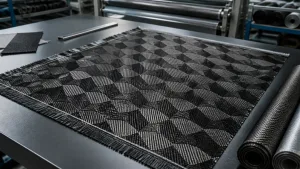
Layering fiberglass cloth correctly is fundamental to the structural integrity of the final product. Incorrect layering can lead to weak spots and compromised durability. To avoid this, ensure that each layer is applied smoothly and evenly, with adequate overlap to prevent gaps.
As noted by a leading expert, “The key to successful layering lies in the preparation and the patience to apply each layer methodically.”
“Patience and attention to detail are crucial when layering fiberglass cloth.”
Air Bubble Formation and Prevention
Air bubbles are a common issue during the application of fiberglass and resin. They can be prevented by using a roller or squeegee to work out the bubbles as you apply the resin. Ensuring the surface is clean and dry before application also helps.
Effective air bubble prevention techniques include using the right tools and working in a well-ventilated area.
Uneven Resin Distribution Problems
Uneven resin distribution can lead to a finish that is both aesthetically unpleasing and structurally unsound. To achieve an even distribution, it’s crucial to mix the resin correctly and apply it in a controlled manner. Using a mixing stick or spreader can help ensure an even coat.
Maintaining a consistent resin-to-hardener ratio is also vital for preventing uneven distribution and ensuring the final product cures properly.
Curing and Drying Misconceptions
Curing and drying are not just about waiting for the resin to harden; they involve a complex interplay of factors that can significantly affect the final outcome of your project. Understanding these factors is crucial for achieving a durable and high-quality finish.
Temperature Control Issues
Temperature plays a vital role in the curing process. Most resins cure best within a specific temperature range, typically between 65°F to 75°F (18°C to 24°C). Working outside this range can lead to improper curing, affecting the structural integrity and appearance of your project.
Rushing the Curing Process
Impatience can be a significant obstacle when working with fiberglass and resin. Rushing the curing process can result in a weak bond between layers, leading to delamination or a soft, tacky surface. It’s essential to allow the resin to cure at its own pace, as dictated by the manufacturer’s instructions and environmental conditions.
Humidity Effects on Final Results
Humidity is another critical factor that can influence the curing process. High humidity can slow down the curing or cause the resin to become cloudy. Conversely, very low humidity can cause the resin to cure too quickly, potentially leading to cracks. Maintaining a controlled environment can help mitigate these issues.
By understanding and managing these factors, you can significantly improve the quality and durability of your fiberglass and resin projects.
Storage and Shelf Life Mistakes
One of the most overlooked aspects of working with fiberglass and resin is how to store them correctly. Proper material storage is essential to maintain the quality and effectiveness of these materials. When stored incorrectly, fiberglass and resin can degrade, leading to poor project outcomes.
Improper Material Storage Conditions
Storing fiberglass and resin in inappropriate conditions can significantly affect their shelf life. Fiberglass should be kept in a dry, cool place, away from direct sunlight, while resin and hardeners should be stored in a cool, well-ventilated area, away from heat sources and open flames. It’s also crucial to keep these materials in their original, sealed containers to prevent contamination and exposure to air.
Using Expired or Degraded Products
Using expired products or those that have degraded over time can compromise the integrity of your projects. Always check the expiration dates on resin and hardeners before use. If the products have been stored improperly or are past their expiration dates, it’s best to err on the side of caution and dispose of them. Degraded products can lead to weak bonding, uneven curing, and other issues that can ruin your projects.
Tool Selection and Cleanup Problems
When it comes to fiberglass and resin, having the right tools can make all the difference between a mediocre and a masterpiece project. The effectiveness of your project heavily relies on the tools you choose to use, and equally important is how you maintain and clean them.
Using the Wrong Application Tools
Selecting the appropriate tools for applying fiberglass and resin is critical. Using the wrong tools can lead to uneven application, wasted material, and a poor finish. For instance, using a brush with synthetic bristles can react with the resin, causing it to degrade or not adhere properly.
Recommended tools include high-quality brushes with natural bristles or specialized foam brushes that are designed for use with resin. Additionally, using the correct notched trowel or spreader can significantly improve the application process.
Improper Tool Maintenance
Maintaining your tools properly is just as important as selecting the right ones. Failure to clean and store tools correctly can result in them becoming unusable for future projects. For example, resin that is allowed to harden on a brush can ruin it.
“A clean tool is a happy tool.” Regular maintenance not only prolongs the life of your tools but also ensures that they perform consistently across projects.
- Clean tools immediately after use with appropriate solvents.
- Store tools in a dry, cool place, away from direct sunlight.
- Regularly inspect tools for damage or wear.
Hazardous Cleanup Practices
Cleanup after working with fiberglass and resin requires careful consideration to avoid health hazards. Improper disposal of rags and materials soaked in resin can lead to fires, while not using protective gear during cleanup can expose you to harmful chemicals.
| Cleanup Practice | Safety Measure |
|---|---|
| Disposing of Rags | Soak rags in water before disposing of them in a sealed container. |
| Protective Gear | Wear gloves, goggles, and a mask during cleanup. |
| Workspace Cleaning | Use a vacuum with a HEPA filter to remove fiberglass particles. |
By focusing on the right tool selection, proper maintenance, and safe cleanup practices, you can significantly improve the outcome of your fiberglass and resin projects. It’s about creating a workflow that is efficient, safe, and conducive to producing high-quality results.
Conclusion: Mastering Your Fiberglass and Resin Projects
Mastering fiberglass and resin projects requires attention to detail, the right techniques, and a thorough understanding of the materials involved. By avoiding common mistakes, such as inadequate safety precautions and incorrect mixing ratios, you can ensure successful outcomes.
To achieve DIY mastery, it’s essential to follow resin project tips, including proper surface preparation, application techniques, and curing processes. Understanding the chemistry behind fiberglass and resin is also crucial for achieving professional-grade results.
By applying the knowledge gained from this article, you can improve your skills in mastering fiberglass projects. Remember to store materials correctly, use the right tools, and follow safe cleanup practices to maintain a safe working environment.
With practice and patience, you’ll be able to tackle complex projects with confidence. By incorporating these tips and techniques into your workflow, you’ll be well on your way to achieving mastery in your fiberglass and resin projects.
FAQ
What are the most common mistakes when working with fiberglass and resin?
Common mistakes include inadequate safety precautions, incorrect mixing ratios, insufficient surface preparation, and improper application techniques.
How do I ensure proper respiratory protection when working with fiberglass and resin?
Use a respirator mask rated for organic vapors and follow the manufacturer’s guidelines for use and maintenance.
What is the correct resin-to-hardener ratio, and why is it important?
The correct ratio varies by product, but it’s typically specified by the manufacturer. Using the wrong ratio can lead to inadequate curing, reduced strength, or a failed project.
How should I prepare surfaces before applying fiberglass and resin?
Clean the surface thoroughly, sand it to create a suitable bonding surface, and apply a release agent if necessary.
What are the consequences of improper layering of fiberglass cloth?
Improper layering can lead to uneven resin distribution, air bubbles, and reduced structural integrity.
How can I prevent air bubbles from forming during application?
Use a squeegee or roller to remove air bubbles, and work in a well-ventilated area to minimize the risk of bubble formation.
What are the effects of temperature and humidity on the curing process?
Temperature and humidity can significantly impact the curing process. High temperatures can accelerate curing, while low temperatures can slow it. High humidity can lead to a tacky surface or incomplete curing.
How should I store fiberglass and resin to maintain their viability?
Store them in a cool, dry place, away from direct sunlight and moisture. Follow the manufacturer’s guidelines for storage and shelf life.
What are the risks associated with using expired or degraded products?
Using expired or degraded products can lead to reduced performance, inadequate curing, or project failure.
How can I ensure safe cleanup practices when working with fiberglass and resin?
Wear protective gear, including gloves and safety glasses, and follow the manufacturer’s guidelines for cleanup and disposal.
Add comment