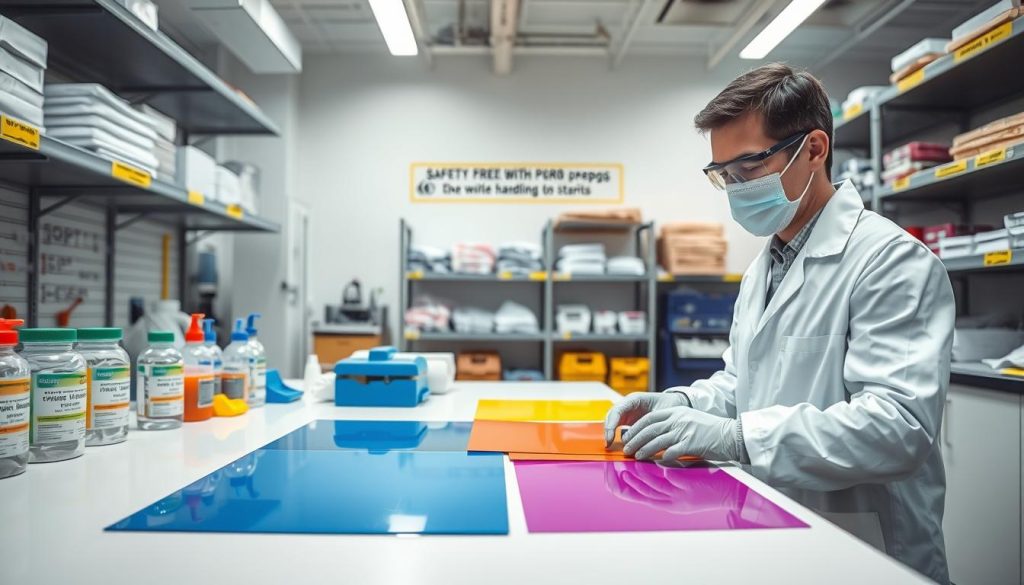


Composite materials have revolutionized various industries, including aerospace, automotive, and sports equipment manufacturing. At the heart of these advancements are prepregs, a crucial component in creating high-performance composite materials.
Prepregs are pre-impregnated materials that consist of a reinforcement material, such as carbon fibers, impregnated with a resin system. This combination provides exceptional mechanical properties, making prepregs ideal for producing advanced composites used in demanding applications.
The significance of prepregs lies in their ability to offer consistent quality, improved manufacturing efficiency, and enhanced performance characteristics. As industries continue to demand higher performance and lighter materials, the role of prepregs becomes increasingly vital.
Key Takeaways
- Prepregs are pre-impregnated materials used in creating advanced composites.
- They consist of reinforcement materials and a resin system.
- Prepregs offer consistent quality and improved manufacturing efficiency.
- They are crucial in industries such as aerospace and automotive.
- Prepregs enable the production of high-performance composite materials.
The Fundamentals of Prepregs
Prepregs form the backbone of modern composite materials used in various industries. To understand their significance, it’s essential to delve into their definition, basic composition, and historical development.
Definition and Basic Composition
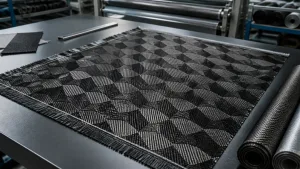
Prepregs, or pre-impregnated composite materials, are a combination of reinforcement fibers and a resin system. The fibers provide strength and stiffness, while the resin binds the fibers together and transfers loads between them. The precise control over the resin content and fiber distribution in prepregs results in consistent material properties, making them highly desirable for critical applications.
History and Development of Composite Materials
The history of composite materials dates back to ancient times when straw-reinforced clay was used for building construction. However, modern composite materials began to take shape in the mid-20th century with the development of advanced fibers like carbon and Kevlar. The introduction of prepregs marked a significant milestone in this evolution, enabling the production of high-performance composites with tailored properties.
The development of prepregs has been driven by the need for materials that can withstand extreme conditions in aerospace, automotive, and other industries. Today, prepregs are used in a wide range of applications, from aircraft structures to sports equipment.
The Science Behind Prepregs
Prepregs owe their unique properties to the combination of advanced resin systems and high-performance fiber reinforcements. The synergy between these components is crucial for the overall performance of prepregs in various applications.
Resin Systems Used in Prepregs
The resin system is a critical component of prepregs, determining their chemical and thermal properties. Different types of resins are used, each with its own set of characteristics.
Epoxy Resins
Epoxy resins are widely used due to their excellent mechanical properties and resistance to chemicals. They are particularly favored in aerospace applications.
Phenolic Resins
Phenolic resins offer good fire resistance and are often used in applications where this property is critical.
Bismaleimide Resins
Bismaleimide resins provide high thermal stability, making them suitable for high-temperature applications.
Fiber Reinforcements
The choice of fiber reinforcement significantly affects the mechanical properties of prepregs. Common types include:
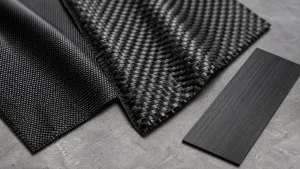
- Carbon Fiber: Known for its high strength-to-weight ratio, carbon fiber is widely used in aerospace and sports equipment.
- Glass Fiber: Glass fiber offers a good balance between cost and performance, making it suitable for a variety of applications.
- Aramid Fiber: Aramid fibers are known for their high impact resistance and are often used in ballistic protection.
| Fiber Type | Strength | Cost | Common Applications |
|---|---|---|---|
| Carbon Fiber | High | High | Aerospace, Sports Equipment |
| Glass Fiber | Medium | Medium | Automotive, Marine |
| Aramid Fiber | High | High | Ballistic Protection, Aerospace |
Types of Prepregs
Understanding the different types of prepregs is crucial for selecting the appropriate material for specific applications. Prepregs are categorized based on their resin systems and fiber reinforcements, which determine their mechanical properties and suitability for various industries.
Thermoset Prepregs
Thermoset prepregs are the most commonly used type, known for their high thermal stability and resistance to deformation under heat. They are widely used in aerospace and automotive applications due to their excellent mechanical properties and durability. Thermoset prepregs are available with various resin systems, including epoxy, phenolic, and BMI.
Thermoplastic Prepregs
Thermoplastic prepregs offer the advantage of being recyclable and reprocessable, making them an attractive option for applications where sustainability is a concern. They are used in various high-performance applications, including aerospace and sporting goods, due to their toughness and resistance to impact.
Specialty and Custom Prepregs
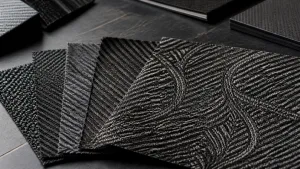
Specialty and custom prepregs are designed to meet specific requirements, such as unique resin formulations or specialized fiber architectures. These prepregs are used in niche applications where standard materials do not meet the necessary performance criteria. Examples include prepregs with enhanced electrical conductivity or those designed for high-temperature environments.
In summary, the choice of prepreg type depends on the specific requirements of the application, including mechanical properties, thermal stability, and environmental considerations. By understanding the different types of prepregs available, manufacturers can select the most appropriate material for their needs.
Manufacturing Process of Prepregs
To produce high-quality prepregs, manufacturers must adhere to a rigorous manufacturing process. This process involves several critical steps that ensure the final product meets the required specifications.
Hot Melt Process
The hot melt process is a widely used method for manufacturing prepregs. It involves heating the resin to a molten state and then impregnating it into the reinforcement fibers. This process allows for precise control over the resin content and fiber alignment.
- Advantages: Uniform resin distribution, improved fiber wet-out
- Applications: Aerospace, automotive, and sporting goods industries
Solvent Dip Process
The solvent dip process involves dipping the reinforcement fibers into a resin solution. The solvent is then evaporated, leaving behind a layer of resin on the fibers. This process is particularly useful for producing prepregs with specific resin contents.
Quality Control Measures
To ensure the production of high-quality prepregs, manufacturers implement various quality control measures. These measures include resin content testing and fiber alignment verification.
Resin Content Testing
Resin content testing is critical to ensuring that the prepreg meets the required specifications. This involves measuring the amount of resin present in the prepreg.
Fiber Alignment Verification
Fiber alignment verification is another important quality control measure. It involves checking the alignment of the reinforcement fibers to ensure they are properly oriented.
- Verify fiber alignment using X-ray or optical microscopy
- Check for any defects or irregularities in the prepreg
By implementing these quality control measures, manufacturers can ensure the production of high-quality prepregs that meet the required specifications.
Benefits of Using Prepregs
Prepregs offer numerous advantages that make them a preferred choice in various high-performance applications. Their unique characteristics provide several benefits, making them ideal for industries that require high-quality composite materials.
Consistency and Reliability
One of the primary advantages of prepregs is their consistency and reliability. Prepregs are manufactured under controlled conditions, ensuring uniform resin content and fiber distribution. This consistency leads to predictable performance and reduced variability in the final product.
Superior Mechanical Properties
Prepregs exhibit superior mechanical properties due to the high-quality fibers and resins used. The controlled manufacturing process allows for optimal fiber alignment and resin distribution, resulting in enhanced strength and durability.
Time and Cost Efficiency
Using prepregs can significantly reduce production time and costs. The pre-impregnated nature of these materials eliminates the need for separate resin application, streamlining the manufacturing process.
Weight Reduction Advantages
Prepregs enable the creation of lightweight, high-strength components. By optimizing the fiber and resin combination, manufacturers can achieve significant weight reductions without compromising performance.
The benefits of prepregs, including consistency, superior mechanical properties, time and cost efficiency, and weight reduction advantages, make them an attractive choice for various industries.
Applications of Prepregs
The versatility of prepregs is evident in their widespread adoption across multiple sectors. These advanced composite materials are being utilized in a variety of industries, transforming the way products are designed and manufactured.
Aerospace Industry
In the aerospace industry, prepregs are used to create lightweight, high-strength components that can withstand extreme conditions. Boeing and Airbus are among the major manufacturers leveraging prepregs for aircraft parts.
Automotive Sector
The automotive sector benefits from prepregs through the production of lighter vehicles, improving fuel efficiency and reducing emissions. Manufacturers like BMW and Ford are incorporating prepregs into their production lines.
| Industry | Application | Benefits |
|---|---|---|
| Aerospace | Aircraft components | Lightweight, high strength |
| Automotive | Vehicle body parts | Improved fuel efficiency |
| Sporting Goods | Bicycle frames, golf clubs | Enhanced performance, durability |
| Marine | Boat hulls, masts | Corrosion resistance, strength |
| Wind Energy | Wind turbine blades | Efficiency, durability |
Sporting Goods
Sporting goods manufacturers use prepregs to create high-performance equipment such as bicycle frames and golf clubs, enhancing both performance and durability.
Marine Applications
In marine applications, prepregs are utilized for constructing boat hulls and masts, offering corrosion resistance and strength.
Wind Energy Components
The wind energy sector relies on prepregs for producing wind turbine blades, which require the material’s efficiency and durability.
Essential Tools and Equipment for Working with Prepregs
Working with prepregs requires a range of specialized tools and equipment to ensure optimal results. The right equipment is crucial for handling, cutting, and curing prepregs effectively.
Storage and Handling Equipment
Proper storage is vital to maintain the quality of prepregs. This includes using sealed containers and refrigeration units to control temperature and humidity. Handling equipment such as gloves and clean work surfaces are also essential to prevent contamination.
Cutting and Layup Tools
For cutting prepregs, specialized scissors and knives are necessary. Additionally, templates and patterns help achieve accurate cuts and layup configurations.
- Specialized Scissors and Knives: Designed for cutting prepreg materials without causing damage.
- Templates and Patterns: Aid in achieving precise cuts and layups.
Curing Equipment
Curing is a critical step in working with prepregs, requiring specific equipment.
- Autoclaves: Provide controlled pressure and temperature conditions for curing.
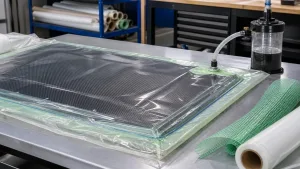
- Vacuum Bagging Supplies: Essential for removing air and ensuring even pressure distribution during the curing process.
By utilizing the appropriate tools and equipment, manufacturers can ensure high-quality outcomes when working with prepregs.
Step-by-Step Guide to Using Prepregs
The process of working with prepregs involves several critical steps, starting with preparation and planning. To ensure a successful outcome, it’s crucial to understand each stage of the process.
Preparation and Planning
Before beginning to work with prepregs, material selection is the first critical step. Choosing the right prepreg material depends on the specific application and desired properties of the final product.
Material Selection
Consider factors such as resin type, fiber reinforcement, and the intended use of the final product when selecting a prepreg material.
Tool Preparation
Ensure that all tools and molds are clean, dry, and prepared according to the manufacturer’s instructions to prevent any contamination or defects.
Material Handling and Cutting
Thawing procedures are essential when working with prepregs that have been stored at low temperatures. Allow the material to thaw according to the manufacturer’s guidelines.
Thawing Procedures
Follow the recommended thawing time and temperature to prevent degradation of the material.
Cutting Techniques
Use appropriate cutting tools and techniques to minimize waste and ensure accurate cuts.
Layup Techniques
Orientation and stacking sequence are critical during the layup process. Ensure that the fibers are aligned according to the design specifications.
Orientation and Stacking Sequence
Carefully plan the stacking sequence to achieve the desired mechanical properties.
Debulking Processes
Perform debulking at regular intervals during the layup process to remove air and ensure a compact laminate.
Vacuum Bagging Process
The vacuum bagging process is crucial for achieving a high-quality laminate. Selecting the right bagging materials is essential.
Bagging Materials
Choose materials that are compatible with the curing temperature and pressure.
Achieving Proper Seal
Ensure that the vacuum bag is sealed properly to prevent leaks and maintain the required vacuum pressure.
Curing Cycle
The curing cycle involves controlling both temperature profiles and pressure requirements. Follow the manufacturer’s recommended curing schedule.
Temperature Profiles
Monitor the temperature closely to ensure it stays within the specified range.
Pressure Requirements
Apply the required pressure to achieve the desired laminate thickness and quality.
Safety Considerations When Working with Prepregs
Safety is paramount when handling prepregs, as they involve materials and processes that can pose health risks if not managed properly. Ensuring a safe working environment requires attention to several key factors.
Personal Protective Equipment
Using personal protective equipment (PPE) is crucial when working with prepregs. This includes gloves, safety glasses, and protective clothing to prevent skin contact and eye irritation. Proper PPE can significantly reduce the risk of injury.
Ventilation Requirements
Adequate ventilation is essential to prevent the inhalation of harmful fumes and particles. Work areas should be well-ventilated, and local exhaust ventilation systems should be used when necessary.
Chemical Handling Precautions
Handling chemicals associated with prepregs requires caution. Follow the manufacturer’s instructions for handling, storage, and disposal. Always read the safety data sheet (SDS) before using any chemical.
Waste Disposal Guidelines
Proper disposal of prepreg waste is critical to prevent environmental contamination. Follow local regulations and guidelines for disposing of composite materials and chemicals.
| Safety Measure | Description |
|---|---|
| Personal Protective Equipment | Gloves, safety glasses, protective clothing |
| Ventilation | Adequate ventilation, local exhaust systems |
| Chemical Handling | Follow manufacturer’s instructions, read SDS |
| Waste Disposal | Follow local regulations, proper disposal methods |
Storage and Shelf Life of Prepregs
Prepregs require specific storage conditions to maintain their integrity and extend their shelf life. Proper storage is essential to prevent degradation and ensure that prepregs remain usable for their intended applications.
Temperature Requirements
The ideal storage temperature for prepregs typically ranges between -18°C to 4°C (0°F to 39°F). Some prepreg systems may have specific temperature requirements, so it’s essential to consult the manufacturer’s guidelines.
Humidity Control
Humidity is another critical factor that affects the shelf life of prepregs. High humidity can lead to moisture absorption, which can degrade the material. Maintaining a dry environment is vital to prevent this issue.
Extending Shelf Life
To extend the shelf life of prepregs, it’s crucial to follow proper storage and handling procedures. This includes storing them in airtight containers and minimizing exposure to light and contaminants.
Out-time Management
Out-time refers to the duration prepregs are exposed to ambient conditions before curing. Managing out-time is critical to prevent material degradation. Monitoring out-time and adhering to the manufacturer’s recommended limits is essential.
“Proper storage and handling of prepregs are critical to maintaining their quality and ensuring successful composite manufacturing.”
Common Mistakes and Troubleshooting
Understanding the common mistakes associated with prepregs is crucial for successful composite manufacturing. Prepregs, while offering numerous advantages, can present challenges if not handled and processed correctly.
Improper Storage Issues
Improper storage is a common mistake that can lead to prepreg degradation. Factors such as temperature and humidity play a significant role in maintaining the quality of prepregs.
Temperature Fluctuations
Temperature fluctuations can cause the resin to advance or cure prematurely, affecting the material’s usability. It’s essential to store prepregs within the recommended temperature range.
Exceeding Out-time Limits
Exceeding the out-time limits can result in reduced material performance. Monitoring the out-time and adhering to the manufacturer’s guidelines is crucial.
Layup and Vacuum Bagging Errors
Errors during the layup and vacuum bagging process can lead to defects in the final product. Common issues include bridging, wrinkles, and vacuum leaks.
Bridging and Wrinkles
Bridging and wrinkles occur when the prepreg does not conform properly to the mold surface. Ensuring proper layup techniques can mitigate these issues.
Vacuum Leaks
Vacuum leaks can compromise the vacuum bagging process, leading to poor consolidation. Regular inspection of the vacuum bag system is necessary.
Curing Problems and Solutions
Curing is a critical step in the prepreg processing. Issues such as undercuring and thermal runaway can occur if the curing process is not properly controlled.
Undercuring
Undercuring results in incomplete resin cure, affecting the mechanical properties of the composite. Ensuring the correct curing temperature and time is vital.
Thermal Runaway
Thermal runaway is a condition where excessive heat buildup causes uncontrolled curing. Monitoring the curing process and controlling the temperature is essential to prevent this.
Conclusion
Prepregs have revolutionized various industries with their unique properties and advantages. By understanding the fundamentals, types, and manufacturing process of prepregs, manufacturers can harness their potential to create high-quality composite materials.
The benefits of using prepregs, including consistency, superior mechanical properties, and time efficiency, make them an ideal choice for applications in aerospace, automotive, and sporting goods. Proper handling, storage, and curing techniques are crucial to achieving optimal results.
In summary, prepregs offer a versatile solution for various industries, and their effective use can lead to significant improvements in product performance and manufacturing efficiency. By applying the knowledge gained from this article, readers can unlock the full potential of prepregs and drive innovation in their respective fields, providing a comprehensive prepregs summary.
FAQ
What are prepregs and how are they used?
Prepregs, or pre-impregnated composite materials, are fabrics or fibers that have been infused with a resin system. They are used in various industries, including aerospace, automotive, and sporting goods, to create high-performance composite parts.
What is the difference between thermoset and thermoplastic prepregs?
Thermoset prepregs are cured using heat and pressure, resulting in a rigid, non-meltable product. Thermoplastic prepregs, on the other hand, can be melted and reformed multiple times, offering greater flexibility.
How are prepregs manufactured?
Prepregs are manufactured using either the hot melt process or the solvent dip process. The hot melt process involves applying resin to the reinforcement material using heat, while the solvent dip process involves dipping the reinforcement material in a resin solution.
What are the benefits of using prepregs?
Prepregs offer several benefits, including consistency and reliability, superior mechanical properties, time and cost efficiency, and weight reduction advantages.
How should prepregs be stored?
Prepregs should be stored in a cool, dry environment, typically at a temperature between -18°C and 4°C. They should be kept away from direct sunlight and moisture.
What safety precautions should be taken when working with prepregs?
When working with prepregs, it is essential to wear personal protective equipment, including gloves, safety glasses, and a mask. Good ventilation is also crucial, and chemicals should be handled with care.
What are some common mistakes when working with prepregs?
Common mistakes when working with prepregs include improper storage, layup and vacuum bagging errors, and curing problems. Issues such as temperature fluctuations, exceeding out-time limits, and vacuum leaks can also occur.
How can the shelf life of prepregs be extended?
The shelf life of prepregs can be extended by storing them at the recommended temperature, controlling humidity, and managing out-time effectively.
What are the applications of prepregs?
Prepregs are used in a variety of applications, including the aerospace industry, automotive sector, sporting goods, marine applications, and wind energy components.
Add comment