
- Understanding Carbon Fiber and Its Properties
- Key Properties of Carbon Fiber
- Techniques for Using Carbon Fiber Over Sheet Metal
- 1. Bonding Techniques
- Adhesive Bonding
- Mechanical Fastening
- 2. Layering Techniques
- Layup Techniques
- 3. Surface Treatment
- Primers and Coatings
- 4. Structural Reinforcement
- Designing for Load Distribution
- 5. Testing and Quality Control
- Non-Destructive Testing (NDT)
- 6. Environmental Considerations
- Waste Management and Recycling
- 7. The Role of CAD and Simulation Technologies
- Design Optimization
- Advantages of Combining Carbon Fiber and Sheet Metal
- 1. Enhanced Performance
- 2. Fuel Efficiency
- 3. Cost-Efficiency Over Time
- Conclusion
Carbon Fiber Over Sheet Metal: Must-Have Techniques
Carbon fiber over sheet metal is revolutionizing various industries, including automotive, aerospace, and sports. This composite material, known for its exceptional strength-to-weight ratio and flexibility, is becoming a game-changer in applications where traditional sheet metal would typically dominate. In this article, we will explore essential techniques for working with these materials, the benefits of choosing carbon fiber, and how to effectively integrate it with sheet metal.
Understanding Carbon Fiber and Its Properties
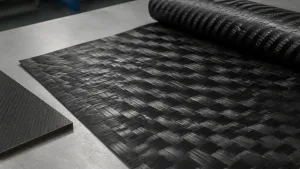
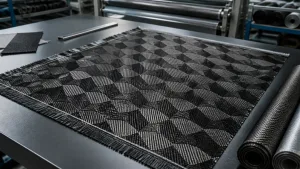
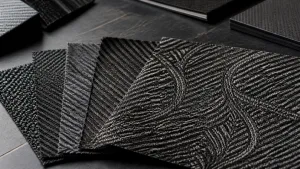
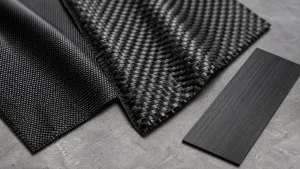
Before diving into the techniques, it’s crucial to understand what carbon fiber is. This high-strength material consists of thin fibers composed of carbon atoms. These fibers are typically woven together into a fabric and then cured with a resin, resulting in a lightweight yet incredibly strong product.
Key Properties of Carbon Fiber
1. Strength: Carbon fiber offers tensile strength significantly higher than that of steel, making it ideal for applications requiring durability without the added weight.
2. Weight: Its low density means that carbon fiber is much lighter than metals, allowing for improved fuel efficiency and reduced energy costs in industries like automotive.
3. Corrosion Resistance: Unlike metals, carbon fiber does not rust or corrode, extending the lifespan of products manufactured from this material.
4. High Stiffness: This property allows for the design of components that maintain their shape even under stress, making it perfect for applications in aerospace and automotive industries.
5. Versatility: Carbon fiber can be molded into various shapes and forms, allowing for innovative designs that might be difficult or impossible to achieve with sheet metal.
Techniques for Using Carbon Fiber Over Sheet Metal
When integrating carbon fiber with sheet metal, several techniques can help maximize the benefits of both materials. Below, we discuss some must-have techniques that can enhance your design and manufacturing processes.
1. Bonding Techniques
One of the most critical aspects of using carbon fiber over sheet metal is ensuring a strong bond between the two materials.
Adhesive Bonding
Using high-strength adhesives specifically formulated for composite materials can effectively bond carbon fiber to sheet metal. Epoxy adhesives offer excellent tensile and shear strength, making them a popular choice.
– Surface Preparation: Clean the sheet metal surface to remove dirt, oil, and oxidation. A roughened surface may enhance adhesion.
– Application: Apply the adhesive evenly and ensure complete coverage before laying down the carbon fiber.
– Curing: Allow the adhesive to cure according to the manufacturer’s specifications to achieve the best bond possible.
Mechanical Fastening
In situations where additional strength or disassembly is required, mechanical fastening methods such as bolts, screws, or rivets can be used.
– Compatibility: Use fasteners that are compatible with both the sheet metal and the carbon fiber to avoid potential failure points.
– Drilling: Ensure that drilling holes in the carbon fiber is done carefully to prevent delamination.
2. Layering Techniques
The layering of carbon fiber over sheet metal can add unique properties to the final product.
Layup Techniques
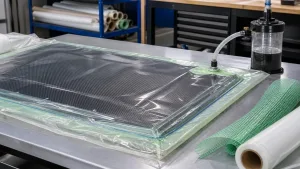
The layup process involves stacking multiple layers of carbon fiber to achieve desired thickness and tensile strength.
– Orientation: Pay attention to fiber orientation. Different orientations can provide varying strength properties depending on the stresses the final component will face.
– Resin Infusion: During the layup, consider resin infusion techniques to enhance the bonding and eliminate voids, thereby improving structural integrity.
3. Surface Treatment
To enhance the bond between carbon fiber and sheet metal, effective surface treatments should be implemented.
Primers and Coatings
Using specialized primers designed for carbon fiber can improve adhesion between the layers:
– Epoxy-Based Primers: These primers create a suitable surface for adhesive bonding. They can also enhance corrosion resistance.
– Pre-Aging Treatments: Applying heat or chemical treatments to the surface of the metal can improve further bonding and adhesion for good-quality finished products.
4. Structural Reinforcement
Incorporating carbon fiber into areas of high stress can serve as structural reinforcement over sheet metal components.
Designing for Load Distribution
When layering carbon fiber, focus on critical load points, effectively distributing stress across the structure.
– Hybrid Structures: Combining carbon fiber and sheet metal allows designers to leverage the best properties of both materials. For example, using carbon fiber in load-bearing sections while utilizing sheet metal for body panels.
5. Testing and Quality Control
Integration of carbon fiber over sheet metal requires rigorous testing and quality control to ensure reliability.
Non-Destructive Testing (NDT)
Implement non-destructive testing methods to evaluate the integrity of the bonded structure without compromising it:
– Ultrasonic Testing: This technique helps identify delaminations and voids in the carbon fiber layer.
– Thermography: Utilizing infrared technology reveals discrepancies in heat flow, indicating potential structural weaknesses.
6. Environmental Considerations
Working with carbon fiber requires an understanding of environmental impacts and regulatory compliance.
Waste Management and Recycling
Carbon fiber is notoriously difficult to recycle. Therefore, establishing a waste management strategy is essential:
– Sustainable Practices: Look for suppliers who adopt eco-friendly practices in the production of carbon fiber.
– Recycling Programs: Engage with companies that specialize in carbon fiber recycling to reduce environmental impact.
7. The Role of CAD and Simulation Technologies
Advanced computer-aided design (CAD) and simulation programs can optimize designs before manufacturing.
Design Optimization
Using CAD software allows for testing various configurations of carbon fiber and sheet metal components before production.
– Finite Element Analysis (FEA): This simulation can analyze stress distribution and identify potential weaknesses in the combined structure.
– Prototyping: Rapid prototyping technologies, such as 3D printing, can be useful for producing initial models to visualize components before finalizing designs.
Advantages of Combining Carbon Fiber and Sheet Metal
1. Enhanced Performance
The combination of carbon fiber and sheet metal results in a lightweight yet strong construction, providing superior performance in various applications.
2. Fuel Efficiency
In the automotive sector, lighter components contribute to improved fuel efficiency and performance, making vehicles more eco-friendly.
3. Cost-Efficiency Over Time
While the initial investment in carbon fiber may be higher than traditional materials, its durability and resistance to environmental factors can lead to long-term cost savings.
Conclusion
Integrating carbon fiber over sheet metal is not just about combining materials; it’s about innovative design, structural integrity, and embracing advanced manufacturing techniques. Effectively bonding, layering, and testing these materials can yield constructions that are lighter, stronger, and more efficient than ever before. By following the must-have techniques outlined in this article, designers and engineers can create superior products that meet the demands of modern industries while benefiting from both carbon fiber and sheet metal’s unique advantages.

Add comment