
The structural integrity of composite parts is a critical factor in determining their performance and durability. One key element that influences this integrity is the tow size of the carbon fiber used in their manufacture.
Tow size refers to the number of filaments in a carbon fiber tow, with common sizes including 3K, 12K, and 24K. The choice of tow size can significantly affect the mechanical properties of the final composite product.

Understanding the implications of different tow sizes is essential for optimizing the design and production of composite parts. By selecting the appropriate tow size, manufacturers can enhance the structural integrity and overall performance of their products.
Key Takeaways
- The tow size of carbon fiber affects the structural integrity of composite parts.
- Different tow sizes (3K, 12K, 24K) have distinct implications for mechanical properties.
- Choosing the right tow size is crucial for optimizing composite part design.
- The appropriate tow size can enhance the performance and durability of composite products.
- Understanding tow size implications is vital for manufacturers.
Understanding Carbon Fiber Tow Size
Understanding the basics of carbon fiber tow size is essential for engineers and manufacturers working with composite parts. The tow size of carbon fibers is a fundamental characteristic that affects the mechanical properties and structural integrity of composite materials.
Definition of Tow Size in Carbon Fiber
Tow size in carbon fiber refers to the number of filaments in a tow, which is a bundle of fibers. The tow size is a critical parameter that influences the mechanical properties of composite materials. A larger tow size means more filaments are present in the tow, which can affect the material’s strength, stiffness, and other properties. The definition of tow size is crucial in understanding how different tow sizes impact the performance of composite parts.
For instance, a 3K tow size means there are 3,000 filaments in the tow. The tow size is directly related to the material’s properties and is a key factor in determining the final product’s performance.
How Tow Size is Measured
Tow size is measured by counting the number of filaments in a tow. The measurement is typically expressed in terms of “K,” where 1K equals 1,000 filaments. For example, a 12K tow size indicates that there are 12,000 filaments in the tow. The measurement of tow size is crucial in ensuring consistency and quality in composite materials.
The following list highlights the common tow sizes and their corresponding filament counts:
- 3K: 3,000 filaments
- 12K: 12,000 filaments
- 24K: 24,000 filaments
The Fundamentals of 3K, 12K, and 24K Carbon Fiber Fabric
In the realm of carbon fiber, the terms 3K, 12K, and 24K are used to describe the tow size, a critical factor in determining the fabric’s characteristics. The ‘K’ designation is fundamental to understanding the differences between these fabrics.
What the "K" Designation Means
The “K” in carbon fiber tow size refers to the number of filaments in a tow. For instance, 3K means there are 3,000 filaments. This measurement is crucial as it affects the fabric’s strength, weight, and overall performance. A higher ‘K’ value indicates a larger tow size, which can influence the manufacturing process and final product characteristics.
Visual and Physical Differences Between Tow Sizes
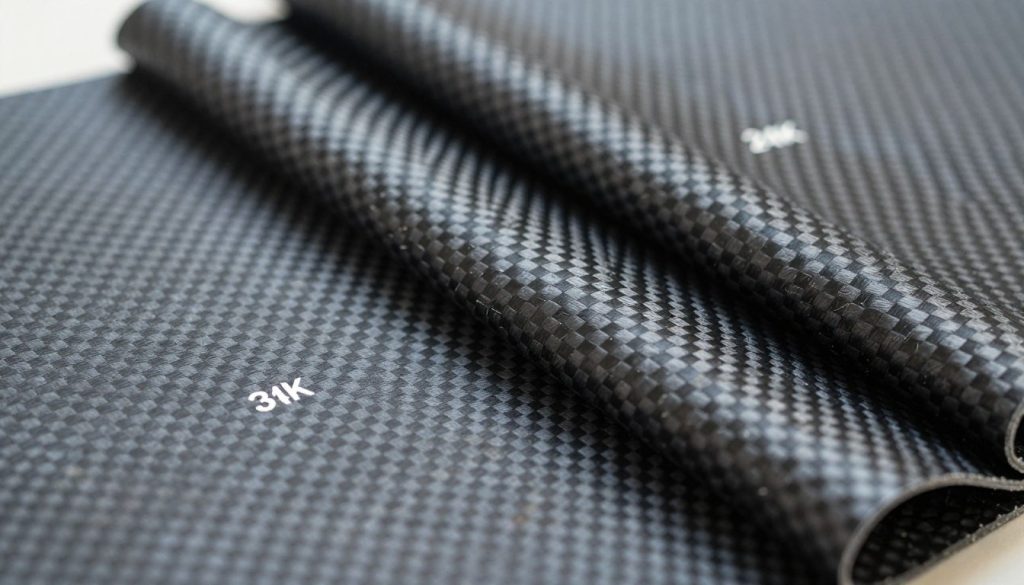
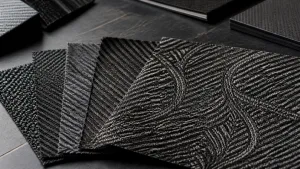
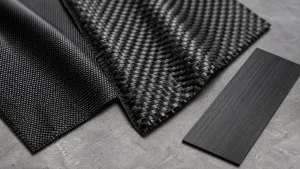
The visual and physical differences between 3K, 12K, and 24K carbon fiber fabrics are notable. 3K fabric has a finer texture and is often used in applications where aesthetic appeal is important. In contrast, 12K and 24K fabrics have a coarser texture and are typically used in industrial or high-performance applications where strength is paramount. As noted by industry experts, “The choice of tow size significantly affects the fabric’s drapeability and surface finish.”
Manufacturing Process Variations
The manufacturing process for 3K, 12K, and 24K carbon fiber fabrics varies due to their different tow sizes. Larger tow sizes, like 24K, often require more complex manufacturing processes to ensure proper consolidation and minimize voids. As stated in a recent industry report, “Advancements in manufacturing technology have made it possible to produce high-quality carbon fiber fabrics with larger tow sizes, expanding their application in various industries.”
Understanding these fundamentals is essential for manufacturers and engineers to select the appropriate carbon fiber fabric for their specific needs, balancing factors such as strength, weight, and cost.
Mechanical Properties Affected by Tow Size
The mechanical properties of composite materials are significantly influenced by the tow size of carbon fibers used in their construction. Understanding these effects is crucial for selecting the appropriate tow size for specific applications.
Tensile Strength Considerations
Tensile strength is a critical mechanical property that is affected by the tow size. Generally, smaller tow sizes like 3K exhibit higher tensile strength due to better fiber alignment and reduced fiber waviness. In contrast, larger tow sizes such as 12K and 24K may show slightly lower tensile strength due to potential defects and misalignment. Choosing the right tow size is essential for achieving the desired tensile strength in composite applications.
Flexural Properties
Flexural properties, which include flexural strength and modulus, are also influenced by tow size. Smaller tow sizes tend to provide better flexural properties due to improved fiber distribution and reduced void content. The table below summarizes the typical flexural properties of composites made with different tow sizes.
| Tow Size | Flexural Strength (MPa) | Flexural Modulus (GPa) |
|---|---|---|
| 3K | 1200 | 120 |
| 12K | 1100 | 115 |
| 24K | 1000 | 110 |
Impact Resistance
Impact resistance is another important mechanical property affected by tow size. Larger tow sizes tend to have lower impact resistance due to the potential for larger defects and less uniform fiber distribution. Optimizing tow size can significantly enhance the impact resistance of composite materials.
Fatigue Performance
Fatigue performance is critical for applications subjected to cyclic loading. The tow size influences the fatigue behavior of composites, with smaller tow sizes generally exhibiting better fatigue performance due to more uniform stress distribution. Selecting the appropriate tow size is vital for ensuring the long-term durability of composite structures.
Structural Integrity: How Tow Size Influences Composite Performance
Understanding how different tow sizes impact the structural integrity of composites is essential for optimizing their performance. The structural integrity of a composite material is its ability to withstand various stresses and strains without failing, and it is influenced by several factors, including the size of the carbon fiber tow used in its manufacture.
Fiber-to-Resin Ratio Effects
The fiber-to-resin ratio is a critical factor in determining the structural integrity of composite materials. A higher fiber content typically results in improved mechanical properties, but it also increases the risk of void formation if the resin cannot adequately penetrate the fiber bundles. Larger tow sizes, such as 12K and 24K, can lead to a lower fiber-to-resin ratio due to the increased difficulty in resin impregnation, potentially compromising the composite’s performance.
Void Content and Consolidation
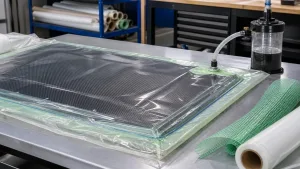
The presence of voids within a composite laminate can significantly degrade its mechanical properties. Larger tow sizes tend to create more voids due to the difficulty in achieving complete resin impregnation and consolidation. Effective manufacturing techniques, such as vacuum bagging and autoclave curing, can help minimize void content, but the choice of tow size remains a critical factor in achieving optimal consolidation.
Interlaminar Shear Strength
Interlaminar shear strength (ILSS) is a measure of a composite’s resistance to delamination, which is a critical failure mode in laminated composites. The ILSS can be influenced by the tow size, with smaller tow sizes generally providing better ILSS due to the more uniform distribution of resin and fibers. This results in a stronger interface between layers.
Edge Effects and Stress Concentration
Edge effects and stress concentration are significant concerns in composite materials, particularly in parts with complex geometries. Larger tow sizes can exacerbate these issues by creating areas of high stress concentration, potentially leading to premature failure. Careful design and manufacturing practices are necessary to mitigate these effects.
| Tow Size | Fiber-to-Resin Ratio | Void Content | ILSS |
|---|---|---|---|
| 3K | High | Low | High |
| 12K | Medium | Medium | Medium |
| 24K | Low | High | Low |
3K Carbon Fiber Fabric: Properties and Applications
Carbon fiber fabric with a 3K tow size offers distinct advantages in terms of mechanical properties and aesthetic appeal. The 3K carbon fiber fabric is widely used in various applications due to its unique combination of strength, lightweight, and flexibility.
Characteristic Strengths of 3K Tow
The 3K tow size is known for its excellent tensile strength and flexural properties. These characteristics make it ideal for applications where both strength and flexibility are crucial. Additionally, 3K carbon fiber fabric provides a smooth finish, which is aesthetically pleasing and suitable for visible parts.
Ideal Applications for 3K Carbon Fiber
3K carbon fiber fabric is commonly used in aerospace, automotive, and recreational industries. Its applications include:
- Aircraft and vehicle components
- Sporting goods
- High-performance bicycle frames
Limitations of 3K Tow Size
While 3K carbon fiber fabric has numerous advantages, it also has some limitations. The higher cost compared to larger tow sizes and the potential for increased labor costs due to its finer weave are notable considerations. Additionally, 3K fabric may not be as readily available as other tow sizes in certain regions.
12K Carbon Fiber Fabric: Properties and Applications
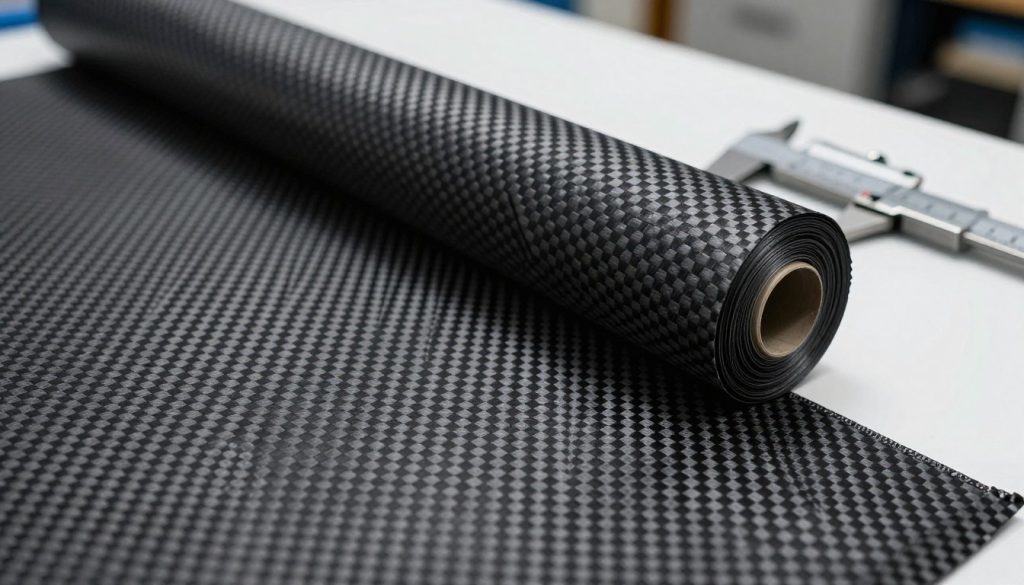
The 12K carbon fiber fabric has gained popularity due to its unique balance of strength and cost-effectiveness. This fabric is widely used in various industries, including aerospace, automotive, and sports equipment, due to its distinct properties.
Characteristic Strengths of 12K Tow
The 12K carbon fiber tow offers several characteristic strengths, including high tensile strength and excellent flexural properties. These strengths make it an ideal material for applications that require durability and resistance to deformation.
- High tensile strength
- Excellent flexural properties
- Good impact resistance
Ideal Applications for 12K Carbon Fiber
12K carbon fiber fabric is suitable for a wide range of applications, including aerospace components, automotive parts, and sports equipment. Its versatility and performance make it a popular choice among manufacturers.
- Aerospace components
- Automotive parts
- Sports equipment
Limitations of 12K Tow Size
Despite its advantages, 12K carbon fiber fabric has some limitations, such as potential void content and consolidation challenges. Manufacturers must carefully consider these factors to ensure optimal performance.
- Potential void content
- Consolidation challenges
- Higher cost compared to larger tow sizes
24K Carbon Fiber Fabric: Properties and Applications
24K carbon fiber fabric represents a significant advancement in material science, offering a blend of strength and versatility. This fabric is characterized by its high tow count, which influences its mechanical properties and suitability for various applications.
Characteristic Strengths of 24K Tow
The 24K tow carbon fiber fabric is known for its impressive tensile strength and stiffness. These characteristics make it an ideal material for applications where high strength-to-weight ratios are crucial. Additionally, the fabric’s high tow count contributes to its improved drapeability and formability, allowing it to conform to complex geometries.
Key benefits of 24K carbon fiber fabric include:
- High tensile strength and stiffness
- Improved drapeability and formability
- Enhanced aesthetic appeal due to its unique weave pattern
Ideal Applications for 24K Carbon Fiber
24K carbon fiber fabric is suited for a variety of applications, particularly in industries where high performance and aesthetic appeal are valued. Some of the ideal applications include:
| Industry | Application | Benefits |
|---|---|---|
| Aerospace | Structural components, interior parts | Weight reduction, high strength |
| Automotive | Body panels, chassis components | Improved performance, reduced weight |
| Sporting Goods | Bicycle frames, golf clubs | Enhanced durability, reduced weight |
Limitations of 24K Tow Size
While 24K carbon fiber fabric offers several advantages, it also has some limitations. The higher tow count can lead to increased difficulty in achieving uniform resin impregnation, potentially resulting in voids within the composite. Additionally, the fabric’s thickness and weight can make it more challenging to handle and process.
“The choice of tow size significantly affects the performance and manufacturability of carbon fiber composites. Understanding the trade-offs is crucial for optimizing material selection.” – Expert in Composite Materials
In conclusion, 24K carbon fiber fabric is a versatile material with a range of applications. Its characteristic strengths, such as high tensile strength and improved drapeability, make it suitable for various industries. However, it’s essential to be aware of its limitations and carefully consider its use in specific projects.
Comparative Analysis of 3K, 12K, and 24K Carbon Fiber Fabric
When evaluating carbon fiber fabrics for various applications, understanding the differences between 3K, 12K, and 24K tow sizes is crucial. This comparative analysis will help in selecting the most appropriate fabric based on specific requirements.
Weight-to-Strength Ratio Comparison
The weight-to-strength ratio is a critical factor in determining the suitability of carbon fiber fabric for different applications. Generally, a higher tow size results in a lower weight-to-strength ratio due to the increased number of fibers. For instance, 24K carbon fiber has a higher number of filaments per tow compared to 3K, potentially offering better strength-to-weight performance in certain applications.
A comparison of the weight-to-strength ratios of 3K, 12K, and 24K carbon fiber fabrics reveals that while 3K fabric has a higher weight due to its smaller tow size, it also exhibits different mechanical properties. The following table summarizes the weight-to-strength ratios for the different tow sizes:
| Tow Size | Weight-to-Strength Ratio |
|---|---|
| 3K | Moderate |
| 12K | High |
| 24K | Very High |
Cost-Effectiveness Analysis
Cost is a significant factor in the selection of carbon fiber fabric. The cost-effectiveness of 3K, 12K, and 24K carbon fiber fabrics varies based on production costs, material properties, and application requirements. Generally, larger tow sizes like 24K are more cost-effective for certain applications due to reduced production costs associated with fewer tows per unit area.
Aesthetic and Finish Considerations
The aesthetic appeal and finish of carbon fiber fabric are important for applications where visual appearance matters. The tow size affects the fabric’s texture and weave pattern, with 3K fabric often preferred for its finer weave and more uniform appearance. In contrast, larger tow sizes may result in a coarser texture.
Environmental Impact Considerations
The environmental impact of carbon fiber production is a growing concern. The production process for different tow sizes can have varying environmental impacts, with factors such as energy consumption and waste generation playing significant roles. A comprehensive analysis of the environmental footprint of 3K, 12K, and 24K carbon fiber fabrics is essential for making informed decisions.
By considering these factors, manufacturers and designers can make more informed decisions about the most suitable carbon fiber fabric for their specific needs, balancing performance, cost, aesthetics, and environmental considerations.
Manufacturing Considerations When Selecting Tow Size
Manufacturers must consider several factors when choosing a tow size to ensure efficient production. The selection of tow size affects various aspects of the manufacturing process, from the initial layup to the final product’s quality.
Drapeability and Formability
Drapeability refers to how well a fabric can conform to a mold’s shape without wrinkling or distorting. 3K tow sizes are known for their excellent drapeability, making them ideal for complex geometries. In contrast, 12K and 24K tow sizes are less drapeable but offer other advantages such as reduced production costs.
- 3K tow: Ideal for complex shapes and high-precision applications
- 12K tow: Suitable for larger, less complex parts
- 24K tow: Often used for very large parts or where cost is a significant factor
Processing Requirements
The processing requirements for different tow sizes vary significantly. For instance, 3K carbon fiber typically requires more labor-intensive processing due to its finer tow size, whereas 24K carbon fiber can be processed more quickly, reducing labor costs.
- 3K: More labor-intensive, suitable for high-end applications
- 12K: Balanced processing requirements, versatile for various applications
- 24K: Faster processing, ideal for large-scale production
Quality Control Challenges
Quality control is a critical aspect of manufacturing composite parts. Larger tow sizes like 24K can present challenges such as increased void content if not properly managed. Effective quality control measures are essential to mitigate these issues.
Tooling and Equipment Needs
The choice of tow size also influences the tooling and equipment required for production. For example, 3K carbon fiber may require more precise tooling due to its finer weave, while 12K and 24K might necessitate heavier equipment to handle the larger tows.
Industry-Specific Applications of Different Tow Sizes
Various industries benefit from the unique properties of different carbon fiber tow sizes. The selection of tow size is critical in optimizing carbon fiber performance for specific applications.
Aerospace and Aviation
In the aerospace and aviation sectors, 3K carbon fiber is often preferred due to its high strength-to-weight ratio and resistance to fatigue. These properties are crucial for aircraft components where weight reduction and reliability are paramount.
Automotive and Transportation
The automotive industry utilizes a range of tow sizes, with 12K and 24K being common for certain applications. These larger tow sizes offer a balance between mechanical properties and cost-effectiveness, making them suitable for high-performance vehicles and structural components.
Sporting Goods and Recreation
In sporting goods, such as bicycle frames and golf clubs, 3K carbon fiber is popular for its lightweight and high stiffness characteristics. This enhances performance and provides a competitive edge for athletes.
Industrial and Infrastructure
For industrial and infrastructure projects, larger tow sizes like 24K are often used due to their cost-effectiveness and adequate mechanical properties for large-scale applications. These include wind turbine blades and construction materials.
The diverse applications of different tow sizes underscore the versatility of carbon fiber materials. By selecting the appropriate tow size, industries can optimize their products for performance, cost, and durability.
Conclusion
The selection of carbon fiber tow size plays a crucial role in determining the structural integrity of composite parts. As discussed, 3K, 12K, and 24K carbon fiber fabrics have distinct properties and applications, making them suitable for various industries, from aerospace to sporting goods.
Understanding the implications of tow size on mechanical properties, such as tensile strength, flexural properties, and impact resistance, is essential for optimizing composite performance. The fiber-to-resin ratio, void content, and interlaminar shear strength are also significantly influenced by the chosen tow size.
By considering factors like weight-to-strength ratio, cost-effectiveness, and aesthetic considerations, manufacturers can make informed decisions when selecting the appropriate carbon fiber tow size for their specific application. Ultimately, the right tow size ensures the structural integrity of composite parts, leading to improved performance, safety, and durability.
In conclusion, the careful selection of carbon fiber tow size is vital for achieving optimal composite performance. By understanding the characteristics and applications of different tow sizes, industries can harness the full potential of carbon fiber composites, driving innovation and excellence in their respective fields.
FAQ
What is the significance of tow size in carbon fiber composites?
The tow size in carbon fiber composites significantly affects their structural integrity, mechanical properties, and manufacturing process. Different tow sizes, such as 3K, 12K, and 24K, influence the fiber-to-resin ratio, void content, and interlaminar shear strength, ultimately impacting the performance of the composite material.
How does tow size affect the tensile strength of composite materials?
The tensile strength of composite materials is influenced by the tow size, with smaller tow sizes generally exhibiting higher tensile strength due to better fiber alignment and reduced fiber waviness. Larger tow sizes, on the other hand, may lead to reduced tensile strength due to increased fiber waviness and defects.
What are the advantages of using 3K carbon fiber fabric?
3K carbon fiber fabric is known for its high tensile strength, excellent surface finish, and good drapeability. It is often used in applications where high performance and aesthetic considerations are crucial, such as in aerospace, automotive, and sporting goods.
How does the manufacturing process vary for different tow sizes?
The manufacturing process for different tow sizes varies in terms of processing requirements, quality control challenges, and tooling and equipment needs. For instance, smaller tow sizes like 3K require more precise control over the manufacturing process, while larger tow sizes like 24K may necessitate more robust equipment and processing techniques.
What are the environmental implications of using different tow sizes in composite materials?
The environmental impact of using different tow sizes in composite materials is influenced by factors such as energy consumption, material waste, and recyclability. Generally, smaller tow sizes may result in higher energy consumption and material waste, while larger tow sizes may be more energy-efficient but potentially more challenging to recycle.
How do different tow sizes affect the cost-effectiveness of composite materials?
The cost-effectiveness of composite materials is influenced by the tow size, with larger tow sizes often being more cost-effective due to reduced material costs and faster processing times. However, the optimal tow size depends on the specific application, and smaller tow sizes may be more suitable for high-performance applications where cost is not the primary concern.
What are the ideal applications for 12K and 24K carbon fiber fabrics?
12K and 24K carbon fiber fabrics are often used in applications where a balance between performance and cost is required, such as in industrial, infrastructure, and some automotive applications. They offer a good compromise between mechanical properties and cost-effectiveness.
How does tow size influence the aesthetic and finish considerations of composite materials?
The tow size can significantly impact the aesthetic and finish considerations of composite materials, with smaller tow sizes generally providing a smoother surface finish and more uniform appearance. Larger tow sizes may result in a more textured surface and potentially more visible defects.

Add comment