
- Understanding Carbon Fiber Composites
- What Are Carbon Fiber Composites?
- The Importance of Thickness
- Key Factors Influencing the Thickness of Carbon Fiber Composite Sheets
- 1. Fiber Orientation
- 2. Resin Type
- 3. Layer Construction
- Manufacturing Processes
- Common Methods of Production
- 1. Hand Lay-Up Method
- 2. Automated Fiber Placement (AFP)
- 3. Prepreg Lay-Up
- Applications of Carbon Fiber Composite Sheets
- Aerospace Industry
- Automotive Sector
- Sports Equipment
- Construction
- Advantages of Carbon Fiber Composite Sheets
- 1. Lightweight
- 2. High Strength-to-Weight Ratio
- 3. Corrosion and Chemical Resistance
- 4. Design Flexibility
- Challenges in Using Carbon Fiber Composites
- 1. Cost
- 2. Delamination Issues
- 3. Recycling Challenges
- Conclusion
Carbon Fiber Composite Sheets: Stunning Thickness Revealed!
Carbon fiber composite sheets have captivated industries with their exceptional strength-to-weight ratio, durability, and versatility. These materials are used in various applications, from aerospace and automotive to sports gear and construction. One of the most fascinating aspects of carbon fiber composite sheets is their thickness and how it impacts performance. In this article, we’ll delve into the intricacies of carbon fiber composites, exploring their characteristics, dimensions, manufacturing processes, and applications that highlight their stunning thickness.
Understanding Carbon Fiber Composites
What Are Carbon Fiber Composites?
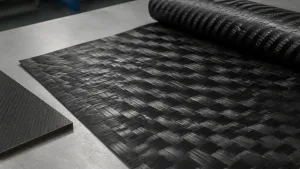
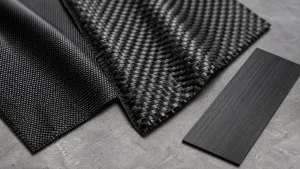
Carbon fiber composites are made from carbon fibers embedded in a resin matrix, which bonds the fibers together and provides structural integrity. The result is a lightweight yet incredibly strong material that can be tailored for specific applications. The fibers, which are around 5-10 micrometers in diameter, are often woven together to form sheets, effectively enhancing the overall strength and flexibility.
The Importance of Thickness
Thickness plays a crucial role in determining the mechanical properties of carbon fiber composite sheets. Typically measured in millimeters or inches, the thickness can significantly alter the material’s weight, strength, and stiffness. Understanding how thickness affects these properties is essential for engineers and designers who aim to optimize their applications for performance and safety.
Key Factors Influencing the Thickness of Carbon Fiber Composite Sheets
1. Fiber Orientation
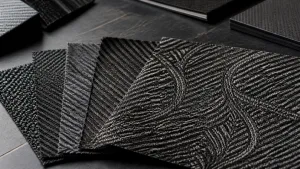
The orientation of the carbon fibers within the composite directly influences its properties, including thickness. Fibers can be arranged in various patterns such as unidirectional, woven, or multi-axial. Each arrangement will have distinct effects on mechanical attributes and thickness characteristics:
– Unidirectional: Offers high strength in one direction, typically thicker in that axis.
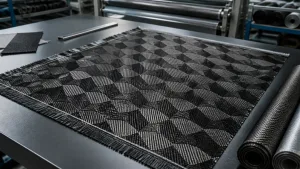
– Woven: Distributes strength across multiple directions, often resulting in varied thicknesses depending on the weave pattern.
– Multi-axial: Combines multiple orientations for enhanced durability and thicker profiles.
2. Resin Type
Different types of resin can also affect the thickness of carbon fiber sheets. Epoxy and vinyl ester resins are commonly employed, each presenting its own characteristics:
– Epoxy Resins: Commonly used for their superior adhesive properties, flexibility, and resistance to various environmental factors, epoxy composites may require a greater layer thickness for specific applications.
– Vinyl Ester Resins: These provide good chemical resistance and may be utilized in environments where exposure to harsh chemicals is expected. The compatibility of the resin with the fiber can also influence the sheet’s overall thickness.
3. Layer Construction
The number of layers or plies in a composite sheet will directly correlate with its thickness. More layers typically result in increased strength but also add to the weight. Engineers must find a balance between desired mechanical properties and overall thickness.
Manufacturing Processes
Common Methods of Production
Understanding the manufacturing processes behind carbon fiber composite sheets can shed light on how their thickness is achieved. Here are some of the primary methods used:
1. Hand Lay-Up Method
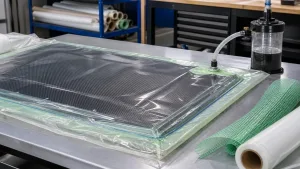
This process involves manually placing layers of carbon fiber fabric and resin into a mold. It offers flexibility in terms of crafting unique shapes and thicknesses. However, it’s labor-intensive and can lead to variability in thickness.
2. Automated Fiber Placement (AFP)
AFP is a more advanced technique where robotic arms place individual carbon fiber tows with precision. This allows for increased consistency in thickness and properties, especially for complex geometries.
3. Prepreg Lay-Up
Prepregs are pre-impregnated with resin, allowing for greater control over how the resin is distributed within the layers. This process can lead to precisely engineered thicknesses, essential for high-performance applications.
Applications of Carbon Fiber Composite Sheets
Aerospace Industry
Carbon fiber composite sheets are widely used in the aerospace industry due to their lightweight nature and outstanding strength. Components like wings, fuselage sections, and interiors benefit from the stunning thickness of carbon fiber composites. For instance, the Boeing 787 Dreamliner incorporates carbon fiber composites extensively, showcasing how optimized thickness can improve fuel efficiency.
Automotive Sector
In the automotive world, manufacturers utilize carbon fiber composites to reduce weight and enhance performance. Structures such as body panels and chassis components are often designed with specific thickness requirements, balancing safety, and performance. The automotive industry continues to invest heavily in these materials, particularly as electric vehicles strive for improved battery efficiency through lightweighting.
Sports Equipment
Carbon fiber composite sheets are critical in developing high-performance sports gear, including bicycles, helmets, and tennis rackets. The stunning thickness variations in these products allow manufacturers to fine-tune performance characteristics, appealing to professional athletes seeking an edge in competition.
Construction
In construction, carbon fiber composites are also making waves. They are used in reinforcing structures, bridges, and even in retrofitting older buildings. The ability to customize thicknesses allows for tailored solutions that meet specific load-bearing requirements.
Advantages of Carbon Fiber Composite Sheets
1. Lightweight
One of the most significant advantages is weight reduction. The lightweight nature of carbon fiber compared to metals allows for more efficient designs across many applications.
2. High Strength-to-Weight Ratio
Carbon fiber’s strength allows for thinner sheets, which can still meet rigorous safety and durability standards. This ratio is vital for optimizing performance in demanding applications.
3. Corrosion and Chemical Resistance
The composite nature of carbon fiber sheets makes them resistant to a range of chemicals and environmental factors, extending their lifespan and usability in various settings.
4. Design Flexibility
Carbon fiber can be molded into complex shapes and thicknesses, offering unparalleled design flexibility. This versatility allows for innovation in product development and engineering.
Challenges in Using Carbon Fiber Composites
1. Cost
While the advantages are impressive, carbon fiber remains a more expensive material compared to traditional fiberglass and metals. The manufacturing processes and raw materials contribute to elevated costs.
2. Delamination Issues
Thick carbon fiber composite sheets can experience delamination where layers separate, especially under extreme stress. Engineers need to ensure that layup techniques and material choices minimize this risk.
3. Recycling Challenges
The recycling of carbon fiber composites is still a developing field. Unlike metals, which can be melted down and reused, carbon fiber requires specific processes that are not yet widely adopted.
Conclusion
Exploring carbon fiber composite sheets reveals a material that not only meets the demands of modern engineering but also showcases stunning thickness variations that cater to specific applications. From the aerospace industry to sports equipment, understanding thickness and its underlying factors can lead to innovative solutions that push the boundaries of design and technology. While challenges exist, the ongoing advancements in manufacturing processes and recycling technologies promise a bright future for this remarkable material. The future of carbon fiber composites is not just bright; it’s also incredibly strong, lightweight, and, most importantly, diverse in application.

Add comment