
- Carbon Fiber Sheets: Must-Have Tips for Effortless Creation
- Understanding Carbon Fiber Sheets
- Selecting the Right Carbon Fiber Sheet
- Assessing Your Project Needs
- Sourcing Quality Material
- Essential Tools for Working with Carbon Fiber Sheets
- Cutting Carbon Fiber Sheets
- Marking the Material
- Cutting Techniques
- Drilling and Fastening Carbon Fiber Sheets
- Drilling Holes
- Fastening Options
- Finishing Techniques for Carbon Fiber Sheets
- Sanding
- Coating and Sealing
- Maintenance and Care
- Conclusion
Carbon Fiber Sheets: Must-Have Tips for Effortless Creation
Carbon fiber sheets have revolutionized various industries, thanks to their lightweight yet incredibly strong properties. Whether you are a seasoned professional in aerospace engineering, a DIY enthusiast crafting custom parts, or someone simply intrigued by the magical properties of carbon fiber, mastering its use can elevate your projects to new heights. This article will explore must-have tips for effortlessly working with carbon fiber sheets, ensuring that your creations not only meet your expectations but exceed them.
Understanding Carbon Fiber Sheets
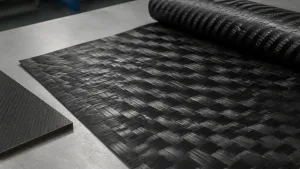
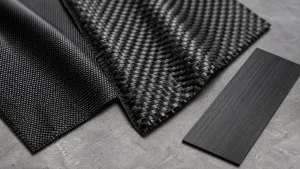
Before diving into the practical tips, it’s essential to understand what carbon fiber sheets are. Carbon fiber is composed of thin strands of carbon that are woven together to form a fabric or mat, which can then be infused with resin to create sturdy sheets. These sheets come in various thicknesses, grades, and finishes, making them versatile for numerous applications ranging from automotive parts to aerospace components, sports equipment, and artistic designs.
The unique properties of carbon fiber include high tensile strength, resistance to temperature changes, and lightweight construction. Understanding these characteristics will help you appreciate why carbon fiber sheets are favored among makers and manufacturers alike.
Selecting the Right Carbon Fiber Sheet
Assessing Your Project Needs
When working with carbon fiber sheets, the first step is to carefully assess your project’s requirements. Consider the following factors:
1. Thickness: Carbon fiber sheets come in various thicknesses, usually ranging from 0.5 mm to several millimeters. Thicker sheets provide greater strength but may be harder to work with. For lightweight applications, opt for thinner sheets.
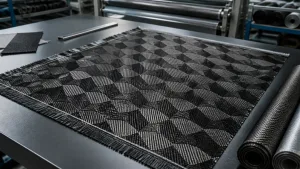
2. Weave Pattern: The weave of the carbon fibers can affect both aesthetics and mechanical properties. A plain weave provides a classic look, while a twill weave offers a more dynamic appearance and improved flexibility.
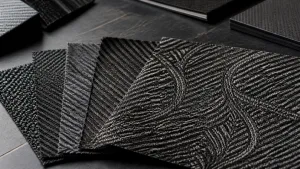
3. Finish: Some sheets come with a glossy finish while others may be matte or textured. The finish can impact both appearance and durability, so choose one that suits your project’s needs.
Sourcing Quality Material
Not all carbon fiber sheets are created equal. Sourcing your material from reputable suppliers ensures that you receive high-quality products that meet your standards. Look for suppliers with positive reviews and a solid reputation in the industry.
Essential Tools for Working with Carbon Fiber Sheets
Having the right tools can significantly enhance your efficiency when working with carbon fiber sheets. Here’s a rundown of must-have tools:
1. Cutting Tools: A fine-toothed saw or a laser cutter can provide clean cuts with minimal fraying. Avoid using dull blades, as this can compromise the integrity of the material.
2. Work Surfaces: Use a sturdy, flat workbench or cutting mat to facilitate accurate cutting and laying out.
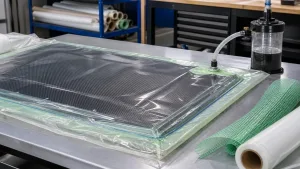
3. Adhesives: Epoxy resin is the most common adhesive for bonding carbon fiber sheets. Invest in high-quality epoxy that can withstand the project’s temperature and environmental conditions.
4. Safety Gear: Carbon fiber dust can be harmful when inhaled, so it’s vital to wear a mask, gloves, and safety goggles while cutting or sanding the sheets.
Cutting Carbon Fiber Sheets
Cutting carbon fiber sheets requires precision to ensure clean edges and avoid damage. Here are some tips to make the process easier:
Marking the Material
Before you cut, make sure to accurately measure and mark the desired dimensions on the sheet. Use a ruler and a fine-tip marker to ensure your cuts are precise.
Cutting Techniques
1. Scoring Method: For thinner sheets, lightly score the material with a utility knife along your marked line, then snap it along the score.
2. Sawing: For thicker sheets, use a circular saw with a fine-toothed blade or a jigsaw designed for composite materials. Ensure the saw is set to the right speed to avoid excessive heat which can damage the sheet.
Drilling and Fastening Carbon Fiber Sheets
When you need to create holes or attach the sheets, special considerations are necessary:
Drilling Holes
1. Speed and Pressure: Use a drill at low speed and apply minimal pressure to prevent cracking. It’s advisable to use a drill bit specifically designed for composites.
2. Back-Stop Support: Position a scrap piece of wood underneath the sheet to support it while drilling and prevent chipping on the underside.
Fastening Options
If your project requires connecting multiple sheets or attaching carbon fiber to other materials, consider the following methods:
1. Epoxy Adhesive: As mentioned, epoxy offers a strong bond and is ideal for permanent applications.
2. Rivets or Screws: Ensure that any fasteners used are compatible with carbon fiber. Use washers to prevent damage to the surface.
Finishing Techniques for Carbon Fiber Sheets
Once you’ve cut and assembled your project, it’s time to focus on surface finishing. Finishing can elevate the aesthetics and durability of your creation.
Sanding
To achieve a smooth surface, use fine-grit sandpaper (320 grit or higher). Always wet sand to keep the dust down and prevent overheating, which can weaken the fibers.
Coating and Sealing
A clear coat can enhance the appearance and protect the surface from UV exposure and scratches. Ensure that any coating used is compatible with epoxy resin.
Maintenance and Care
Maintaining your carbon fiber creation is vital for ensuring longevity. Here are a few care tips:
1. Cleaning: Use a soft cloth and mild soap with water to clean the surface. Avoid abrasive cleaners that can scratch the finish.
2. Storage: Store carbon fiber sheets in a dry, temperature-controlled environment to prevent warping and degradation.
Conclusion
Working with carbon fiber sheets can be an incredibly rewarding experience, whether you’re crafting custom parts or exploring artistic creations. By selecting the right material, using the proper tools, and applying effective techniques, you can overcome the challenges associated with carbon fiber. Remember, patience and precision are key; each step of the process contributes to the quality and success of your final product.
Embrace the potential of carbon fiber in your projects, and enjoy the creativity this powerful material unleashes!

Add comment