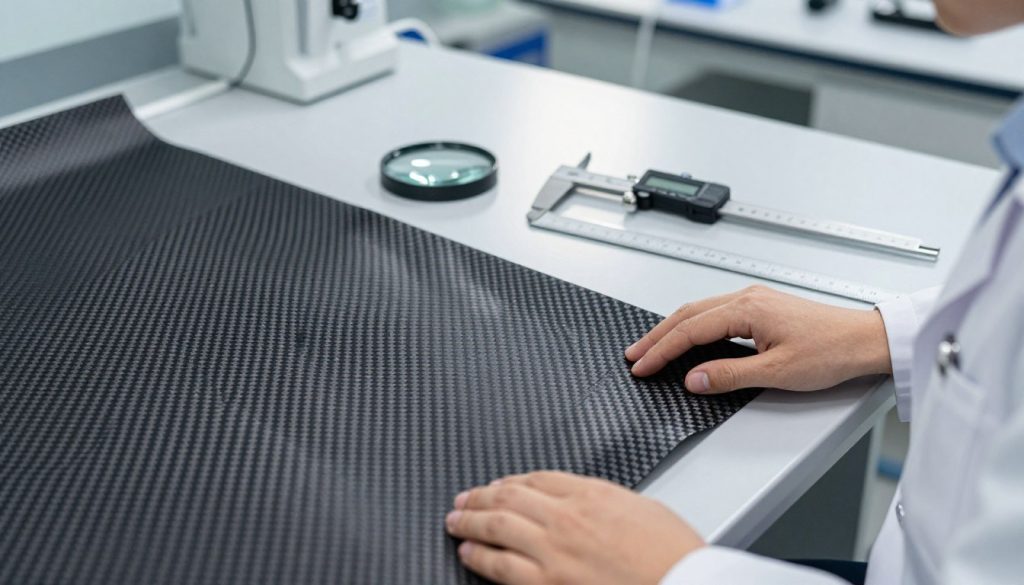

Sourcing high-quality materials is crucial for industries relying on advanced composites. China has emerged as a leading supplier of carbon fiber fabrics, offering a range of products that cater to diverse industrial needs.
Understanding the Chinese market and its manufacturers is essential for making informed purchasing decisions. This guide will walk you through the process of sourcing high-quality carbon fiber fabrics, highlighting key factors to consider and best practices to follow.
Key Takeaways
- Understanding the Chinese market for carbon fiber fabrics
- Identifying reliable manufacturers
- Key quality standards to look for
- Best practices for sourcing
- Future trends in carbon fiber fabric production
The Carbon Fiber Industry Landscape
Carbon fiber demand is influenced by aerospace, automotive, renewable-energy, industrial and sporting-goods programs. Buyers should verify current capacity, lead time and fiber availability directly with shortlisted suppliers instead of relying on an undated market forecast.
Global Market Trends and Forecast
Market forecasts vary by fiber grade, geography and end-use sector. For sourcing decisions, request a dated quotation, available capacity, standard lead time, minimum order quantity and the manufacturer data sheet for the exact fiber or fabric under review.
The forecast indicates a shift towards more sustainable production methods and increased recycling of carbon fiber materials. This trend is driven by both regulatory pressures and consumer demand for environmentally friendly products.
China's Position in the Global Supply Chain
China plays a crucial role in the global carbon fiber supply chain, being one of the largest producers and consumers of carbon fiber materials. The country’s significant investments in carbon fiber technology and manufacturing capacity have positioned it as a key player in the global market. Chinese manufacturers are increasingly focusing on high-quality production to meet international standards.
The strategic importance of China’s position is further underscored by its ability to influence global market trends through its production volumes and pricing strategies. As the global demand for carbon fiber continues to grow, China’s role in meeting this demand will be pivotal.
Understanding Carbon Fiber Fabrics: Properties and Classifications
Carbon fiber fabrics have become a crucial material in various industries due to their exceptional strength-to-weight ratio and versatility. These fabrics are made from carbon fibers, which are known for their high tensile strength, low weight, and resistance to fatigue.
Different Weave Patterns and Their Characteristics
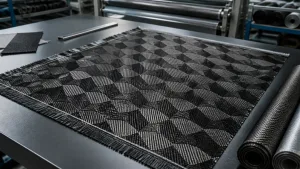
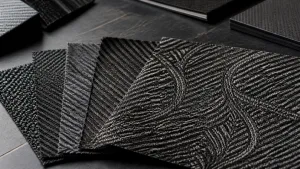
The weave pattern of carbon fiber fabrics significantly affects their mechanical properties and suitability for different applications. Weave patterns determine the fabric’s flexibility, durability, and aesthetic appeal.
Plain Weave vs. Twill vs. Satin Patterns
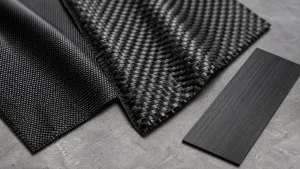
There are several common weave patterns used in carbon fiber fabrics, including plain weave, twill weave, and satin weave. * Plain weave offers excellent stability and is easy to handle. * Twill weave provides a good balance between flexibility and stability. * Satin weave allows for smooth drape and is often used in complex shapes.
- Plain weave: Ideal for applications requiring high stability.
- Twill weave: Suitable for projects that need a balance between flexibility and strength.
- Satin weave: Preferred for creating complex geometries.
Grades and Quality Classifications
Carbon fiber fabrics are classified into different grades based on their quality and performance characteristics. The grade of the fabric often determines its suitability for specific applications. Higher grades typically offer superior mechanical properties and consistency.
Fabric quality should be evaluated against the intended process and application. Compare the exact fiber grade, areal weight, weave, width, sizing compatibility and lot-level documentation supplied for the material.
Common Applications Across Industries
Carbon fiber fabrics are used in a wide range of industries, including aerospace, automotive, sports equipment, and renewable energy. Their high strength-to-weight ratio makes them ideal for applications where weight reduction is critical without compromising on strength.
The versatility of carbon fiber fabrics is evident in their use across various sectors, from high-performance sports cars to wind turbine blades.
Evaluating Chinese Carbon Fiber Fabric Manufacturers
China has multiple established carbon fiber and fabric manufacturers, including Toray Composite Materials operations, Zhongfu Shenying and Jiangsu Hengshen. This list is illustrative, not a ranking or endorsement. Verify the current legal entity, manufacturing location, product scope, capacity and documentation before placing an order.
Toray Composite Materials (China)
Toray Composite Materials (China) is a leading player in the carbon fiber market, known for its high-performance materials. Their products are widely used in aerospace, automotive, and sports equipment.
Specialty Products and Manufacturing Capabilities
Toray’s manufacturing capabilities include a range of specialty products, such as:
- High-strength carbon fiber fabrics for aerospace applications
- High-modulus carbon fiber for automotive and industrial uses
- Customizable weave patterns for specific customer requirements
Zhongfu Shenying Carbon Fiber
Zhongfu Shenying Carbon Fiber is another prominent manufacturer in China’s carbon fiber industry. Their focus on research and development has enabled them to produce high-quality carbon fiber products.
Market Position and Export Volume
Zhongfu Shenying has a strong market position both domestically and internationally, with a significant export volume to countries in Europe and North America.
Jiangsu Hengshen Fiber Materials
Jiangsu Hengshen Fiber Materials is recognized for its commitment to quality and innovation. Their carbon fiber products are used in various applications, including wind energy, automotive, and construction.
Verify Quality-System and Product Evidence
Do not repeat supplier approval claims without a current source. For Jiangsu Hengshen or any other supplier, verify the legal entity, manufacturing site, issuing body, scope and validity directly with the supplier and registrar. Evaluate product-specific test evidence separately.
Emerging Manufacturers to Watch
Smaller and newer suppliers may offer additional specifications or commercial flexibility, but each supplier still requires the same technical, quality, capacity and business verification.
Quality Assessment: Identifying Premium Carbon Fiber Fabrics
Identifying premium carbon fiber fabrics requires a thorough understanding of their properties, classifications, and potential defects. When sourcing these materials from China, evaluating their quality is vital to ensure they meet international standards and perform as expected in their intended applications.
Essential Quality Indicators and Specifications
Premium carbon fiber fabrics are characterized by their tensile strength, modulus of elasticity, and density. The specifications of these fabrics, including weave pattern, weight, and thickness, are crucial in determining their suitability for various applications. Manufacturers typically provide detailed datasheets outlining these specifications, which buyers should carefully review to ensure they meet their project requirements.
Common Defects and Manufacturing Issues
Despite advancements in manufacturing technology, carbon fiber fabrics can still exhibit defects such as misalignment of fibers, uneven resin distribution, and surface imperfections. These defects can significantly impact the material’s performance and durability. Buyers should be aware of these potential issues and inspect the materials upon receipt to identify any defects.
International Test Methods and Evidence
Standards such as ASTM D3039/D3039M and ISO 527-5 define particular tensile tests on specified composite specimens. A report should identify the material form, laminate, specimen, conditioning, method edition and results. It does not automatically verify a roll of dry woven fabric or every performance property.
Select the Applicable Test Method
ASTM D3039/D3039M addresses in-plane tensile properties of specified polymer-matrix composite laminates. ISO 527-5:2021 addresses specified unidirectional fibre-reinforced plastic composite specimens. Confirm with the designer or laboratory whether either method applies to the supplied material and finished laminate.
Pricing Structures and Cost Optimization Strategies
The cost of carbon fiber fabrics can vary significantly based on several factors, including quality grade and weave type. Understanding these pricing structures is essential for buyers looking to source high-quality materials from China while optimizing their costs.
Price Ranges by Quality Grade and Weave Type
Carbon fiber fabrics are available in various quality grades and weave types, each with its own price range. High-modulus fabrics, for instance, are more expensive due to their superior strength and durability. The weave type, such as plain weave or twill weave, also affects the pricing. Buyers should consider their specific application needs when selecting a fabric to ensure they are not overpaying for unnecessary features.
Do not compare fabric quotations by a single per-meter number. Normalize currency, usable width, areal weight, fiber grade, weave, order quantity, packaging, freight, duty and test-document requirements before comparing suppliers.
Bulk Purchasing Benefits and Minimum Order Quantities
One effective cost optimization strategy is bulk purchasing. Many Chinese manufacturers offer discounts for large orders, which can significantly reduce the cost per unit. However, buyers must also consider the minimum order quantities (MOQs) set by manufacturers. Understanding MOQs is crucial to avoid excess inventory or unnecessary additional costs.
Negotiation Tactics and Hidden Cost Factors
When negotiating with suppliers, buyers should be aware of hidden cost factors such as packaging, shipping, and customs clearance fees. Developing a strong relationship with the supplier can lead to better negotiation outcomes. Buyers should also be prepared to discuss their specific needs and expectations to ensure a mutually beneficial agreement.
By understanding pricing structures and employing effective cost optimization strategies, buyers can successfully source high-quality carbon fiber fabrics from China.
Navigating Import Regulations and Customs Procedures
Importing carbon fiber fabrics from China requires a thorough understanding of current import regulations and customs procedures. As global trade continues to evolve, staying compliant with these regulations is crucial for businesses sourcing advanced materials.
Shipment-Specific Import Review
Import requirements vary by product form, fiber type, origin, destination, end use and export-control status. Before shipment, give a licensed customs broker the exact product description and obtain the current classification, admissibility, document and duty requirements.
Documents to Confirm
The document set may include a commercial invoice, packing list, transport document, origin evidence and any permit or end-use statement required for that shipment. ISO 9001 is a quality-management-system standard, not a customs compliance certificate. Do not rely on a generic checklist for entry.
Tariffs, Duties, and Trade Documentation
Tariffs and duties depend on the product classification, origin, destination and current trade rules. Confirm the HS classification and applicable charges with a qualified customs broker for the actual shipment. Prepare and verify:
- Current tariff rates on carbon fiber materials
- Potential trade agreements or disputes that could impact duties
- Any exemptions or preferential treatments available
By staying informed about these factors, businesses can better navigate the complexities of international trade and optimize their supply chain costs.
Logistics and Shipping Considerations
The journey of carbon fiber fabrics from Chinese manufacturers to global markets involves complex logistics and shipping decisions. Ensuring that these materials reach their destination safely and on time is crucial for maintaining production schedules and managing costs.
Shipping Methods and Transit Times
Choosing the right shipping method is critical when importing carbon fiber fabrics. Options include air freight, ocean freight, and express courier services. Air freight is the fastest but most expensive option, typically used for small, high-priority shipments. Ocean freight is more cost-effective for larger quantities but involves longer transit times. Express courier services offer a balance between speed and cost for smaller shipments.
Proper Packaging Requirements for Carbon Fiber Fabrics
Proper packaging is essential to prevent damage during transit. Carbon fiber fabrics should be wrapped in protective materials to prevent moisture absorption and physical damage. They should be stored in dry, cool conditions, away from direct sunlight. Using sturdy, specifically designed containers can further protect these sensitive materials during shipping.
Insurance and Risk Management During Transport
Insurance coverage is vital to mitigate risks associated with shipping carbon fiber fabrics, such as damage or loss. Buyers should consider all-risk insurance that covers the full value of the shipment. Understanding the terms and conditions of the insurance policy, including deductibles and claim procedures, is also important.
| Shipping Method | Transit Time | Cost |
|---|---|---|
| Air Freight | 3-5 days | High |
| Ocean Freight | 20-40 days | Moderate |
| Express Courier | 1-3 days | Very High |
Building Reliable Supplier Relationships in China
In the complex landscape of Chinese manufacturing, building reliable supplier relationships is key. As the carbon fiber industry continues to evolve, establishing strong connections with suppliers can make a significant difference in sourcing high-quality materials.
Effective Supplier Vetting and Due Diligence
Effective vetting is the first step in building a reliable supplier relationship. This involves thorough research into the supplier’s background, including their production capabilities, quality control measures, and market reputation. Companies like Toray Composite Materials (China) have established themselves as industry leaders, but buyers should verify the current legal entity, production site, documented capabilities and product-specific evidence.
Communication Strategies and Cultural Considerations
Clear and respectful communication is vital when dealing with Chinese suppliers. Understanding cultural nuances and business etiquette can help prevent misunderstandings. Regular video calls and visits to the supplier’s facilities can significantly enhance communication and build trust.
Developing Long-term Strategic Partnerships
Long-term partnerships with suppliers can lead to better pricing, priority service, and collaborative product development. Negotiating contracts that include performance metrics and regular review processes can help maintain a healthy partnership.
Contract Terms and Intellectual Property Protection
When drafting contracts, it’s crucial to include terms that protect your intellectual property.
A sourcing contract should clearly define specifications, inspection, acceptance criteria, delivery terms, change control, confidentiality and dispute handling.
Use qualified legal and trade advisers for the destination market; this guide does not replace legal advice.
Conclusion: Sourcing Carbon Fiber Fabrics from China
Sourcing carbon fiber fabrics from China requires a clear specification, documented supplier verification, sample or lot inspection, and commercially workable delivery terms. By navigating the complex landscape of global market trends and China’s position in the supply chain, businesses can identify reliable suppliers and optimize their procurement processes.
Understanding the properties and classifications of carbon fiber fabrics is crucial for selecting the right materials for specific applications. Top Chinese manufacturers, such as Toray Composite Materials and Zhongfu Shenying Carbon Fiber, offer a range of high-quality products. Assessing quality through essential indicators and international testing standards ensures the procurement of premium materials.
Effective sourcing strategies involve not only understanding pricing structures and cost optimization but also navigating import regulations and logistics considerations. Building reliable supplier relationships through effective communication and cultural understanding is vital for long-term success.
By following these guidelines and strategies, businesses can successfully source carbon fiber fabrics from China, enhancing their competitiveness in the global market. The key to successful sourcing lies in a thorough understanding of the market and a commitment to quality and supplier relationships.
FAQ
What are the key factors to consider when sourcing carbon fiber fabrics from China?
When sourcing carbon fiber fabrics from China, it’s essential to consider factors such as quality standards, manufacturer’s reputation, material properties, and compliance with international testing standards like ASTM and ISO.
How do I identify high-quality carbon fiber fabrics?
To evaluate carbon fiber fabric, confirm weave, areal weight, width, fiber designation, finish, roll and lot traceability, and visual acceptance criteria. Treat tensile values as usable only when a scope-matched test report identifies the specimen, conditioning, method, laboratory and result.
What are the different types of weave patterns available in carbon fiber fabrics?
Carbon fiber fabrics come in various weave patterns, including plain weave, twill weave, and satin weave. Each pattern has its unique characteristics, such as drape, stability, and surface finish, which affect the final product’s performance and appearance.
How do I navigate import regulations and customs procedures for carbon fiber fabrics?
To navigate import regulations and customs procedures, research the specific requirements for your country, such as US Customs regulations, and ensure you have the necessary documentation, including commercial invoices, certificates of origin, and compliance statements.
What are the benefits of building long-term relationships with Chinese suppliers?
Building long-term relationships with Chinese suppliers can lead to benefits like improved communication, priority access to new products, and better pricing. It’s essential to establish clear contract terms, protect intellectual property, and foster a mutually beneficial partnership.
How can I optimize my costs when purchasing carbon fiber fabrics from China?
To optimize costs, consider bulk purchasing, negotiate prices with suppliers, and be aware of hidden cost factors like shipping, insurance, and customs duties. Understanding the pricing structures and being mindful of minimum order quantities can also help reduce costs.
What are the common applications of carbon fiber fabrics across industries?
Carbon fiber fabrics are used in various industries, including aerospace, automotive, sports equipment, and wind energy. Their high strength-to-weight ratio, stiffness, and resistance to fatigue make them an ideal material for applications where weight reduction and performance are critical.
Add comment