
- Bend Carbon Fiber Sheet: Effortless Tips for Stunning Results
- Understanding Carbon Fiber Sheets
- Key Benefits of Carbon Fiber
- Preparing to Bend
- Gathering Your Tools
- Perfecting the Bending Process
- Heating the Carbon Fiber Sheet
- Using a Mold for Consistency
- Additional Techniques for Complex Bends
- Vacuum Bagging
- Finishing Touches for a Professional Look
- Sanding and Polishing
- Adding Adhesives and Fasteners
- Maintenance After Installation
- Common Misconceptions About Carbon Fiber
- Conclusion
Bend Carbon Fiber Sheet: Effortless Tips for Stunning Results
Bend carbon fiber sheet into stunning shapes and designs with ease! Known for its incredible strength and lightweight properties, carbon fiber is a favorite material among hobbyists, engineers, and designers alike. Whether you’re crafting custom car parts, designing delicate jewelry, or creating high-performance prototypes, mastering the art of bending carbon fiber sheets can significantly enhance your projects. In this article, we dive deep into effective techniques, tips, and best practices to achieve flawless bends with carbon fiber sheets.
Understanding Carbon Fiber Sheets
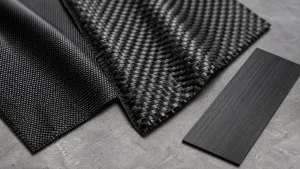
Before we delve into the methods for bending, it’s essential to understand what carbon fiber sheets are. Carbon fiber is made of thin strands of carbon atoms tightly bonded together in a crystalline structure, which provides unmatched structural integrity. Available in various thicknesses and finishes, carbon fiber sheets can be easily manipulated to create complex shapes or simple bends.
Key Benefits of Carbon Fiber
1. Specific Strength and Stiffness: A properly designed carbon-fiber laminate can provide high strength or stiffness for its mass. Performance relative to aluminum or steel depends on fiber grade, layup, thickness, load direction, joints and failure criteria.
2. Corrosion Resistance: Unlike metals, carbon fiber does not rust or corrode, allowing it to maintain its integrity in challenging environments.
3. Flexibility in Design: The versatility of carbon fiber sheets allows for a wide range of designs, whether you’re constructing automotive parts or artistic sculptures.
Preparing to Bend
Preparation is crucial when working with carbon fiber sheets. Failing to prepare adequately may lead to cracks or unwanted deformations during the bending process. Here are some steps to ensure a successful outcome:
Gathering Your Tools
You’ll need a few essential tools and materials:
– Carbon Fiber Sheets: Select the appropriate thickness for your project, typically ranging from 0.5 mm to 5.0 mm.
– Heat Source: An industrial heat gun or an oven can be used, depending on the thickness of the sheet.
– Protective Gear: Safety goggles and a dust mask should be worn to protect against particulate matter and fumes.
– Cutting Tools: A fine-toothed saw or scissors specifically meant for carbon fiber will ensure clean cuts.
– Mold or Form: To shape the carbon fiber, use a mold or jig that matches the desired bend.
Perfecting the Bending Process
Now that you’re prepared, let’s take a look at some techniques to bend carbon fiber sheets effectively.
Heating the Carbon Fiber Sheet
Carbon fiber sheets require careful heating to achieve optimal flexibility:
1. Uniform Heating: Thermally activate the carbon fiber by applying consistent heat across the entire area that you intend to bend. Hold the heat source at a distance to avoid overheating certain spots.
2. Testing Flexibility: Once heated, gently bend a small edge of the sheet to test for flexibility. If it bends easily without cracking, it is ready for the desired shape.
Using a Mold for Consistency
For precision bends, using a mold can result in a perfect shape:
1. Designing the Mold: Create or purchase a mold that matches your desired curve or contour. For example, if you’re making a curved dash panel for a car, the mold should replicate that curve accurately.
2. Secure the Sheet: Position the carbon fiber sheet over the mold and use clamps to secure it in place. This ensures the sheet holds its shape as it cools and hardens.
3. Allow to Cool: After bending, let the sheet cool completely while secured in the mold. This helps maintain the shape and reinforces the structure.
Additional Techniques for Complex Bends
For more intricate designs, consider alternative methods to achieve the desired bend.
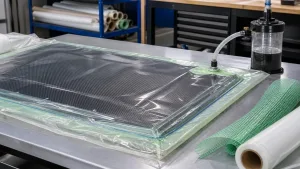
Vacuum Bagging
Vacuum bagging is an advanced technique that offers even greater control over the shaping process:
1. Layup Process: Start with a layer of release film, placed over the mold. Then, position the carbon fiber sheet and apply epoxy resin as per your design requirements.
2. Vacuum Bagging: Once everything is in place, create a vacuum seal over the entire setup. The vacuum will remove any air bubbles and allow for a perfect fit of the carbon fiber against the mold.
3. Curing Time: Allow the setup to cure according to the manufacturer’s specifications for both the resin and carbon fiber.
Finishing Touches for a Professional Look
Once you’ve successfully bent the carbon fiber sheet, adding a few finishing touches can elevate the aesthetics and functionality:
Sanding and Polishing
1. Fine Sandpaper: Utilize fine-grit sandpaper to smooth the edges and surfaces of the carbon fiber. This step ensures a clean look and removes any sharp or jagged areas.
2. Polishing: For a high-gloss finish, use a polishing compound made specifically for carbon fiber. This step enhances the visual appeal and adds a layer of protection.
Adding Adhesives and Fasteners
To secure your bent structure, consider various adhesives or fastening systems based on the application:
– Epoxy Adhesives: For permanent installations, using epoxy ensures a solid bond.
– Mechanical Fasteners: If you’re working on parts that might need to be disassembled, stainless steel bolts or screws will provide a strong yet removable connection.
Maintenance After Installation
Once your carbon fiber project is complete, maintaining it is essential for longevity:
1. Regular Cleaning: Use a soft microfiber cloth and mild cleaning solution to wipe down the surfaces. Avoid harsh chemicals that may degrade the resin.
2. Inspection: Periodically check for any signs of wear, delamination, or discoloration, especially in high-stress applications.
Common Misconceptions About Carbon Fiber
While carbon fiber is a phenomenal material, several misconceptions circulate among newcomers:
1. Brittleness: Many believe carbon fiber is brittle, but properly managed bending and layering techniques can provide flexibility and durability.
2. High Cost: While some products may seem pricey, the long-term benefits and savings in weight, strength, and durability can justify the initial investment.
Conclusion
Bend carbon fiber sheet into eye-catching designs with these effortless tips, exploring the vast possibilities this extraordinary material offers. With the right tools, techniques, and a bit of creativity, you can achieve stunning results that blend form and function. Whether you’re a seasoned professional or a beginner trying your hand at carbon fiber projects, embracing these practices will undoubtedly lead to impressive outcomes. Happy bending!

Add comment