
Welcome to the exciting world of advanced building materials. If you need something incredibly strong but very light, you will love working with these modern composite layers. This specific technology is a total game changer for hobbyists who want massive strength without any extra weight.
From racing drones to sleek car parts, these rigid panels offer many uses for your shop. Many innovative designs show just how useful the substance can be for high-performance gear. You will find that these high-tech plates are perfect for anyone who loves custom builds and new tools.
In this guide, we will explore why these sturdy items are so popular in the modern world. We will look at different styles and how you can work with them safely in your own home. Get ready to transform your next big idea with these durable and sleek materials.
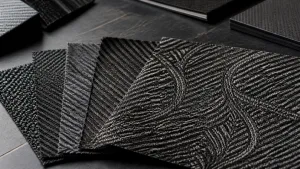
The beauty of these components lies in their unique weave and finish. They provide a professional look that is hard to match with basic plastic or heavy metal. Whether you are a pro or a beginner, you can achieve amazing results with the right approach and a little creativity.
Key Takeaways
- Exceptional strength-to-weight ratio for every performance build.
- High impact resistance ensures your custom work lasts for years.
- Versatile enough for aerospace and custom automotive parts.
- Available in various attractive patterns and thickness levels.
- Resistant to high heat and environmental corrosion factors.
- Provides a professional, high-tech aesthetic to any DIY project.
What Makes Carbon Fiber Sheets Special
Carbon fiber sheets are renowned for their exceptional characteristics, making them a preferred choice in many industries. Their unique blend of properties makes them ideal for applications where strength, durability, and lightweight are crucial.
Understanding the Unique Composition
Carbon fiber sheets are made from carbon fibers, which are long, thin strands of carbon atoms bonded together. These fibers are incredibly strong and stiff, with a high strength-to-weight ratio. The composition of carbon fiber involves a complex process that aligns these fibers in a specific direction to maximize their properties.
The unique composition of carbon fiber sheets is due to the high concentration of carbon atoms, typically above 90%. This high carbon content, combined with the specific manufacturing process, gives carbon fiber its remarkable properties.
The Manufacturing Process Behind the Strength
The manufacturing process of carbon fiber sheets involves several stages, starting from the production of precursor materials to the final fabrication of the sheets. The process includes:
- Precursor production: Creating the raw material that will be converted into carbon fibers.
- Thermal treatment: Heating the precursor to high temperatures in the absence of air to form carbon fibers.
- Surface treatment: Treating the fibers to improve their bonding with the matrix material.
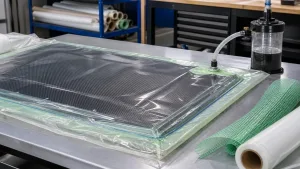
- Layup and curing: Aligning the fibers and combining them with a resin to form the final product.
This meticulous process contributes to the exceptional strength and durability of carbon fiber sheets.
Key Physical Properties That Matter
Carbon fiber sheets exhibit several key physical properties that make them highly desirable. These include:
- High tensile strength: The ability to withstand significant pulling forces without failing.
- Low density: Carbon fiber sheets are much lighter than many other materials with similar strength.
- High stiffness: They resist deformation under load, maintaining their shape.
- Corrosion resistance: Carbon fiber is resistant to many corrosive substances, enhancing its durability.
These physical properties make carbon fiber sheets an excellent choice for a wide range of applications, from aerospace to sports equipment.
Why Carbon Fiber Sheets Are Worth Your Investment
With their impressive strength-to-weight ratio and durability, carbon fiber sheets are a worthwhile investment for various applications. These sheets have become a preferred material in many industries due to their exceptional properties.
Unmatched Strength-to-Weight Ratio
One of the most significant advantages of carbon fiber sheets is their unmatched strength-to-weight ratio. This characteristic makes them ideal for projects where minimizing weight without compromising strength is crucial. For instance, in the aerospace industry, carbon fiber is used extensively to reduce the overall weight of aircraft, thereby improving fuel efficiency.
To illustrate the benefits, consider the following comparison:
| Material | Strength (MPa) | Weight (g/cm³) | Strength-to-Weight Ratio |
|---|---|---|---|
| Carbon Fiber | 4000 | 1.8 | 2222 |
| Aluminum | 500 | 2.7 | 185 |
| Steel | 2000 | 7.9 | 253 |
Long-Lasting Durability
Carbon fiber sheets are known for their long-lasting durability. They can withstand harsh conditions and maintain their integrity over time. As noted by a leading materials scientist, “Carbon fiber composites are renowned for their resistance to fatigue and ability to endure under constant stress.”
“Carbon fiber composites are renowned for their resistance to fatigue and ability to endure under constant stress.”
Resistance to Corrosion and Chemicals
Another significant benefit of carbon fiber sheets is their resistance to corrosion and chemicals. Unlike metals, carbon fiber does not corrode when exposed to water or chemicals, making it an excellent choice for applications in harsh environments.
Temperature Stability
Carbon fiber sheets also exhibit temperature stability, maintaining their properties across a wide range of temperatures. This makes them suitable for applications where temperature fluctuations are significant.
For example, in the automotive industry, carbon fiber components are used in high-performance vehicles to withstand the heat generated by the engine and the cold temperatures encountered during high-speed driving.
Exploring Different Types of Carbon Fiber Sheets
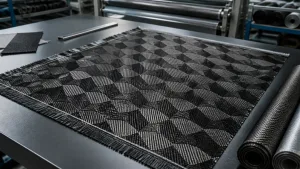
Carbon fiber sheets are not a one-size-fits-all material; they come in various types, including twill weave, plain weave, unidirectional, and forged carbon fiber. Each type has its unique characteristics, advantages, and typical applications, making it crucial to choose the right one for your specific project needs.
Twill Weave Carbon Fiber
Twill weave carbon fiber is known for its distinctive diagonal pattern, which not only gives it a unique aesthetic but also provides a good balance between visual appeal and mechanical properties. This type of weave is flexible and resistant to impact, making it suitable for projects where both form and function are important.
Plain Weave Carbon Fiber
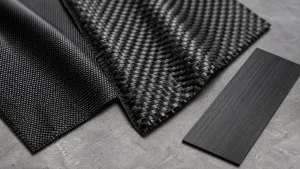
Plain weave carbon fiber features a simple over-and-under pattern, resulting in a flat, smooth surface. It offers excellent stability and ease of handling, making it a popular choice for a wide range of applications, from decorative elements to functional parts.
Unidirectional Carbon Fiber
Unidirectional carbon fiber has all its fibers aligned in one direction, providing exceptional strength and stiffness in that direction. This makes it ideal for applications where high performance in a specific direction is required, such as in aerospace or high-performance sports equipment.
Forged Carbon Fiber Sheets
Forged carbon fiber sheets are made using a unique process that involves compressing carbon fiber materials into complex shapes. This results in a material that is not only strong and lightweight but also has a distinctive, high-tech appearance. Forged carbon fiber is often used in high-end automotive and luxury goods.
| Type of Carbon Fiber | Characteristics | Typical Applications |
|---|---|---|
| Twill Weave | Diagonal pattern, flexible, impact-resistant | Decorative elements, functional parts |
| Plain Weave | Simple over-and-under pattern, stable, easy to handle | Wide range of applications, from decorative to functional |
| Unidirectional | High strength and stiffness in one direction | Aerospace, high-performance sports equipment |
| Forged Carbon Fiber | Complex shapes, strong, lightweight, high-tech appearance | High-end automotive, luxury goods |
Exciting Project Ideas Using Carbon Fiber Sheets
From automotive enthusiasts to drone hobbyists, carbon fiber sheets are being used in innovative ways to push the boundaries of what’s possible. The unique properties of carbon fiber make it an ideal material for a wide range of applications, from high-performance vehicles to custom tech accessories.
Automotive Modifications and Custom Parts
Car enthusiasts are increasingly turning to carbon fiber sheets to enhance their vehicles’ performance and aesthetics. Carbon fiber hoods, trunk lids, and interior trim not only reduce weight but also add a sleek, high-tech look to any car. According to a leading automotive expert, “Carbon fiber has revolutionized the way we approach car customization, offering unparalleled strength and style.”
DIY Drone Frames and RC Aircraft
The lightweight yet incredibly strong properties of carbon fiber make it a favorite among drone builders and RC aircraft enthusiasts. By using carbon fiber sheets, hobbyists can create drones and aircraft that are not only faster and more agile but also more durable. This material allows for the construction of complex designs that would be impossible with heavier, less versatile materials.
Custom Phone Cases and Tech Accessories
For tech enthusiasts, carbon fiber sheets offer a unique way to personalize their devices. Custom phone cases made from carbon fiber provide a sleek, protective covering that stands out from traditional materials. Additionally, carbon fiber can be used to create other tech accessories, such as laptop stands and tablet holders, combining functionality with a premium look.
Sporting Equipment Upgrades
Athletes and sports equipment manufacturers are also leveraging the benefits of carbon fiber. By incorporating carbon fiber sheets into bicycle frames, golf clubs, and other sporting goods, manufacturers can create lighter, stronger products that enhance performance. The use of carbon fiber can significantly impact an athlete’s ability to perform at their best.
Furniture and Home Decor Accents
Beyond high-tech applications, carbon fiber sheets are also being used in home decor and furniture design. Carbon fiber accents on furniture can add a modern, industrial touch to any room. From coffee tables to wall art, the unique texture and appearance of carbon fiber make it a versatile material for interior designers and DIY home decorators alike.
How to Select the Perfect Carbon Fiber Sheets
With numerous options available in the market, selecting the ideal carbon fiber sheets requires a thorough understanding of your project’s specific needs. The process involves evaluating several critical factors that directly impact the performance, durability, and aesthetic appeal of your final product.
Choosing the Right Thickness
The thickness of the carbon fiber sheet is a crucial factor that affects its strength, flexibility, and overall usability. Thicker sheets are generally stronger and more rigid, making them suitable for structural components, while thinner sheets offer more flexibility and are ideal for applications where weight reduction is critical.
When selecting the thickness, consider the specific requirements of your project, including the load-bearing capacity, durability, and weight constraints. Common thicknesses range from 0.5mm to 3mm, with various applications suited to different thicknesses.
Picking the Best Weave Pattern for Your Needs
Carbon fiber sheets come in various weave patterns, each offering unique characteristics that make them suitable for different applications. The most common weave patterns include twill, plain, and unidirectional weaves.
| Weave Pattern | Description | Best Use |
|---|---|---|
| Twill Weave | Offers a balanced mix of strength and aesthetic appeal with a diagonal pattern. | Decorative and structural applications. |
| Plain Weave | Provides a simple, grid-like pattern with good stability and ease of handling. | General-purpose applications, including hobby projects. |
| Unidirectional | Features fibers aligned in one direction, offering maximum strength in that direction. | High-performance applications requiring strength in a specific direction. |
Glossy vs. Matte Finish Considerations
The finish of the carbon fiber sheet can significantly impact its appearance and performance. Glossy finishes offer a sleek, reflective appearance that can enhance the visual appeal of your project, while matte finishes provide a more subdued look that can be beneficial for applications where glare needs to be minimized.
Glossy Finish: Ideal for projects where visual appeal is a priority, such as in automotive or decorative applications.
Matte Finish: Suitable for applications where a non-reflective surface is required, such as in certain industrial or functional components.
Sheet Size and Custom Cutting Options
Carbon fiber sheets are available in various standard sizes, but many suppliers also offer custom cutting services to meet specific project requirements. When selecting a sheet size, consider the dimensions of your project and the potential for waste reduction through custom cutting.
Custom cutting can be particularly beneficial for optimizing material usage and reducing costs, especially for complex or large-scale projects.
Essential Tools and Techniques for Working with Carbon Fiber
Working with carbon fiber requires precision, patience, and the right tools to unlock its full potential. Whether you’re a seasoned professional or a DIY enthusiast, understanding the essential tools and techniques is crucial for achieving high-quality results.
Must-Have Tools for Cutting and Shaping
To work effectively with carbon fiber sheets, you’ll need a set of specialized tools. High-quality cutting tools are at the top of the list. These include diamond-coated saw blades, carbide-tipped scoring tools, and precision shears designed specifically for cutting composite materials.
A CNC milling machine or a laser cutter can be invaluable for more complex projects, offering precision and consistency that manual tools can’t match. For shaping and smoothing edges, a range of grinders and sanders will be necessary.
| Tool | Purpose | Recommended Type |
|---|---|---|
| Diamond-coated saw blade | Cutting carbon fiber sheets | Continuous rim or segmented rim |
| Carbide-tipped scoring tool | Scoring and breaking carbon fiber | High-carbon steel or tungsten carbide |
| CNC milling machine | Precision cutting and shaping | High-speed steel or carbide-tipped |
Proper Cutting Methods to Prevent Damage
Cutting carbon fiber requires careful planning to prevent damage and ensure clean cuts. Using the right cutting technique is just as important as having the right tool. For instance, using a saw with a high tooth count can help reduce splintering and fraying.
As noted by experts, “The key to successful carbon fiber cutting lies in maintaining tool sharpness and using the appropriate cutting speed.”
“Dull tools can cause more damage than they prevent, leading to costly repairs or replacements.”
Drilling and Fastening Best Practices
Drilling into carbon fiber requires specialized drill bits designed to handle the material’s hardness without causing damage. It’s also crucial to use the correct drilling speed and apply appropriate pressure to avoid delamination.
- Use drill bits with diamond or carbide tips.
- Maintain a steady, moderate drilling speed.
- Apply consistent, gentle pressure.
Safety Equipment You'll Need
Working with carbon fiber can pose several health risks, including inhalation of dust and potential eye irritation. Safety equipment is essential to mitigate these risks. This includes dust masks or respirators, safety goggles, and gloves to protect against sharp edges and chemical exposure.
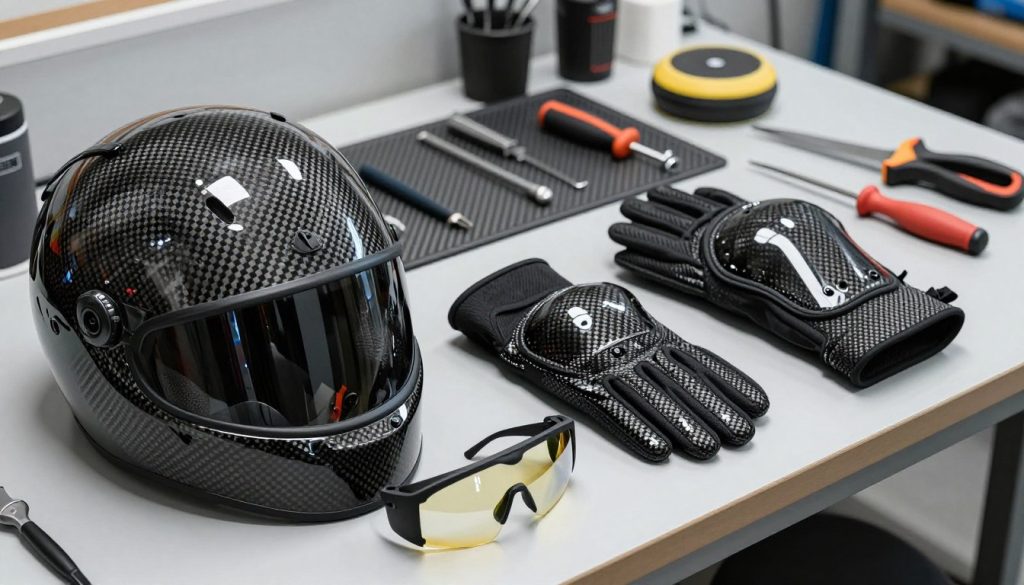
By equipping yourself with the right tools and techniques, and by following best practices for cutting, drilling, and safety, you can ensure successful projects that showcase the unique benefits of carbon fiber.
Finishing Touches That Make Your Project Shine
The final steps in working with carbon fiber can make all the difference in the appearance and durability of your project. A well-finished carbon fiber piece not only looks professional but also stands the test of time.
Sanding and Edge Smoothing
Sanding is a critical step in the finishing process. It helps to smooth out any rough edges or surfaces, ensuring a flawless finish. Start with a coarse grit sandpaper and work your way up to finer grits for the best results. Proper sanding techniques can make a significant difference in the final appearance of your project.
Applying Clear Coat for Protection
Applying a clear coat is essential for protecting your carbon fiber project from environmental factors. It provides a barrier against UV light, moisture, and other elements that could damage the material. Choose a high-quality clear coat specifically designed for carbon fiber, and follow the manufacturer’s instructions for application.
Polishing for a Professional Look
Polishing is the final touch that gives your carbon fiber project a professional shine. Use a polishing compound suitable for carbon fiber, and apply it according to the manufacturer’s guidelines. Regular polishing can help maintain the appearance of your project over time.
Caring for Your Carbon Fiber Sheets and Projects
To ensure your carbon fiber projects remain in top condition, proper care is essential. Carbon fiber is known for its durability and strength, but like any material, it requires maintenance to uphold its quality and appearance over time.
Regular maintenance not only keeps your carbon fiber looking great but also helps in identifying any potential issues early on. This includes regular inspections for damage, cleaning, and protecting it from environmental factors.
Daily Cleaning and Maintenance
Cleaning your carbon fiber sheets and projects regularly is vital. Use a soft, dry cloth to wipe away dust and debris. For more thorough cleaning, a mild soap solution can be used. Avoid harsh chemicals that can damage the carbon fiber or its finish.
When cleaning, gently wipe the surface in one direction to prevent scratching. It’s also important to dry the surface thoroughly after cleaning to prevent water spots.
UV Protection Strategies
Carbon fiber can be affected by UV exposure, leading to discoloration or degradation over time. To protect your projects, apply a UV-resistant clear coat. This not only enhances the appearance but also acts as a barrier against UV rays.
For projects that are exposed to direct sunlight regularly, consider using a UV-filtering window film or storing them in shaded areas when not in use. Regularly inspect the clear coat for any signs of wear and reapply as necessary.
Storage Tips to Prevent Warping
Proper storage is crucial to maintaining the integrity of your carbon fiber sheets. Store them in a cool, dry place away from direct sunlight. Avoid bending or folding the sheets, as this can cause warping or cracking.
If you need to store large sheets, consider using a flat storage system or hanging them in a way that distributes the weight evenly. For smaller projects, use padded containers or bags to protect them from scratches and damage.
By following these storage tips and maintaining a regular cleaning routine, you can ensure your carbon fiber projects remain in excellent condition for years to come.
Understanding Pricing and Where to Buy
The cost of carbon fiber sheets is influenced by a multitude of factors, including production costs and market demand. Understanding these factors is crucial for making informed purchasing decisions.
What Affects Carbon Fiber Sheet Prices
Several key factors contribute to the final price of carbon fiber sheets. These include:
- Raw Material Costs: The price of precursor materials like polyacrylonitrile (PAN) significantly affects the overall cost.
- Manufacturing Process: The complexity and precision required in the manufacturing process impact the pricing.
- Weave Pattern and Thickness: Different weave patterns and thicknesses require different amounts of material and labor, influencing the cost.
- Documented Specification and Traceability: Sheets backed by a defined laminate schedule, tolerances, inspection records and batch traceability may carry additional testing and quality-control cost.
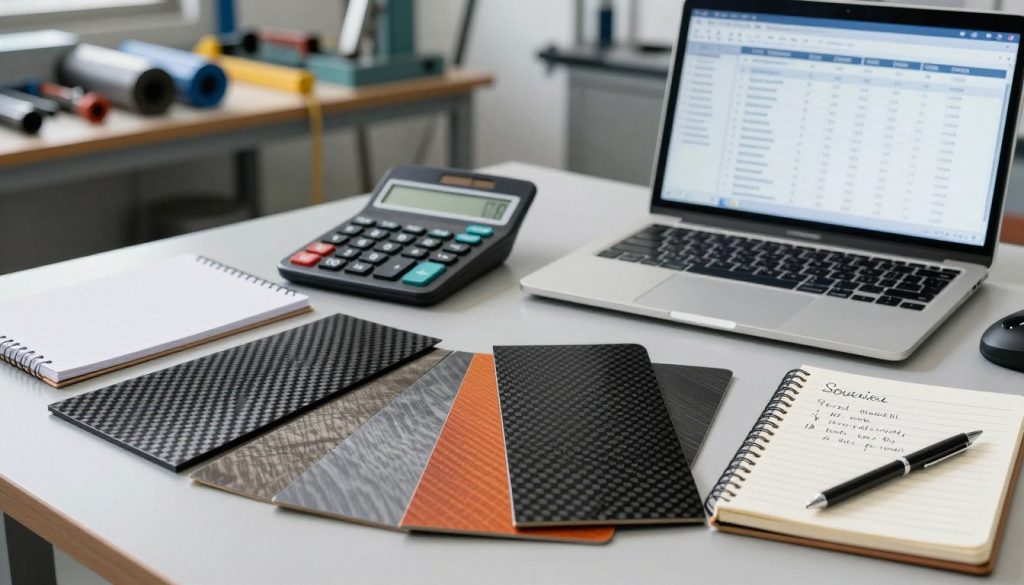
Finding Quality Suppliers in the United States
Locating a reliable supplier is crucial for obtaining high-quality carbon fiber sheets. Here are some tips:
- Research and Reviews: Look for suppliers with positive reviews and a strong reputation in the industry.
- Applicable Requirements: Define the standards, regulations and customer specifications that apply to the end use. Ask the supplier for scope-matched documents and verify the issuing body, revision, lot and test method where relevant.
- Product Range and Customization: A supplier that offers a wide range of products and customization options can better meet specific needs.
Getting the Best Value for Your Money
To ensure you’re getting the best value, consider the following:
- Compare Prices: Research and compare prices from different suppliers to find the best deal.
- Assess Quality: Don’t compromise on quality for a lower price. Assess the material’s quality and durability.
- Consider Bulk Purchases: Buying in bulk can often result in significant cost savings.
By understanding the factors that affect pricing, finding a quality supplier, and making informed purchasing decisions, you can get the best value for your money when buying carbon fiber sheets.
Carbon Fiber Sheets vs. Other Materials
When it comes to selecting materials for your project, understanding the differences between carbon fiber sheets and other options is crucial. Various materials are available, each with its own set of advantages and disadvantages. In this section, we’ll compare carbon fiber sheets to other commonly used materials like fiberglass and aluminum, helping you decide which is best for your needs.
Comparing Carbon Fiber to Fiberglass
Carbon fiber and fiberglass are both popular choices for projects requiring strength and durability. However, they have distinct differences in terms of their properties and applications.
Strength and Weight: For comparable laminate designs, carbon fiber often provides higher stiffness at a lower mass than fiberglass. Actual strength and suitability depend on fiber orientation, resin, thickness, manufacturing quality and the applied load case.
Cost Consideration: Fiberglass, on the other hand, is generally more affordable than carbon fiber. For projects with budget constraints, fiberglass might be a more viable option, although it may not offer the same level of performance as carbon fiber.
Carbon Fiber vs. Aluminum Sheets
Aluminum is another material often compared to carbon fiber due to its lightweight and corrosion-resistant properties. However, there are key differences between the two.
Weight and Strength: Carbon fiber sheets have a higher strength-to-weight ratio compared to aluminum. This means that for the same weight, carbon fiber can provide greater strength and stiffness.
Corrosion Resistance: While aluminum is naturally resistant to corrosion, carbon fiber sheets can also be treated to resist corrosion, making them suitable for harsh environments.
When Carbon Fiber Is the Smart Choice
So, when should you choose carbon fiber sheets over other materials? The answer lies in the specific requirements of your project.
- If your project demands high strength, low weight, and resistance to fatigue, carbon fiber is likely the best choice.
- For applications where high-temperature stability and resistance to chemicals are necessary, carbon fiber sheets are superior.
- If you’re looking for a material that can provide a unique aesthetic appeal along with performance, carbon fiber’s distinctive look can be a significant advantage.
In conclusion, while other materials like fiberglass and aluminum have their own merits, carbon fiber sheets offer a unique combination of properties that make them ideal for a wide range of high-performance applications.
Avoiding Common Pitfalls When Working with Carbon Fiber
Mastering the use of carbon fiber sheets involves learning from common errors and taking steps to avoid them. When working with these versatile yet demanding materials, understanding the potential pitfalls can save time, reduce waste, and ensure the success of your projects.
Mistakes During Cutting and Shaping
One of the most common mistakes when working with carbon fiber sheets is improper cutting and shaping. Using the wrong tools or techniques can lead to delamination, cracking, or other forms of damage. For instance, using a saw with too high a tooth count can cause the fibers to fray, while a saw with too low a tooth count can lead to excessive heat buildup and damage to the material.
To avoid these issues, it’s essential to use the right tools for the job. A diamond-coated saw or a high-quality carbide-tipped blade is recommended for cutting carbon fiber sheets. Additionally, maintaining a steady hand and applying consistent, moderate pressure can help prevent mistakes.
| Tool | Description | Best Use |
|---|---|---|
| Diamond-coated saw | High precision cutting with minimal damage | Cutting complex shapes or curves |
| Carbide-tipped blade | Durable and resistant to wear, ideal for straight cuts | Cutting straight edges or large sheets |
Surface Preparation Errors
Proper surface preparation is critical when working with carbon fiber sheets, especially if you plan to apply adhesives or coatings. Failing to clean the surface adequately can lead to poor bonding, which can compromise the structural integrity of your project.
To prepare the surface correctly, start by cleaning the carbon fiber sheet with a mild detergent and water. Then, use a gentle scrubber or a specialized cleaning solution to remove any contaminants or oils. Finally, dry the surface thoroughly before applying any adhesives or coatings.
Ignoring Proper Safety Protocols
Working with carbon fiber sheets can pose several health and safety risks if proper precautions are not taken. The dust generated during cutting and sanding can be harmful if inhaled, and the sharp edges of cut carbon fiber can cause cuts or abrasions.
To mitigate these risks, always wear protective gear when working with carbon fiber sheets, including gloves, safety glasses, and a dust mask. Ensure good ventilation in your workspace, and consider using a vacuum system to capture dust and debris.
By being aware of these common pitfalls and taking steps to avoid them, you can ensure a successful outcome for your projects involving carbon fiber sheets.
Conclusion
As we’ve explored throughout this article, carbon fiber sheets offer a unique combination of strength, durability, and versatility, making them an ideal material for a wide range of projects. From automotive modifications and custom drone frames to sporting equipment upgrades and home decor accents, the possibilities are endless.
By understanding the different types of carbon fiber sheets, selecting the right material for your needs, and following best practices for working with this advanced material, you can unlock new creative possibilities and achieve professional-grade results.
This summary of carbon fiber sheets highlights their potential to elevate your projects. Whether you’re a seasoned maker or just starting out, carbon fiber sheets are definitely worth considering for your next endeavor, providing a strong foundation for innovation and success.
FAQ
What exactly gives carbon fiber sheets such an incredible strength-to-weight ratio?
It all comes down to the tensile strength of the carbon filaments and the polymer matrix—usually a high-quality epoxy resin—that binds them together. By aligning the fibers in specific directions, manufacturers can create a material that is significantly stiffer than steel but weighs much less than 6061 Aluminum.
Can I use carbon fiber sheets for high-heat applications like engine bays?
Yes! One of the standout properties of carbon fiber is its low coefficient of thermal expansion. This means it remains incredibly stable across various temperatures. For automotive projects like those seen on Tesla or Ford Performance vehicles, these sheets handle heat much better than many plastics or fiberglass alternatives.
What is the difference between Twill and Plain weave patterns?
This is a great question! A 2×2 Twill weave has a distinct diagonal pattern and is slightly more pliable, making it ideal for wrapping around complex curves. A Plain weave features a traditional checkerboard look and offers excellent structural stability for flat surfaces. Both provide the iconic aesthetic found in brands like Ducati or Pagani.
Is it difficult to cut carbon fiber sheets at home for a DIY project?
It’s definitely manageable with the right must-have tools! We recommend using a tungsten carbide or diamond-coated saw blade to prevent fraying. Since carbon dust is conductive and an irritant, always wear a P100 respirator and use a HEPA vacuum to keep your workspace safe and clean.
Why should I choose carbon fiber over fiberglass for my drone frame?
While fiberglass is more affordable, carbon fiber provides a much higher modulus of elasticity, meaning it is far stiffer. For DJI enthusiasts or custom FPV drone builders, this stiffness translates to better flight stability and durability during high-speed maneuvers without adding the weight that would bog down your motors.
How do I prevent my carbon fiber projects from yellowing in the sun?
To keep your project looking professional, applying a UV-resistant clear coat is essential. Products like SprayMax 2K Clear offer a high-gloss finish that protects the epoxy resin from breaking down or discoloring when exposed to direct sunlight over long periods.
Where is the best place to source high-quality carbon fiber sheets in the United States?
For professional-grade materials, we recommend looking at established American suppliers like DragonPlate or Rock West Composites. These companies provide a variety of thicknesses and finishes, ensuring you get the aerospace-grade quality needed for everything from sporting equipment to custom automotive parts.
Can I drill holes in carbon fiber sheets without splintering the material?
Absolutely! The trick is to use a high-speed brad-point drill bit and place a sacrificial piece of wood behind the sheet to prevent “breakout” on the back side. Using a bit of masking tape over the drill site also helps maintain a clean, professional edge during the process.

Add comment