
Are you looking to upgrade your ride or fix a damaged panel? Many enthusiasts choose high-end components for their sleek look and incredible durability. Using a professional 3k 200g Twill/Plain Weave Carbon Fibre Fabric Cloth is a common way to achieve great results at home.
This specific material offers a great balance for both visual layers and minor fixes. It provides the strength needed for carbon fiber automotive parts without adding unnecessary bulk to the vehicle. You will find that it handles curves and complex shapes quite well during the layup process.
When picking your supplies, understanding the carbon fiber cloth weight is vital for the final stiffness of your project. This versatile textile remains a top pick for modern vehicle builders and DIYers across the United States. It helps you keep your car lightweight while ensuring every repair lasts for years.
Key Takeaways
- Ideal for creating lightweight visual upgrades and moderate structural fixes.
- Balanced thickness ensures easy handling for most DIY automotive projects.
- Provides a high strength-to-weight ratio for racing applications.
- Works well with various epoxy resins for a professional, smooth finish.
- The specific density allows the material to drape over complex car body curves.
- A popular choice for American enthusiasts looking for performance and style.
Understanding 3K 200g Carbon Fiber Cloth Basics
To appreciate the versatility of 3K 200g carbon fiber cloth in automotive applications, it’s essential to understand its fundamental characteristics. This understanding not only aids in selecting the right material for specific projects but also in appreciating its manufacturing process and potential applications.
Carbon fiber materials are renowned for their strength, durability, and lightweight properties, making them a favorite among automotive enthusiasts and professionals alike. The terminology associated with these materials, however, can be daunting for those new to the field.
What Does 3K 200g Mean in Carbon Fiber Terms?
The designation “3K 200g” refers to two critical aspects of the carbon fiber cloth: the number of filaments in a tow and the weight of the fabric. “3K” signifies that the carbon fiber is made from 3,000 filaments in a single tow. The “200g” indicates that the fabric weighs 200 grams per square meter. This specification is crucial as it influences the material’s strength, flexibility, and overall suitability for various applications.
Twill Weave vs Plain Weave Patterns Explained
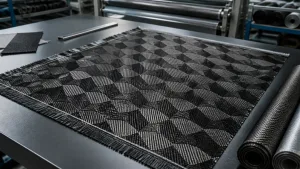
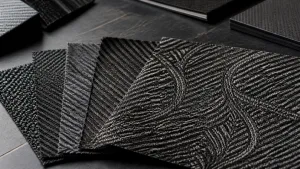
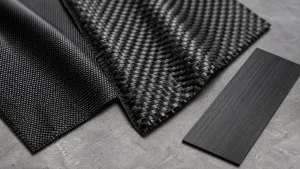
Carbon fiber cloth can be woven in various patterns, with twill weave and plain weave being two of the most common. Twill weave carbon fiber is characterized by its diagonal pattern, which provides a unique aesthetic appeal and improved drapability around complex shapes. On the other hand, plain weave carbon fiber features a simple over-and-under pattern, offering a more straightforward and sometimes more cost-effective option.
The choice between twill and plain weave depends on the specific requirements of the project, including the desired appearance, the complexity of the shape being covered, and the mechanical properties needed.
How This Carbon Fiber Cloth Is Manufactured
The manufacturing process of carbon fiber cloth involves several intricate steps, starting from the production of precursor materials to the final weaving of the fabric. The quality of the raw materials, the weaving pattern, and the finishing treatments all play significant roles in determining the final product’s characteristics.
Carbon fiber cloth manufacturing is a complex process that requires precision and expertise. Understanding this process can help users appreciate the material’s potential and limitations in automotive applications.
Technical Specifications of 3k 200g Twill/Plain Weave Carbon Fibre Fabric Cloth
The technical specifications of 3K 200g twill/plain weave carbon fiber cloth are crucial for determining its suitability in various applications. This section delves into the key characteristics that define its performance and usability.
Weight and Thickness Characteristics
The weight and thickness of carbon fiber cloth are fundamental properties that influence its application.
Areal Weight Per Square Meter
The 3K 200g carbon fiber cloth has an areal weight of 200 grams per square meter. This specification is critical as it directly affects the final weight of the composite material.
Typical Thickness Range
Typically, the thickness of 200g carbon fiber cloth ranges between 0.2 mm to 0.3 mm, depending on the weave pattern and manufacturing process. This thickness range is suitable for most automotive and structural repair applications.
Tensile Strength and Mechanical Properties
The mechanical properties of 3K 200g carbon fiber cloth are pivotal in understanding its load-bearing capabilities.
Strength-to-Weight Ratio
One of the standout features of carbon fiber is its exceptional strength-to-weight ratio. The 3K 200g cloth offers a remarkable balance between being lightweight and providing substantial tensile strength.
Modulus of Elasticity
The modulus of elasticity of carbon fiber cloth indicates its stiffness. The 3K 200g material exhibits a high modulus, making it suitable for applications where rigidity is crucial.
Flexibility and Drapability for Complex Shapes
Despite its high strength and stiffness, 3K 200g carbon fiber cloth is relatively flexible, allowing it to be molded into complex shapes. This drapability is essential for automotive parts and structural repairs that require conforming to intricate geometries.
Automotive Applications Where 3K 200g Carbon Fiber Excels
The versatility of 3K 200g carbon fiber cloth makes it an ideal material for various automotive carbon fiber applications. Its unique combination of strength, lightweight properties, and aesthetic appeal is transforming the way vehicles are designed and customized.
One of the primary advantages of using 3K 200g carbon fiber is its ability to be molded into complex shapes without compromising its structural integrity. This makes it particularly suitable for a wide range of automotive components.
Body Panels and Exterior Components
3K 200g carbon fiber is widely used in the production of body panels and exterior components due to its strength, durability, and lightweight properties.
Hoods and Trunk Lids
Using 3K 200g carbon fiber for hoods and trunk lids can significantly reduce the overall weight of a vehicle, improving its power-to-weight ratio and enhancing performance. The material’s high tensile strength also ensures that these components can withstand various environmental stresses.
Fender Flares and Side Skirts
Fender flares and side skirts made from 3K 200g carbon fiber not only enhance the visual appeal of a vehicle but also provide aerodynamic benefits. The material’s flexibility allows for smooth, seamless integration with the vehicle’s design.
Interior Trim and Decorative Elements
Beyond exterior applications, 3K 200g carbon fiber is also used to create sophisticated interior trim and decorative elements, elevating the overall aesthetic of a vehicle’s interior.
Dashboard Overlays
Dashboard overlays crafted from 3K 200g carbon fiber add a touch of luxury and modernity to a vehicle’s interior. The material’s unique weave pattern creates a visually striking effect that is both elegant and sporty.
Center Console Pieces
Center console pieces made from 3K 200g carbon fiber can enhance the driving experience by providing a premium feel. The material’s durability ensures that these components remain in excellent condition over time.
Performance Parts and Aerodynamic Components
The use of 3K 200g carbon fiber in performance parts and aerodynamic components is critical for achieving optimal vehicle performance and handling.
Spoilers and Diffusers
Spoilers and diffusers are crucial for improving a vehicle’s aerodynamics. 3K 200g carbon fiber is an ideal material for these components due to its lightweight and high-strength properties, which help in reducing drag and enhancing downforce.
Air Intake Covers
Air intake covers made from 3K 200g carbon fiber can improve engine performance by protecting the intake system while also adding a visually appealing element under the hood.
Evaluating Structural Repair Capabilities and Limitations
Structural repairs with carbon fiber require a thorough evaluation of the material’s capabilities and limitations. The effectiveness of 3K 200g carbon fiber cloth in such applications depends on several factors, including the type of repair, the load-bearing requirements, and the extent of the damage.
When considering structural repairs with carbon fiber, it’s essential to differentiate between various applications and their specific demands. The versatility of 3K 200g carbon fiber cloth makes it suitable for a range of repairs, but understanding its limitations is crucial for a successful outcome.
Load-Bearing vs Non-Load-Bearing Applications
In structural repairs, distinguishing between load-bearing and non-load-bearing applications is vital. Load-bearing components are critical to the overall structural integrity of a vehicle or object, whereas non-load-bearing parts, while important for aesthetics or functionality, do not bear significant loads.
- Load-bearing applications require materials with high tensile strength and durability. 3K 200g carbon fiber cloth can be suitable for some load-bearing repairs, depending on the specific requirements and the orientation of the fibers.
- Non-load-bearing applications, such as cosmetic repairs or interior components, can often be effectively addressed with 3K 200g carbon fiber cloth due to its aesthetic appeal and moderate weight.
Crack Reinforcement and Damage Restoration Uses
3K 200g carbon fiber cloth is particularly useful for reinforcing cracks and restoring damaged areas. Its twill or plain weave pattern provides excellent durability and resistance to further damage.
When used for crack reinforcement, the carbon fiber cloth helps to:
- Absorb and distribute stress around the damaged area
- Prevent further crack propagation
- Restore the structural integrity of the component
When 200g Weight Provides Adequate Strength
The 200g weight of the carbon fiber cloth is sufficient for many repair applications, offering a balance between strength, weight, and cost. It is particularly suitable for:
- Repairing moderate-sized damages
- Components that are not subjected to extreme stress
- Applications where weight reduction is a priority
Scenarios Requiring Heavier Carbon Fiber
While 3K 200g carbon fiber cloth is versatile, there are scenarios where heavier carbon fiber fabrics are more appropriate. These include:
- High-stress, load-bearing applications
- Large-scale repairs or reconstructions
- Components requiring maximum durability and strength
In conclusion, evaluating the capabilities and limitations of 3K 200g carbon fiber cloth for structural repairs involves understanding its suitability for various applications, including load-bearing vs non-load-bearing uses, crack reinforcement, and scenarios where its weight provides adequate strength or where heavier alternatives are needed.
Key Advantages of Using 3K 200g Carbon Fiber for Auto Projects
Automotive enthusiasts and professionals alike are discovering the advantages of using 3K 200g carbon fiber. This material is becoming increasingly popular in the automotive industry due to its unique combination of properties.
The benefits of 3K 200g carbon fiber can be seen in several areas:
Significant Weight Reduction Benefits
One of the primary advantages of using 3K 200g carbon fiber for automotive parts is the significant weight reduction it offers. By reducing the overall weight of vehicles, manufacturers can improve fuel efficiency, enhance performance, and achieve better handling characteristics.
- Improved power-to-weight ratio
- Enhanced fuel efficiency
- Better vehicle handling and responsiveness
Superior Aesthetic Appeal and Professional Finish
3K 200g carbon fiber cloth provides a unique and attractive finish that is highly prized in the automotive world. The twill weave pattern creates a distinctive visual effect that can elevate the appearance of both interior and exterior components.
Aesthetic benefits include:
- Unique twill weave pattern
- High-quality finish
- Enhanced visual appeal
Cost-Effectiveness Compared to Heavier Fabrics
When considering carbon fiber automotive parts, the cost of carbon fiber cloth is an important factor. 3K 200g carbon fiber is often more cost-effective than heavier fabrics, making it an attractive option for projects where budget is a concern.
The cost-effectiveness is due to several factors:
- Lower material costs compared to heavier carbon fiber fabrics
- Reduced labor costs due to easier handling
- Optimal balance between performance and cost
Easier Handling and Application Process
The 200g weight of this carbon fiber cloth makes it more pliable and easier to work with, especially for complex shapes and contours. This ease of handling can significantly simplify the application process, making it more accessible to a wider range of users.
Easier handling benefits include:
- Simplified draping and molding
- Reduced risk of fabric damage during application
- Improved overall efficiency in the manufacturing or repair process
Potential Drawbacks and Important Considerations
While 3K 200g carbon fiber cloth offers numerous benefits, it’s crucial to understand its limitations. When considering its use for automotive parts and structural repairs, several factors come into play.
Structural Strength Limitations for Heavy-Duty Use
The 3K 200g carbon fiber cloth is suitable for many applications, but it may not be ideal for heavy-duty or load-bearing components. Its structural strength limitations become apparent when subjected to extreme stress or weight.
For instance, in applications where high tensile strength is required, the 200g weight might not provide the necessary durability. It’s essential to assess the specific requirements of your project to determine if 3K 200g carbon fiber is sufficient.
Multiple Layer Requirements for Critical Components
In some cases, a single layer of 3K 200g carbon fiber cloth may not be enough to achieve the desired strength or durability. Multiple layer requirements should be considered, especially for critical components that are subject to significant stress or impact.
| Component Type | Recommended Layers | Rationale |
|---|---|---|
| Body Panels | 1-2 layers | Provides sufficient strength without excessive weight |
| Structural Components | 3-4 layers | Ensures enhanced durability and load-bearing capacity |
| Critical Load-Bearing Parts | 4+ layers | Offers maximum strength and resistance to deformation |
UV Protection and Long-Term Durability Needs
Carbon fiber is known for its excellent mechanical properties, but it can be susceptible to degradation from UV exposure. Ensuring UV protection for carbon fiber is crucial for maintaining its long-term durability.
To mitigate UV damage, it’s recommended to apply a UV-resistant coating or finish. This protective layer helps preserve the integrity of the carbon fiber and maintains its aesthetic appeal over time.
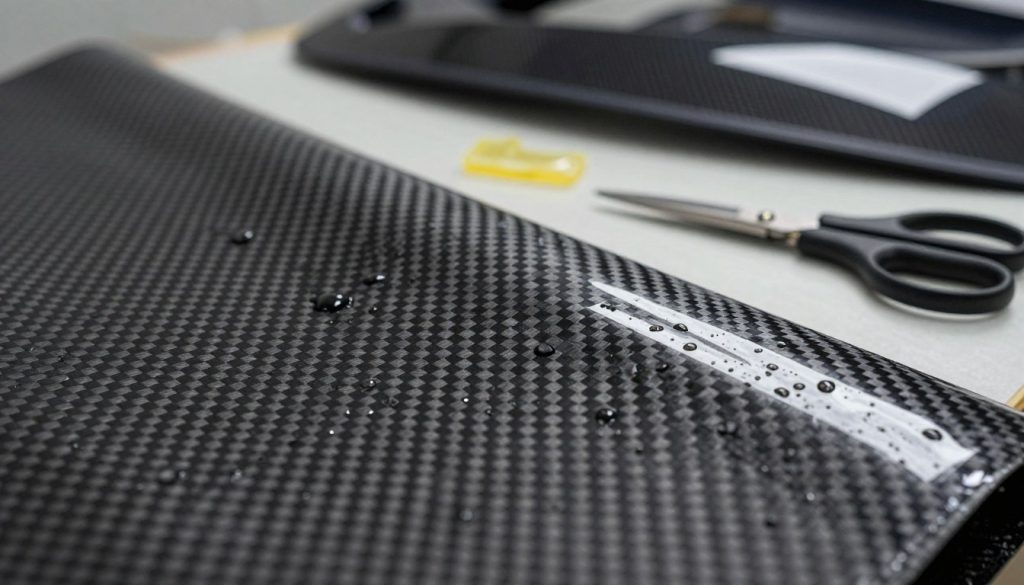
By understanding these potential drawbacks and taking steps to address them, you can effectively utilize 3K 200g carbon fiber cloth in your automotive projects, ensuring both performance and longevity.
How 3K 200g Carbon Fiber Compares to Other Weights
The weight of carbon fiber cloth is a critical factor that influences both the performance and cost of your final product. When considering 3K 200g carbon fiber for your project, it’s essential to understand how it compares to other available weights.
200g vs 300g Carbon Fiber Cloth
Comparing 200g carbon fiber cloth to its 300g counterpart reveals several key differences. The primary distinctions lie in their strength and cost.
Strength Differences
The 300g carbon fiber cloth offers greater tensile strength compared to the 200g version. This increased strength makes it more suitable for applications where high durability is required.
- 200g: Suitable for most automotive and decorative applications.
- 300g: Ideal for projects requiring additional strength and durability.
Price Comparison
Generally, the cost of carbon fiber cloth increases with its weight. Thus, 300g carbon fiber cloth is typically more expensive than 200g. However, the price difference can vary based on the manufacturer and specific product characteristics.
| Weight | Approximate Cost per Square Yard |
|---|---|
| 200g | $X |
| 300g | $X + $Y (premium for additional weight) |
200g vs 400g and Heavier Options
When comparing 200g carbon fiber to 400g or heavier options, the differences become even more pronounced, particularly in terms of application suitability and the importance of extra weight.
Application Suitability
Heavier carbon fiber cloths like 400g are often used in high-performance or heavy-duty applications where maximum strength is critical.
- 200g: Suitable for most standard automotive and repair projects.
- 400g and above: Used in high-stress applications or where additional durability is necessary.
When Extra Weight Matters
In scenarios where the component will be subjected to high stress or load, the extra weight (and corresponding strength) of heavier carbon fiber cloth is beneficial.
Choosing the Right Weight for Your Project
Selecting the appropriate carbon fiber cloth weight depends on several factors, including the intended application, desired durability, and budget constraints.
By considering these factors and understanding the differences between various weights, you can make an informed decision that meets your project’s specific needs.
Step-by-Step Installation and Application Process
To achieve optimal results with 3K 200g carbon fiber, follow a meticulous application process. This ensures a strong, durable, and visually appealing finish for your automotive projects.
Preparing Your Surface for Carbon Fiber Application
Proper surface preparation is crucial for a successful carbon fiber installation. This involves two key steps:
Cleaning and Degreasing
Begin by thoroughly cleaning the surface to remove dirt, oil, or other contaminants. Use a degreaser to ensure the area is free from substances that could interfere with the bonding process.
Sanding and Priming
Next, sand the surface to create a rough texture that the carbon fiber can adhere to. After sanding, apply a primer suitable for composite materials to enhance the bond between the surface and the carbon fiber.
Selecting the Right Resin System
The choice of resin is critical for the performance and durability of your carbon fiber application. Consider the following factors:
Epoxy vs Polyester Resins
Epoxy resin is generally preferred for carbon fiber applications due to its superior strength, durability, and resistance to moisture. Polyester resin can be used for less demanding projects, but it may not offer the same level of performance as epoxy.
Resin-to-Cloth Ratio
Maintaining the correct resin-to-cloth ratio is essential for achieving the desired mechanical properties. Too little resin can result in dry spots, while too much can make the laminate overly resin-rich and heavy.
Proper Layup Techniques for Optimal Results
The layup process involves applying the carbon fiber cloth to the prepared surface. Two common techniques are:
Wet Layup Method
In the wet layup method, the resin is applied directly to the carbon fiber cloth or the surface, and then the cloth is laid onto the surface. This method allows for good control over the resin-to-cloth ratio.
Vacuum Bagging Considerations
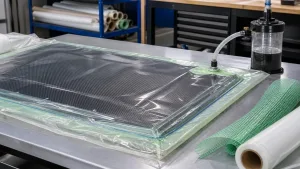
Vacuum bagging is a technique used to remove air from the laminate, ensuring a strong bond and minimizing voids. It requires a vacuum bag, breather cloth, and a sealant tape. 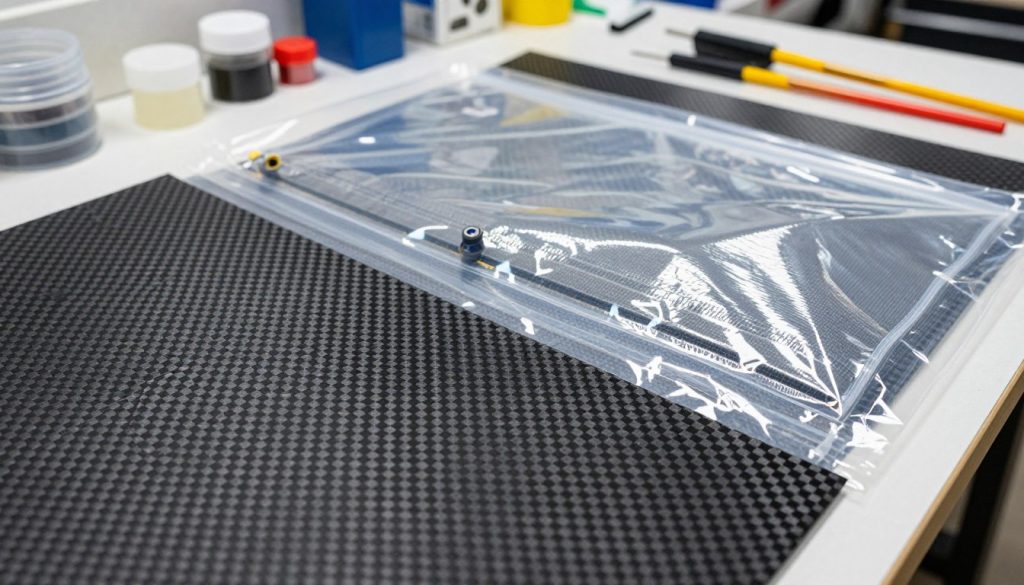
- Ensure the vacuum bag is properly sealed to maintain vacuum pressure.
- Use a breather cloth to facilitate the removal of air and excess resin.
- Monitor the vacuum pressure to avoid damaging the laminate.
Curing, Finishing, and Post-Processing
After the layup is complete, the laminate needs to cure. The curing process depends on the type of resin used. Once cured, the laminate can be sanded and finished to achieve the desired appearance.
- Allow the laminate to cure according to the resin manufacturer’s instructions.
- Sand the cured laminate to remove any excess resin or imperfections.
- Apply a finish, such as a clear coat, to protect the carbon fiber and enhance its appearance.
Cost Analysis and Budget Considerations
When considering the use of 3K 200g carbon fiber for automotive parts and repairs, understanding the associated costs is essential. The expense of this material can significantly impact the overall budget of a project, making it crucial to analyze the various cost factors involved.
Typical Price Range for 3K 200g Carbon Fiber
The price of 3K 200g carbon fiber cloth can vary based on several factors, including the supplier, quality, and quantity purchased. Generally, the cost ranges from $15 to $30 per square yard, depending on these variables.
Factors influencing the price include:
- Quality of the carbon fiber
- Weave pattern (twill or plain)
- Supplier and brand reputation
- Quantity purchased
Cost Per Square Yard in the United States
In the United States, the average cost per square yard for 3K 200g carbon fiber cloth is around $20-$25. This price can fluctuate based on the region and the specific supplier.
| Region | Average Cost per Square Yard |
|---|---|
| Northeast | $22 |
| South | $20 |
| West Coast | $25 |
Total Project Cost Estimation
To estimate the total cost of a project involving 3K 200g carbon fiber, several factors must be considered, including the size of the area to be covered, the number of layers required, and the cost of resin and other materials.
A basic estimation formula:
- Total Area to be Covered (square yards)
- Number of Layers Required
- Cost per Square Yard of Carbon Fiber
- Cost of Resin and Other Materials
For example, for a project requiring 5 square yards of 3K 200g carbon fiber with 2 layers, at $22 per square yard, the carbon fiber cost would be $220. Adding resin and other materials could add another $100-$200 to the total cost, depending on the specific requirements.
Where to Source Quality 3K 200g Carbon Fiber Cloth
Sourcing high-quality 3K 200g carbon fiber cloth is crucial for the success of your automotive projects. The quality of the material directly impacts the durability, appearance, and overall performance of the final product.
When searching for 3K 200g carbon fiber cloth, it’s essential to identify reputable carbon fiber suppliers who can provide consistent quality and reliable service.
Reputable Online Suppliers and Retailers
The internet has made it easier than ever to find suppliers of carbon fiber materials. Some well-known online retailers specialize in composite materials, including 3K 200g carbon fiber cloth. These platforms often provide detailed product descriptions, customer reviews, and competitive pricing.
When purchasing online, look for retailers that offer:
- Detailed product specifications
- Customer reviews and ratings
- Clear shipping and return policies
- Responsive customer service
Local Composite Material Distributors
While online shopping offers convenience, local distributors can provide immediate access to materials and expert advice. Local composite material distributors often have knowledgeable staff who can help you select the right product for your specific needs.
To find local distributors, you can:
- Check industry directories or associations
- Search online for “composite material distributors near me”
- Ask for recommendations from professionals in the field
Quality Indicators to Look For When Buying
Regardless of whether you’re buying online or from a local distributor, there are several quality indicators to look for when purchasing 3K 200g carbon fiber cloth.
Consistency in Weave Pattern
A consistent weave pattern is crucial for ensuring the structural integrity and aesthetic appeal of your final product. Inspect the material for any irregularities in the weave.
Proper Storage and Handling
Ensure that the supplier stores and handles the carbon fiber cloth properly to prevent damage. The material should be kept in a dry, cool environment, away from direct sunlight.
As noted by experts, “The quality of the carbon fiber is only as good as the care taken in its storage and handling.”
“Proper storage and handling of carbon fiber materials are critical to maintaining their integrity and ensuring they perform as expected in the final application.”
Here’s a comparison of what to look for in different suppliers:
| Supplier Type | Advantages | Disadvantages |
|---|---|---|
| Online Retailers | Convenience, wide selection, competitive pricing | Cannot inspect material before purchase |
| Local Distributors | Immediate access, expert advice | Limited selection, potentially higher prices |
By considering these factors and sourcing your 3K 200g carbon fiber cloth from reputable suppliers, you can ensure the success of your automotive projects.
Conclusion
The suitability of 3K 200g Twill/Plain Weave Carbon Fibre Fabric Cloth for automotive parts and structural repairs has been thoroughly examined. This versatile material offers a compelling combination of strength, lightweight properties, and aesthetic appeal, making it an attractive choice for various automotive applications.
From body panels and exterior components to interior trim and performance parts, 3K 200g carbon fiber cloth has proven its potential. Its technical specifications, including weight and thickness characteristics, tensile strength, and flexibility, make it suitable for a range of uses.
While considering its limitations, such as structural strength for heavy-duty applications and UV protection needs, the benefits of using 3K 200g carbon fiber cloth become apparent. Its cost-effectiveness, ease of handling, and professional finish make it a valuable material for automotive projects.
By understanding the capabilities and limitations of 3K 200g Twill/Plain Weave Carbon Fibre Fabric Cloth, manufacturers and DIY enthusiasts can make informed decisions about its use in their projects, leveraging its advantages to achieve high-quality results.
FAQ
What exactly does the term 3K 200g mean when choosing carbon fiber cloth?
In the world of composites, 3K refers to the “tow” size, meaning there are 3,000 individual carbon filaments in each bundle of the weave. The 200g (or 200 GSM) represents the areal weight per square meter. This specific weight is widely considered the industry standard for automotive projects because it offers a perfect balance between tensile strength, ease of handling, and a lightweight profile.
Should I choose a Twill weave or a Plain weave for my car’s interior trim?
For most automotive enthusiasts working on interior pieces like dashboard overlays or center consoles, 2×2 Twill weave is the preferred choice. It features the iconic diagonal pattern seen on high-end BMW M-series or Lamborghini components. Beyond looks, twill is much more flexible, offering superior drapability when wrapping around complex curves and tight corners compared to the tighter, checkerboard-style Plain weave.
Is 200g carbon fiber cloth strong enough for structural repairs on a vehicle?
It depends on the application. For non-load-bearing parts like fenders, hoods, or cracked plastic bumpers, 200g cloth is excellent for reinforcement and restoration. However, for critical structural components that handle significant stress, you will likely need to stack multiple layers or opt for a heavier fabric, such as 300g or 400g cloth, to achieve the necessary modulus of elasticity and impact resistance.
Can I use polyester resin with this fabric, or is epoxy resin mandatory?
While you can technically use polyester resin, professional builders almost exclusively recommend a high-quality Epoxy resin, such as those from West System or PRO-SET. Epoxy provides much better adhesion to the carbon fibers, resulting in a stronger bond, higher tensile strength, and better long-term durability for parts exposed to the vibrations of a moving vehicle.
How does the cost of 3K 200g cloth compare to heavier carbon fiber options?
Generally, 200g cloth is more cost-effective for large-scale DIY projects. Because it is thinner and lighter, the price per linear yard is usually lower than 400g fabrics. While you might need more layers for structural integrity, the easier handling and lower material waste often lead to better overall value for custom automotive bodywork.
Does carbon fiber require special protection from the sun?
Yes, absolutely! Carbon fiber itself is fairly stable, but the resin used to bind it can yellow or become brittle under UV exposure. To maintain a professional finish and ensure long-term durability, you should always finish your parts with a UV-resistant clear coat, such as those produced by Sherwin-Williams or PPG, to protect your hard work from sun damage.
What is the best method for applying the cloth to a car hood?
For large, visible surfaces like a hood or trunk lid, many pros use the vacuum bagging method. This process uses atmospheric pressure to squeeze out excess resin, ensuring a perfect resin-to-cloth ratio and eliminating air bubbles. If you are a beginner, a standard wet layup is more accessible, but you must be diligent with a squeegee to ensure the weave stays straight and the surface remains flat.
Where can I source high-quality 3K 200g carbon fiber cloth in the United States?
To ensure you are getting genuine, high-strength material with a consistent weave pattern, it is best to buy from reputable distributors. Companies like Soller Composites, Composite Envisions, and Rock West Composites are well-known for providing professional-grade fabrics that are properly stored and shipped to prevent distortions in the weave.
How much weight can I actually save by switching to carbon fiber parts?
By replacing a standard steel hood with a vacuum-infused 3K 200g carbon fiber version, you can often see a weight reduction of 50% to 60%. This lower mass improves the power-to-weight ratio and can enhance the handling of performance vehicles by reducing the weight held over the front axle.

Add comment