
- Understanding Carbon Fiber Sheets
- What Is Carbon Fiber?
- The Structure of Carbon Fiber Sheets
- Key Benefits of Carbon Fiber Sheets
- Applications of Carbon Fiber Sheets
- Aerospace and Automotive Industries
- Sporting Goods
- Medical Devices
- Consumer Products
- Finding Carbon Fiber Sheets Near You
- Local Retailers and Suppliers
- Online Options
- Specialty Shops
- Trade Shows and Expos
- What to Consider When Purchasing Carbon Fiber Sheets
- Thickness and Weight
- Weave Patterns
- Resin Type
- Budget Considerations
- Maintenance and Care for Carbon Fiber Sheets
- Common Myths About Carbon Fiber
- It's Fragile
- It's Only for High-End Applications
- It's Difficult to Work With
- Conclusion
Exploring the Versatility of Carbon Fiber Sheets: Must-Have Options Near You!
Carbon fiber sheets have gained tremendous traction in various industries due to their unique properties. Lightweight yet incredibly strong, they provide solutions that traditional materials struggle to match. If you’re searching for carbon fiber sheets near you, you’re not alone. In this article, we will delve into the characteristics, applications, and available options for carbon fiber sheets while guiding you on where to find them locally.
Understanding Carbon Fiber Sheets
What Is Carbon Fiber?
Carbon fiber is made from thin strands of carbon atoms, woven together to create a material that is not only lightweight but also extremely durable. Once exposed to high temperatures through a process called pyrolysis, these fibers undergo a transformation that enhances their strength and stiffness. This makes carbon fiber an ideal choice for applications requiring both strength and weight savings.
The Structure of Carbon Fiber Sheets
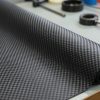
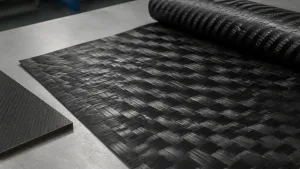
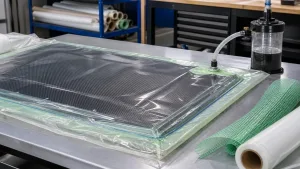
Carbon fiber sheets typically consist of layers of woven carbon fiber with a resin matrix, which binds the fibers together and enhances the overall strength and rigidity of the sheet. The thickness, weave pattern, and resin type can vary, affecting the mechanical properties and suitability for different applications.
Key Benefits of Carbon Fiber Sheets
1. Lightweight: One of the primary advantages of carbon fiber sheets is their light weight. Compared to metals like steel or aluminum, carbon fiber offers significant weight savings, making it ideal for aerospace and automotive applications.
2. High Strength-to-Weight Ratio: Carbon fiber’s exceptional strength allows for thinner and lighter designs without sacrificing integrity. This property is particularly beneficial for high-performance vehicles where weight reduction is crucial.
3. Corrosion Resistance: Unlike metals, carbon fiber sheets do not rust or corrode, which extends their lifespan and reduces maintenance costs.
4. Temperature Tolerance: Carbon fiber can withstand extreme temperatures, making it suitable for both high-heat applications and environments subject to rapid temperature changes.
5. Design Flexibility: Carbon fiber can be molded into various shapes and sizes, offering designers and engineers the flexibility to create innovative solutions to complex problems.
Applications of Carbon Fiber Sheets
Aerospace and Automotive Industries
Carbon fiber sheets are heavily utilized in the aerospace and automotive sectors for components such as wings, fuselages, and car bodies. The aerospace industry, in particular, benefits from carbon fiber’s superior weight-to-strength ratio. For automotive manufacturers, carbon fiber components contribute to improved fuel efficiency and performance.
Sporting Goods
Another common application of carbon fiber sheets is in sporting goods. High-end bicycles, golf clubs, and hockey sticks often incorporate carbon fiber due to its lightweight properties, which enhance performance.
Medical Devices
In the medical field, carbon fiber sheets are used in the construction of lightweight prosthetics and surgical instruments. The material’s strength provides durability while keeping weight low, enhancing the usability and comfort of these devices.
Consumer Products
From laptops to smartphones, consumer electronics manufacturers are increasingly using carbon fiber for their sleek and modern designs. The material not only adds to aesthetics but also enhances the devices’ durability.
Finding Carbon Fiber Sheets Near You
Local Retailers and Suppliers
When seeking carbon fiber sheets, starting with local retailers and specialized suppliers is advisable. Many industrial supply stores carry a selection of carbon fiber products. Always check for reviews and availability to ensure you’re getting quality materials.
Online Options
If local options are limited, online suppliers can provide a vast range of products. E-commerce platforms often feature various carbon fiber sheet types, thicknesses, and weaves. Websites like Amazon, Alibaba, and specialized material suppliers offer extensive catalogs. Ensure the vendor is reputable to avoid issues with quality.
Specialty Shops
Some regions may have specialty shops dedicated exclusively to composite materials, including carbon fiber. These shops may provide not only materials but also expert advice on your project needs.
Trade Shows and Expos
Another excellent opportunity to find suppliers is attending trade shows or expos focusing on composite materials, manufacturing, or engineering. These events often showcase the latest technologies and products in the industry and can connect you with reputable suppliers.
What to Consider When Purchasing Carbon Fiber Sheets
Thickness and Weight
Before making a purchase, determine the required thickness and weight. Carbon fiber sheets are available in various thicknesses, and the choice will depend on the specific application and load-bearing requirements.
Weave Patterns
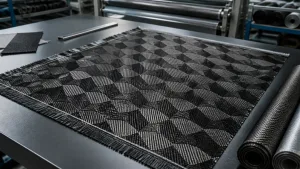
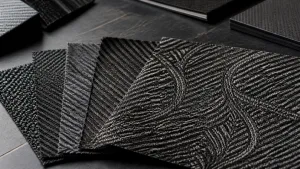
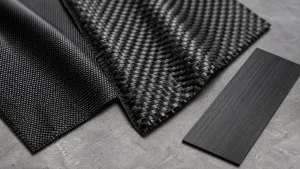
Different weave patterns can affect both the appearance and mechanical characteristics of the final product. Common weave types include plain, twill, and satin, each offering unique benefits in terms of flexibility, strength, and aesthetic appeal.
Resin Type
Resins used in carbon fiber sheets can vary significantly, influencing properties like thermal resistance and chemical stability. Understanding which resin aligns with your project’s demands is crucial for optimal performance.
Budget Considerations
While carbon fiber offers many advantages, it can be more costly than other materials. It’s essential to establish a budget and assess the long-term benefits of using carbon fiber to justify the investment.
Maintenance and Care for Carbon Fiber Sheets
To maximize the lifespan of carbon fiber sheets, proper care and maintenance are essential. Here are some tips to ensure longevity:
– Avoid Heavy Impacts: Although strong, carbon fiber can fracture under severe impacts. Handle sheets with care during transport and installation.
– Cleaning: Use mild soap and water for cleaning. Avoid harsh chemicals that can degrade the resin over time.
– Storage Conditions: Store sheets in a cool, dry place away from direct sunlight to prevent UV degradation.
Common Myths About Carbon Fiber
It’s Fragile
Despite its lightweight nature, carbon fiber is not as fragile as many believe. When properly designed and manufactured, it can withstand considerable stress without failing.
It’s Only for High-End Applications
While carbon fiber is often associated with luxury items or high-tech applications, its benefits can be leveraged across various industries, from DIY projects to everyday consumer goods.
It’s Difficult to Work With
While working with carbon fiber sheets may require specialized knowledge and tools, advancements in technology have made it increasingly accessible for hobbyists and makers. Many resources are available online for those looking to work with this material.
Conclusion
Carbon fiber sheets are indeed a must-have material for a wide array of applications, offering exceptional properties that cannot be found in traditional materials. Whether you are involved in aerospace, automotive, sporting goods, or industrial design, understanding the benefits and applications of carbon fiber can enhance your projects significantly.
With the right local options available, and by considering your specific needs, purchasing carbon fiber sheets can be an effective and worthwhile investment. By embracing this innovative material, you can take advantage of its lightweight, strong, and versatile qualities, ensuring your projects meet the high standards of performance and durability required in today’s competitive landscape.

Add comment