
- What is Carbon Fiber?
- Factors Influencing Carbon Fiber Sheet Cost
- 1. Quality of the Material
- 2. Sheet Thickness and Size
- 3. Manufacturing Process
- 4. Types of Weaves
- 5. Finish and Treatment
- Typical Price Ranges
- 6. Where to Buy
- Hidden Costs to Consider
- 1. Shipping Fees
- 2. Distribution Costs
- 3. Cutting and Customization Fees
- 4. Return Policies
- Applications of Carbon Fiber Sheets
- Aerospace Engineering
- Automotive Manufacturing
- Sports Equipment
- Artistic Applications
- Tips for Budgeting and Buying Smart
- 1. Do Your Research
- 2. Understand Your Requirements
- 3. Consider Bulk Purchases
- 4. Seek Professional Advice
- 5. Keep an Eye Out for Sales
- 6. Network with Community
- Conclusion
Carbon Fiber Sheet Cost: Must-Have Insights for Savvy Shoppers
When considering the options for materials in manufacturing, construction, or even DIY projects, carbon fiber sheets have emerged as a high-performance choice. Understanding the carbon fiber sheet cost is crucial for savvy shoppers who seek a balance between quality and affordability. This article will delve into various factors that influence the price of carbon fiber sheets, their applications, and budgeting tips, ensuring you make an informed decision.
What is Carbon Fiber?
Carbon fiber is a strong, lightweight material composed of thin strands of carbon atoms. It boasts remarkable properties, including high tensile strength, low weight, and resistance to corrosion. These characteristics make it a preferred choice in industries ranging from aerospace to automotive, sports equipment, and even artistic applications. When looking at carbon fiber sheet cost, it’s essential to first understand these properties and why they justify the material’s price point.
Factors Influencing Carbon Fiber Sheet Cost
1. Quality of the Material
The quality of carbon fiber sheets varies based on the manufacturing process and the type of carbon fiber used. Higher-quality sheets, often labeled as aerospace-grade, can significantly drive up the price. On the other hand, lower-grade products, while more affordable, may not perform to the same standards, which could lead to additional costs down the line due to failures or the need for replacements.
2. Sheet Thickness and Size
The thickness and size of a carbon fiber sheet directly affect its cost. Standard sizes may be more affordable due to economies of scale, whereas custom sizes often come with a premium. Additionally, thicker sheets generally cost more because of the increased material and manufacturing complexity.
3. Manufacturing Process
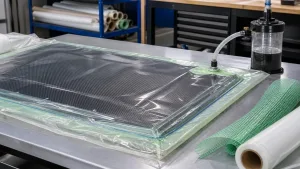
Different manufacturing processes yield varying costs. For instance, sheets that are vacuum-bagged and autoclave cured are typically more expensive due to their superior strength and durability. In contrast, simpler layup processes may lower the overall price but could compromise performance.
4. Types of Weaves
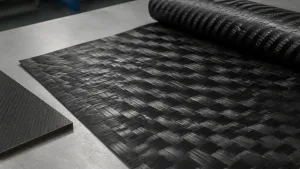
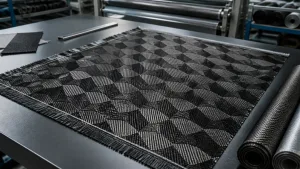
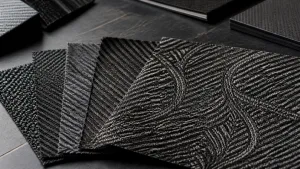
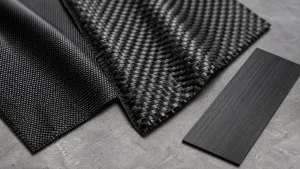
Carbon fiber sheets come in various weaves, such as twill, plain, and unidirectional. Each weave has its specific characteristics, with certain styles being better suited for particular applications. Generally, more complex weaves or those that create aesthetic appeal can be priced higher.
5. Finish and Treatment
Some sheets come with additional finishes, such as UV protection or epoxy coatings, which can enhance their longevity or aesthetic appeal. While these options provide valuable benefits, they also add to the carbon fiber sheet cost.
Typical Price Ranges
When shopping for carbon fiber sheets, you’ll encounter a range of prices depending on the factors mentioned above. On average, prices can range from $20 to $150 per square foot. Here’s a breakdown of what you might expect based on quality and characteristics:
– Low-End Sheets: $20 – $50 per square foot. These options are suitable for hobbyists or non-critical applications.
– Mid-Range Sheets: $50 – $100 per square foot. Ideal for projects that require a good balance of performance and cost.
– High-End Sheets: $100 – $150+ per square foot. These sheets are typically used in professional applications, such as aerospace components or high-performance automotive parts.
6. Where to Buy
The marketplace for carbon fiber sheets includes both online and physical retailers. Here are a few places where you can find quality materials:
– Specialty Suppliers: Companies that specialize in composite materials usually offer a wide range of options.
– Online Marketplaces: Platforms like Amazon or eBay can provide competitive pricing but ensure to check seller reviews and product authenticity.
– Local Hardware Stores: Some larger home improvement stores may stock carbon fiber sheets, especially in more urban areas.
Hidden Costs to Consider
Understanding the visible pricing is just the first step. Savvy shoppers must also consider potential hidden costs that can arise:
1. Shipping Fees
Due to their weight and fragile nature, shipping costs for carbon fiber sheets can be significant. Always check if a supplier offers free shipping options, as this can affect your overall budget.
2. Distribution Costs
If you’re buying from a specialized distributor, consider potential markup costs. Sometimes purchasing directly from manufacturers can alleviate some of these expenses.
3. Cutting and Customization Fees
If you need sheets in specific dimensions or treated in a certain way, be sure to ask about any additional costs for cutting or custom treatments. This is particularly relevant for industries where precise specifications are crucial.
4. Return Policies
Carbon fiber is a specialized material, and returning it can sometimes incur costs like restocking fees. Always read the fine print on any seller’s return policy before making a purchase.
Applications of Carbon Fiber Sheets
Understanding the applications of carbon fiber sheets highlights their value and justifies their cost. Here are some common uses:
Aerospace Engineering
Carbon fiber sheets are essential in aerospace due to their lightweight and high-strength characteristics. They are used in fuselage sections, wing structures, and internal components.
Automotive Manufacturing
In the automotive industry, carbon fiber plays a crucial role in developing high-performance vehicles, improving fuel efficiency, and enhancing structural integrity.
Sports Equipment
Many high-end bicycles, paddles, and surfboards utilize carbon fiber sheets to ensure superior performance while maintaining light weight.
Artistic Applications
Artists and designers incorporate carbon fiber into sculptures and installations, utilizing its unique aesthetic, while also enjoying its durability.
Tips for Budgeting and Buying Smart
For those navigating the market for carbon fiber sheets, the following tips can help you stay within your budget while ensuring quality:
1. Do Your Research
Before making a purchase, compare prices across multiple suppliers. Look at reviews and product details to assess quality.
2. Understand Your Requirements
Identify exactly what you need regarding size, thickness, and application. Specific requirements can help you avoid overspending on unnecessary features.
3. Consider Bulk Purchases
If you anticipate needing multiple sheets, consider buying in bulk. Many suppliers offer discounts for larger orders.
4. Seek Professional Advice
If you’re new to carbon fiber applications, seeking advice from professionals can save you from costly mistakes. They can guide you towards the best products for your project.
5. Keep an Eye Out for Sales
Many suppliers offer seasonal sales and promotions. Keeping track of these events can help you snag high-quality sheets at reduced prices.
6. Network with Community
Joining forums and groups related to carbon fiber projects can provide insights, recommendations, and even group buying options that can save you money.
Conclusion
Understanding the cost of carbon fiber sheets is essential for anyone looking to leverage the unique features of this remarkable material. By considering factors such as quality, size, and manufacturing processes, savvy shoppers can navigate the market effectively. Additionally, being aware of potential hidden costs and applications can make your purchasing decision even more informed. Whether for professional use or personal projects, making informed choices about carbon fiber will ultimately enhance the value and performance of your endeavors.

Add comment