
- What Are Carbon Fiber Sheets?
- How Are Carbon Fiber Sheets Made?
- Benefits of Using Carbon Fiber Sheets
- 1. Lightweight Strength
- 2. Corrosion Resistance
- 3. High Stiffness
- 4. Design Flexibility
- 5. Vibration Damping
- Types of Carbon Fiber Sheets
- 1. Unidirectional Carbon Fiber Sheets
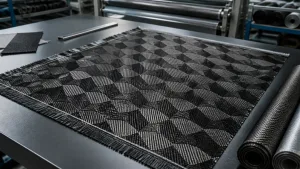
- 2. Bidirectional Carbon Fiber Sheets
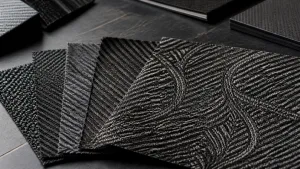
- 3. Fabric Carbon Fiber Sheets
- 4. Prepreg Carbon Fiber Sheets
- Practical Tips for Effortless Use of Carbon Fiber Sheets
- 1. Tools Required for Working with Carbon Fiber Sheets
- 2. Safety Precautions
- 3. Adhesion Techniques
- 4. Layering and Lamination
- 5. Maintenance and Care
- Applications of Carbon Fiber Sheets
- 1. Aerospace
- 2. Automotive
- 3. Sports Equipment
- 4. Industrial Applications
- Conclusion
Carbon Fiber Sheets: The Ultimate Guide for Effortless Use
Carbon fiber sheets are revolutionizing various industries, from automotive to aerospace and even sporting goods. These lightweight, yet incredibly strong materials have captured the attention of engineers, designers, and hobbyists alike, driving the need for a comprehensive understanding of their applications, benefits, and proper use.
In this ultimate guide, we will delve into what carbon fiber sheets are, their advantages, different types available, and practical tips for effortless use.
What Are Carbon Fiber Sheets?
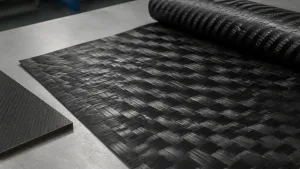
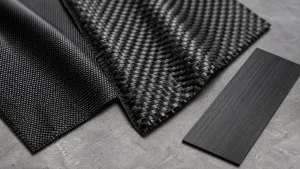
Carbon fiber sheets are composite materials made up of thin strands of carbon, woven together to create a fabric-like structure. These fibers are then typically combined with a resin, resulting in a composite sheet that is exceptionally strong and lightweight. The manufacturing process involves laying carbon fiber in a specific direction to enhance strength and stiffness, often resulting in materials that outperform metals in many applications.
How Are Carbon Fiber Sheets Made?
The production of carbon fiber sheets usually involves several steps:
1. Raw Material Preparation: The primary material is polyacrylonitrile (PAN) or pitch, which undergoes spinning to create carbon fibers.
2. Stabilization: The fibers are chemically treated to make them stable for heat treatment.
3. Carbonization: The stabilized fibers are heated in an inert environment, causing them to lose non-carbon elements and increase their carbon content.
4. Surface Treatment: This process improves bonding properties for resin integration.
5. Resin Application: The fibers are either pre-impregnated with resin (prepreg) or coated with resin during the lamination process to form sheets.
These sheets can be manufactured in various thicknesses, widths, and finishes, allowing for flexibility in design and application.
Benefits of Using Carbon Fiber Sheets
1. Lightweight Strength
One of the most remarkable characteristics of carbon fiber sheets is their strength-to-weight ratio. They are much lighter than metals such as aluminum or steel while still offering similar or superior strength levels. This makes them particularly appealing for applications where weight savings are critical, such as in automotive and aerospace design.
2. Corrosion Resistance
Carbon fiber is naturally resistant to a variety of corrosive conditions. Unlike metals that may rust or degrade over time, carbon fiber sheets maintain their integrity in harsh environments. This property is invaluable for industries that need materials that can withstand exposure to chemicals, moisture, or extreme temperatures.
3. High Stiffness
The rigidity of carbon fiber sheets allows them to maintain structural integrity under stress, making them ideal for components where rigidity is essential. From sports equipment to structural reinforcements, the combination of rigidity and lightness enables innovative designs that were previously unattainable.
4. Design Flexibility
The versatility of carbon fiber sheets allows designers to create complex shapes or make custom sizes tailored to specific applications. Their ability to be molded into various forms provides the freedom to innovate without being constrained by the limitations of traditional materials.
5. Vibration Damping
Carbon fiber sheets possess excellent vibration damping properties, which is critical for applications in aerospace, automotive, and machinery. Reducing unwanted vibrations can enhance performance, prolong the lifespan of components, and increase overall safety.
Types of Carbon Fiber Sheets
Choosing the right type of carbon fiber sheet for a specific application requires an understanding of the available materials. Here are some common types:
1. Unidirectional Carbon Fiber Sheets
These sheets feature fibers aligned in a single direction, providing maximum strength in that specific direction. Unidirectional sheets are ideal for applications requiring high tensile strength along the fiber orientation, such as in beams or aerospace components.
2. Bidirectional Carbon Fiber Sheets
Bidirectional sheets contain fibers woven in two directions, providing balanced strength and stiffness. They are often used in applications that demand strength from multiple directions and are suitable for parts that undergo multi-axial loading conditions.
3. Fabric Carbon Fiber Sheets
These sheets are made from woven fabric and are popular for applications where aesthetic appearance is important, such as consumer products or marine applications. They also have good mechanical properties and can be easier to handle compared to unidirectional sheets.
4. Prepreg Carbon Fiber Sheets
Prepreg sheets are pre-impregnated with resin, simplifying the layup process during manufacturing. They are widely used in aerospace applications due to their consistency and quality, delivering superior performance and reliability.
Practical Tips for Effortless Use of Carbon Fiber Sheets
1. Tools Required for Working with Carbon Fiber Sheets
To work with carbon fiber sheets effectively, you will need specialized tools. These include:
– Cutting Tools: A sharp utility knife or a specialized carbon fiber cutting tool will provide clean cuts without fraying. Avoid using standard saws, as they can damage the material.
– Drilling Tools: When creating holes, use drill bits designed for composite materials to prevent chipping or delamination.
– Sandpaper: Use fine-grit sandpaper for finishing edges while ensuring not to overheat the material.
2. Safety Precautions
Working with carbon fiber can generate fine dust, which may irritate the skin and respiratory system. Always wear appropriate safety gear, including gloves, a dust mask, and eye protection, to minimize exposure to airborne particles.
3. Adhesion Techniques
Proper adhesion is key to ensuring the strength and performance of a carbon fiber assembly. Utilize epoxy or specialized adhesives designed for composite materials. Make sure surfaces are clean and free of contaminants before application to achieve optimal bonding.
4. Layering and Lamination
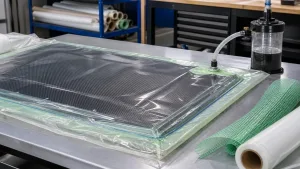
When layering multiple sheets, consider the orientation of the fibers for desired strength characteristics. Using vacuum bagging or resin infusion techniques can enhance bonding and provide a uniform finish.
5. Maintenance and Care
Maintain carbon fiber sheets by keeping them clean and free from chemical contaminants. Regular inspections can help identify any signs of wear or damage. Unlike metals, carbon fiber doesn’t require painting or rust prevention, which simplifies maintenance.
Applications of Carbon Fiber Sheets
1. Aerospace
Carbon fiber sheets are extensively used in aircraft structures, including wings and fuselages, where weight savings can significantly impact overall performance and fuel efficiency.
2. Automotive
In the automotive industry, carbon fiber components help manufacturers create lighter vehicles that improve acceleration, braking, and fuel economy, all while maintaining strength and safety.
3. Sports Equipment
Many high-performance sports equipment like bicycles, golf clubs, and surfboards incorporate carbon fiber due to its lightweight and strong properties, enhancing performance levels.
4. Industrial Applications
Carbon fiber sheets are increasingly utilized in industrial applications ranging from machinery parts to structural components in construction due to their durability and resistance to fatigue.
Conclusion
Carbon fiber sheets have established themselves as a pivotal material across diverse applications, primarily due to their exceptional properties of strength, lightweight, and design flexibility. With a proper understanding of their benefits, types, and best practices for use, anyone can harness the advantages of carbon fiber sheets effortlessly. Whether you are an engineer, designer, or hobbyist, the possibilities are endless when working with this remarkable material. Embrace the innovation of carbon fiber and watch your projects reach new heights.

Add comment