
Introduction to Fiberglass: The Versatile Composite Material
Fiberglass, also known as glass-reinforced plastic (GRP), represents one of the most versatile and widely used composite materials in modern manufacturing. Unlike its more glamorous cousin carbon fiber, fiberglass offers an exceptional balance of performance, affordability, and ease of use that makes it the go-to choice for countless applications across industries.
In this comprehensive guide, you’ll discover everything you need to know about fiberglass materials – from fundamental properties and manufacturing processes to practical applications and purchasing considerations. Whether you’re a hobbyist working on your first composite project or an engineer specifying materials for industrial applications, this guide will provide the knowledge foundation you need to make informed decisions.
What is Fiberglass?
Basic Composition and Structure
Fiberglass consists of fine glass fibers embedded in a polymer matrix, typically polyester, vinyl ester, or epoxy resin. The glass fibers provide strength and stiffness, while the resin matrix binds the fibers together, transfers loads between them, and protects them from environmental damage.
The glass fibers themselves are made from molten glass that is drawn through tiny orifices to create filaments typically 5-24 micrometers in diameter. These filaments are then bundled into rovings or woven into various fabric structures depending on the intended application.
Key Properties That Make Fiberglass Unique
Mechanical Properties
- Tensile Strength: 1,000-3,500 MPa (depending on fiber orientation and resin system)
- Flexural Strength: 200-700 MPa
- Compressive Strength: 150-400 MPa
- Elastic Modulus: 10-70 GPa (significantly lower than carbon fiber but adequate for many applications)
- Elongation at Break: 1.5-5% (higher than carbon fiber, providing better impact resistance)
Physical and Chemical Properties
- Density: 1.8-2.1 g/cm³ (heavier than carbon fiber but still much lighter than metals)
- Thermal Resistance: Continuous service up to 150-200°C (depending on resin system)
- Electrical Insulation: Excellent electrical insulator (unlike conductive carbon fiber)
- Chemical Resistance: Good resistance to most chemicals, acids, and solvents
- UV Resistance: Requires protective gel coat or paint for outdoor applications
- Moisture Resistance: Excellent resistance to water absorption when properly sealed
Types of Fiberglass Materials
By Fiber Type
- E-Glass: Most common type, excellent electrical insulation properties, good mechanical strength, cost-effective
- S-Glass: Higher strength and stiffness than E-glass, better temperature resistance, more expensive
- C-Glass: Superior chemical resistance, particularly to acids, used in chemical processing applications
- A-Glass: Similar to window glass, used primarily for insulation applications
- AR-Glass: Alkali-resistant, specifically designed for concrete reinforcement applications
By Form and Structure
Fiberglass Mat and Veil
Chopped strand mat (CSM) consists of randomly oriented short glass fibers held together with a binder. It’s inexpensive, easy to use, and provides good surface finish, making it ideal for hand layup processes and cosmetic applications.
Surface veil is an ultra-thin layer of fine glass fibers used to create smooth, resin-rich surfaces that prevent print-through of underlying reinforcement layers.
Woven Fiberglass Fabrics
Woven fabrics offer superior mechanical properties compared to mats due to their continuous fiber structure. Common weave patterns include:
- Plain Weave: Simple over-under pattern, good stability, moderate drape
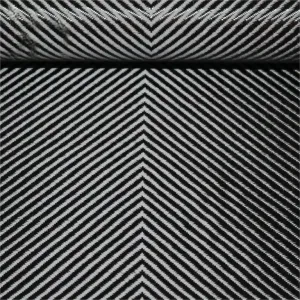
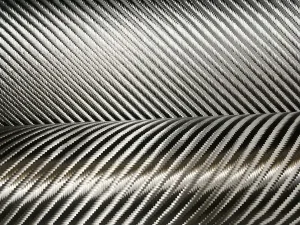
- Twill Weave: Diagonal pattern, better drape around complex shapes, attractive appearance
- Satin Weave: Excellent drape for complex contours, higher cost
- Leno Weave: Open structure, good for resin infusion processes
Multiaxial Fabrics
Stitched multiaxial fabrics consist of multiple layers of unidirectional fibers oriented at different angles (typically 0°, +45°, 90°, -45°) and stitched together. They provide excellent mechanical properties in multiple directions and are ideal for structural applications requiring high performance.
Unidirectional Fabrics
Unidirectional fabrics have all fibers aligned in a single direction, providing maximum strength and stiffness along that axis. They’re used when loads are primarily unidirectional, such as in beams, spars, or other structural elements.
Manufacturing Processes for Fiberglass Parts
Hand Layup Process
The most common and accessible method for fiberglass fabrication, hand layup involves manually placing dry fabric layers into a mold and saturating them with resin using brushes or rollers. This process is ideal for:
- Low-volume production
- Large parts that can’t fit in autoclaves
- Hobbyist and small workshop applications
- Prototyping and custom work
Vacuum Bagging
Vacuum bagging improves upon hand layup by applying atmospheric pressure to consolidate the laminate and remove excess resin. This results in higher fiber content, better mechanical properties, and more consistent quality.
Resin Transfer Molding (RTM)
RTM involves placing dry fabric in a closed mold and injecting resin under pressure. This process provides excellent surface finish on both sides, consistent quality, and is suitable for medium-volume production.
Pultrusion
Pultrusion is a continuous process for producing constant cross-section profiles like rods, tubes, and structural shapes. Fibers are pulled through a resin bath and then through a heated die where the resin cures.
Common Applications Across Industries
Marine Industry
Fiberglass revolutionized boat building in the mid-20th century, replacing traditional wood construction. Today, the vast majority of recreational boats are built using fiberglass due to its:
- Excellent corrosion resistance in saltwater environments
- Good impact resistance for marine conditions
- Ability to be molded into complex hull shapes
- Relatively low maintenance requirements
Automotive Industry
While carbon fiber dominates high-performance applications, fiberglass remains popular for:
- Body panels and fairings
- Interior components
- Custom modifications and restorations
- Prototype development
Construction and Infrastructure
Fiberglass is increasingly used in construction for:
- Roofing panels and skylights
- Pipe and tank systems for chemical handling
- Reinforcement bars (rebar) for concrete structures
- Architectural panels and decorative elements
Aerospace and Aviation
While largely replaced by carbon fiber in primary structures, fiberglass is still used for:
- Radomes and antenna covers (due to RF transparency)
- Interior components
- Secondary structures
- General aviation aircraft
How to Choose the Right Fiberglass for Your Project
Consider Your Application Requirements
- Structural vs Cosmetic: Structural applications require woven fabrics or multiaxial reinforcements, while cosmetic applications can use chopped strand mat
- Load Direction: Unidirectional loads favor unidirectional fabrics, while multidirectional loads require woven or multiaxial fabrics
- Complex Geometry: Complex shapes benefit from twill or satin weaves with better drape characteristics
- Budget Constraints: Chopped strand mat is most economical, while multiaxial fabrics are premium options
Resin System Selection
Your choice of resin significantly impacts the final properties of your fiberglass part:
- Polyester Resin: Most economical, easy to use, moderate mechanical properties, strong odor
- Vinyl Ester Resin: Better chemical and moisture resistance than polyester, higher cost
- Epoxy Resin: Superior mechanical properties, excellent adhesion, low shrinkage, highest cost
Where to Buy Quality Fiberglass Materials
What to Look for in a Supplier
- Quality Assurance: Consistent fiber properties, proper storage conditions, batch traceability
- Technical Support: Knowledgeable staff who understand composite materials and processes
- Product Range: Multiple fiber types, weights, and forms to meet diverse needs
- Competitive Pricing: Volume discounts and wholesale options for serious projects
BulkComposites Advantage
At BulkComposites, we specialize in providing high-quality fiberglass materials with:
- Rigorous Quality Control: Every batch tested for consistency and performance
- Global Sourcing: Direct relationships with major manufacturers worldwide
- Technical Expertise: Over 10 years of experience in composite materials
- Competitive Pricing: Volume discounts and wholesale options
- Worldwide Shipping: Reliable delivery to your location anywhere in the world
Related Products
- Fiberglass Woven Fabrics – Various Weaves and Weights
- Chopped Strand Mat and Surface Veil
- Multiaxial Stitched Fiberglass Fabrics
- Epoxy Resin Systems for Fiberglass
- Polyester Resin for Fiberglass Applications
Key Takeaways
- Fiberglass offers an exceptional balance of performance, affordability, and ease of use
- Different fiber types (E-glass, S-glass, etc.) serve different application requirements
- Material form (mat, woven, multiaxial) significantly impacts mechanical properties and processability
- Resin selection is as important as fiber selection for final part performance
- Quality varies significantly between suppliers – choose carefully based on technical support and quality assurance
- Fiberglass remains relevant even in the age of carbon fiber due to its unique combination of properties and cost-effectiveness
Frequently Asked Questions
Q: Is fiberglass stronger than carbon fiber?
A: There is no universal yes-or-no comparison. Carbon-fiber laminates often provide higher specific stiffness, while many fiberglass systems offer greater strain to failure and lower material cost. Compare the actual laminate, load direction, impact requirements, environment and budget.
Q: Can I mix fiberglass and carbon fiber in the same part?
A: Yes, hybrid composites combining fiberglass and carbon fiber are common and can provide an optimal balance of properties and cost. However, care must be taken with resin selection and processing parameters to ensure good interfacial bonding between the different fiber types.
Q: How much does fiberglass cost compared to carbon fiber?
A: Fiberglass typically costs 1/5 to 1/10 the price of equivalent carbon fiber materials. This significant cost difference makes fiberglass the preferred choice for applications where the superior properties of carbon fiber aren’t strictly necessary.
Q: Is fiberglass safe to work with?
A: Fiberglass can cause skin irritation and respiratory issues if proper safety precautions aren’t followed. Always wear gloves, long sleeves, eye protection, and a respirator when cutting or sanding fiberglass materials. Work in well-ventilated areas and follow all safety guidelines for resin handling.
Q: How do I repair damaged fiberglass parts?
A: Fiberglass repairs are relatively straightforward. Clean and prepare the damaged area, apply new fiberglass layers with appropriate resin, and finish as needed. The repaired area can often be stronger than the original material when done correctly.
Ready to Start Your Fiberglass Project?
Whether you’re building your first boat, creating custom automotive parts, or working on an industrial application, understanding fiberglass fundamentals is crucial for success. At BulkComposites, we’re here to support your journey with high-quality materials, expert advice, and reliable service.
Explore our fiberglass collection to find the perfect materials for your next project, or contact our technical team for personalized recommendations based on your specific requirements.
Related Learning Center Articles
- Carbon Fiber 101: Complete Beginner’s Guide
- Kevlar vs Carbon Fiber: Complete Material Comparison
- Vacuum Infusion Process: Step-by-Step Tutorial
- Prepreg vs Dry Carbon Fiber: Which Should You Choose?

Add comment