
- Understanding Custom Composite Solutions
- What Are Composite Materials?
- Advantages of Composites
- Applications Across Industries
- The Importance of Finding the Right OEM Partner
- Understanding the Need for Collaboration
- Evaluating Potential OEM Partners
- 1. Industry Experience
- 2. Manufacturing Capabilities
- 3. Quality Assurance
- 4. Technological Expertise
- 5. Research and Development
- 6. Customer Support and Service
- Building a Successful Partnership
- 1. Open Communication
- 2. Clearly Defined Roles and Responsibilities
- 3. Joint Problem Solving
- 4. Regular Assessment and Feedback
- Navigating Challenges in Composite Manufacturing
- Overcoming Technical Hurdles
- Supply Chain Management
- Adapting to Market Shifts
- The Future of Custom Composite Solutions
- Sustainability and Innovation
- Advances in Manufacturing Technology
- Conclusion
Custom Composite Solutions: Finding Your Best OEM Partner Now
In today’s highly competitive manufacturing landscape, custom composite solutions have emerged as a cornerstone for industries ranging from aerospace to automotive. These specialized materials not only enhance performance but also enable designers to create lightweight, durable products that meet stringent specifications. As businesses look to innovate and improve their processes, the search for an original equipment manufacturer (OEM) partner that understands the nuances of composite materials becomes vital. In this article, we explore the nature of custom composites, the importance of selecting the right OEM partner, and how to evaluate potential collaborators effectively.
Understanding Custom Composite Solutions
What Are Composite Materials?
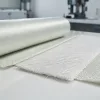
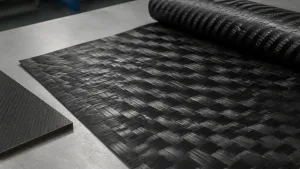
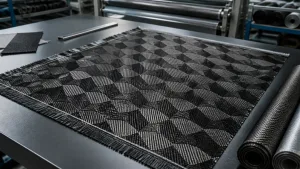
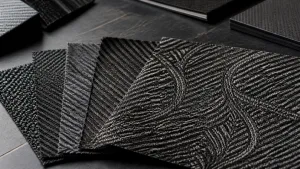
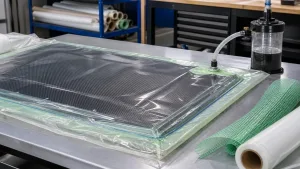
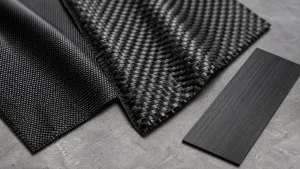
Composite materials consist of two or more constituent materials with significantly different physical or chemical properties. The resulting combination produces materials that exhibit improved performance characteristics over the individual components. Common examples include fiberglass, carbon fiber, and aramid fibers, integrated with resins and other binding agents to create a composite matrix.
Advantages of Composites
The utilization of custom composite solutions offers numerous advantages:
1. Lightweight: Composites can be engineered to be lighter than metals or other traditional materials, aiding in weight reduction, especially in transport applications.
2. Strength: Many composites provide superior strength-to-weight ratios, enhancing durability without adding significant weight.
3. Corrosion Resistance: Composite materials are often resistant to environmental damage like rust and corrosion, which is critical in outdoor or automotive applications.
4. Design Flexibility: The potential for intricate designs and the ability to mold composites into complex shapes can lead to innovative product designs that accommodate specific performance metrics.
5. Thermal and Electrical Properties: Custom composites can be tailored to meet specific thermal and electrical conductivity requirements, making them ideal for diverse applications.
Applications Across Industries
From the automotive sector’s push for lightweight vehicles to aerospace’s stringent safety requirements, custom composite solutions are being integrated into numerous industries.
– Aerospace: Components in aircraft are increasingly made from composite materials to reduce weight and enhance fuel efficiency.
– Automotive: Car manufacturers are adopting composites to lower vehicle weight while maintaining safety and performance.
– Civil Engineering: Composites are used in construction for bridges and buildings, thanks to their high tensile strength and resistance to environmental degradation.
– Sports Equipment: High-performance sporting goods utilize composites to enhance performance and durability without compromising playability.
The Importance of Finding the Right OEM Partner
Understanding the Need for Collaboration
As businesses seek to implement custom composite solutions, forging a partnership with an adept OEM can drastically influence the outcome of a project. The right OEM partner offers not only manufacturing capabilities but also expertise, innovation, and quality assurance—essential elements for success in any composite project.
Additionally, OEM partners often provide access to advanced technologies and manufacturing processes that may not be readily available in-house. This synergistic arrangement can lead to enhanced product performance and lower overall production costs.
Evaluating Potential OEM Partners
When considering an OEM partner для custom composite solutions, several key factors should be assessed:
1. Industry Experience
A partner with extensive experience in the relevant industry is invaluable. Investigate their track record with composite materials, especially in your specific application sector. This will require looking at case studies, testimonials, and references to ascertain their competency.
2. Manufacturing Capabilities
Assess the OEM’s manufacturing capabilities, including their ability to meet your specific design requirements and volume needs. Their equipment should be up-to-date and capable of producing high-quality composite materials.
3. Quality Assurance
Review the OEM partner’s documented quality controls, inspection plan, nonconformance process and part-specific acceptance records. If the supplier presents ISO 9001:2015 evidence, verify the legal holder, manufacturing site, issuer, status and scope. A quality-management-system certificate does not by itself prove the performance of a particular part or material.
4. Technological Expertise
The landscape of composite manufacturing is continuously evolving. It is crucial that your partner stays abreast of emerging technologies and can integrate them into their processes. This can range from advanced molding techniques to automated production lines that enhance efficiency and precision.
5. Research and Development
An OEM with a strong focus on R&D can provide significant advantages. This includes the ability to innovate and refine products, which can lead to performance improvements and cost savings. Evaluate their investment in R&D and any partnerships with academic or research institutions.
6. Customer Support and Service
A reputable OEM should offer robust customer support throughout the project lifecycle, from initial consultation and design assistance to production and after-sales service. Effective communication is key to navigating any challenges that may arise during development.
Building a Successful Partnership
Once you have identified potential OEM partners that meet your criteria, the next step is to foster a mutually beneficial relationship. Here are some strategies to ensure a successful partnership:
1. Open Communication
Establishing a transparent and open line of communication fosters trust and understanding. Regular updates, progress meetings, and collaborative problem-solving can preemptively address issues before they escalate.
2. Clearly Defined Roles and Responsibilities
Defining the responsibilities of both parties at the onset can prevent miscommunication and misaligned expectations. Clearly outline who handles what aspect of the project and delineate decision-making authority.
3. Joint Problem Solving
Challenges are inevitable in any engineering project. A strong partnership allows for collaborative problem-solving that draws on the strengths of both parties.
4. Regular Assessment and Feedback
Consistently evaluate the partnership and results. Establish metrics for success and collect feedback from all stakeholders to identify areas for improvement.
Navigating Challenges in Composite Manufacturing
Overcoming Technical Hurdles
Complex composite solutions often present unique technical challenges. Whether it’s managing the curing process to avoid warping or ensuring consistent material properties, partners must be equipped to tackle these hurdles head-on.
Supply Chain Management
The reliance on specialized materials can create supply chain vulnerabilities. As such, it’s crucial to maintain strong relationships with suppliers and have contingency plans in place to mitigate potential disruptions.
Adapting to Market Shifts
Markets are constantly evolving, particularly with regard to sustainability and technology. Your OEM partner should be adaptable and capable of pivoting to meet changing industry demands and regulations.
The Future of Custom Composite Solutions
Sustainability and Innovation
As industries move toward sustainable practices, composite solutions will likely evolve to incorporate recyclable and bio-based materials. OEM partners that prioritize sustainability will not only appeal to eco-conscious consumers but also position themselves favorably in a fast-changing market.
Advances in Manufacturing Technology
The future of custom composite solutions is bright, with innovations like 3D printing and automated composite layup processes set to revolutionize production. Companies that stay at the forefront of these developments will have a competitive advantage.
Conclusion
Navigating the world of custom composite solutions to find the best OEM partner is no small feat, but doing so can significantly impact your project’s success. By understanding the nature of composite materials, knowing how to evaluate potential partners, and cultivating a productive relationship, you can create innovative, high-quality products that stand out in the marketplace.
Whether you’re in aerospace, automotive, sports, or construction, the right OEM partner can propel you toward your strategic goals. Remember that investing time in this critical partnership can result in substantial long-term benefits, from improved product performance to cost savings and market differentiation. Now is the time to explore your options and begin the journey toward finding a manufacturing partner that can help bring your visionary custom composite solutions to life.

Add comment