
Kevlar Cloth: Stunning Benefits for Unmatched Strength
Kevlar cloth is renowned for its extraordinary strength and versatility, making it a favorite among various industries and applications. This synthetic fiber, originally invented in the 1960s by Stephanie Kwolek at DuPont, has transformed the world of materials science, providing unmatched durability in numerous products. In this article, we will explore the stunning benefits of Kevlar cloth, examine its optimal performance features, and delve into its remarkable applications and composites.

Understanding Kevlar Cloth
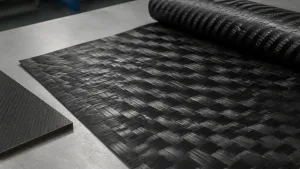
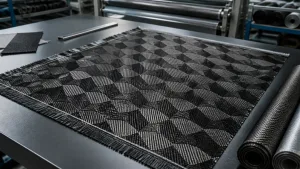
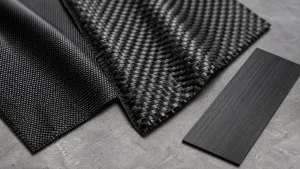
At its core, Kevlar cloth is made from para-aramid synthetic fibers, leading to a fabric that boasts high tensile strength and a low weight. Its unique molecular structure consists of long chains of molecules tightly linked together, offering remarkable resistance to heat, abrasion, and cuts. These attributes solidify its reputation as one of the most reliable materials available today.
The creation of Kevlar involves a specific spinning process, which contributes to its unparalleled strength. When twisted into a fabric, the fibers maintain their rigidity while being flexible enough for various applications. This combination of strength and flexibility makes Kevlar cloth ideal for protecting against extreme conditions, promoting safety in high-risk environments.

The Stunning Benefits of Kevlar Cloth
1. Exceptional Strength-to-Weight Ratio
One of the most striking benefits of Kevlar cloth is its exceptional strength-to-weight ratio. This means that while the material is incredibly sturdy, it doesn’t add significant weight to the items it is incorporated into. In comparison to traditional steel, Kevlar is five times stronger while being significantly lighter. This property is essential in industries such as aerospace and automotive engineering, where reducing weight is crucial for performance without sacrificing safety.
2. Superior Resistance to Abrasion and Cuts
Kevlar’s impressive performance against abrasion and cuts is another noteworthy advantage. It can easily withstand the wear and tear associated with everyday use. For example, the use of Kevlar in protective gloves ensures that workers in construction, manufacturing, and other hazardous fields remain safe from sharp objects and rough surfaces. This inherent resistance also extends to applications such as body armor, where Kevlar’s ability to absorb impact is critical.

3. High Temperature Resistance
In scenarios where materials are exposed to high temperatures, Kevlar shows remarkable stability. It retains its strength even when subject to extreme heat, making it invaluable in environments like fire-fighting, aerospace, and industrial settings. Fireproof suits for firefighters often incorporate Kevlar fibers for this very reason, providing essential protection against heat while maintaining maneuverability.
4. Low Electrical Conductivity
Kevlar’s insulating properties make it a go-to choice in applications requiring low electrical conductivity. In safety gear, such as gloves and clothing, Kevlar can effectively protect users from electrical hazards, combined with its impressive physical durability. This is particularly important for electricians and technicians who often work in potentially dangerous environments.
Applications of Kevlar Cloth
Given its remarkable properties, the applications of Kevlar cloth are diverse and impactful. Below, we dive into several notable areas where Kevlar cloth excels.
1. Personal Protective Gear
One of the most recognized uses of Kevlar cloth is in personal protective equipment (PPE). Law enforcement agencies and military personnel depend heavily on Kevlar for bulletproof vests and helmets. The ability to absorb and disperse energy efficiently protects wearers from firearm-related threats.
Similarly, Kevlar gloves and clothing are common in industrial settings, providing essential protection for workers against mechanical hazards and cuts. Its lightweight nature enhances comfort without compromising safety, which is crucial for maintaining agility and performance during strenuous tasks.
2. Automotive and Aerospace Industries
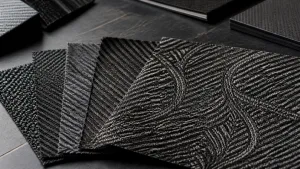
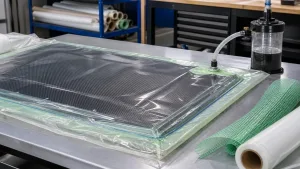
In the automotive and aerospace sectors, Kevlar cloth is often combined with other materials to form Kevlar composites. These composites exhibit superior strength, making them ideal for manufacturing components like seat belts, tires, and structural parts of aircraft. By utilizing Kevlar, manufacturers create lighter and stronger products, which ultimately improve fuel efficiency and performance.
The aerospace industry exploits Kevlar’s lightness and resilience to create components that withstand extreme conditions during flight. Its integration into helicopter and aircraft outer skins and tires is testament to the material’s reliability.
3. Sporting Equipment
While Kevlar cloth is primarily associated with safety and protection, its application in sports gear cannot be overlooked. High-performance sporting goods like bicycles, tennis rackets, and even surfboards often utilize Kevlar for enhanced durability and strength. The integration of Kevlar composites in these items results in equipment that can withstand rigorous use while maximizing performance.
4. Home and Office Furnishings
The versatility of Kevlar cloth extends to home and office furnishings, where it is employed in everyday items that benefit from its strength and durability. For instance, it is used in certain types of furniture, providing a blend of comfort and resilience. Additionally, innovations have emerged in using Kevlar for high-durability bags and backpacks, allowing users to transport belongings safely without fear of wear or tear.
The Future of Kevlar Cloth and Composites
As technology continues to advance, the applications and benefits of Kevlar cloth are expected to grow. With ongoing research focused on developing eco-friendly variants and enhancing existing properties, the potential of Kevlar composites remains vast. The textile industry is increasingly exploring ways to optimize Kevlar’s environmental impact without compromising its performance attributes, ensuring that users can enjoy its benefits sustainably.
Furthermore, the realm of biomedical applications is gaining traction. The unique properties of Kevlar create opportunities for advancements in the healthcare sector, from implantable devices to specialized surgical tools, enhancing safety and efficacy for patients.
Conclusion
Kevlar cloth stands out as a remarkable material that marries strength with lightweight functionality, providing exceptional durability in numerous applications. From military gear and aerospace engineering to everyday home products, its benefits are undeniable. The unique advantages of Kevlar cloth ensure it remains a valuable resource across various industries, continually embracing innovation and adaptation for existing and future applications.
As we move forward, the importance of Kevlar cloth is poised to expand, reminding us of the ongoing intersection of technology and material science. Whether in protection, performance, or production, Kevlar will remain essential in shielding lives and enhancing experiences across diverse fields. Embracing this advanced material not only shapes industries but also crafts a safer and more resilient future.


Add comment