
Aramid Yarn: Must-Have Strength for Modern Industry Applications
Aramid yarn is an exceptional material that has revolutionized various industries through its unparalleled strength and durability. Known for its remarkable thermal stability and resistance to abrasion, aramid yarn is a vital component in applications ranging from aerospace to automotive, and protective gear to industrial textiles. Its unique properties make it a preferred choice for engineers and manufacturers striving for innovation and safety.
In this article, we will delve into the characteristics of aramid yarn, explore its myriad applications, and discuss how aramid composite materials are set to lead the future in industrial performance.

Understanding Aramid Yarn
What is Aramid Yarn?
At its core, aramid yarn is made from synthetic fibers derived from aromatic polyamide. These long-chain molecules provide exceptional tensile strength and resistance to heat, making aramid yarn not only strong but also lightweight. The two most prominent forms of aramid fibers are Kevlar and Twaron, both widely recognized for their high-performance attributes.
Key Properties of Aramid Yarn
1. High Strength-to-Weight Ratio: One of the most significant advantages of aramid yarn is its impressive strength compared to its weight. This is particularly beneficial in applications where reducing weight without compromising strength is crucial.

2. Heat Resistance: Aramid fibers can withstand temperatures above 400°F (200°C) without degrading. This thermal stability is critical in environments where high temperatures are a norm.
3. Chemical Resistance: Also noteworthy is aramid yarn’s resistance to many chemicals, adding to its utility across different sectors.

4. Low Flammability: Unlike many synthetic fibers, aramid yarn does not melt or drip when exposed to flames, making it an ideal material for protective clothing.
5. Durability: The durability of aramid yarn contributes to the longevity of products, reducing the need for frequent replacements.
These properties collectively add to the demand for aramid yarn in various industrial applications.
Applications of Aramid Yarn
Aerospace and Defense
One of the primary sectors utilizing aramid yarn is aerospace and defense. Aircraft components and military gear require materials that can withstand extreme conditions while providing safety. The high tensile strength and lightweight nature of aramid yarn make it the go-to choice for:
– Body Armor: Many bulletproof vests and helmets are constructed using aramid fibers, which can absorb and disperse kinetic energy effectively.
– Aircraft Components: Aramid yarn is also used in the manufacturing of parts such as wings and fuselages where lightweight materials are essential for fuel efficiency and performance.
Automotive Industry
The automotive industry has similarly embraced the advantages of aramid yarn. Components such as tires and brake pads can incorporate this material for enhanced performance. The presence of aramid composite materials in vehicles contributes to:
– Reduced Weight: With aramid yarn, automakers can produce lighter vehicles that consume less fuel or are more efficient in electric applications.
– Enhanced Durability: The endurance of aramid enhances the lifespan of automotive parts, contributing to overall vehicle reliability.
Industrial and Construction Sectors
Aramid yarn’s strength also finds application in industrial textiles, rope manufacturing, and construction:
– Industrial Fabrics: Used in conveyor belts and filtration systems, aramid fabrics provide wear resistance and are vital in operational environments facing high strain and exposure to harsh conditions.
– Rope and Rigging: The unparalleled tensile strength of aramid yarn makes it suitable for ropes and rigging, ensuring safety in construction and maritime applications.
– Protective Clothing: The combination of heat resistance and low flammability makes aramid yarn ideal for protective clothing worn by firefighters, electricians, and in other hazardous environments.
Sport and Leisure
The influence of aramid yarn extends to sports equipment as well. High-performance athletic gear, including cycling apparel and protective padding for extreme sports, integrates this material to enhance performance while ensuring safety and comfort.
The Future of Aramid Composite Materials
As we move forward, the role of aramid composite materials cannot be underestimated. The integration of aramid fibers with other materials enhances overall performance, opening new avenues in innovation.
Advancements in Aramid Composite Technology
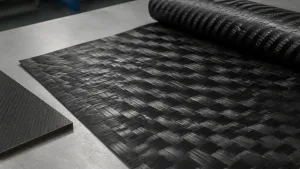
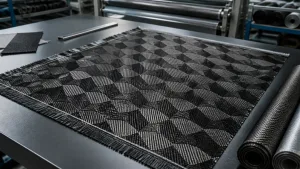
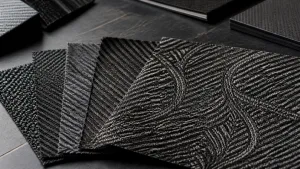
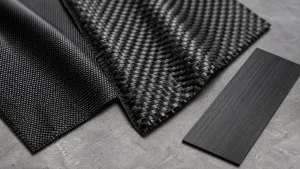
The ongoing research in aramid composites is producing materials that can outperform traditional alternatives. By combining aramid yarn with materials like carbon fiber or fiberglass, manufacturers can develop composites that offer enhanced stiffness, strength, and impact resistance.
Applications of Advanced Composites
1. Automotive Design: These advanced composites are becoming increasingly popular in sports cars and luxury vehicles, providing both aesthetic and performance benefits.
2. Aerospace Engineering: In aerospace, stronger and lighter composite materials can lead to more efficient aircraft, contributing to fuel savings and reduced environmental impact.
3. Medical Equipment: In the healthcare sector, aramid composites are being researched for use in surgical instruments and supportive braces.
Challenges and Considerations
While aramid yarn presents numerous benefits, there are also challenges to consider.
Cost Factors
The production of aramid fibers is generally more costly than conventional materials. This can limit their widespread adoption, particularly in cost-sensitive applications. However, as technology evolves and manufacturing processes become more efficient, costs may decrease, paving the way for broader use.
Environmental Impact
The environmental footprint of producing aramid yarn, like many synthetic fibers, has raised concerns. Innovations aimed at improving sustainability in production methods are crucial for the future viability of aramid-based products.
Competitors in the Market
Emerging materials such as carbon nanotubes and graphene composites are potential competitors, offering alternative high-performance solutions. The continuous advancement in material science will determine the standing of aramid yarn in various applications.
Conclusion
In summary, aramid yarn stands out as a must-have material in modern industry applications due to its unique combination of strength, durability, and heat resistance. From aerospace and automotive sectors to sports and protective gear, its applications are vast and varied. As innovations in aramid composite technology unfold, we can expect even greater possibilities for this remarkable material, setting a high bar for performance and safety across industries.
With the ongoing advances and research, the future of aramid yarn is bright, promising a blend of strength and efficiency that modern industries will increasingly rely upon. Whether enhancing safety in protective gear or enabling innovations in vehicle design, aramid yarn is poised to remain a cornerstone of high-performance materials in the industrial landscape.


Add comment