
Carbon Fiber Plate: A Must-Have for Optimal Strength and Performance
When it comes to materials that blend strength and lightweight properties, the carbon fiber plate stands out as a revolutionary innovation. Utilizing carbon fiber composite technology, these plates have become essential components in various industries, ranging from aerospace to automotive and even sports equipment. Their impressive carbon fiber strength and plate performance make them a top choice for engineers and designers aiming for optimal results.
In this article, we will explore what carbon fiber plates are, their applications, advantages, and the intricate mechanisms that contribute to their unique characteristics. Whether you are a student, a professional in engineering, or simply interested in the materials world, this guide will shed light on the significance of carbon fiber plates.

What is a Carbon Fiber Plate?
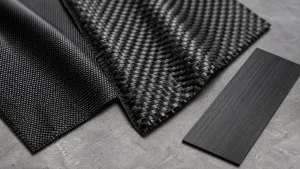
A carbon fiber plate is a flat sheet made from carbon fiber and resin, creating a composite material recognized for its superior strength-to-weight ratio. The carbon fibers used in these plates are strong and stiff, derived from the polyacrylonitrile (PAN) precursor, which undergoes a heating process that removes non-carbon atoms. The result is a material that is not only lightweight but boasts exceptional durability and rigidity.
Composition of Carbon Fiber Plates
The primary components of a carbon fiber plate include:
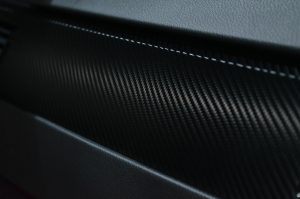
1. Carbon Fibers: Tiny filaments made from carbon molecules provide the primary structure and strength.
2. Resin Matrix: Typically epoxy, this resin binds the fibers together and helps to distribute loads throughout the composite.
3. Additives and Fillers: These may be included to enhance properties such as fire resistance, UV protection, or impact resistance.
The combination of these materials results in a high-performance composite that can be tailored to meet specific requirements and applications.

Advantages of Carbon Fiber Plates
The use of carbon fiber plates comes with numerous benefits that enhance their utility across various fields. Here are some key advantages:
1. Superior Strength-to-Weight Ratio
One of the most remarkable properties of carbon fiber plates is their exceptional strength-to-weight ratio. Carbon fiber is significantly lighter than traditional materials such as steel and aluminum while providing greater tensile strength. This makes them an ideal choice for applications where weight is a critical factor, such as in aerospace or automotive design.
2. Corrosion and Fatigue Resistance
Carbon fiber plates excel in environments that would typically degrade metals. They do not corrode like some metals do, making them ideal for marine applications and other environments characterized by moisture and salt. Additionally, carbon fiber is resistant to fatigue, meaning it can withstand repeated stress over time without significant wear and tear.
3. Flexibility in Design
Manufacturers can mold carbon fiber plates into complex shapes, allowing for innovative designs that wouldn’t be possible with other materials. This flexibility has enabled designers to push the boundaries of aesthetics and functionality in products ranging from bicycles to high-performance vehicles.
4. Thermal and Electrical Conductivity
While carbon fiber isn’t the best thermal insulator, it does possess unique thermal properties. Depending on the orientation of its fibers, it can either conduct heat or isolate it. This adaptability, along with the option to control its electrical conductivity, gives designers the ability to tailor plates to their specific needs.
5. Low Maintenance Requirements
Once installed, carbon fiber composites generally require minimal maintenance compared to traditional materials, saving both time and costs in the long run.
Applications of Carbon Fiber Plates
The versatility of carbon fiber plates has led to their use in a wide array of industries. Below are some notable applications:
1. Aerospace Industry
In aerospace, weight savings translate to better fuel efficiency and performance. Carbon fiber plates are extensively utilized in the construction of aircraft fuselages, wings, and interior components, significantly enhancing overall aircraft performance.
2. Automotive Industry
The automotive sector has embraced carbon fiber plates for their ability to reduce weight without sacrificing strength. High-end vehicles and racing cars utilize these materials to improve speed and fuel efficiency. Even manufacturers of everyday vehicles are incorporating carbon fiber plates into door panels and structural components.
3. Sports Equipment
The demand for high-performance sports gear has also fueled the use of carbon fiber in various sporting goods. From bicycles to tennis rackets and even golf clubs, carbon fiber plates enhance performance by providing strength without adding excessive weight.
4. Medical Devices
In the medical field, carbon fiber’s biocompatibility and lightweight nature make it perfect for prosthetics and other medical devices. Its strength allows for the creation of durable, lightweight solutions that improve the quality of life for many patients.
5. Construction and Civil Engineering
Carbon fiber plates are increasingly being used in the repair and reinforcement of existing structures. Their strength allows for the effective retrofitting of weak points in buildings and bridges, prolonging their lifespan while adding minimal weight.
The Manufacturing Process of Carbon Fiber Plates
Understanding how carbon fiber plates are made is crucial in appreciating their properties. The manufacturing process generally involves several key steps:
1. Fiber Production
As mentioned, carbon fibers are created through the controlled heating of PAN. The resulting fibers can vary in thickness and length, affecting the final characteristics of the plate.
2. Weaving or Structuring
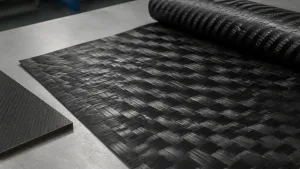
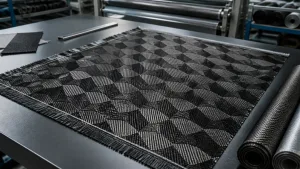
The individual carbon fibers are often woven into a cloth or laid out in specific patterns (such as unidirectional, woven, or braided) to determine the mechanical properties of the plate.
3. Resin Application
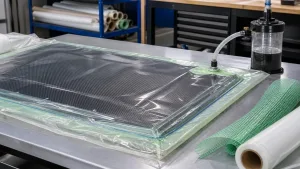
After the fibers are structured, they are saturated with the resin matrix. This can be done through several methods such as hand layup, vacuum infusion, or resin transfer molding (RTM).
4. Curing
Once the resin is applied, the composite must cure, allowing the resin to harden and bond with the fibers. This curing process can involve heat, pressure, or both, depending on the specific materials used.
5. Finishing
After curing, the plates may undergo several finishing processes to achieve a certain surface quality, including cutting, sanding, or painting.
Challenges and Limitations of Carbon Fiber Plates
While carbon fiber plates offer numerous advantages, there are challenges and limitations. Understanding these nuances is essential for making informed choices.
1. Cost
Currently, the manufacturing of carbon fiber composites remains more expensive than that of traditional materials. This can deter widespread adoption for some applications, particularly in industries where cost is a major concern.
2. Environmental Impact
The production process of carbon fiber is energy-intensive and produces significant waste. Research is ongoing to find more sustainable ways to produce carbon fibers, including recycling used composites.
3. Brittle Nature
While strong, carbon fiber plates can be brittle and subject to cracking under certain types of stress. This is especially important to consider in applications where impact and dynamic forces may be involved.
Future of Carbon Fiber Plates
The future of carbon fiber plates looks promising, with ongoing innovations aimed at reducing costs, enhancing performance, and minimizing environmental impact. Advances in recycling technologies and the development of new manufacturing techniques may make carbon fiber an even more accessible option for various applications.
Moreover, the integration of smart technologies within carbon fiber plates to monitor stress, strain, and temperature is paving the way for intelligent structures that can respond to their environments.
Conclusion
In summary, the carbon fiber plate is not just a material; it’s an essential component that drives innovation across various sectors. Its unparalleled strength, lightweight nature, and adaptability open up new possibilities in design and engineering.
By providing insights into the composition, advantages, applications, and future prospects of carbon fiber plates, we can appreciate why they are considered a must-have for optimal strength and performance. As technology continues to advance, we can only imagine the new heights that carbon fiber will reach, reinforcing its status as a pivotal material in modern manufacturing and design.


Add comment