
Carbon Fiber Fabric: Stunning Benefits for Modern Industry
In an era of technological advancement, carbon fiber fabric has emerged as a revolutionary material that significantly enhances the performance and capabilities of various industries. This lightweight yet incredibly strong fabric is not just a game changer in manufacturing—it’s an essential element in fields ranging from aerospace to automotive, and even sports equipment.
Understanding the exceptional attributes and applications of carbon fiber composite materials can help industries innovate and improve overall productivity. Let’s delve deeper into the stunning benefits of carbon fiber fabric, explore its unique properties, and discuss its widespread applications in modern industry.

What is Carbon Fiber Fabric?
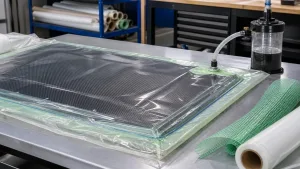
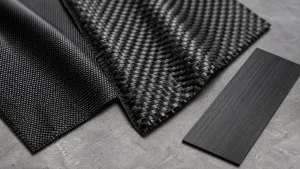
Carbon fiber fabric is made from extremely thin fibers of carbon, which are about 5-10 micrometers in diameter. These fibers are woven together to form fabric sheets, which can then be layered and bonded to create strong composite materials. It’s important to clarify how carbon fiber fabrics are distinct from carbon fiber composites. While the former focuses on the woven fabric itself, the latter refers to the composite materials created when these fabrics are combined with resins or other binding agents.
The Making of Carbon Fiber Fabric
The production process of carbon fiber involves several stages, including:
1. Polymer Precursor Production: The most common precursor is polyacrylonitrile (PAN), which is processed into fibers.
2. Stabilization: The PAN fibers are heated in air to form oxygen-rich compounds that stabilize their structure.
3. Carbonization: The stabilized fibers are subjected to high temperatures (over 1,000 degrees Celcius) in an inert environment, resulting in a carbon-rich material.
4. Surface Treatment and Sizing: This step enhances adhesion with matrix materials and provides protection to the fibers.
This intricate process results in a robust and flexible product that exhibits exceptional performance characteristics.
Unmatched Carbon Fiber Strength
One of the most celebrated attributes of carbon fiber fabric is its astounding carbon fiber strength. Carbon fiber boasts a tensile strength that is five times stronger than steel, yet it weighs significantly less. This unique strength-to-weight ratio allows for remarkable durability without adding unnecessary weight, making it ideal for applications where every ounce counts.

Reduced Weight, Increased Efficiency
The lightweight nature of carbon fiber fabric contributes to improved efficiency in various applications:
– Aerospace: In aircraft manufacturing, reducing weight directly translates to greater fuel efficiency and increased payload capacity.
– Automotive: In the automotive sector, using carbon fiber components helps improve performance and fuel economy while enhancing agility and handling.
Industries are increasingly adopting carbon fiber fabric to create lightweight structures, allowing for greater speed and efficiency, both crucial for modern demands.
Superior Fabric Performance
When assessing fabric performance, carbon fiber fabric stands out due to its unique properties. Here are some attributes that exemplify its performance capabilities:
Corrosion and Chemical Resistance
Unlike metals that may corrode over time, carbon fiber fabric has exceptional resistance to various environmental factors, including humidity, water, and chemicals. This characteristic is particularly advantageous in industries such as marine applications, where materials are often exposed to saltwater.
Thermal Stability
Carbon fiber can withstand high temperatures without any degradation, making it an ideal choice for industries that require materials to perform in extreme conditions. For example:
– Aerospace: Heat resistance is critical during high-speed travel.
– Manufacturing: In industries like metalworking, carbon fiber can be used for tools and fixtures exposed to extreme heat.
Excellent Fatigue Resistance
Carbon fiber fabric exhibits minimal fatigue under repeated stress, ensuring longevity and reliability. This property is critical in applications such as:
– Sports Equipment: In bicycles and tennis rackets, the fabric’s ability to withstand repeated pressures translates into a longer lifespan and consistent performance.
– Industrial Components: For machinery and components that experience constant wear, durability is essential to reducing maintenance costs.
Versatile Applications of Carbon Fiber Fabric
The versatility of carbon fiber fabric allows for its application in a wide range of industries. Below, we explore how different sectors are benefiting from this innovative material.
Aerospace Industry
In aerospace, carbon fiber fabric is used extensively due to its strength and lightweight nature. Aircraft bodies, wings, and internal components made from carbon fiber composites contribute to improved efficiency and performance. Additionally, carbon fiber’s resistance to corrosion enhances the longevity and reliability of aircraft, leading to reduced maintenance costs.
Automotive Industry
Carbon fiber has become prevalent in automotive manufacturing, where performance and safety are paramount. From exteriors to structural components, manufacturers are increasingly integrating carbon fiber fabric to meet modern performance demands. The material’s lightweight properties contribute to fuel efficiency while improving the vehicle’s speed and handling characteristics.
Sports Equipment
The sports industry is another area where carbon fiber fabric excels. High-performance bicycles, golf clubs, tennis rackets, and even protective gear are often constructed with carbon fiber composites. The combination of strength and lightness allows athletes to improve their performance, making this material highly sought after in competitive sports.
Marine Applications
In the marine industry, boats constructed with carbon fiber fabric benefit from decreased weight, which enhances speed and maneuverability. The material’s resistance to corrosion and water ensures that vessels remain operational for extended periods, making them more reliable for both recreational and commercial use.
Medical Devices
Carbon fiber fabric also finds utility in the field of medicine. Lightweight and durable medical devices, such as prosthetics and orthopedic braces, can be manufactured using carbon fiber composites. This not only improves patient comfort but also enhances the overall functionality and effectiveness of the devices.
Construction and Civil Engineering
Lastly, the construction industry is increasingly utilizing carbon fiber for reinforcing structures. Carbon fiber-reinforced polymers (CFRPs) can strengthen existing buildings with minimal added weight, providing enhanced durability and safety without extensive renovations.
The Future of Carbon Fiber Fabric
As we move forward, the potential for carbon fiber fabric continues to expand. Research and development in materials science are expected to yield new applications and improve existing technologies. Innovations such as 3D printing with carbon fiber composites open up doors for customized and complex designs that were previously unattainable.
Moreover, with growing sustainability concerns, there is a surge in interest for eco-friendly production methods of carbon fiber. Biodegradable composites could pave the way for responsible manufacturing while retaining the impressive qualities of carbon fiber fabric.
Conclusion
In summary, the unmatched strength, lightweight nature, and durability of carbon fiber fabric make it a superior material for modern industries. Its performance attributes such as chemical resistance, thermal stability, and fatigue resistance enable a plethora of applications, from aerospace to sports equipment. As innovations continue to unfold, carbon fiber fabric stands as a pivotal element in driving efficiency, safety, and performance in sectors critical to today’s economy.
As industries leverage this remarkable material, it’s clear that carbon fiber will play an increasingly vital role in shaping the future of technology and manufacturing. Embracing its benefits can empower organizations to push boundaries, innovate, and lead in their respective fields.


Add comment