
Discover the Best Carbon Fiber Tubes
Carbon fiber tubes have revolutionized various industries with their exceptional strength-to-weight ratio and versatility. These high-quality tubes are engineered to provide superior performance in a wide range of applications, from aerospace to sports equipment.
The demand for best carbon fiber tubes is on the rise due to their durability and resistance to fatigue. Whether you’re looking to enhance the performance of your aircraft or improve your bicycle’s efficiency, carbon fiber tubes are an ideal choice.
Key Takeaways
- Carbon fiber tubes offer a superior strength-to-weight ratio.
- They are highly durable and resistant to fatigue.
- These tubes are used in various industries, including aerospace and sports.
- High-quality carbon fiber tubes enhance performance and efficiency.
- They are an ideal material for applications requiring lightweight and strong components.
What Are Carbon Fiber Tubes?
Carbon fiber tubes represent a significant innovation in material science, offering a blend of strength, lightness, and resistance to environmental factors. These tubes are made from carbon fibers, which are thin, strong strands of carbon atoms.
Composition and Structure
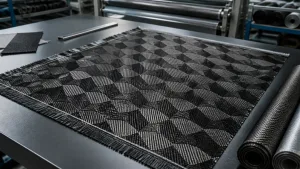
The composition of carbon fiber tubes involves carbon fibers embedded in a polymer matrix, typically epoxy. The structure is achieved through various manufacturing processes such as roll-wrapping, pultrusion, or filament winding. The unique structure of these tubes provides them with exceptional mechanical properties.
The carbon fibers are aligned in specific directions to maximize the tube’s strength and stiffness. This alignment, combined with the matrix material, results in a composite material that is both lightweight and incredibly strong.
Key Properties
Carbon fiber tubes exhibit several key properties that make them highly desirable in various applications. Their high strength-to-weight ratio is one of their most significant advantages, allowing for the creation of lightweight yet incredibly strong structures.
Additionally, carbon fiber tubes offer excellent resistance to fatigue and corrosion, making them suitable for use in harsh environments. Their thermal properties also make them ideal for applications where temperature stability is crucial.
Benefits of Carbon Fiber Tubes
Carbon fiber tubes have revolutionized various industries due to their numerous benefits. These tubes are engineered to provide exceptional performance across different applications.
Strength-to-Weight Ratio
One of the primary advantages of carbon fiber tubes is their exceptional strength-to-weight ratio. This property makes them ideal for applications where weight reduction is crucial without compromising on strength.
Durability and Longevity
Carbon fiber tubes are known for their durability and longevity. They can withstand harsh conditions and have a longer lifespan compared to traditional materials, reducing maintenance and replacement costs.
Resistance to Environmental Factors
These tubes exhibit excellent resistance to environmental factors such as moisture, chemicals, and extreme temperatures. This resistance ensures that they perform consistently in various conditions.
Thermal and Electrical Properties
Carbon fiber tubes also possess unique thermal and electrical properties. They can be used in applications requiring specific thermal conductivity or electrical insulation, making them versatile for various industries.
In summary, the benefits of carbon fiber tubes, including their strength-to-weight ratio, durability, environmental resistance, and thermal and electrical properties, make them a preferred choice in many applications.
Types of Carbon Fiber Tubes
The production of carbon fiber tubes involves several methods, including roll-wrapping, pultrusion, and filament winding. Each of these techniques produces tubes with distinct properties, making them suitable for a wide range of applications.
Roll-Wrapped Tubes
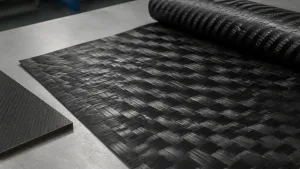
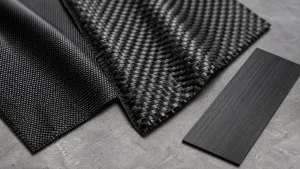
Roll-wrapped tubes are manufactured by wrapping carbon fiber sheets around a mandrel. This method allows for precise control over the tube’s dimensions and fiber orientation, resulting in high-quality tubes with excellent mechanical properties. Roll-wrapped tubes are often used in applications where specific performance characteristics are required.
Pultruded Tubes
Pultruded tubes are produced through a continuous process where carbon fibers are pulled through a resin bath and then shaped into a tube. This method is highly efficient and produces tubes with consistent quality and properties. Pultruded tubes are commonly used in construction and other industries where durability and consistency are crucial.
Filament-Wound Tubes
Filament-wound tubes are created by winding carbon fibers around a mandrel in a specific pattern. This technique allows for the production of tubes with high strength-to-weight ratios and tailored mechanical properties. Filament-wound tubes are often used in high-performance applications, such as aerospace and sports equipment.
As stated by industry experts, “The choice of manufacturing process significantly affects the performance and application of carbon fiber tubes.” The diverse range of production methods available for carbon fiber tubes enables manufacturers to select the most appropriate technique for their specific needs, ensuring optimal performance and efficiency.
Carbon Fiber Tube Sizes and Dimensions
The dimensions of carbon fiber tubes play a significant role in determining their application and performance. Whether you’re working on a project that requires precision or bulk, understanding the available sizes is crucial.
Standard Diameters
Carbon fiber tubes are available in a range of standard diameters, typically from a few millimeters to several centimeters. Standard diameters are designed to meet the needs of most applications, from aerospace to automotive industries. Common diameters include 6mm, 10mm, 20mm, and 50mm, though this can vary by manufacturer.
Wall Thickness Options
The wall thickness of carbon fiber tubes is another critical dimension that affects their strength and weight. Options typically range from 0.5mm to 5mm or more, depending on the intended use. Thicker walls provide greater strength and durability, while thinner walls reduce weight, which is essential for applications where weight reduction is critical.
Custom Sizing Considerations
For projects that require specific dimensions not covered by standard sizes, custom sizing is an option. Manufacturers can produce tubes with custom diameters and wall thicknesses to meet unique project requirements. However, custom sizing can impact cost and lead time, so it’s essential to balance specific needs with budget constraints.
In conclusion, understanding the sizes and dimensions of carbon fiber tubes is vital for selecting the right product. By considering standard diameters, wall thickness options, and the potential for custom sizing, you can ensure that your project meets its performance and budget goals.
Manufacturing Process of Carbon Fiber Tubes
The manufacturing of carbon fiber tubes involves several key stages, from raw material selection to final quality control. This complex process requires precision and a deep understanding of the materials involved.
Raw Materials
The production of carbon fiber tubes begins with the selection of high-quality raw materials. Carbon fibers are the primary component, known for their exceptional strength and lightweight properties. These fibers are typically combined with a resin system that provides additional strength and durability to the final product.
Production Methods
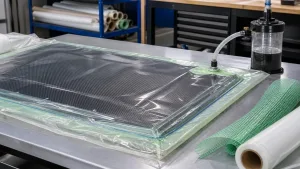
There are several production methods used to manufacture carbon fiber tubes, including roll-wrapping, pultrusion, and filament winding. Each method has its advantages and is chosen based on the specific requirements of the final product. For instance, filament winding allows for the creation of complex geometries and is often used for high-performance applications.
Quality Control
Ensuring the quality of carbon fiber tubes is paramount. Manufacturers implement rigorous quality control measures, including visual inspections and performance testing, to guarantee that the final products meet the required standards. As one industry expert notes,
“Quality control is not just about meeting specifications; it’s about ensuring the product performs as expected in real-world conditions.”
By understanding the manufacturing process, consumers can better appreciate the craftsmanship and technology that goes into producing high-quality carbon fiber tubes.
Applications of Carbon Fiber Tubes
The versatility of carbon fiber tubes is evident in their widespread adoption across diverse sectors, from aerospace to construction. These tubes are prized for their strength, lightweight properties, and resistance to fatigue, making them suitable for a wide range of applications.
Aerospace Industry
In the aerospace industry, carbon fiber tubes are used for structural components, such as satellite parts and aircraft fittings, due to their high strength-to-weight ratio and resistance to extreme temperatures. Boeing and Airbus are among the companies leveraging these materials for next-generation aircraft.
Automotive Sector
The automotive sector utilizes carbon fiber tubes in drive shafts, suspension parts, and other components to reduce weight and enhance performance. Manufacturers like BMW and Porsche are incorporating these tubes into their high-performance vehicles.
Sporting Equipment
Carbon fiber tubes are also prevalent in sporting goods, such as bicycle frames, golf clubs, and fishing rods, where their lightweight and durable properties improve athlete performance. Brands like Callaway Golf and Specialized are known for using carbon fiber in their products.
Medical Devices
In the medical field, carbon fiber tubes are used in equipment like prosthetics and orthotics due to their strength, durability, and biocompatibility. They offer patients lightweight and comfortable solutions.
Construction and Architecture
Carbon fiber tubes are increasingly used in construction for reinforcing structures and creating complex architectural designs. Their resistance to corrosion and high strength make them ideal for modern building techniques.
| Industry | Application | Benefits |
|---|---|---|
| Aerospace | Structural components, satellite parts | High strength-to-weight ratio, resistance to extreme temperatures |
| Automotive | Drive shafts, suspension parts | Reduced weight, enhanced performance |
| Sporting Goods | Bicycle frames, golf clubs | Lightweight, durable |
| Medical | Prosthetics, orthotics | Strength, biocompatibility |
| Construction | Structural reinforcement, architectural designs | Corrosion resistance, high strength |

How to Choose the Right Carbon Fiber Tube for Your Project
To ensure the success of your project, it’s crucial to choose a carbon fiber tube that meets your specific needs. The selection process involves several key considerations to guarantee that the chosen tube performs optimally in its intended application.
Determining Required Strength
The first step is to determine the required strength of the carbon fiber tube. This involves understanding the mechanical stresses it will be subjected to, including tension, compression, and bending forces. By assessing these factors, you can select a tube with the appropriate strength-to-weight ratio, ensuring it can withstand the demands of your project.
Selecting Appropriate Dimensions
Dimensions play a critical role in the selection process. The inner and outer diameters, as well as the length of the tube, must be carefully chosen to fit your project’s specifications. It’s essential to consider how the tube will be integrated into the overall design and whether any additional machining will be required.
Considering Weight Constraints
Weight constraints are another vital factor. Carbon fiber tubes are valued for their lightweight properties, but the specific weight requirements of your project can vary. By balancing strength and weight, you can achieve the desired performance without compromising on other aspects of your project.
Budget Considerations
Finally, budget considerations must be taken into account. The cost of carbon fiber tubes can vary significantly based on factors such as size, strength, and manufacturing process. Establishing a budget beforehand helps narrow down your options and ensures that your selection is both effective and economical.
By carefully evaluating these factors, you can make an informed decision when choosing a carbon fiber tube for your project, ensuring it meets your needs and contributes to the project’s overall success.
Carbon Fiber Tubes for Sale: Where to Buy
Whether you’re a seasoned engineer or a hobbyist, knowing where to buy carbon fiber tubes is crucial for your project’s success. The good news is that carbon fiber tubes are widely available through various sales channels.
Online Retailers
Online retailers offer a convenient way to purchase carbon fiber tubes. They often have a wide range of products, competitive pricing, and customer reviews to help you make an informed decision. When buying online, ensure you’re purchasing from a reputable seller with good customer service.
Specialty Stores
Specialty stores that focus on composite materials or industrial supplies can be an excellent source for carbon fiber tubes. These stores often have knowledgeable staff who can provide guidance on selecting the right product for your needs.
Direct from Manufacturers
Buying directly from manufacturers can offer several advantages, including potentially lower costs and the ability to customize your order. Manufacturers often have a wide range of standard products and can also produce custom sizes or specifications upon request.
In conclusion, when looking to buy carbon fiber tubes, you have multiple options to consider. Each purchasing method has its pros and cons, so it’s essential to evaluate your specific needs and choose the supplier that best meets them.
Price Considerations for Carbon Fiber Tubes
When considering carbon fiber tubes for your project, it’s essential to understand the factors that influence their pricing. The cost can vary widely based on several key elements, making it crucial to evaluate these factors to get the best value for your money.
Factors Affecting Cost
The price of carbon fiber tubes is influenced by several factors, including the type of carbon fiber used, the manufacturing process, dimensions, and quantity. High-quality carbon fiber that offers superior strength and durability will generally be more expensive. The manufacturing process, whether it’s roll-wrapped, pultruded, or filament-wound, also impacts the cost due to differences in production complexity and efficiency.
Dimensions and quantity are other critical factors. Larger or custom-sized tubes typically cost more due to the increased material and potential waste. Additionally, ordering in bulk can sometimes reduce the cost per unit, but this depends on the manufacturer’s pricing structure.

Price Comparison Strategies
To effectively compare prices, it’s advisable to gather quotes from multiple suppliers and manufacturers. Request detailed quotes that break down the cost into materials, manufacturing, and any additional services such as finishing, inspection or documented testing. This transparency helps in making a more accurate comparison.
Another strategy is to evaluate the total cost of ownership, not just the initial purchase price. Consider factors like durability, maintenance requirements, and potential downtime costs. Sometimes, a more expensive tube may offer long-term savings through reduced maintenance and longer lifespan.
Ensuring Quality in Carbon Fiber Tubes
Ensuring the quality of carbon fiber tubes is paramount for their effective application across various industries. High-quality tubes not only enhance performance but also ensure safety and durability. To achieve this, several quality assurance measures must be considered.
Specifications and Verification
A generic supplier badge or management-system document does not guarantee a tube’s performance. Define diameter and wall tolerances, layup, fiber orientation, resin system, straightness, surface finish, joints and load cases. For critical work, require lot traceability and reports for the tests named in the drawing or purchase specification.
Visual Inspection Tips
A thorough visual inspection is a fundamental step in evaluating the quality of carbon fiber tubes. Inspectors should look for surface defects such as cracks, delamination, or unevenness. It’s also essential to verify that the tube’s dimensions match the specifications. Using tools like calipers and microscopes can aid in this process.
Performance Testing
Performance testing involves subjecting carbon fiber tubes to various stresses to evaluate their mechanical properties. Tests may include tensile strength, compression, and flexural tests. The data obtained from these tests help in understanding the tube’s behavior under different conditions, ensuring it meets the required specifications.
| Test Type | Description | Importance |
|---|---|---|
| Tensile Strength Test | Measures the tube’s resistance to breaking under tension | High |
| Compression Test | Evaluates the tube’s ability to withstand compressive forces | High |
| Flexural Test | Assesses the tube’s flexibility and resistance to bending | Medium |
Maintenance and Care for Carbon Fiber Tubes
Maintaining carbon fiber tubes involves a combination of regular cleaning, proper storage, and timely repairs. To maximize their lifespan and performance, it’s crucial to follow a comprehensive maintenance routine.
Cleaning Methods
Cleaning carbon fiber tubes requires gentle methods to avoid damaging the surface. Use a soft cloth and mild soap solution to wipe down the tubes. Avoid harsh chemicals or abrasive materials that can cause scratches or degrade the carbon fiber.
Storage Recommendations
Store carbon fiber tubes in a dry, cool place, away from direct sunlight. Use protective covers or bags to prevent dust accumulation and scratches. Ensure the storage area is free from chemicals or corrosive substances.
Repair Techniques
For minor damages, use epoxy-based adhesives for repairs. Clean the damaged area thoroughly before applying the adhesive. For significant damages, consult a professional or the manufacturer for guidance.
| Maintenance Task | Frequency | Notes |
|---|---|---|
| Cleaning | Weekly | Use mild soap and soft cloth |
| Storage Check | Monthly | Ensure dry, cool environment |
| Repair | As needed | Use epoxy-based adhesives for minor damages |
Conclusion
Carbon fiber tubes have emerged as a versatile and high-performance material, offering a unique combination of strength, durability, and lightweight properties. As discussed throughout this article, these tubes have a wide range of applications across various industries, including aerospace, automotive, sports equipment, and medical devices.
A carbon fiber tubes summary highlights their key benefits, including a high strength-to-weight ratio, resistance to environmental factors, and thermal and electrical properties. When selecting carbon fiber tubes for a project, it’s essential to consider factors such as required strength, dimensions, weight constraints, and budget.
By understanding the different types of carbon fiber tubes, their manufacturing process, and quality control measures, users can make informed decisions and ensure optimal performance. As the demand for high-performance materials continues to grow, carbon fiber tubes are poised to play an increasingly important role in shaping the future of various industries.
FAQ
What are the benefits of using carbon fiber tubes in aerospace applications?
Carbon fiber tubes offer exceptional strength-to-weight ratio, durability, and resistance to environmental factors, making them ideal for aerospace applications where weight reduction and high performance are critical.
How are carbon fiber tubes manufactured?
Carbon fiber tubes are manufactured using various methods, including roll-wrapping, pultrusion, and filament winding, each with its own advantages and typical applications.
What are the standard sizes and dimensions of carbon fiber tubes?
Carbon fiber tubes are available in various standard diameters and wall thickness options, and can also be custom-sized to meet specific project requirements.
How do I choose the right carbon fiber tube for my project?
To choose the right carbon fiber tube, consider factors such as required strength, dimensions, weight constraints, and budget, and consult with manufacturers or suppliers if necessary.
Where can I buy carbon fiber tubes?
Carbon fiber tubes can be purchased from online retailers, specialty stores, and directly from manufacturers, each with its own pros and cons.
What factors affect the cost of carbon fiber tubes?
The cost of carbon fiber tubes is influenced by factors such as the type of carbon fiber, manufacturing process, dimensions, and quantity, and comparing prices from different suppliers can help ensure the best value.
How do I ensure the quality of carbon fiber tubes?
Ensuring quality involves checking dimensions, laminate and surface acceptance criteria, reviewing lot traceability, and using performance testing that matches the drawing and load case.
How should I maintain and care for carbon fiber tubes?
Proper maintenance includes using recommended cleaning methods, following storage recommendations, and applying repair techniques as needed to maximize the lifespan and performance of the tubes.
Can carbon fiber tubes be used in high-temperature applications?
Yes, carbon fiber tubes can be used in high-temperature applications due to their thermal properties, but it’s essential to consider the specific temperature range and other environmental factors.
Are carbon fiber tubes resistant to corrosion?
Carbon fiber tubes are generally resistant to corrosion, but the level of resistance can depend on the specific manufacturing process and any additional coatings or treatments applied.


Add comment