
What is Carbon Fiber Used For?
Carbon fiber, renowned for its unparalleled strength-to-weight ratio, thermal, and electrical properties, has emerged as a cornerstone in multiple sectors. Its exceptional attributes render it indispensable across a broad spectrum of industries, from the aerospace and automotive realms to the domains of sports equipment and medical devices.
The uses of carbon fiber are as varied as they are extensive, underpinned by its carbon fiber properties. These include a remarkable tensile strength, an innate resistance to fatigue, and a significantly low weight. Such properties make it a preferred choice for a multitude of applications, underscoring its versatility and value.
Key Takeaways
- Carbon fiber is used in various industries due to its exceptional properties.
- Its strength-to-weight ratio makes it ideal for aerospace and automotive applications.
- Carbon fiber is used in sports equipment, such as bicycles and golf clubs.
- Medical devices, like prosthetics and implants, utilize carbon fiber.
- The material’s thermal and electrical properties expand its application range.
The Science Behind Carbon Fiber
An exploration into the science of carbon fiber necessitates a deep dive into its chemical composition and the sophisticated manufacturing techniques that bring it to life. The intricate chemical structure and the advanced processes involved in its creation are the cornerstones of its unparalleled properties.
Chemical Composition and Structure
At its core, carbon fiber is a matrix of carbon atoms, meticulously arranged in a crystalline lattice. This precise arrangement is the source of its extraordinary mechanical properties. The chemical makeup of carbon fiber is pivotal in defining its capabilities and applications.
Carbon Fiber Filaments and Weaves
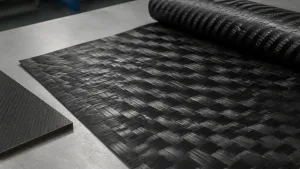
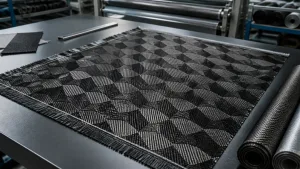
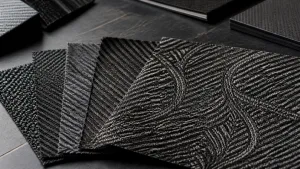
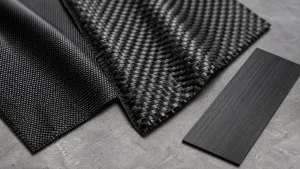
Carbon fiber filaments, slender and continuous, are interwoven to form diverse patterns, including unidirectional, twill, and plain weave. The choice of weave significantly influences the material’s mechanical attributes, tailored to specific use cases.
Resin Matrix Systems
The resin matrix system is an indispensable element in carbon fiber composites, serving as the adhesive that binds the fibers and facilitates load transfer. Various resin systems, such as epoxy, polyester, and vinyl ester, are employed, each contributing unique attributes like thermal resistance and chemical stability.
Manufacturing Process
The journey of carbon fiber manufacturing is a complex sequence of steps, beginning with the creation of precursor materials and culminating in the final curing and finishing stages. The precursor material, whether PAN (Polyacrylonitrile) or pitch, profoundly impacts the final product’s characteristics.
PAN vs Pitch-Based Carbon Fibers
PAN-based carbon fibers are renowned for their superior strength and stiffness, making them ideal for high-performance applications in aerospace and sports equipment. Conversely, pitch-based carbon fibers excel in thermal conductivity, rendering them suitable for environments where high temperatures are prevalent.
Curing and Finishing Techniques
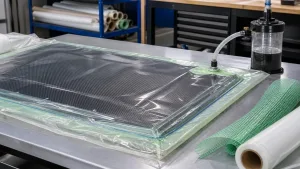
Curing, a process that involves applying heat and pressure, polymerizes the resin matrix within the carbon fiber composite. Subsequent finishing techniques, such as sanding or applying a surface coating, enhance the material’s aesthetic appeal and functional properties.
| Property | PAN-Based Carbon Fiber | Pitch-Based Carbon Fiber |
|---|---|---|
| Strength | High | Moderate |
| Stiffness | High | High |
| Thermal Conductivity | Low | High |
Key Properties That Make Carbon Fiber Exceptional
Carbon fiber’s distinctiveness emanates from its unparalleled attributes, distinguishing it from other materials. Its exceptional properties render it a highly coveted material across diverse industries.
Strength-to-Weight Ratio
The strength-to-weight ratio of carbon fiber stands as a paramount advantage. It presents a synergy of elevated tensile strength and diminished weight, rendering it quintessential for scenarios necessitating both robustness and lightness.
In the aerospace sector, carbon fiber’s application in crafting aircraft components is exemplary. These components are not only robust but also remarkably lightweight, thereby enhancing fuel efficiency and overall performance.
| Material | Tensile Strength (MPa) | Density (g/cm³) |
|---|---|---|
| Carbon Fiber | 4000 | 1.8 |
| Aluminum | 450 | 2.7 |
| Steel | 500 | 7.9 |
Thermal and Electrical Properties
Carbon fiber’s thermal and electrical properties are equally noteworthy. It exhibits remarkable resilience to extreme temperatures and possesses a low coefficient of thermal expansion, rendering it apt for applications in severe environments.
Furthermore, its electrical conductivity facilitates its utility in applications requiring electromagnetic interference (EMI) shielding, such as in electronic devices and aerospace components.
What is Carbon Fiber Used For in the Automotive Industry?
Carbon fiber, renowned for its unparalleled strength-to-weight ratio, is increasingly integral to the automotive sector. Its integration has facilitated the creation of vehicles that are lighter, more fuel-efficient, yet stronger and more resilient. This transformation is a direct result of its application across various domains.
Performance Vehicle Components
In the realm of performance vehicles, carbon fiber stands out for its capacity to elevate vehicle performance while minimizing weight. This is achieved through its deployment in several critical areas:
Body Panels and Chassis Elements
The adoption of carbon fiber in body panels and chassis elements is prevalent in high-performance vehicles. It enables substantial weight reduction without compromising structural integrity. For example, carbon fiber body panels enhance a vehicle’s power-to-weight ratio, thereby improving acceleration and handling capabilities.
Interior Applications
Carbon fiber’s utility extends to interior applications, including dashboard trim, seats, and other components. Its inclusion not only elevates the vehicle’s interior aesthetic but also contributes to weight reduction. This versatility underscores the industry’s commitment to innovation.
Racing Technology and Innovations
The racing sector has been instrumental in advancing carbon fiber technology, driving innovations that permeate production vehicles. Carbon fiber’s role in racing is multifaceted, enhancing both performance and safety.
Formula 1 and Motorsport Applications
In Formula 1 and other motorsport disciplines, carbon fiber’s extensive use is attributed to its superior strength-to-weight ratio and resistance to damage. It is pivotal in the construction of chassis, bodywork, and other critical components. This has enabled racing teams to achieve higher velocities while maintaining stringent safety standards.
Safety Features and Crash Structures
Carbon fiber’s role in enhancing safety features and crash structures in racing vehicles is equally significant. Its capacity to absorb and distribute impact forces makes it an ideal material for constructing survival cells and other safety components. This has notably enhanced driver safety in motorsports.
The automotive industry’s embrace of carbon fiber marks a pivotal advancement in vehicle design and performance. As technological progress continues, we anticipate witnessing even more groundbreaking applications of carbon fiber in the automotive sector.
Aerospace and Aviation Applications
The integration of carbon fiber within aerospace and aviation has profoundly transformed aircraft and spacecraft design and production. Its unparalleled strength-to-weight ratio, coupled with its resistance to fatigue and capacity to endure extreme temperatures, positions it as the quintessential material for a myriad of applications within these sectors.
Commercial Aircraft Components
In commercial aircraft components, carbon fiber’s prowess in reducing weight while preserving structural integrity is paramount. This capability not only augments the aircraft’s performance but also fosters substantial fuel savings.
Structural Elements and Weight Reduction
The employment of carbon fiber in fuselage and wing structures has precipitated a notable diminution in weight. This weight reduction is pivotal, as it directly influences the aircraft’s fuel efficiency and overall performance. Weight reduction is a cornerstone in the aerospace realm, as it diminishes operational costs and environmental impact.
Fuel Efficiency Benefits
The utilization of carbon fiber in aircraft construction enables airlines to attain considerable fuel efficiency benefits. Reduced fuel consumption not only curtails operational expenses but also minimizes the environmental footprint of aviation. This is of paramount importance as the aviation sector expands and faces escalating environmental scrutiny.
Space Exploration Technology
In the realm of space exploration technology, carbon fiber’s distinctive properties are harnessed for a variety of applications, spanning from satellite components to launch vehicle structures.
Satellite Components
The employment of carbon fiber in satellite components confers several advantages, including diminished weight and augmented durability. Satellites fabricated with carbon fiber can endure the extreme conditions of space, including extreme temperatures and radiation, ensuring steadfast operation throughout their lifespan.
Launch Vehicle Applications
In launch vehicle applications, carbon fiber is employed to forge lightweight yet formidable structures. This is imperative for attaining the requisite thrust-to-weight ratio essential for successful launches. The incorporation of carbon fiber in launch vehicles also enhances the overall efficiency of space missions by lessening the vehicle’s weight.
The multifaceted advantages of carbon fiber in aerospace and aviation span from enhanced fuel efficiency to augmented durability and performance. As technological advancements progress, the utilization of carbon fiber is anticipated to broaden, catalyzing innovation in these pivotal industries.
Carbon Fiber in Sporting Equipment
Carbon fiber, renowned for its exceptional strength, durability, and lightness, is revolutionizing the realm of sports equipment. Its integration across diverse sporting disciplines is aimed at elevating performance and refining the athlete’s experience.
Cycling Technology
In the domain of cycling technology, carbon fiber has emerged as a critical component, especially in the creation of high-performance bicycles. Its application in frame design and wheel construction has profoundly influenced the sport.
Frame Design and Performance
The incorporation of carbon fiber in bicycle frames enables reduced weight without compromising strength, thereby facilitating cyclists in achieving superior speeds and enhanced maneuverability. Renowned manufacturers such as Trek and Specialized have integrated carbon fiber into their premium offerings, thereby enhancing overall performance.
Wheels and Components
Carbon fiber wheels are distinguished by enhanced aerodynamics and reduced rotational mass, contributing to accelerated acceleration and more efficient energy transfer. Furthermore, carbon fiber is employed in other cycling components, including handlebars and seatposts, to further diminish weight and augment rider comfort.
Other Sports Applications
Carbon fiber extends its influence beyond cycling, permeating various sports to create high-performance equipment. Its applications in tennis, golf, water sports, and winter sports stand out.
Tennis Rackets and Golf Clubs
In tennis, carbon fiber is employed to craft lightweight yet potent rackets, granting players enhanced control and swing speed. Analogously, in golf, carbon fiber shafts in clubs offer improved flexibility and reduced weight, leading to longer drives and more precise shots.
Water Sports and Winter Sports Equipment
Carbon fiber is also pivotal in the creation of equipment for water sports, such as paddles and surfboards, where its durability and resistance to water damage are invaluable. In winter sports, carbon fiber is utilized in skis, poles, and snowboards to augment performance and maneuverability.
Marine Industry Applications
The marine sector has witnessed a profound transformation, embracing carbon fiber across diverse applications. Its exceptional strength-to-weight ratio, coupled with its corrosion resistance and durability, positions it as the quintessential material for boat fabrication and marine apparatus.
Boat Hull Construction Techniques
Carbon fiber’s adoption in boat hull construction is on the rise, driven by its lightweight yet robust characteristics. This innovation leads to enhanced velocity and fuel economy.
Racing Yachts and Performance Vessels
Racing yachts and performance vessels derive substantial advantages from carbon fiber construction. The material’s inherent strength and lightness empower these vessels to attain superior speeds and exhibit enhanced maneuverability.
Corrosion Resistance Benefits
Carbon fiber’s inherent corrosion resistance is particularly advantageous in the marine environment, where saltwater can inflict considerable damage on conventional materials.
Underwater and Offshore Equipment
Carbon fiber’s application extends to underwater and offshore equipment, including submersibles and offshore wind turbine blades. Its strength, durability, and corrosion resistance make it an ideal choice for these demanding applications.

Construction and Infrastructure Uses
Carbon fiber reinforced polymers (CFRP) are revolutionizing the construction and infrastructure sectors. Their unparalleled strength-to-weight ratio makes them ideal for a variety of applications. This material is increasingly being utilized in construction projects.
Structural Reinforcement Methods
Carbon fiber’s primary role in construction is as a structural reinforcement agent. It is employed to fortify existing structures, such as bridges and buildings, without significantly increasing their weight. This method enhances the structural integrity of these edifices.
Bridge and Building Retrofitting
Retrofitting with carbon fiber offers a cost-effective solution to extend the lifespan and durability of bridges and buildings. This involves the application of CFRP sheets around structural components to augment their tensile strength. It is a method that significantly improves the structural integrity of these structures.
Earthquake Resistance Applications
In regions prone to earthquakes, carbon fiber reinforcement plays a critical role. It enhances the ductility and strength of structures, enabling them to better withstand seismic forces. This application is vital for ensuring the safety and resilience of buildings and bridges during such events.
Architectural and Decorative Applications
Carbon fiber’s utility extends beyond structural reinforcement, finding applications in architectural and decorative realms. It enhances both the functionality and aesthetics of buildings, contributing to their overall appeal.
Furniture and Interior Design
In the realm of furniture and interior design, carbon fiber is prized for its ability to create sleek, modern pieces. Its lightweight and durable nature makes it a preferred material among designers seeking to craft innovative, aesthetically pleasing designs.
Facade Elements and Artistic Uses
Carbon fiber is also utilized in the creation of facade elements and artistic installations. Its versatility allows for the realization of intricate designs that are both visually captivating and structurally robust. This makes it an ideal material for architects and artists aiming to push the boundaries of design.
| Application | Benefits |
|---|---|
| Structural Reinforcement | Enhanced strength, durability |
| Architectural Elements | Aesthetic appeal, versatility |
| Earthquake Resistance | Improved seismic performance |
Medical and Prosthetic Innovations
Carbon fiber, renowned for its distinctive attributes, is increasingly being integrated into medical fields, notably in orthopedic and prosthetic technologies. Its superior strength-to-weight ratio, coupled with its durability and capacity for customization, underpins its adoption in these domains. These characteristics are pivotal in addressing the unique requirements of each patient.
Orthopedic Devices and Implants
In the orthopedic and implant sectors, carbon fiber is gaining traction due to its inherent advantages. A paramount benefit is its X-ray transparent properties, facilitating enhanced imaging and diagnostic precision without necessitating supplementary procedures.
X-Ray Transparent Properties
The X-ray transparency of carbon fiber implants empowers healthcare professionals to track the healing trajectory with greater accuracy. This attribute is especially critical in orthopedic surgery, where precise imaging is indispensable for achieving optimal results.
Customization Capabilities
Carbon fiber’s malleability allows for the creation of devices tailored to individual patient needs, ensuring a personalized fit that augments both comfort and functionality. This adaptability is a significant boon in the realm of orthopedic device fabrication.
Prosthetic Limbs and Mobility Aids
In the context of prosthetic limbs and mobility aids, carbon fiber is celebrated for its lightweight design benefits and durability. These attributes facilitate the development of prosthetics that are not only more comfortable but also more effective for users.
Lightweight Design Benefits
The lightweight nature of carbon fiber prosthetics diminishes the energy required for mobility, thereby simplifying movement and participation in diverse activities.
Durability and Patient Outcomes
The longevity of carbon fiber prosthetics is instrumental in improving patient outcomes by minimizing the necessity for frequent replacements and repairs. This durability significantly enhances the quality of life for individuals dependent on these devices.
Industrial and Energy Sector Applications
Carbon fiber, renowned for its exceptional strength-to-weight ratio, is gaining prominence in the realm of industrial and energy applications. Its versatility enables it to enhance efficiency, diminish costs, and elevate performance across a myriad of sectors.
Renewable Energy Components
The renewable energy sector significantly benefits from carbon fiber technology. Its applications span across:
Wind Turbine Blade Construction
Carbon fiber’s lightweight and superior tensile strength make it ideal for wind turbine blades. This facilitates the creation of longer blades, thereby augmenting energy output.
Solar Panel Framing and Supports
In solar panel systems, carbon fiber serves as the material for framing and supports. It offers a robust and corrosion-resistant option, thereby reducing the overall weight of the installation.
Oil and Gas Industry Uses
The oil and gas industry also reaps the benefits of carbon fiber’s unique properties. Its applications in this sector include:
Deep-Sea Equipment
Carbon fiber’s capacity to withstand high pressures and corrosive environments makes it an excellent choice for deep-sea equipment. This enhances the equipment’s durability and reliability.
Pressure Vessel Applications
In the oil and gas industry, carbon fiber is employed in the fabrication of pressure vessels. It provides a lightweight yet robust alternative to conventional materials.

The integration of carbon fiber in these sectors not only boosts operational efficiency but also fosters cost savings and environmental advantages. It reduces the carbon footprint associated with traditional materials.
Consumer Products and Electronics
Carbon fiber is transforming the consumer electronics sector, from luxury watches to smartphone casings. Its distinctive blend of strength, lightness, and visual appeal positions it as the premier material for diverse applications.
Luxury Goods and Accessories
In the realm of luxury goods, carbon fiber is redefining performance and aesthetics. Luxury watches and premium jewelry now frequently incorporate carbon fiber elements, offering a contemporary and refined appearance.
Watches and Jewelry
The fusion of carbon fiber in watches and jewelry presents a harmonious mix of style and resilience. Brands are embracing carbon fiber in their designs, crafting lightweight yet resilient timepieces.
Fashion and Lifestyle Products
Carbon fiber is also permeating the fashion and lifestyle sectors, manifesting in high-end accessories. Its inclusion imbues these items with an element of innovation and exclusivity.
Electronic Device Components
In the domain of electronic devices, carbon fiber serves to bolster durability while minimizing weight. Smartphone casings and laptop bodies, now crafted from carbon fiber, offer a premium feel and enhanced structural integrity.
Laptop and Smartphone Casings
The integration of carbon fiber into laptop and smartphone casings not only fortifies their strength but also contributes to a sleek, contemporary design. This trend is particularly prevalent in high-end devices.
Audio Equipment Applications
Carbon fiber is also employed in audio equipment, such as high-end headphones, to elevate sound quality and durability. Its stiffness and low mass facilitate superior sound reproduction.
Working with Carbon Fiber: Challenges and Considerations
The benefits of carbon fiber are extensively documented, yet its integration is beset with complexities necessitating meticulous evaluation. As sectors increasingly embrace this material, grasping its constraints is imperative for efficacious deployment.
Cost Factors and Economic Considerations
The elevated expense of carbon fiber poses a substantial impediment to its universal adoption. The production methodology necessitates the utilization of costly raw materials and intricate manufacturing procedures, rendering cost reduction without compromising on quality a formidable task.
Economic considerations significantly influence decision-making. Producers must balance the advantages of carbon fiber against its financial burden, taking into account production volume, material waste, and labor costs.
Environmental Impact and Sustainability
Carbon fiber production is marked by a considerable environmental footprint, primarily attributed to the energy-intensive manufacturing process and reliance on non-renewable resources. Mitigating these issues is vital for sustainable advancement.
Production Footprint
The creation of carbon fiber entails substantial energy consumption and emission generation. Initiatives to diminish this footprint include the advancement of more efficient manufacturing methodologies and the integration of renewable energy sources.
Recycling Technologies
Recycling carbon fiber is a pivotal component of sustainability. Progress in recycling technologies facilitates the recovery of valuable materials from waste, thereby reducing the dependency on virgin carbon fiber and minimizing environmental harm.
Conclusion: The Future of Carbon Fiber Applications
Carbon fiber has profoundly transformed numerous sectors with its unparalleled strength-to-weight ratio, superior thermal and electrical conductivity, and unmatched versatility. Its impact is evident across the automotive, aerospace, sporting goods, marine, and other industries, marking a significant paradigm shift. This material’s capabilities have redefined the boundaries of what is possible, setting new standards for performance and efficiency.
The trajectory of carbon fiber’s evolution is promising, with burgeoning opportunities in renewable energy, advanced prosthetics, and premium consumer products. The advent of novel manufacturing methodologies and technological breakthroughs will undoubtedly fuel further innovation. This will ensure that carbon fiber becomes more widely available and economically viable, thereby expanding its applicability across a broader spectrum of industries.
The escalating demand for eco-friendly and high-performance materials will undoubtedly catalyze the adoption of carbon fiber in nascent sectors like green energy and cutting-edge infrastructure. As ongoing research and development efforts yield new insights, we anticipate the emergence of groundbreaking applications. These innovations will redefine the future of various industries, underscoring the material’s pivotal role in shaping technological advancements.
FAQ
What is carbon fiber?
Carbon fiber, a material of unparalleled lightness and formidable strength, is integral to numerous sectors. Its applications span the aerospace, automotive, sports equipment, and construction industries.
What are the benefits of using carbon fiber?
Carbon fiber’s exceptional attributes include a superior strength-to-weight ratio, alongside notable thermal and electrical properties. It also boasts corrosion resistance and remarkable durability.
What is carbon fiber used for in the automotive industry?
In the automotive realm, carbon fiber’s utility is vast. It is employed in crafting performance vehicle components, body panels, and chassis elements. Its application extends to interior components, racing technology, and safety features.
How is carbon fiber used in aerospace and aviation?
Within the aerospace and aviation sectors, carbon fiber’s role is critical. It is utilized in commercial aircraft components to enhance weight reduction and fuel efficiency. Its application also extends to space exploration, encompassing satellite components and launch vehicle technology.
What are the applications of carbon fiber in sporting equipment?
Sporting equipment benefits significantly from carbon fiber’s properties. It is integral to cycling technology, tennis rackets, golf clubs, and equipment for water and winter sports. Its lightweight and high-strength attributes are particularly advantageous.
How is carbon fiber used in the marine industry?
The marine industry leverages carbon fiber for boat hull construction, especially in racing yachts and performance vessels. Its corrosion resistance and strength make it ideal for underwater and offshore equipment.
What are the uses of carbon fiber in construction and infrastructure?
In construction and infrastructure, carbon fiber’s versatility is evident. It is employed in structural reinforcement for bridges and buildings. Additionally, it finds application in architectural and decorative contexts, including furniture, interior design, facade elements, and artistic endeavors.
How is carbon fiber used in medical and prosthetic applications?
Carbon fiber’s utility in medical and prosthetic fields is noteworthy. It is used in orthopedic devices and implants, prosthetic limbs, and mobility aids. Its X-ray transparency, customization capabilities, lightweight design, and durability are key advantages.
What are the industrial and energy sector applications of carbon fiber?
Carbon fiber’s role in the industrial and energy sectors is significant. It is used in renewable energy components, such as wind turbine blades and solar panel framing. Its application in the oil and gas industry, particularly in deep-sea equipment and pressure vessel applications, is also noteworthy.
How is carbon fiber used in consumer products and electronics?
Carbon fiber’s presence in consumer products and electronics is evident. It is used in luxury goods and accessories, such as watches and jewelry. Its use in electronic device components, including laptop and smartphone casings, and audio equipment, is also notable.
What are the challenges and considerations when working with carbon fiber?
The utilization of carbon fiber is not without its challenges. Cost factors, economic considerations, environmental impact, and sustainability concerns are paramount. The development of recycling technologies is crucial in addressing these issues.
Is carbon fiber recyclable?
Indeed, carbon fiber is recyclable. Efforts to develop recycling technologies are underway, aiming to enhance the sustainability of carbon fiber production and minimize waste.

Add comment