
- Carbon Fiber Sheet: The Best Affordable Choice for You
- Understanding Carbon Fiber Sheets
- Advantages of Carbon Fiber Sheets
- 1. Strength-to-Weight Ratio
- 2. Corrosion Resistance
- 3. Versatile Applications
- 4. Aesthetic Appeal
- Comparing Carbon Fiber Sheets to Other Materials
- Carbon Fiber vs. Aluminum
- Carbon Fiber vs. Fiberglass
- Factors to Consider When Choosing Carbon Fiber Sheets
- 1. Thickness
- 2. Weave Pattern
- 3. Finish
- 4. Cost
- Where to Buy Carbon Fiber Sheets
- Tips for Working with Carbon Fiber Sheets
- Real-Life Applications and Success Stories
- Conclusion
Carbon Fiber Sheet: The Best Affordable Choice for You
When considering materials that combine strength, durability, and lightweight properties, the carbon fiber sheet stands out as a prominent contender. Offering an impressive balance of versatility and affordability, carbon fiber sheets have become increasingly popular in diverse applications, from automotive and aerospace to DIY projects and electronics. This article will delve into the various benefits of carbon fiber sheets, their applications, how they compare to other materials, and what you should consider when making a purchase.
Understanding Carbon Fiber Sheets
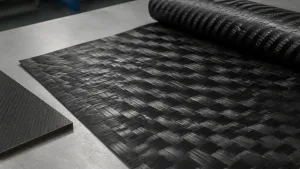
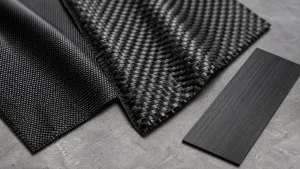
Carbon fiber is a lightweight but high-strength material made of thin strands of carbon atoms bonded together in a crystalline structure. These strands are woven into a fabric, which is typically infused with resin to create a solid sheet. The result is a composite material known for its excellent mechanical properties, including high tensile strength and rigidity.
Advantages of Carbon Fiber Sheets
1. Strength-to-Weight Ratio
One of the most significant benefits of carbon fiber sheets is their remarkable strength-to-weight ratio. This means that while the material is extremely strong, it is also lightweight compared to metals like steel or aluminum. This characteristic makes carbon fiber sheets particularly advantageous for industries that prioritize efficiency and performance, such as aerospace and automotive manufacturing.
2. Corrosion Resistance
Unlike traditional metals, carbon fiber sheets do not corrode or rust when exposed to environmental factors. This property ensures longevity and durability, particularly in applications where exposure to moisture or other corrosive elements is a concern. As a result, structures made from carbon fiber require less maintenance over time.
3. Versatile Applications
The versatility of carbon fiber sheets makes them suitable for a wide array of applications. Here are just a few areas where these sheets prove invaluable:
– Aerospace: Lightweight materials improve fuel efficiency and overall performance.
– Automotive: They are used in high-performance vehicles for components like body panels and structural parts.
– Sports Equipment: Items such as bicycles, tennis rackets, and surfboards benefit from the material’s lightweight and stiff properties.
– DIY Projects: Hobbyists appreciate carbon fiber for custom projects, ranging from drone frames to model airplanes.
– Electronics: Its non-conductive nature makes it suitable for casings and other components in electronic devices.
4. Aesthetic Appeal
Carbon fiber sheets possess a unique, visually appealing texture that many find attractive. Depending on the application, the surface can be left raw for a more industrial look or finished with a resin coating for a glossy appearance. This aesthetic quality often enhances the appearance of consumer goods and automotive parts alike.
Comparing Carbon Fiber Sheets to Other Materials
When choosing materials, it’s essential to understand how carbon fiber sheets stack up against other common options like aluminum and fiberglass.
Carbon Fiber vs. Aluminum
While aluminum is known for its good tensile strength and lightweight nature, it cannot match the strength-to-weight ratio of carbon fiber. Additionally, aluminum is susceptible to corrosion. Carbon fiber, in contrast, remains unaffected by environmental elements, giving it an edge in longevity.
Carbon Fiber vs. Fiberglass
Fiberglass is another lightweight material, but it falls short in strength when compared to carbon fiber. Although fiberglass is typically less expensive, it doesn’t provide the same level of rigidity and tensile strength. For projects where durability and performance are crucial, carbon fiber is often worth the additional investment.
Factors to Consider When Choosing Carbon Fiber Sheets
1. Thickness
Carbon fiber sheets come in various thicknesses, typically ranging from 0.5 mm to 5 mm or more. The required thickness will depend on the specific application—thicker sheets generally provide more strength but add weight. Therefore, it’s crucial to evaluate your project’s needs before settling on a size.
2. Weave Pattern
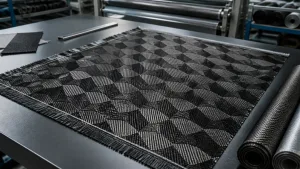
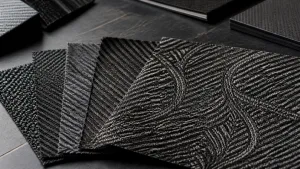
The weave pattern impacts the properties of carbon fiber sheets. Common patterns include twill and plain. Twill weave offers flexibility and is often used in applications that require complex shapes, while plain weave provides greater stability and strength.
3. Finish
The type of finish on the carbon fiber sheet can affect its appearance and usability. Unidirectional sheets are constructed with fibers all aligning in one direction, resulting in high stiffness and strength in that direction. In contrast, a woven carbon fiber provides excellent uniform strength in multiple directions, making it ideal for various applications.
4. Cost
While carbon fiber sheets are increasingly affordable, pricing can vary significantly based on factors like the manufacturer, quality, and the specific properties of the sheet. Always compare prices and seek out reputable suppliers to ensure you’re getting the most value for your investment.
Where to Buy Carbon Fiber Sheets
If you’re convinced that a carbon fiber sheet is the best choice for your needs, the next step is finding a reliable source. There are numerous online retailers and specialty manufacturers that specialize in composite materials. Here are a few options to consider:
– Online Suppliers: Many websites specialize in composite materials and offer a wide variety of carbon fiber sheets, often with customization options.
– Local Hardware Stores: Some hardware or specialty stores may carry carbon fiber or can order it for you.
– Wholesale Suppliers: If you’re purchasing large quantities, consider checking out wholesale suppliers that can offer bulk pricing.
Tips for Working with Carbon Fiber Sheets
– Use Proper Safety Gear: When cutting or sanding carbon fiber, wear gloves and a mask. The dust can be irritating to the skin and lungs.
– Choose the Right Tools: Use sharp, high-quality cutting tools to prevent fraying. A diamond blade saw, for instance, can provide clean cuts.
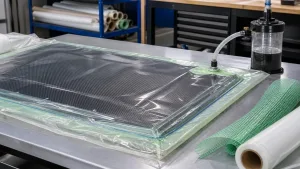
– Adhesive Selection: When bonding carbon fiber sheets, choose a resin or adhesive specifically designed for composites to ensure a strong bond.
Real-Life Applications and Success Stories
Many industries have successfully integrated carbon fiber sheets into their operations and products, yielding impressive results.
– Automotive Industry: Leading brands such as Ferrari and Lamborghini utilize carbon fiber for their body panels, contributing to better speed, efficiency, and performance.
– Aerospace: Boeing and Airbus have heavily invested in carbon fiber composites, allowing for lighter aircraft that consume less fuel.
– Sports Equipment: Brands like Trek and Specialized create high-end bicycles using carbon fiber to maximize speed and agility on the road.
Conclusion
In summary, carbon fiber sheets represent an excellent choice for anyone looking for strong, lightweight, and durable materials without breaking the bank. Their versatility, resistance to corrosion, and aesthetic appeal make them highly desirable across various industries and applications. By understanding the factors to consider and comparing them to other materials, you can make an informed decision that best suits your specific needs. Whether you’re working on an automotive project, a new bike frame, or a DIY creation, carbon fiber sheets are an affordable and high-performance option worth considering.

Add comment