
- Understanding Carbon Fiber Fabric
- Properties of High-Quality Carbon Fiber Fabric
- The Importance of Identifying Quality
- Essential Tips for Identifying High-Quality Carbon Fiber Fabric
- 1. Examine the Weave Pattern
- 2. Feel the Material
- 3. Assess the Weight
- 4. Look for Clear Markings
- 5. Inspect for Defects
- 6. Research the Manufacture’s Reputation
- 7. Check for Incompatibilities and Resin Quality
- 8. Consider the Price
- 9. Determine the Applications
- 10. Seek Expert Advice
- Conclusion
High-Quality Carbon Fiber Fabric: Must-Have Tips for Identification
High-quality carbon fiber fabric is an essential material for various industries, owing to its remarkable strength-to-weight ratio and durability. With the increasing demand for carbon fiber in sectors such as automotive, aerospace, sports equipment, and consumer goods, understanding how to identify top-notch carbon fiber fabric is more important than ever. Whether you’re a manufacturer, designer, or DIY enthusiast, knowing what to look for can significantly enhance your projects and ensure you select the best materials for your needs.
Understanding Carbon Fiber Fabric
Before diving into the identification tips, it’s crucial to understand what carbon fiber fabric is and why it is important. Carbon fiber is a polymer that consists of very thin strands of carbon atoms, which are curved and woven together to create a lightweight yet incredibly strong material. Its unique properties make it an attractive choice for industries where performance and efficiency are paramount.
The fabric is used in a variety of applications, from high-performance vehicles and aircraft to high-end bicycles and protective gear. When looking for the best carbon fiber fabric, the goal is to find a product that not only meets specific requirements but also delivers optimal performance.
Properties of High-Quality Carbon Fiber Fabric
High-quality carbon fiber fabric presents several important characteristics that set it apart from lower-grade materials. Here are some properties you should consider:
– Tensile Strength: One of the primary reasons for using carbon fiber is its strength. High-quality fabrics exhibit high tensile strength, meaning they can withstand significant force without failing.
– Weight: The lightweight nature of carbon fiber is part of its appeal. While all carbon fibers are lighter than metals like steel and aluminum, high-quality options are optimal for applications demanding significant weight savings.
– Flexural Modulus: This refers to the fabric’s stiffness and is vital in applications requiring resilience. A higher flexural modulus means the material will resist bending under load.
– Corrosion Resistance: High-grade carbon fiber fabrics are less prone to degradation over time, making them suitable for long-lasting applications.
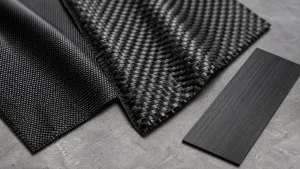
– Weave Pattern: The weaving method, whether twill, satin, or plain weave, affects not just aesthetics but also performance. Higher-grade fabrics often exhibit a more precise and consistent weave pattern.
The Importance of Identifying Quality
Being able to identify high-quality carbon fiber fabric is essential because it can have a direct impact on the performance and durability of your final product. Using inferior materials can lead to failure, safety risks, increased costs, and project delays. This is particularly crucial in high-stakes applications such as aviation or motorsport, where even minor failures can result in catastrophic outcomes.
Essential Tips for Identifying High-Quality Carbon Fiber Fabric
1. Examine the Weave Pattern
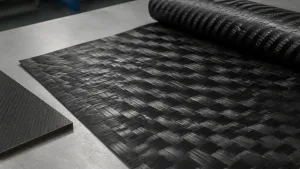
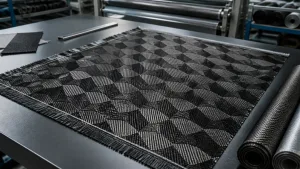
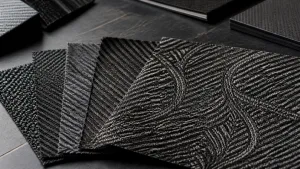
A fabric’s weave pattern is one of the critical aspects that can indicate its quality. Look for consistency in the weave: it should be uniform, with evenly spaced fibers that are not fraying or pulled. Common weave patterns include:
– Plain Weave: Features interlacing fibers that provide a good balance between strength and flexibility. It is commonly used in various applications and is a good sign of quality if executed well.
– Twill Weave: Displays a diagonal pattern and tends to be softer and more flexible than plain weave options. It’s well-suited for applications requiring both aesthetic appeal and performance.
– Satin Weave: Provides a high sheen and is mainly used for cosmetic purposes. Although it boasts a luxurious appearance, check its structural integrity.
Avoid fabrics with inconsistent patterns or defects, as these can compromise performance.
2. Feel the Material
Touch the fabric to understand its texture. High-quality carbon fiber fabric typically feels somewhat smooth but should not feel overly slick; a balance that suggests quality. If the fabric feels rough or inconsistently textured, it may be of lower quality.
3. Assess the Weight
While carbon fiber is generally lighter than other materials, the specific weight can also give clues about quality. When you’re assessing fabric, you might want to weigh a specific area (like a square meter) and compare it to known standard weights for that type of fabric. High-quality carbon fiber fabric should have a consistent weight that aligns with industry standards for its weave and type.
4. Look for Clear Markings
Genuine high-quality carbon fiber often comes with labeling that includes important information like the manufacturer’s name, fabric type, and specific properties. Certifications or compliance marks may also indicate adherence to industry standards, a sign that the product has been tested and verified.
5. Inspect for Defects
Check the fabric for any defects or flaws such as:
– Bubbles or Delaminations: These can indicate poor manufacturing processes and can compromise the structural integrity of the final product.
– Color Discrepancies: Inconsistent coloration may suggest inferior quality control.
Ensuring the absence of defects will provide you with a better-performing final product.
6. Research the Manufacture’s Reputation
The reputation of the manufacturer plays a significant role in the quality of the materials produced. Invest time in researching their background, production processes, and customer reviews. Manufacturers who offer guarantees or warranties on their carbon fiber products are often more trustworthy.
7. Check for Incompatibilities and Resin Quality
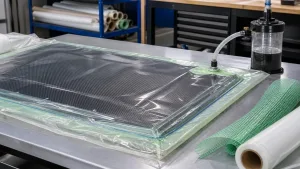
The resin used with carbon fiber is equally important. High-quality carbon fibers typically require high-grade resins to develop optimum properties. When inspecting a fabric, check if the resin adheres well to the fiber strands and whether it is suitable for the intended manufacturing processes, such as vacuum infusion or prepreg applications.
Low-quality resins may lead to premature failure despite the fabric being of good quality.
8. Consider the Price
While price shouldn’t be the sole deciding factor, it can be a good indicator of quality. High-performance carbon fiber fabric typically costs more due to the intricate manufacturing process, high-grade materials, and rigorous testing.
Be wary of prices that seem too good to be true, as they may reflect lower-quality materials.
9. Determine the Applications
The intended application can guide you in assessing which type of carbon fiber fabric you require. High-performance applications like racing or aerospace will demand much stricter requirements than trade applications or crafts. Ensure that the fabric you choose meets the specifications required for your project.
10. Seek Expert Advice
Consulting with experts or those in the industry can provide valuable insights. Experts can offer recommendations about reputable brands and types of fabric based on their firsthand experience.
Build relationships with fabric suppliers, attend trade shows, or join industry forums to expand your knowledge and network.
Conclusion
High-quality carbon fiber fabric is indispensable for various applications due to its remarkable properties and performance. Identifying reliable sources of carbon fiber fabric involves careful inspection of the weave, material feel, weight, and manufacturer reputation, among other factors.
By employing the tips outlined in this article, you will be better prepared to select the best materials for your projects. Whether you’re manufacturing a high-performance vehicle, designing sports equipment, or creating a one-of-a-kind consumer product, understanding how to identify quality carbon fiber fabric will ultimately contribute to your success.
Finding high-grade materials is an investment worth making, as it enhances not only the performance but also the longevity of your product. With the right knowledge and approach, you’ll be equipped to make informed decisions that elevate your projects and meet industry standards.


Add comment