
Welcome to the era of advanced manufacturing where every ounce counts for high performance. Have you ever wondered what makes modern jets and racing cars so incredibly light yet tough? It often comes down to a special material that has completely changed how we build high-speed machines.
This modern weave is famous for its amazing strength and its wide versatility in many fields. It helps experts create structures that are both rigid and feather-light for better results.
In the United States, designers and engineers look to this woven composite when they need a perfect balance of weight and power. From the deep ocean to the edge of space, these high-tech filaments play a vital role in innovation.
This guide will help you understand its unique benefits and why it is so popular today. Let’s explore this world of new materials together and see what makes it so special for our future.
Key Takeaways
- Exceptional power-to-weight ratio for elite performance.
- High resistance to corrosion and harsh chemicals.
- Flexible design options for creating complex shapes.
- Superior durability even in extreme environments.
- Enhanced thermal stability for high-heat applications.
- Modern aesthetic appeal for high-end luxury products.
1. What Is Carbon Fiber Fabric and Why Does It Matter?
With its unparalleled strength-to-weight ratio, carbon fiber fabric is transforming the way we design and construct a wide range of products. This advanced material is not only exceptionally strong and lightweight but also offers significant durability and resistance to fatigue.
The Composition of Carbon Fiber
Carbon fiber fabric is primarily composed of carbon atoms bonded together in long chains. These fibers are incredibly thin, with some being as small as 0.005–0.010 mm in diameter. The unique composition gives carbon fiber its exceptional tensile strength and stiffness, making it an ideal material for applications where weight reduction is critical without compromising on strength.
How Carbon Fiber Fabric Differs from Other Composite Materials
Unlike other composite materials such as fiberglass or Kevlar, carbon fiber fabric stands out due to its high modulus and tensile strength. It is also more resistant to high temperatures and has a lower coefficient of thermal expansion, which makes it particularly useful in aerospace and automotive applications.
Historical Development and Modern Applications
Carbon fiber was first developed in the late 1950s and early 1960s. Initially, it was used in aerospace and defense applications due to its high strength and low weight. Today, its applications have expanded to include automotive, sports equipment, and medical devices, among others. The versatility of carbon fiber fabric, coupled with its carbon fiber properties, has made it a critical material in modern manufacturing, enabling the creation of complex structures that were previously impossible to produce.
The growing demand for carbon fiber fabric is driven by its numerous benefits, including its exceptional strength, durability, and versatility in various carbon fiber applications. As technology continues to evolve, the use of carbon fiber is expected to expand into even more innovative and diverse fields.
2. The Manufacturing Process Behind Carbon Fiber Fabric
Understanding the manufacturing process of carbon fiber fabric is crucial for appreciating its properties. The journey from raw materials to the final fabric involves several critical stages.
From PAN Precursor to Carbon Fiber
The production of carbon fiber begins with a precursor material, typically Polyacrylonitrile (PAN). The PAN precursor is subjected to a series of chemical and mechanical processes to transform it into carbon fibers. This involves stretching and aligning the PAN molecules to create a high-strength, high-modulus material.
Oxidation and Carbonization Stages
The PAN precursor undergoes two critical stages: oxidation and carbonization. During oxidation, the precursor is heated in air to stabilize the molecular structure. Subsequently, carbonization involves heating the oxidized fibers in an inert atmosphere to remove non-carbon atoms, resulting in nearly pure carbon fibers.
“The carbonization process is crucial as it determines the final mechanical properties of the carbon fibers.”
Weaving and Fabric Formation Techniques
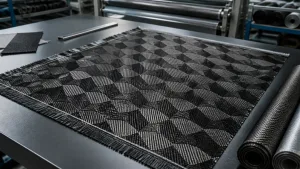
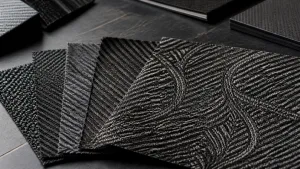
Once the carbon fibers are produced, they are woven into fabric using various techniques. The choice of weave pattern, such as plain weave, twill weave, or satin weave, depends on the desired mechanical properties and aesthetic requirements of the final product.
| Weave Pattern | Characteristics | Applications |
|---|---|---|
| Plain Weave | Stable, balanced, and simple | General-purpose applications |
| Twill Weave | Flexible, drapable, and aesthetically pleasing | Aerospace, automotive, and sports equipment |
| Satin Weave | Flexible, smooth surface finish | High-performance applications requiring smooth finish |
The manufacturing process of carbon fiber fabric is a complex interplay of material science and textile technology, resulting in a material that is both incredibly strong and versatile.
3. Understanding the Properties of Carbon Fiber Fabric
Understanding the properties of carbon fiber fabric is crucial for leveraging its potential in advanced applications. Carbon fiber fabric’s exceptional characteristics make it a highly sought-after material in various industries.
Exceptional Tensile Strength and Stiffness
Carbon fiber fabric is known for its high tensile strength and stiffness, making it ideal for applications where durability and resistance to deformation are critical. The tensile strength of carbon fiber can be up to five times that of steel, with a fraction of the weight.
Outstanding Weight-to-Strength Ratio
One of the most significant advantages of carbon fiber fabric is its outstanding weight-to-strength ratio. This property allows for the creation of lightweight yet incredibly strong components, which is particularly valuable in aerospace and automotive applications.
Thermal Stability and Chemical Resistance
Carbon fiber fabric also exhibits excellent thermal stability and chemical resistance. It can withstand extreme temperatures without losing its structural integrity and is resistant to many chemicals, making it suitable for use in harsh environments.
Electrical Conductivity and Other Physical Properties
In addition to its mechanical properties, carbon fiber fabric has electrical conductivity, which can be beneficial in applications requiring electromagnetic interference (EMI) shielding. Other notable physical properties include its low coefficient of thermal expansion and high fatigue resistance.
The unique combination of these properties makes carbon fiber fabric an exceptional material for a wide range of applications, from high-performance sports equipment to critical components in aerospace engineering.
4. Types of Carbon Fiber Fabric Weave Patterns
Understanding the different weave patterns of carbon fiber fabric is crucial for selecting the right material for your project. The weave pattern significantly affects the fabric’s performance, aesthetics, and usability in various applications.
Plain Weave: Simplicity and Stability
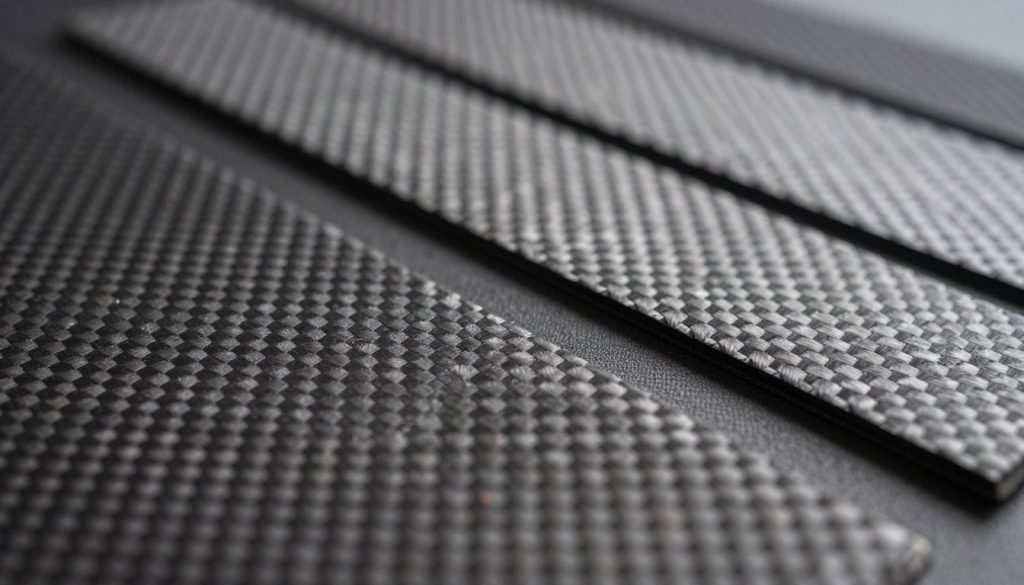
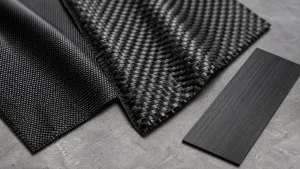
Plain weave is one of the most common and straightforward weave patterns. It offers high stability and resistance to distortion, making it ideal for applications where minimal stretch is desired. The plain weave pattern is characterized by a simple over-and-under pattern, which provides a balanced and symmetrical fabric.
Twill Weave: Drapability and Aesthetics
Twill weave carbon fiber fabric is known for its excellent drapability and visually appealing diagonal pattern. This weave pattern allows for better conformability to complex shapes, making it suitable for applications that require a high degree of flexibility and aesthetic appeal.
Satin Weave: Flexibility and Surface Finish
Satin weave fabric offers a high degree of flexibility and a smooth surface finish. It is often used in applications where a high-quality finish is required, such as in the aerospace and automotive industries.
Unidirectional Fabric: Maximum Strength in One Direction
Unidirectional carbon fiber fabric is designed to provide maximum strength and stiffness in one direction. This makes it ideal for applications where the primary load is in a single direction, such as in certain aerospace and sports equipment components.
The following table summarizes the key characteristics of the different weave patterns:
| Weave Pattern | Characteristics | Typical Applications |
|---|---|---|
| Plain Weave | High stability, minimal stretch | General-purpose applications |
| Twill Weave | Good drapability, aesthetic appeal | Aerospace, automotive |
| Satin Weave | High flexibility, smooth finish | Aerospace, automotive |
| Unidirectional | Maximum strength in one direction | Aerospace, sports equipment |
5. Industrial and Commercial Applications
With its exceptional properties, carbon fiber fabric is increasingly being adopted in diverse industrial and commercial applications. Its unique blend of strength, lightweight, and versatility makes it an ideal material for various sectors.
Aerospace Engineering and Aircraft Components
In the aerospace industry, carbon fiber fabric is used to manufacture aircraft components, including fuselage, wings, and control surfaces. The material’s high strength-to-weight ratio significantly reduces the overall weight of aircraft, leading to improved fuel efficiency and reduced emissions. Aerospace companies like Boeing and Airbus have been at the forefront of incorporating carbon fiber composites into their aircraft designs.
Automotive Performance and Racing Applications
The automotive sector, particularly in performance and racing cars, benefits greatly from carbon fiber fabric. It is used in the production of body panels, chassis components, and interior parts. The lightweight nature of carbon fiber enhances vehicle performance by improving power-to-weight ratio, handling, and braking efficiency. Formula 1 teams and supercar manufacturers frequently utilize carbon fiber to gain a competitive edge.
Marine Vessels and Watercraft Construction
Carbon fiber fabric is also making waves in the marine industry. It is used in the construction of high-performance boats, yachts, and other watercraft. The material’s resistance to corrosion and its ability to withstand harsh marine environments make it an attractive choice for boat builders. Additionally, the reduced weight improves speed and maneuverability.
Sports Equipment: Bicycles, Rackets, and More
In the sports equipment sector, carbon fiber fabric is used to manufacture high-performance bicycles, tennis rackets, golf clubs, and other gear. The material’s exceptional stiffness and lightweight properties enhance athlete performance by providing better control and reduced fatigue. Professional athletes and enthusiasts alike benefit from the advantages offered by carbon fiber equipment.
Medical Devices and Robotics
Carbon fiber fabric is finding its way into medical applications, including prosthetics, orthotics, and medical robotics. Its biocompatibility, strength, and lightweight nature make it suitable for devices that require precision and durability. The use of carbon fiber in medical devices is improving patient outcomes and enhancing the capabilities of medical professionals.
The diverse applications of carbon fiber fabric underscore its potential to transform industries. As technology advances and production costs decrease, we can expect to see even more innovative uses of this versatile material.
6. Key Advantages of Carbon Fiber Fabric
With its unique combination of strength, durability, and lightweight properties, carbon fiber fabric has revolutionized numerous applications. The advantages of carbon fiber fabric are multifaceted, making it a highly sought-after material in various industries.
Unmatched Strength Without the Weight Penalty
One of the primary benefits of carbon fiber fabric is its exceptional strength-to-weight ratio. It offers the strength of much heavier materials without the associated weight, making it ideal for applications where both strength and lightness are critical.
Long-Term Durability and Fatigue Resistance
Carbon fiber fabric is renowned for its durability and resistance to fatigue. It can withstand repeated stress and strain without significant degradation, ensuring that components made from this material remain reliable over their lifespan.
Corrosion Resistance and Environmental Stability
The material’s inherent corrosion resistance and environmental stability make it suitable for use in harsh environments. Unlike metals, carbon fiber fabric does not corrode or degrade when exposed to chemicals or extreme weather conditions.
Design Flexibility and Visual Appeal
Beyond its functional benefits, carbon fiber fabric also offers design flexibility and a unique visual appeal. Its distinctive weave patterns can be used to create aesthetically pleasing designs, and it can be molded into complex shapes to suit various applications.
In conclusion, the advantages of carbon fiber fabric, including its strength, durability, corrosion resistance, and design flexibility, make it a valuable material for a wide range of industries.
7. How to Work with Carbon Fiber Fabric
When it comes to working with carbon fiber fabric, having the right equipment and knowledge is paramount. This section will guide you through the essential steps and considerations for successfully working with this versatile material.
Essential Tools and Safety Equipment
Before starting any project with carbon fiber fabric, it’s crucial to have the right tools and safety equipment. This includes high-quality scissors or a cutting mat for precise cutting, mixing cups and stir sticks for resin preparation, and gloves, safety glasses, and a respirator for personal protection.
Choosing the Right Resin System
The choice of resin system is critical when working with carbon fiber fabric. Epoxy resins are commonly used due to their excellent bonding properties and durability. It’s essential to select a resin that is compatible with the specific application and environmental conditions of your project.
| Resin Type | Characteristics | Best Use |
|---|---|---|
| Epoxy | High strength, excellent adhesion | Aerospace, automotive, high-performance applications |
| Polyester | Cost-effective, easy to use | Marine, construction, general-purpose applications |
| Vinyl Ester | Chemical resistance, durability | Chemical processing, marine environments |
Wet Layup and Vacuum Bagging Techniques
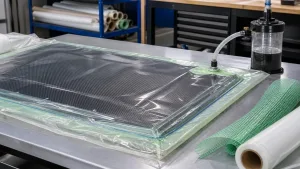
Two common techniques for working with carbon fiber fabric are wet layup and vacuum bagging. Wet layup involves applying resin to the fabric by hand, while vacuum bagging uses a vacuum to remove air and excess resin, resulting in a stronger, more consistent finish.
Curing Methods and Post-Processing
Curing is a critical step in the process. The curing method depends on the resin system used and may involve room temperature curing, heat curing, or pressure curing. Post-processing techniques, such as sanding and painting, can enhance the final appearance and performance of the component.
Common Mistakes to Avoid
When working with carbon fiber fabric, common mistakes to avoid include inadequate surface preparation, incorrect resin mixing, and insufficient curing time. Being aware of these potential pitfalls can help ensure a successful outcome.
8. Carbon Fiber Fabric vs. Alternative Materials
When it comes to selecting materials for high-performance applications, understanding the differences between carbon fiber fabric and alternative materials is crucial. Various materials are used in advanced applications, each with its unique properties and advantages.
Carbon Fiber vs. Fiberglass: Performance Comparison
Carbon fiber fabric and fiberglass are both popular choices for composite materials. However, they differ significantly in terms of performance. Carbon fiber offers exceptional tensile strength and stiffness, making it ideal for applications where weight reduction is critical.
Here’s a comparison of key properties:
| Material | Tensile Strength (MPa) | Density (g/cm³) |
|---|---|---|
| Carbon Fiber | 4000-6000 | 1.8-2.0 |
| Fiberglass | 2000-3500 | 2.5-2.6 |
Carbon Fiber vs. Kevlar: Strength and Impact Resistance
Kevlar is known for its outstanding impact resistance, but how does it compare to carbon fiber fabric? While Kevlar excels in absorbing impact, carbon fiber fabric provides superior stiffness and tensile strength.
Carbon Fiber vs. Aluminum and Steel
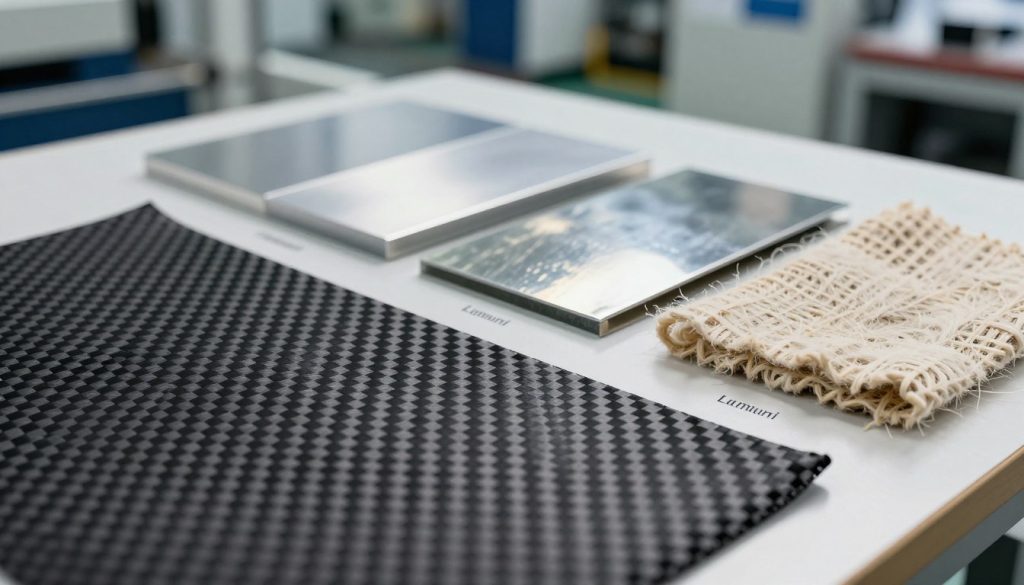
When comparing carbon fiber fabric to metals like aluminum and steel, the differences are stark. Carbon fiber fabric offers a significantly higher strength-to-weight ratio, making it an attractive option for weight-sensitive applications.
The table below summarizes the key differences:
| Material | Strength-to-Weight Ratio | Corrosion Resistance |
|---|---|---|
| Carbon Fiber | High | Excellent |
| Aluminum | Medium | Good |
| Steel | Low-Medium | Poor |
9. Selecting the Right Carbon Fiber Fabric for Your Project
The selection process for carbon fiber fabric involves several key considerations that can significantly impact the outcome of your project. Whether you’re working on an aerospace component, a high-performance sports equipment, or an automotive part, choosing the right carbon fiber fabric is crucial.
Weight Per Square Yard Considerations
The weight per square yard of carbon fiber fabric is a critical factor that affects both the weight and the strength of the final product. Lighter fabrics may be preferred for applications where weight reduction is paramount, while heavier fabrics might be chosen for their added strength and durability.
Weight per square yard is typically measured in grams per square meter (gsm). Common weights range from 150 gsm to over 600 gsm. For instance, a 300 gsm fabric is often used in aerospace applications due to its balanced strength-to-weight ratio.
Matching Weave Pattern to Application
The weave pattern of carbon fiber fabric significantly influences its drapability, surface finish, and mechanical properties. Different weave patterns are suited for different applications.
- Plain Weave: Offers stability and is often used for general-purpose applications.
- Twill Weave: Provides a better drape and is aesthetically pleasing, making it suitable for visible parts.
- Satin Weave: Known for its flexibility and superior surface finish, it’s ideal for complex shapes.
Understanding Tow Size and Fiber Count
Tow size refers to the number of fibers in a tow, which is a bundle of carbon fibers. Common tow sizes include 1K, 3K, 6K, and 12K. The fiber count affects the fabric’s thickness, weight, and performance characteristics.
| Tow Size | Typical Applications | Characteristics |
|---|---|---|
| 1K | Aerospace, high-performance sports equipment | Thin, lightweight, high performance |
| 3K | Automotive, marine, sports equipment | Balanced performance and cost |
| 12K | Industrial applications, large composite parts | Thicker, stronger, more cost-effective |
Quality Systems and Product Evidence
Separate supplier-system evidence from roll-specific performance evidence. For any ISO 9001 or 9100-family claim, verify the legal holder, manufacturing site, issuer, status and scope. Those quality-management-system standards do not prove a fabric roll’s mechanical properties or aerospace suitability. Request the product specification, lot traceability and test data required by the actual application.
Budget Considerations and Cost Factors
Budget plays a significant role in selecting carbon fiber fabric. Factors such as material cost, manufacturing complexity, and waste reduction can impact the overall cost. It’s essential to balance cost with performance requirements.
10. Care, Maintenance, and Repair of Carbon Fiber Components
Proper care and maintenance are crucial to extending the lifespan of carbon fiber components. Carbon fiber products are known for their strength, durability, and aesthetic appeal, but like any material, they require specific care to maintain their integrity and performance over time.
Proper Cleaning Techniques and Products
Cleaning carbon fiber components regularly is essential to remove dirt and grime that can damage the surface. Use a soft, dry cloth to wipe down the surface. For more thorough cleaning, a mild soap solution can be used, but avoid harsh chemicals or abrasive cleaners that can damage the carbon fiber or its finish.
Regular Inspection and Damage Detection
Regular inspection is critical to identify any damage early. Look for signs of wear such as cracks, delamination, or fraying. Early detection allows for timely intervention, preventing minor issues from becoming major problems.
Minor Repair Procedures
For minor damages, repair procedures can be undertaken using appropriate materials and techniques. This may involve applying a suitable resin to repair cracks or delamination. It’s essential to follow established repair protocols to ensure the structural integrity of the component is maintained.
When to Seek Professional Repair Services
While minor repairs can be done in-house, more significant damage requires professional attention. If the damage is extensive or you’re unsure about the repair process, it’s advisable to seek services from experienced professionals who specialize in carbon fiber repair.
| Maintenance Task | Frequency | Recommended Method |
|---|---|---|
| Cleaning | Weekly | Soft cloth, mild soap solution |
| Inspection | Monthly | Visual inspection for damage |
| Repair | As needed | Appropriate resin, professional help for major damage |
11. Conclusion
As we’ve explored throughout this article, carbon fiber fabric is a revolutionary material that has transformed various industries with its exceptional strength, versatility, and lightweight properties. From aerospace engineering to sports equipment, its applications continue to expand, driven by its outstanding performance and design flexibility.
The unique combination of tensile strength, thermal stability, and corrosion resistance makes carbon fiber fabric an ideal choice for demanding applications. Whether it’s enhancing the performance of aircraft components or creating high-end sports gear, this material is redefining what’s possible.
As technology advances and manufacturing techniques improve, the potential for carbon fiber fabric will only continue to grow. Its adoption is expected to increase across various sectors, from automotive and marine to medical devices and beyond.
In conclusion, carbon fiber fabric stands out as a material that not only meets the current demands of high-performance applications but also paves the way for future innovations. Its strength, versatility, and potential for customization make it an invaluable resource for industries seeking to push boundaries and achieve excellence with the use of carbon fiber fabric.
FAQ
What exactly is carbon fiber fabric made from?
Most high-quality carbon fiber starts as a polymer called polyacrylonitrile, or PAN precursor. Through a rigorous manufacturing process involving oxidation and carbonization at extreme temperatures, the material is transformed into incredibly strong, thin strands of carbon that are then woven into the versatile fabrics used by industry leaders like Boeing and Ferrari.
Which weave pattern should I choose for a project with complex curves?
If you are working on a project with intricate shapes or contours, a Twill weave or Satin weave is your best bet. These patterns offer superior drapability compared to a Plain weave, allowing the fabric to hug tight corners and complex molds without buckling, which is essential for high-performance automotive components and custom marine vessels.
How does carbon fiber compare to traditional materials like aluminum or steel?
Carbon fiber fabric offers an outstanding weight-to-strength ratio that metals simply cannot match. It provides exceptional tensile strength and stiffness while being significantly lighter than aluminum or steel. Additionally, unlike metals, carbon fiber boasts incredible corrosion resistance and fatigue resistance, making it the preferred choice for aerospace engineering and elite sports equipment brands like Specialized.
What is the difference between a unidirectional fabric and a woven fabric?
Unidirectional fabric features fibers running in a single direction, providing maximum strength and stiffness along that specific axis. Woven fabrics, like those used in robotics or medical devices, distribute strength across multiple directions. Engineers often layer these materials using specific fiber counts and tow sizes to customize the structural integrity of a component.
Do I need special equipment to work with carbon fiber fabric?
Yes, achieving a professional finish requires the right resin system, typically a high-quality epoxy resin. For the best results, many professionals use vacuum bagging or wet layup techniques to ensure the fabric is fully saturated and compressed. Proper curing methods and safety gear are also vital to avoid common mistakes during the fabrication process.
Is carbon fiber fabric resistant to chemicals and heat?
Absolutely! Carbon fiber is known for its thermal stability and excellent chemical resistance. It can withstand harsh environments and high temperatures that would cause other composite materials like fiberglass to degrade. This makes it an ideal material for racing applications and industrial components exposed to extreme conditions.
How do I maintain and clean carbon fiber components?
To keep your carbon fiber looking pristine, use proper cleaning techniques with mild soaps and avoid abrasive chemicals that could damage the UV-resistant coating. Perform regular inspections for any signs of hairline cracks or delamination. While minor repair procedures can be done at home, structural damage to critical parts—like a high-end bicycle frame—should always be handled by professional repair services.
What does “tow size” mean when looking at fabric specifications?
Tow size refers to the number of individual carbon filaments in a single bundle (or “tow”) used in the weave. You will often see designations like 3K, 6K, or 12K, representing thousands of filaments. This, along with the weight per square yard, helps you determine the thickness, strength, and visual aesthetic of the final product.

Add comment