
Are you searching for the ideal material to elevate your latest engineering project? Finding a perfect balance between lightweight design and immense strength can often feel difficult. This is exactly where a premium graphite composite becomes essential for your success.
This specific 3K weave provides a stunning visual appeal alongside its legendary durability. It remains a premier selection for builders across the United States who demand consistent and reliable results. The 240g weight ensures that every individual layer stays secure while maintaining a professional appearance.
Many creative enthusiasts appreciate how manageable this fabric is during the application process. It looks incredibly sleek and maintains its structural integrity even under significant pressure. Choosing this material shows that you value both the performance and the aesthetic of your craftsmanship.
Whether you are refining automotive components or developing new sporting equipment, the outcome is always impressive. It delivers a standard of excellence that is truly difficult to find elsewhere. Let’s dive deeper into what makes this fabric a staple in modern manufacturing.
Key Takeaways
- Exceptional strength-to-weight ratio for demanding tasks.
- Signature diagonal weave pattern for a classic aesthetic.
- Highly durable and resistant to various environmental stresses.
- Perfect for automotive, marine, and aerospace applications.
- Easy to saturate with resin for a perfectly smooth finish.
- Preferred by American hobbyists and professional makers alike.
1. What Makes Carbon Fiber Cloth Special
Understanding what makes carbon fiber cloth special is crucial for appreciating its applications. The uniqueness of this material is rooted in its composition, manufacturing process, and specific characteristics such as weave pattern and weight.
Understanding Carbon Fiber Basics
Carbon fiber is a lightweight, high-strength material made from carbon atoms bonded together in crystals. It is known for its exceptional strength-to-weight ratio, making it an ideal choice for various industries, including aerospace, automotive, and sports equipment.
The production of carbon fiber involves a complex process that includes the alignment of carbon atoms, followed by a series of treatments to enhance its properties. This results in a material that is not only strong but also resistant to fatigue and corrosion.
The Meaning Behind 3K
The term “3K” refers to the number of filaments in a tow, which is a bundle of carbon fibers. Specifically, 3K indicates that there are 3,000 filaments in each tow. The tow size affects the material’s properties, such as its thickness, weight, and flexibility.
A 3K carbon fiber cloth is considered versatile and is widely used in various applications due to its balance between strength, weight, and cost.
Why Twill Weave is Popular
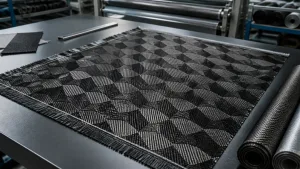
The twill weave pattern is characterized by its diagonal ribbing, which is achieved by passing the weft yarn over one or more warp yarns and then under two or more warp yarns. This pattern provides a unique aesthetic and enhances the material’s durability and flexibility.
Twill weave carbon fiber cloth is popular due to its ability to drape well over complex shapes, making it suitable for a wide range of applications, from automotive parts to sports equipment.
Decoding the 240g Weight Specification
The weight specification of 240g refers to the areal density of the carbon fiber cloth, measured in grams per square meter (g/m²). A 240g carbon fiber cloth is considered to be of moderate weight, offering a good balance between strength and flexibility.
This weight specification is crucial as it influences the material’s thickness, drapability, and overall performance in various applications.
2. Key Properties of 3K Twill 240g Carbon Fiber Cloth
With its unique blend of strength, flexibility, and aesthetic appeal, 3K twill 240g carbon fiber cloth is a preferred choice for various high-performance applications. This material’s distinct characteristics make it suitable for a wide range of uses, from automotive customization to aerospace components.
Exceptional Strength-to-Weight Ratio
The 3K twill 240g carbon fiber cloth is renowned for its exceptional strength-to-weight ratio, making it an ideal material for applications where minimizing weight without compromising strength is crucial. This property is particularly beneficial in the automotive and aerospace industries, where reduced weight can lead to improved fuel efficiency and performance.
Flexibility and Drapability Features
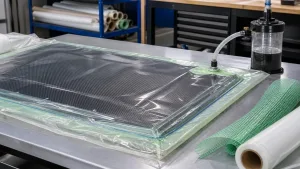
Despite its high strength, the 3K twill 240g carbon fiber cloth exhibits impressive flexibility and drapability. This allows it to be molded into complex shapes and geometries, making it suitable for a variety of manufacturing processes, including hand layup and vacuum bagging.
That Signature Carbon Fiber Look
The signature carbon fiber look of the 3K twill 240g cloth is not just aesthetically pleasing; it also indicates the material’s high quality. The twill weave pattern creates a distinctive visual effect that is highly prized in both consumer products and high-performance applications.
Long-Term Durability Benefits
One of the key advantages of using 3K twill 240g carbon fiber cloth is its long-term durability. The material is resistant to fatigue and degradation, ensuring that products made from it remain reliable and performant over their lifespan. This durability is a critical factor in applications where maintenance or replacement is challenging or costly.
The combination of these properties makes 3K twill 240g carbon fiber cloth a versatile and reliable choice for a broad spectrum of applications. Some of the key benefits include:
- High strength-to-weight ratio
- Flexibility and ease of molding
- Aesthetic appeal with a signature look
- Long-term durability and resistance to fatigue
3. Technical Specifications That Matter
To fully appreciate the capabilities of 3K twill 240g carbon fiber cloth, it’s essential to examine its technical specifications closely. These specifications are the backbone of understanding how this material can be utilized effectively in various applications.
Fiber Count and Tow Size
The 3K designation in 3K twill 240g carbon fiber cloth refers to the fiber count, indicating that each tow contains 3,000 carbon fibers. The tow size is a critical factor as it influences the material’s strength, flexibility, and overall performance. A 3K tow size strikes a balance between these properties, making it suitable for a wide range of applications.
Weave Pattern Details
The weave pattern of carbon fiber cloth significantly affects its appearance and mechanical properties. The twill weave is particularly popular due to its diagonal pattern, which offers a unique aesthetic and improved drapability.
2x2 Twill Configuration
The 3K twill 240g carbon fiber cloth features a 2×2 twill configuration, meaning that the weft yarn passes over two warp yarns and then under two warp yarns. This configuration provides a good balance between flexibility and stability, making it easier to work with during fabrication processes.
Thread Count Per Inch
The thread count per inch is another vital specification that affects the cloth’s overall quality and performance. A higher thread count typically indicates a denser weave, which can enhance the material’s strength and durability.
Thickness and Density Measurements
The 240g in 3K twill 240g carbon fiber cloth refers to its weight in grams per square meter (GSM). This measurement is crucial as it correlates with the material’s thickness and density. A 240 GSM cloth is considered relatively lightweight yet robust, making it suitable for applications where weight is a critical factor.
Mechanical Properties
Understanding the mechanical properties of 3K twill 240g carbon fiber cloth is vital for predicting its behavior under different conditions. Two key mechanical properties are tensile strength and modulus of elasticity.
Tensile Strength
Tensile strength measures the material’s resistance to breaking under tension. 3K twill 240g carbon fiber cloth boasts high tensile strength, making it capable of withstanding significant stress without failing.
Modulus of Elasticity
The modulus of elasticity indicates the material’s ability to deform elastically under stress and return to its original shape once the stress is removed. A high modulus of elasticity is desirable as it signifies the material’s stiffness and resistance to deformation.
4. Where You Can Use This Carbon Fiber Cloth
With its unique properties, this carbon fiber cloth finds applications across multiple sectors. The 3K twill 240g carbon fiber cloth is particularly valued for its strength, durability, and aesthetic appeal, making it a popular choice in various industries.
Automotive Customization and Repairs
In the automotive sector, this carbon fiber cloth is used for customization and repairs due to its lightweight and high-strength properties. It’s ideal for creating custom body panels, interior trim, and other components that require both durability and a premium look.
- Custom dashboard trim
- Carbon fiber hood
- Interior accents
Aerospace Components
The aerospace industry benefits from the exceptional strength-to-weight ratio of 3K twill 240g carbon fiber cloth. It’s used in the manufacture of various aircraft components, where reducing weight without compromising strength is crucial.
Sports Equipment Builds
Sports equipment manufacturers utilize this carbon fiber material to create lightweight and durable products. From bicycle frames to golf clubs, the 3K twill 240g carbon fiber cloth enhances performance by reducing weight while maintaining structural integrity.
Marine Applications
In marine applications, the corrosion resistance and strength of this carbon fiber cloth make it suitable for boat building and repairs. It’s used for creating hulls, decks, and other components that require durability in harsh marine environments.
“Carbon fiber is revolutionizing the marine industry with its lightweight and corrosion-resistant properties.”
Consumer Electronics and Gadgets
The consumer electronics industry also benefits from the unique properties of 3K twill 240g carbon fiber cloth. It’s used in the manufacture of premium gadgets and accessories, such as smartphone cases and laptop skins, where both durability and aesthetics are important.
- Smartphone cases
- Laptop skins
- Tablet covers
The versatility of 3K twill 240g carbon fiber cloth makes it a valuable material across various industries, from automotive and aerospace to sports equipment and consumer electronics.
5. Why Choose 3K Twill Over Other Options
When it comes to selecting the right carbon fiber material, 3K twill stands out among its peers. Its unique combination of properties makes it an ideal choice for a wide range of applications.
Lightweight Without Sacrificing Strength
The 3K twill carbon fiber cloth is renowned for its lightweight properties without compromising on strength. This characteristic is particularly beneficial in industries where weight reduction is crucial, such as aerospace and automotive.
By utilizing 3K twill, manufacturers can achieve significant weight savings while maintaining the structural integrity of their products. This results in improved fuel efficiency, enhanced performance, and reduced material costs.
Excellent Corrosion Resistance
Another significant advantage of 3K twill carbon fiber is its corrosion resistance. Unlike metals that can degrade over time when exposed to harsh environments, carbon fiber remains unaffected, ensuring the longevity of the final product.
This property is especially valuable in marine and outdoor applications where exposure to moisture and salt can be detrimental to traditional materials.
High Temperature Tolerance
3K twill carbon fiber cloth also exhibits high temperature tolerance, making it suitable for applications where extreme heat is a factor. This includes components in automotive and aerospace industries that are exposed to high temperatures during operation.
The ability to withstand such conditions without losing its structural properties makes 3K twill a preferred choice for high-performance applications.
Superior Fatigue Resistance
Fatigue resistance is another key benefit of 3K twill carbon fiber. Components made from this material can withstand repeated stress and strain without failing, which is critical in applications subject to cyclic loading.
This characteristic enhances the durability and lifespan of products, reducing the need for frequent repairs or replacements.
Aesthetic Appeal
Beyond its technical advantages, 3K twill carbon fiber is also prized for its aesthetic appeal. The distinctive twill weave pattern provides a unique visual identity that is highly sought after in consumer products and luxury items.
From automotive trim to high-end consumer electronics, the visual appeal of 3K twill carbon fiber adds a premium touch to products, enhancing their marketability and desirability.
6. Step-by-Step Guide to Working With This Material
Mastering the use of 3K twill 240g carbon fiber cloth involves understanding the proper methods and tools. Working with this material can be rewarding, but it requires attention to detail and adherence to best practices.
Gathering Your Tools and Supplies
Before starting your project, it’s essential to gather all the necessary tools and supplies. This includes cutting tools, safety equipment, and resin systems.
Cutting Tools
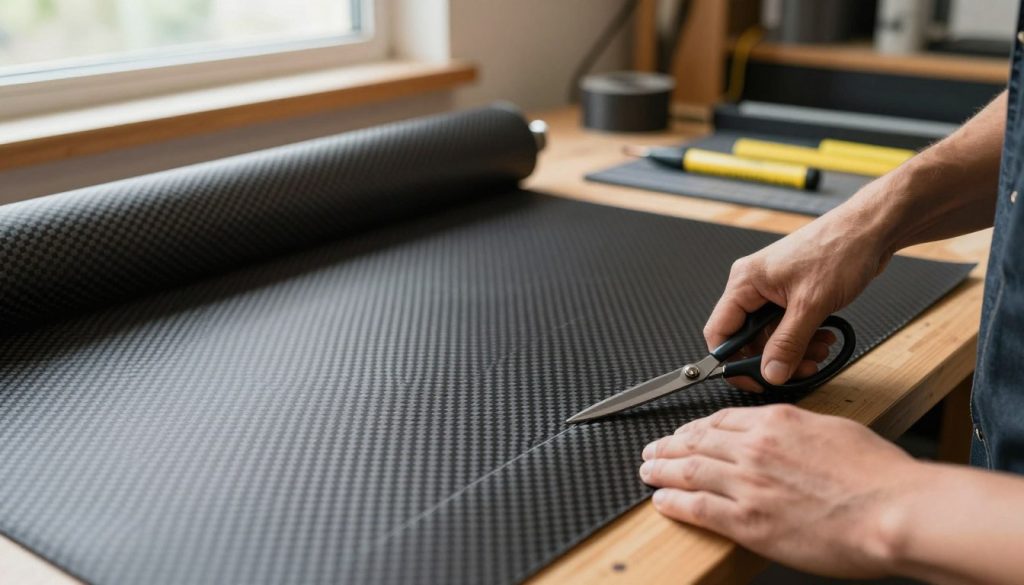
For cutting 3K twill 240g carbon fiber cloth, you’ll need sharp, precision tools to avoid fraying the material. Recommended cutting tools include:
- Sharp utility knives or craft knives
- Scissors designed for cutting carbon fiber
- A cutting mat or other protective surface
Safety Equipment
Safety should be your top priority when working with carbon fiber. Essential safety equipment includes:
- Nitrile gloves to protect your skin from resin and fiber splinters
- Safety glasses or goggles to protect your eyes
- A dust mask or respirator to avoid inhaling carbon fiber particles
Resin Systems
The choice of resin system depends on your specific project requirements. Common resin systems used with carbon fiber include:
- Epoxy resin for its strength and durability
- Polyester resin for a more budget-friendly option
- Vinyl ester resin for its chemical resistance
| Resin Type | Characteristics | Typical Applications |
|---|---|---|
| Epoxy | High strength, durability, and resistance to chemicals | Aerospace, automotive, and high-performance sports equipment |
| Polyester | Cost-effective, decent mechanical properties | Marine, construction, and consumer goods |
| Vinyl Ester | Excellent chemical resistance, good mechanical properties | Chemical processing, marine, and industrial applications |
Preparing the Carbon Fiber Cloth
Before cutting or laying up the carbon fiber cloth, it’s crucial to prepare it properly. This involves inspecting the material for any defects and ensuring it’s free from contamination.
Cutting Techniques for Best Results
To achieve clean cuts, use the right cutting technique. For 3K twill 240g carbon fiber cloth, a sharp utility knife or scissors specifically designed for cutting carbon fiber are recommended.
The Layup Process Explained
The layup process involves carefully placing the cut carbon fiber cloth into the desired shape or mold. Key considerations include:
- Ensuring the cloth is aligned properly with the mold or shape
- Avoiding wrinkles or air pockets
- Applying even pressure to secure the cloth in place
Resin Application Methods
Applying resin to the carbon fiber cloth is a critical step. Common methods include:
- Hand layup, where resin is applied manually to the cloth
- Resin infusion, where resin is drawn into the cloth under vacuum
Curing and Post-Processing
After applying the resin, the layup needs to be cured. Curing methods include:
- Room temperature curing for convenience
- Heat curing for faster processing and improved properties
Once cured, the part may require post-processing, such as sanding or painting, to achieve the desired finish.
7. How It Compares to Other Carbon Fiber Types
When working with carbon fiber, understanding the differences between various types is crucial for achieving the desired outcome in your projects. The 3K twill 240g carbon fiber cloth is just one of many options available in the market, and comparing it with other types can help you make an informed decision.
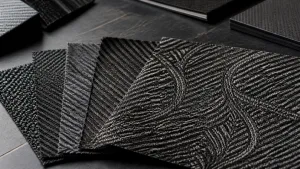
3K Twill vs. Plain Weave Patterns
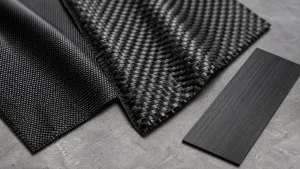
The weave pattern of carbon fiber cloth significantly affects its appearance and performance. The 3K twill weave is known for its diagonal pattern, which provides a unique aesthetic appeal and improved drapability compared to plain weave patterns. Plain weave patterns, on the other hand, offer a more uniform and symmetrical appearance, making them suitable for applications where visual consistency is crucial.
3K vs. 6K and 12K Tow Sizes
The tow size of carbon fiber refers to the number of filaments in a single tow. A 3K tow contains 3,000 filaments, while 6K and 12K tows contain 6,000 and 12,000 filaments, respectively. Larger tow sizes result in a thicker and potentially stronger material but may compromise on surface finish and detail resolution.
- 3K tow: Ideal for detailed work and applications requiring a high level of precision.
- 6K and 12K tows: Suitable for projects where strength and thickness are prioritized over fine detail.
240g vs. Other Weight Options
Carbon fiber cloth is available in various weights, measured in grams per square meter (gsm). The 240g carbon fiber cloth is a popular choice for many applications, but other weights like 200g and 300g are also available, each with its own set of advantages.
200g Carbon Fiber Cloth
The 200g carbon fiber cloth is lighter and more flexible, making it ideal for applications where weight reduction is critical, such as in aerospace and high-performance sports equipment.
300g Carbon Fiber Cloth
In contrast, the 300g carbon fiber cloth is thicker and provides additional strength, making it suitable for heavy-duty applications or projects that require extra durability.
When to Choose Each Type
The choice between different carbon fiber types depends on the specific requirements of your project. Consider factors such as the desired appearance, strength, weight, and durability when deciding between 3K twill, plain weave, different tow sizes, and various weight options.
| Carbon Fiber Type | Best For |
|---|---|
| 3K Twill | Aesthetic appeal, drapability, and detailed work |
| Plain Weave | Uniform appearance and applications requiring symmetry |
| 6K/12K Tow Sizes | Projects prioritizing strength and thickness |
| 200g | Weight-critical applications |
| 300g | Heavy-duty applications requiring extra strength |
8. Identifying High-Quality Carbon Fiber Cloth
Identifying high-quality carbon fiber cloth involves a combination of visual inspections and adherence to industry standards. To ensure that the material meets the required specifications, several key factors must be considered.
Visual Quality Checks
The first step in evaluating carbon fiber cloth is through visual inspection. Look for any visible defects such as tears, unevenness, or misaligned fibers. High-quality cloth should have a uniform appearance with no obvious flaws.
Inspect the weave pattern to ensure it is consistent and matches the specified type (e.g., twill, plain weave). Any irregularities in the weave can affect the material’s performance.
Weave Consistency Indicators
Weave consistency is critical for the overall quality of the carbon fiber cloth. Check the density of the weave by examining the fabric’s thickness and the count of fibers per inch. A consistent weave ensures even distribution of stress across the material.
A useful indicator of weave consistency is the fabric’s drape and flexibility. High-quality carbon fiber cloth should be pliable enough to conform to complex shapes without cracking or breaking.
Standards and Test Evidence
Do not treat a management-system certificate as proof of cloth properties. For tensile claims, ask for a material data sheet or batch test report that names the material form, specimen, conditioning, test method and result.
ISO Test Methods and Quality Systems
ISO 9001:2015 addresses an organization’s quality management system; it does not certify the tensile strength or modulus of a roll of cloth. Product properties require scope-matched test evidence. ISO 527-5:2021 is one possible tensile test method for specified unidirectional composite specimens; woven cloth or other product forms may require a different method.
Aerospace Grade Specifications
Aerospace-grade carbon fiber cloth is held to particularly stringent standards due to the critical nature of its applications. Specifications may include detailed requirements for fiber type, weave pattern, and mechanical properties.
Testing Methods and Results
To verify the quality of carbon fiber cloth, various testing methods are employed. These may include tensile testing, flexural testing, and impact resistance testing.
| Test Type | Description | Expected Outcome for High-Quality Cloth |
|---|---|---|
| Tensile Testing | Measures the material’s resistance to breaking under tension. | High tensile strength |
| Flexural Testing | Evaluates the material’s ability to withstand bending forces. | High flexural modulus |
| Impact Resistance Testing | Assesses the material’s ability to absorb impact without damage. | High impact resistance |
By understanding and applying these quality checks, you can ensure that your carbon fiber cloth meets the necessary standards for your project.
9. Proper Storage and Handling Tips
To ensure the longevity and effectiveness of 3K twill 240g carbon fiber cloth, it’s essential to follow proper storage and handling procedures. This material, known for its exceptional strength-to-weight ratio and durability, requires careful handling to maintain its integrity.
Ideal Storage Environment
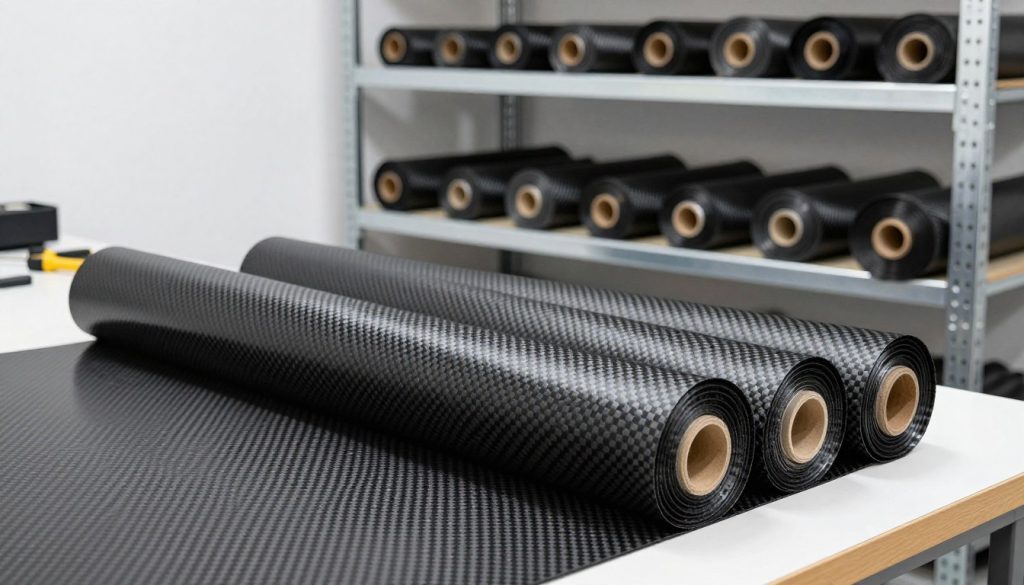
Storing 3K twill 240g carbon fiber cloth in an ideal environment is crucial. The storage area should be cool, dry, and well-ventilated, away from direct sunlight and moisture. “Exposure to UV light can cause degradation of the material over time,” as noted by industry experts. A climate-controlled storage room is ideal for maintaining the quality of the carbon fiber cloth.
Protecting Against Contamination
Contamination can significantly affect the performance of carbon fiber cloth. It’s essential to handle the material with clean gloves to prevent oils from skin contact. Additionally, the storage area should be free from dust and other contaminants. Using sealed packaging or containers can provide an extra layer of protection.
Understanding Shelf Life
The shelf life of 3K twill 240g carbon fiber cloth can vary depending on storage conditions. Generally, if stored properly, it can last for several years. However, it’s crucial to inspect the material regularly for any signs of degradation, such as discoloration or fiber breakage.
Transportation Best Practices
When transporting 3K twill 240g carbon fiber cloth, it’s vital to follow best practices to prevent damage. The material should be securely wrapped and protected from physical stress. Using rigid containers or specialized packaging can help prevent bending or creasing, which can compromise the material’s integrity.
By following these storage and handling tips, you can ensure that your 3K twill 240g carbon fiber cloth remains in optimal condition for your projects.
10. Exciting Projects You Can Build
The versatility of 3K twill 240g carbon fiber cloth opens up a world of creative possibilities for makers and DIY enthusiasts. This material is not just for industrial or professional use; it’s also perfect for hobbyists looking to add a touch of high-tech to their projects.
Custom Automotive Trim and Body Panels
One of the most popular uses for 3K twill 240g carbon fiber cloth is in the automotive sector. Enthusiasts use it to create custom trim and body panels that not only enhance the appearance of their vehicles but also improve their performance by reducing weight.
High-Performance Drone Frames
Drone enthusiasts and professionals alike appreciate the strength-to-weight ratio of 3K twill 240g carbon fiber cloth. It’s ideal for building high-performance drone frames that are both durable and lightweight, enhancing flight capabilities and maneuverability.
Bicycle Components and Repairs
Cyclists often turn to carbon fiber for its lightweight and strength. Using 3K twill 240g carbon fiber cloth, cyclists can create or repair components such as frames, forks, and handlebars, potentially improving their bike’s overall performance and longevity.
Speaker Enclosures and Audio Equipment
The rigidity and aesthetic appeal of 3K twill 240g carbon fiber cloth make it suitable for crafting speaker enclosures and other audio equipment. The material can help in achieving clearer sound by providing a solid, vibration-resistant enclosure.
Decorative Items and Furniture Accents
Beyond functional items, 3K twill 240g carbon fiber cloth is also used in creating decorative pieces and furniture accents. Its unique look adds a modern and sleek touch to any room, making it a favorite among interior designers and DIY decorators.
11. Smart Shopping Guide for Carbon Fiber Cloth
To ensure you get the best 3K twill 240g carbon fiber cloth for your needs, follow this smart shopping guide. Buying the right material can be challenging due to the numerous options available in the market.
What to Look for When Buying
When purchasing 3K twill 240g carbon fiber cloth, several factors should be considered to ensure you get a high-quality product. Look for the weave consistency, as it directly affects the material’s performance and appearance. Check for any defects or irregularities in the weave pattern.
Material thickness and weight are also crucial. The specified 240g weight indicates the material’s density and durability. Verify that the thickness matches your project’s requirements.
Understanding Price Points
Carbon fiber cloth prices can vary significantly based on factors like quality, supplier, and quantity. Higher prices often indicate better quality, but it’s essential to compare prices from different suppliers to find the best value for your money.
Be wary of extremely low prices, as they may compromise on quality. Consider the total cost of ownership, including any additional costs for shipping, handling, and potential rework due to poor quality.
Finding Trustworthy Suppliers in the United States
Identifying reliable suppliers is critical to getting high-quality 3K twill 240g carbon fiber cloth. Look for suppliers with positive customer reviews and ratings. Review the supplier’s quality-system scope and ask for product-specific specifications, lot traceability and applicable test reports.
It’s also beneficial to ask for product samples before making a large purchase. This allows you to inspect the material’s quality firsthand.
Calculating How Much You Need
To avoid excess material or insufficient supply, accurately calculate your needs. Consider the project’s size and complexity, and factor in any potential waste or cuts.
Using a material calculator or consulting with an expert can help ensure you order the correct quantity.
Bulk vs. Small Quantity Purchases
The decision to buy in bulk or small quantities depends on your project’s requirements and budget. Bulk purchases often come with discounts, but they also require more storage space and upfront capital.
On the other hand, small quantity purchases offer more flexibility but may be more expensive per unit. Consider your project’s timeline and adjust your purchasing decision accordingly.
12. Conclusion
After exploring the world of 3K Twill 240g Carbon Fiber Cloth, it’s clear that this material offers a unique combination of strength, durability, and aesthetic appeal. The key properties, technical specifications, and various applications make it an ideal choice for a wide range of projects, from automotive customization to consumer electronics.
A summary of the main points highlights the exceptional strength-to-weight ratio, flexibility, and long-term durability of this carbon fiber cloth. Understanding how to work with this material, including proper storage and handling, is crucial to achieving the best results.
Whether you’re a seasoned professional or a DIY enthusiast, 3K Twill 240g Carbon Fiber Cloth is a versatile material that can help bring your projects to life. By following the guidelines outlined in this article, you’ll be well-equipped to harness the full potential of this remarkable material and create something truly exceptional.
In conclusion, this comprehensive guide provides a thorough understanding of 3K Twill 240g Carbon Fiber Cloth, empowering you to make informed decisions and achieve success in your projects.
FAQ
What does the “3K” in 3K Twill Carbon Fiber Cloth actually stand for?
The “3K” refers to the tow size, meaning there are 3,000 individual carbon filaments in each bundle or “tow.” This is a standard in the industry, used by top-tier manufacturers like Toray, to provide the perfect balance of tensile strength and aesthetic appeal.
Why is the 2×2 Twill weave more popular than a Plain weave?
The 2×2 Twill weave is highly sought after because of its superior drapability. This flexibility allows the cloth to conform easily to complex curves and contours, making it the go-to choice for automotive customization on vehicles like a Tesla Model S or for wrapping high-end specialized bicycle frames.
How does the 240g weight specification affect my project?
The 240g weight (which stands for 240 grams per square meter) indicates a slightly thicker and more robust cloth than the common 200g variety. It provides a bit more structural rigidity and a deeper, more pronounced visual “carbon look” that enthusiasts love for high-performance drone frames and marine components.
What is the best resin system to use with this carbon fiber cloth?
For the best results, we recommend using a high-quality epoxy resin, such as West System 105. Epoxy provides the best mechanical properties and UV resistance, ensuring your project remains durable and doesn’t yellow over time when exposed to sunlight.
Is 3K Twill 240g Carbon Fiber suitable for aerospace applications?
Material designation alone is not enough to establish aerospace suitability. 3K, twill and 240g describe fabric construction, not an aerospace approval. Use a material only when the finished laminate, process, traceability and test evidence meet the specific drawing, program and regulatory requirements. ISO 9001:2015 by itself does not demonstrate weight, fatigue or aerospace performance.
What tools do I need to cut the cloth without ruining the weave?
To maintain weave consistency, you should use very sharp Kevlar shears or a rotary cutter. A professional tip is to apply 3M masking tape along your cut line before slicing; this prevents the 3K filaments from fraying or pulling apart during the process.
How does 3K carbon fiber compare to 12K in terms of appearance?
A: 3K carbon fiber has a much finer, more intricate checkerboard-style pattern compared to the much larger, blocky appearance of 12K. While 12K is great for heavy structural builds, 3K is the industry standard for aesthetic appeal in consumer electronics and decorative automotive trim.
Can this material withstand high temperatures?
Carbon fiber itself has an excellent high temperature tolerance. However, the overall heat resistance of your finished part will depend largely on the resin system you choose. If you are building an engine cover for a Chevrolet Corvette, ensure you use a high-temp specialty resin.
What is the proper way to store unused carbon fiber cloth?
You should store your cloth in a cool, dry environment, ideally rolled onto a tube rather than folded to avoid permanent creases. Keeping it inside a sealed plastic bag protects it from contamination like dust or oils, which can interfere with resin saturation during the layup process.
Where can I find trustworthy suppliers for this material in the United States?
Reliable American distributors include Composite Envisions and Soller Composites. These suppliers offer high-quality 3K twill that meets industry standards, ensuring you aren’t buying “seconds” or low-grade material that lacks tensile modulus.
Do I need special safety equipment when working with carbon fiber?
Safety is key! Always wear nitrile gloves, a dust mask or respirator (especially during sanding), and safety goggles. Carbon fiber splinters are tiny and can be irritating, so long sleeves are also recommended to protect your skin from fiberglass-like irritation.
What is the benefit of “drapability” in 3K twill?
A: Drapability refers to the cloth’s ability to “slack” and move. Because the 2×2 twill configuration has fewer interlaced threads than a plain weave, it is much easier to push into tight corners of a mold, such as those found in custom speaker enclosures or F1-style steering wheels.

Add comment