
- What is Carbon Fiber?
- Benefits of Using Carbon Fiber Sheets
- Getting Started with Carbon Fiber Sheets
- Choosing the Right Type of Sheet
- Tools and Materials Needed
- Crafting with Carbon Fiber Sheets
- Project 1: Carbon Fiber Coasters
- Project 2: Carbon Fiber Phone Case
- Advanced Techniques for Carbon Fiber Crafting
- Vacuum Bagging
- 3D Printing with Carbon Fiber
- Maintenance Tips
- Inspiration from the Community
- Conclusion
Carbon Fiber Sheet: Stunning DIY Guide for Effortless Crafting
Carbon fiber sheet is revolutionizing the world of crafting and design, offering both strength and aesthetic appeal. Known for its lightweight nature and incredible durability, carbon fiber has become the go-to material for many DIY enthusiasts and professionals alike. This guide aims to help you understand the various aspects of working with carbon fiber sheets, from choosing the right type to crafting stunning projects that will impress anyone who sees them.
What is Carbon Fiber?
Before diving into crafting techniques, it’s essential to grasp what carbon fiber is. Primarily composed of carbon atoms, this material is woven into a fabric-like form and then combined with a resin to create a composite that is both lightweight and incredibly strong. It’s commonly used in automotive, aerospace, and sporting goods industries, thanks to properties such as high tensile strength and resistance to chemical damage.
Benefits of Using Carbon Fiber Sheets
When discussing carbon fiber, several benefits make it attractive for crafting:
– Lightweight: Carbon fiber is significantly lighter than metals, making it an ideal choice for projects where weight is a concern.
– Durability: The material is resistant to many environmental factors, including moisture and temperature fluctuations, ensuring that your creations last.
– Aesthetic Appeal: The unique look of carbon fiber can add a high-tech, sophisticated touch to any project.
– Versatility: Carbon fiber sheets come in a variety of thicknesses, sizes, and finishes, allowing for a wide range of applications, from simple craft projects to complex engineering endeavors.
Getting Started with Carbon Fiber Sheets
Choosing the Right Type of Sheet
When selecting carbon fiber sheets, consider the following factors:
– Thickness: Depending on your project, you may need anything from thin sheets (1mm) for small crafts to thicker options (up to 6mm) for structural applications.
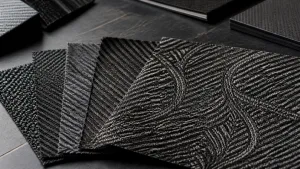
– Finish: Carbon fiber sheets are available in various finishes, such as matte, gloss, and hybrid. Choose one that aligns with your project’s design vision.
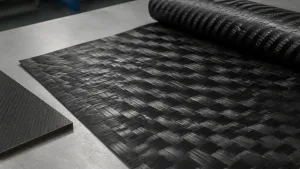
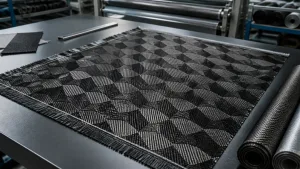
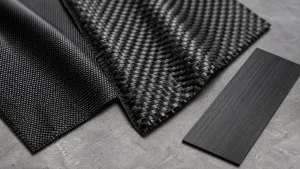
– Weave Patterns: Different weave patterns can affect the appearance and strength of the sheet. Familiarize yourself with options like plain weave, twill weave, and unidirectional.
Tools and Materials Needed
Once you’ve chosen the right type of carbon fiber sheet, gather the necessary tools and materials. Here’s a basic list:
– Carbon Fiber Sheets: Select the appropriate thickness and finish for your project.
– Cutting Tools: Use a fine-toothed saw, rotary cutter, or scissors designed for fiberglass or carbon fiber to achieve clean cuts.
– Adhesives: Epoxy resin works best for bonding carbon fiber materials. Make sure to choose one that cures clear and has a strong bond.
– Safety Gear: Always wear gloves, eye protection, and a dust mask when working with carbon fiber to protect yourself from harmful particles.
Crafting with Carbon Fiber Sheets
With your materials prepared, it’s time to delve into the crafting process. Here, we’ll explore several projects that are ideal for showcasing your carbon fiber sheets.
Project 1: Carbon Fiber Coasters
A simple yet effective way to start is by making carbon fiber coasters. Here’s a step-by-step guide:
Materials Needed:
– Carbon fiber sheets (1-2mm thick)
– Cutting tool
– Epoxy resin (if you aim to create a layered look)
– Wood or cork backing (optional)
Instructions:
1. Measure and Cut: Decide on the diameter or shape of your coasters. Use your cutting tool to achieve even shapes.
2. Layering (Optional): For added depth, you can layer multiple sheets or mix in colored resins before sealing with epoxy.
3. Seal: If using wood or cork backing, apply adhesive to one side of the carbon fiber and attach it. Let it cure according to manufacturer instructions.
4. Finish: Optionally, finish the edges with sandpaper for a smooth look.
Project 2: Carbon Fiber Phone Case
Creating a custom phone case is another popular project that allows for creativity while effectively using carbon fiber’s properties.
Materials Needed:
– Carbon fiber sheets (3mm or more for durability)
– Phone case template (can be 3D printed or purchased)
– Cutting tool
– Adhesive
– Protective coating (optional)
Instructions:
1. Template Preparation: Create or find a template that matches your phone’s dimensions.
2. Cut the Sheet: Carefully cut carbon fiber sheets to match the template size, accounting for any necessary folds or overlaps.
3. Adhere the Layers: If making a two-layer case for added protection, bond the sheets using adhesive.
4. Smooth the Edges: Sand any sharp edges to prevent wear and tear on your hands or pockets.
5. Finish: Optionally coat your case with a protective finish to enhance durability and shine.
Advanced Techniques for Carbon Fiber Crafting
Once you’ve mastered basic projects, consider delving into advanced techniques to elevate your crafting skills.
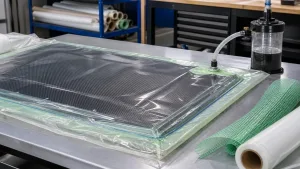
Vacuum Bagging
Vacuum bagging is a method that applies uniform pressure to carbon fiber layers, eliminating air bubbles and ensuring a strong bond. Follow these steps:
1. Prepare the Surface: Lay your carbon fiber sheets and any core materials in a mold.
2. Seal the Edges: Use breather and release materials to create a vacuum chamber.
3. Bagging: Place everything inside the vacuum bag, seal it, and then apply vacuum pressure.
4. Curing: Allow the resin to cure according to guidelines, and then remove the vacuum bag.
3D Printing with Carbon Fiber
If you’re interested in blending traditional crafting with technology, consider using carbon fiber filaments for 3D printing. This method offers several benefits:
– Customization: Tailor shapes and designs that might be challenging with flat sheets.
– Strength: Products made from carbon fiber-infused filament maintain incredible strength while being lightweight.
Maintenance Tips
To ensure your carbon fiber creations last, follow these maintenance tips:
– Cleanliness: Regularly dust off your pieces using a soft cloth to prevent scratches.
– Avoid Direct Sunlight: Prolonged exposure can lead to fading over time.
– Repair Scratches: Use a clear coating or resin to fix small scratches or wear.
Inspiration from the Community
As you embark on your carbon fiber crafting journey, explore online communities, forums, and social media groups to draw inspiration. Many DIY enthusiasts share stunning projects, tips, and troubleshooting advice that can elevate your skills and expand your creativity.
Conclusion
Working with carbon fiber sheets opens a world of crafting possibilities, combining innovation and artistry. By understanding the material, mastering basic projects, and exploring advanced techniques, you can create stunning items that showcase your creativity and skill. Whether it’s coasters or intricate designs, carbon fiber is bound to impress. Embrace the challenges and enjoy the incredible journey of Carbon Fiber crafting!

Add comment