
- Understanding Carbon Fiber Tubes
- Properties of Carbon Fiber Tubes
- Applications of Carbon Fiber Tubes
- 1. Aerospace and Aviation
- 2. Sports Equipment
- 3. Automotive
- 4. Robotics
- Getting Started with Your Carbon Fiber Tube Project
- 1. Research and Plan Your Project
- 2. Choosing the Right Carbon Fiber Tubes
- 3. Tools Required
- 4. Cutting and Shaping the Tubes
- 5. Assembling Your Project
- 6. Finishing Touches
- Cost-Effective Tips for Working with Carbon Fiber Tubes
- Safety Considerations
- Conclusion
Carbon Fiber Tube: Stunningly Affordable DIY Guide
Carbon fiber tube is revolutionizing many industries, from aerospace to sports equipment, owing to its incredible strength-to-weight ratio. For DIY enthusiasts and engineers alike, its versatility makes it an excellent choice for various projects. This guide will provide an in-depth look at carbon fiber tubes, their properties, applications, and how you can utilize them in your own projects without breaking the bank.
Understanding Carbon Fiber Tubes
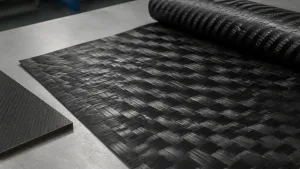
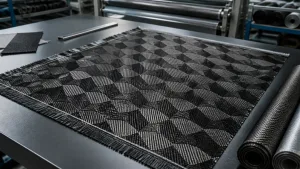
Before diving into the applications and DIY projects, it’s essential to understand what carbon fiber tubes are and why they are valued. Carbon fiber is composed of thin strands of carbon atoms, bonded together in a crystalline formation. When woven together and combined with a resin, these fibers create a material that is both strong and lightweight.
Properties of Carbon Fiber Tubes
Some of the key properties of carbon fiber tubes that make them a popular choice include:
– High Strength: Carbon fiber has a tensile strength greater than that of steel, making it suitable for high-stress applications.
– Lightweight: Being significantly lighter than metals, carbon fiber is ideal for projects where weight savings are crucial.
– Corrosion Resistance: Unlike metals, carbon fiber does not rust or corrode, giving it a longer lifespan in various environments.
– Stiffness: Carbon fiber tubes are not only strong but also very stiff, allowing for rigidity in designs.
These properties combine to make carbon fiber tubes a fantastic choice for a multitude of applications.
Applications of Carbon Fiber Tubes
Carbon fiber tubes find application across various fields:
1. Aerospace and Aviation
In the aerospace sector, the lightweight nature of carbon fiber tubes is crucial for reducing weight and improving fuel efficiency. Manufacturers use these tubes in aircraft wings, fuselages, and other structural components where reducing weight without sacrificing strength is paramount.
2. Sports Equipment
From bicycles to fishing rods, carbon fiber tubes are prevalent in the production of sports equipment. Their lightweight and strong properties allow athletes to perform better by reducing load and improving maneuverability.
3. Automotive
Performance cars utilize carbon fiber components for both aesthetics and performance. Tubes can be found in roll cages, exhaust systems, and various chassis components, providing the rigidity needed to handle the stresses incurred during high-speed maneuvers.
4. Robotics
In robotics, the need for lightweight materials that can withstand various loads is critical. Carbon fiber tubes serve as frames for robotic limbs and structures, enhancing the overall performance of robots.
Getting Started with Your Carbon Fiber Tube Project
Now that you understand what carbon fiber tubes are and their applications, let’s explore how you can embark on DIY projects using this material affordably.
1. Research and Plan Your Project
Before purchasing any materials, it’s essential to have a clear idea of what you want to create:
– Identify the application: Determine where you want to use the carbon fiber tubes (e.g., drone frame, bike, or model airplane).
– Draft a design: Sketch out your design on paper or use software. Planning helps avoid mistakes and reduces material waste.
2. Choosing the Right Carbon Fiber Tubes
When selecting carbon fiber tubes for your project, consider the following:
– Size and Diameter: Determine the appropriate size based on your project requirements.
– Wall Thickness: Thicker walls can bear more load, while thinner walls are lighter but less robust.
– Type of Carbon Fiber: Different carbon fiber types have varying properties. Standard modulus, intermediate modulus, and high modulus fibers are available.
Sources for purchasing tubes include specialized online retailers, local hardware stores, and surplus suppliers.
3. Tools Required
You’ll need the following tools to work with carbon fiber tubes:
– Cutting Tools: A high-quality hacksaw, band saw, or cutting wheel works best for cutting carbon fiber tubes.
– Sanding Tools: Use a sander or files to smooth the edges after cutting.
– Adhesives or Epoxy: Choose a strong epoxy suited for bonding carbon fiber. Look for products specifically designed for composite materials.
– Safety Gear: Carbon fiber dust can be hazardous; wear a mask and goggles during cutting and sanding.
4. Cutting and Shaping the Tubes
Cut the carbon fiber tubes to your desired lengths according to your design:
– Measure Twice, Cut Once: Always double-check dimensions before cutting. Mistakes can be costly.
– Smooth the Edges: Use sandpaper or a sander to smooth any sharp edges post-cutting to avoid injuries or complications in assembly.
5. Assembling Your Project
When assembling components made from carbon fiber tubes, follow these guidelines:
– Alignment is Key: Ensure that components are aligned correctly before applying adhesive. Misalignment can compromise the structure and integrity of the final product.
– Use Proper Adhesives: Apply epoxy according to the manufacturer’s instructions, and give it ample time to cure.
6. Finishing Touches
After assembly, you may want to finish your project through painting or sealing:
– Painting: Use a paint suitable for carbon fiber. Some paints improve aesthetics while providing an extra layer of protection.
– Sealing: A proper coating can add moisture resistance and further improve longevity.
Cost-Effective Tips for Working with Carbon Fiber Tubes
While carbon fiber can be expensive, there are ways to manage costs effectively through your DIY projects:
– Buy in Bulk: If you plan multiple projects, purchasing in bulk can significantly reduce the cost per unit.
– Use Off-Cuts: Look for surplus or off-cut materials from suppliers. They may be available at reduced prices.
– Join Communities: Engage in online forums and social media groups devoted to carbon fiber projects. Members often share resources and tips for finding deals.
Safety Considerations
As with any project, especially those involving strong materials like carbon fiber, safety should always be a priority. Ensure that you are using proper cutting and sanding techniques, and always wear safety gear to protect yourself from dust and debris.
Conclusion
Carbon fiber tubes have opened a world of possibilities in DIY projects for both novice hobbyists and seasoned professionals. By understanding their properties, applications, and how to work with them efficiently, you can create incredible projects that are not only functional but also innovative.
With the right guidance and careful planning, embarking on a project using carbon fiber tubes can be both accessible and rewarding. So gather your materials, grab your tools, and let your creativity take flight!

Add comment